×
ToyotaParts- Hello
- Login or Register
- Quick Links
- Live Chat
- Track Order
- Parts Availability
- RMA
- Help Center
- Contact Us
- Shop for
- Toyota Parts
- Scion Parts
My Garage
My Account
Cart
OEM Toyota Starter
Starter Ignition- Select Vehicle by Model
- Select Vehicle by VIN
Select Vehicle by Model
orMake
Model
Year
Select Vehicle by VIN
For the most accurate results, select vehicle by your VIN (Vehicle Identification Number).
156 Starters found
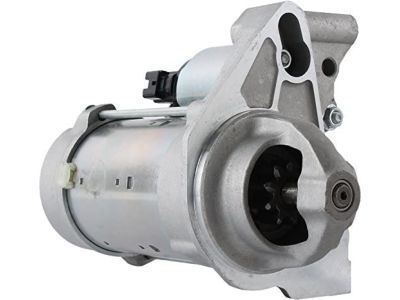
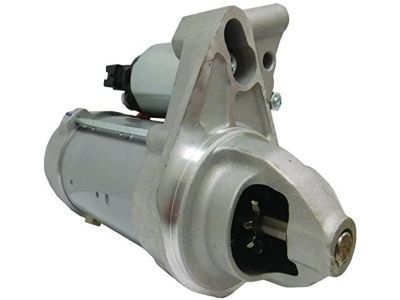
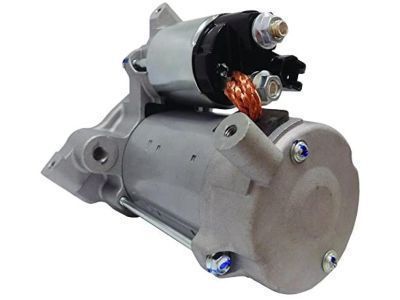
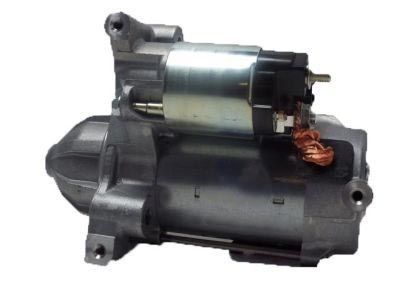
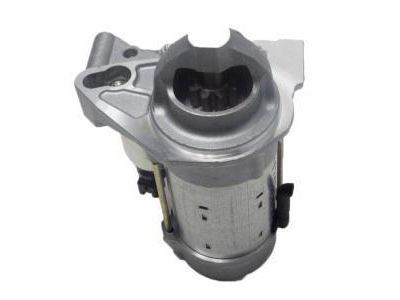
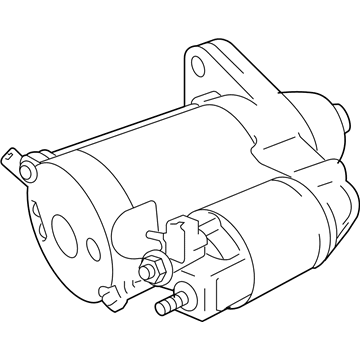
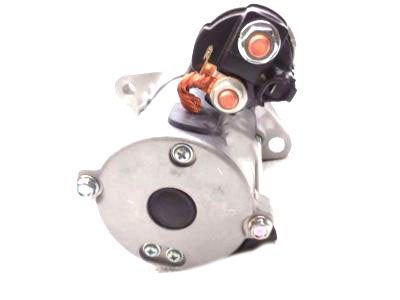
Toyota Starter Assembly Part Number: 28100-0S050
$220.17 MSRP: $314.36You Save: $94.19 (30%)Ships in 1-3 Business DaysProduct Specifications- Other Name: Starter Motor; Starter
- Manufacturer Note: 12V 2.0KW
- Replaced by: 28100-38080
- Replaces: 28100-38040, 28100-0S011, 28100-38041
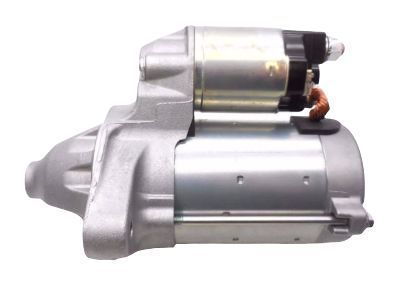
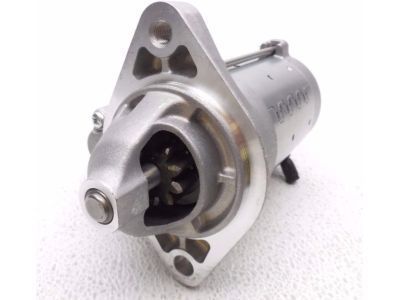
Toyota Starter Part Number: 28100-0D080-84
$95.68 MSRP: $132.80You Save: $37.12 (28%)Ships in 1-3 Business DaysProduct Specifications- Other Name: Reman Starter 1Zz-Fe; Starter Motor
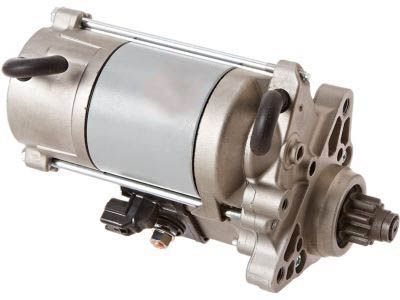
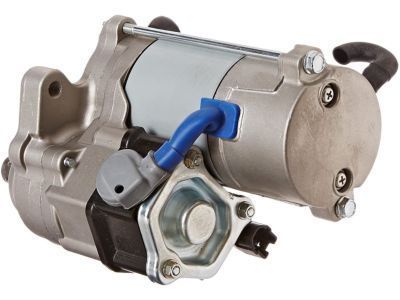
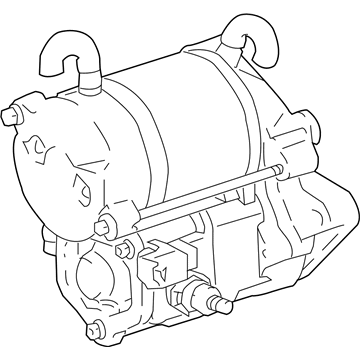
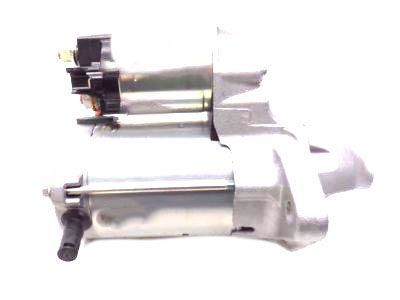
Toyota Starter Part Number: 28100-50100-84
$117.39 MSRP: $163.33You Save: $45.94 (29%)Ships in 1-3 Business DaysProduct Specifications- Other Name: Reman Starter Assembly; Starter Motor
- Replaces: 28100-50100
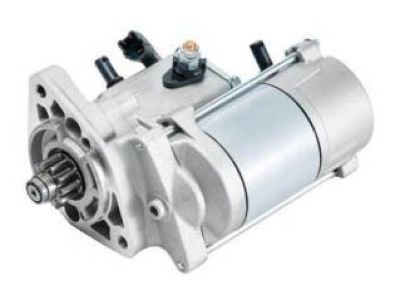
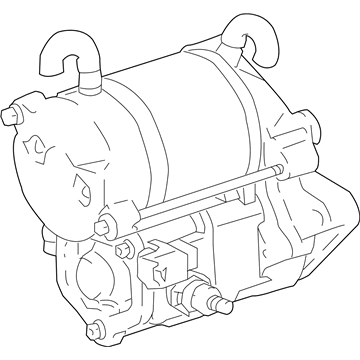
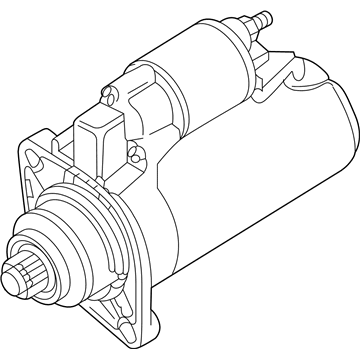
Toyota Starter Part Number: 28100-31131
$219.82 MSRP: $313.86You Save: $94.04 (30%)Ships in 1 Business DayProduct Specifications- Other Name: Starter Assembly; Starter Motor; Alternators
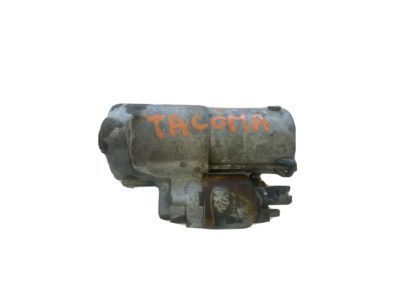
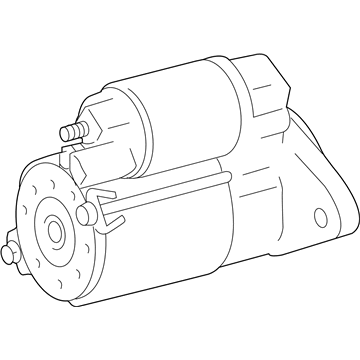
Toyota Starter Part Number: 28100-0C130
$234.39 MSRP: $334.65You Save: $100.26 (30%)Product Specifications- Other Name: Starter Assembly; Starter Motor; Alternators
- Manufacturer Note: 12V 1.7KW
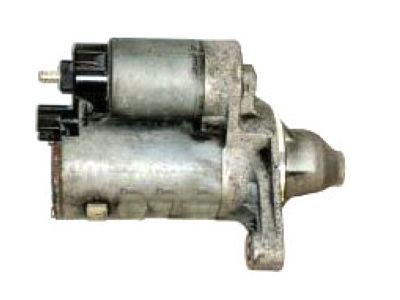
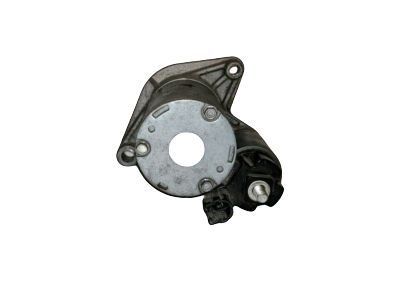
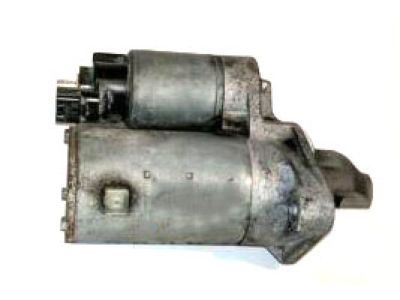
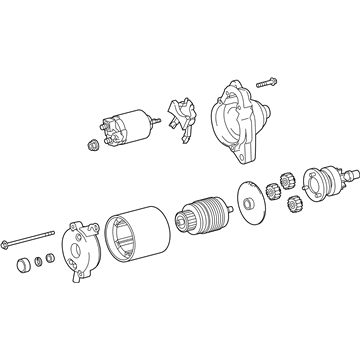
Toyota Starter Part Number: 28100-0T340
$282.03 MSRP: $402.68You Save: $120.65 (30%)Ships in 1-2 Business DaysProduct Specifications- Other Name: Starter Assembly; Starter Motor
- Manufacturer Note: 12V 1.2KW
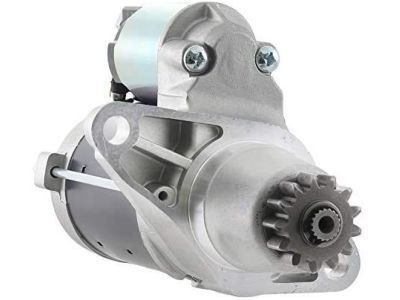
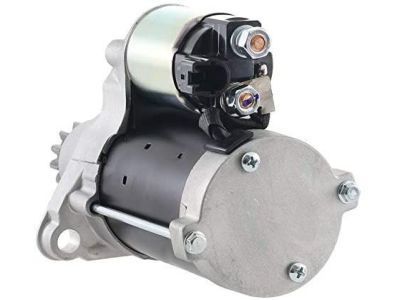
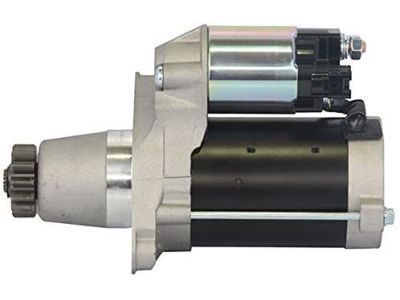
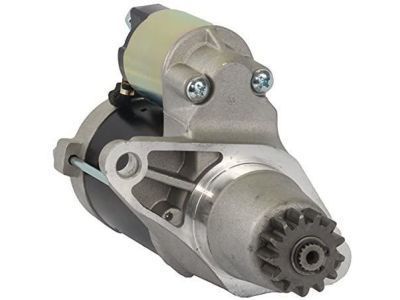
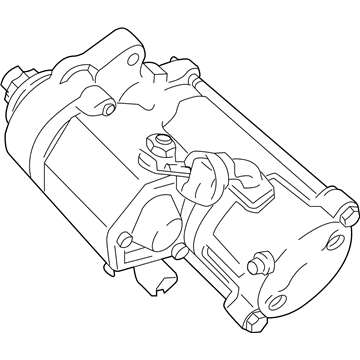
Toyota Starter Part Number: 28100-0V012
$217.61 MSRP: $310.69You Save: $93.08 (30%)Ships in 1-3 Business DaysProduct Specifications- Other Name: Starter Assembly; Starter Motor; Alternators
- Manufacturer Note: 12V 1.7KW
- Replaces: 28100-0V010, 28100-0V011, 28100-28070
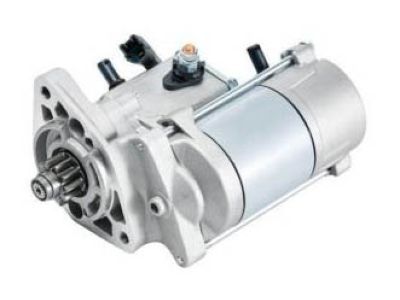
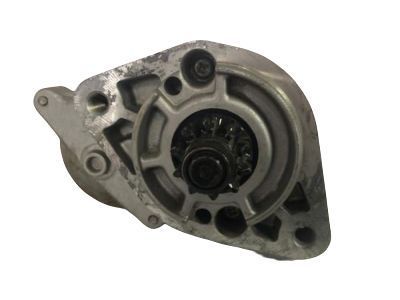
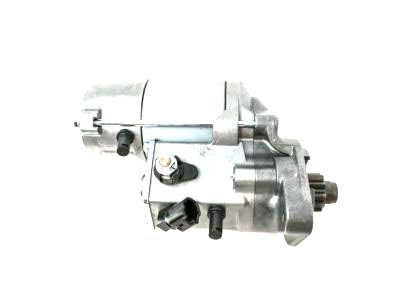
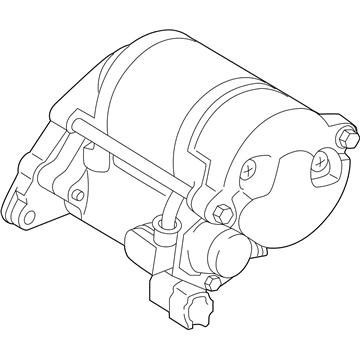
Toyota Starter Part Number: 28100-31050-84
$154.48 MSRP: $217.33You Save: $62.85 (29%)Ships in 1-3 Business DaysProduct Specifications- Other Name: Reman Starter; Starter Motor
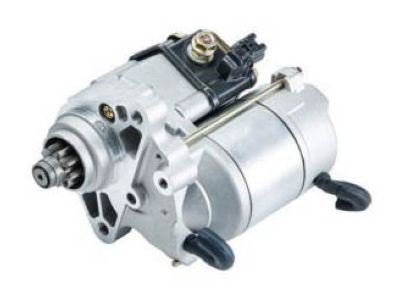
Toyota Starter Part Number: 28100-50090-84
$167.82 MSRP: $236.25You Save: $68.43 (29%)Ships in 1-3 Business DaysProduct Specifications- Other Name: Starter Assembly; Starter Motor
- Replaces: 28100-50090
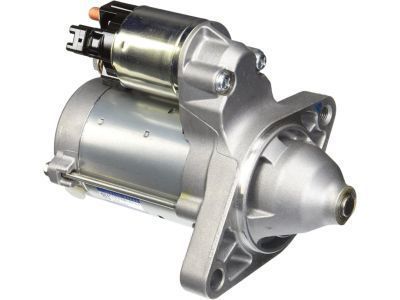
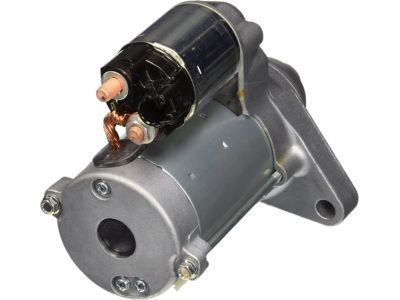
Toyota Starter Part Number: 28100-0T260
$233.10 MSRP: $332.82You Save: $99.72 (30%)Ships in 1-3 Business DaysProduct Specifications- Other Name: Starter Assembly; Starter Motor; Alternators
- Manufacturer Note: 12V 1.6KW
- Replaces: 28100-37120, 28100-37050, 28100-37051, 28100-37052
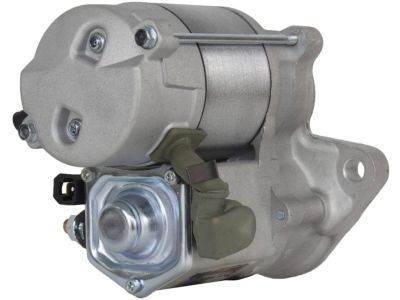
Toyota Starter Part Number: 28100-35060-84
$118.44 MSRP: $164.82You Save: $46.38 (29%)Ships in 1-3 Business DaysProduct Specifications- Other Name: Starter Assembly; Starter Motor
- Replaces: 28100-35040, 28100-35060, 28100-08020
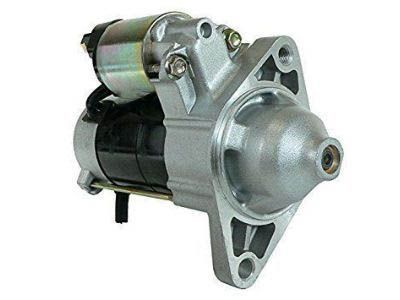
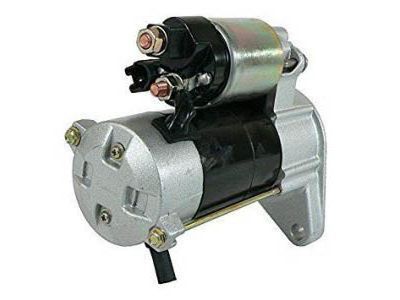
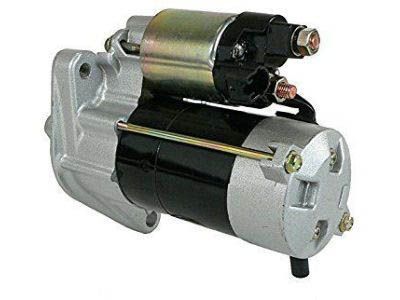
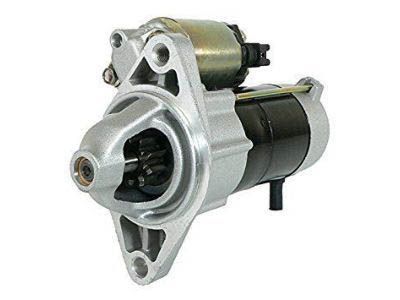
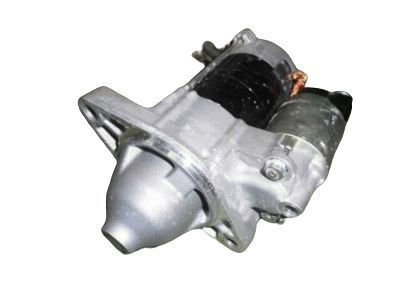
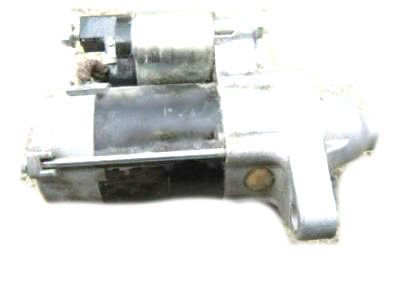
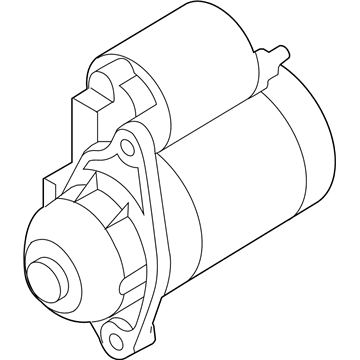
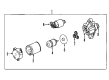
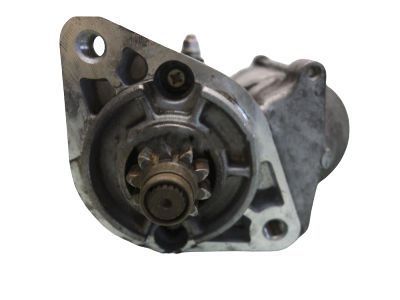
Toyota Starter Part Number: 28100-21022
$210.27 MSRP: $300.22You Save: $89.95 (30%)Ships in 1-3 Business DaysProduct Specifications- Other Name: Starter Assembly; Starter Motor
- Manufacturer Note: 12V 0.8KW
- Replaces: 28100-21021
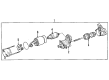
Toyota Starter Part Number: 28100-31111
$219.82 MSRP: $313.86You Save: $94.04 (30%)Ships in 1-2 Business DaysProduct Specifications- Other Name: Starter Assembly; Starter Motor; Alternators
- Replaces: 28100-31110
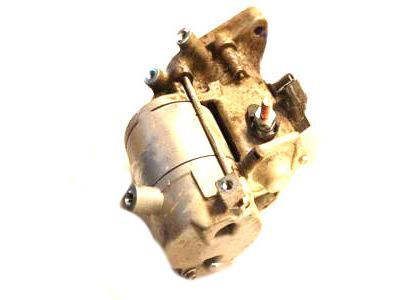
Toyota Starter Part Number: 28100-31160
$238.81 MSRP: $340.97You Save: $102.16 (30%)Ships in 1-3 Business DaysProduct Specifications- Other Name: Starter Assembly; Starter Motor
- Manufacturer Note: 12V 1.4KW
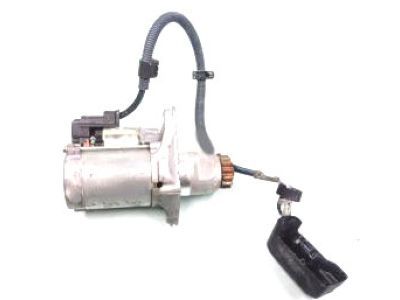
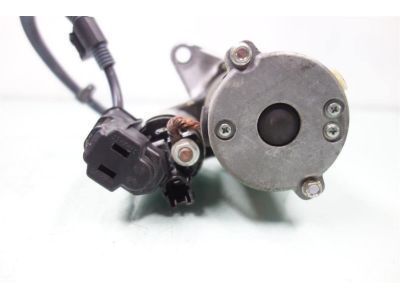
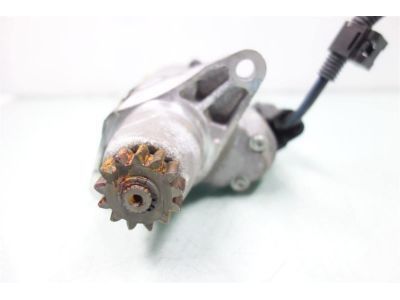
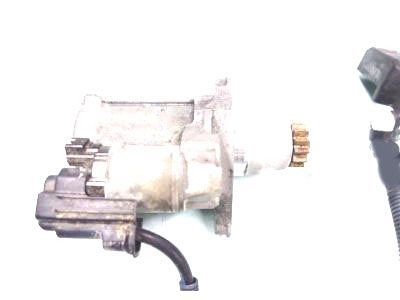
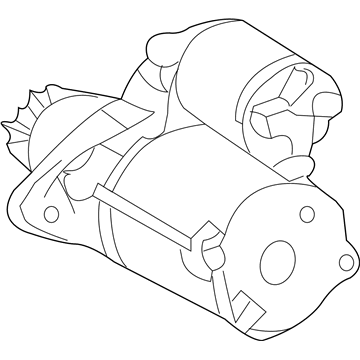
Toyota Starter Part Number: 28100-20022
$254.77 MSRP: $363.76You Save: $108.99 (30%)Ships in 1 Business DayProduct Specifications- Other Name: Starter Assembly; Starter Motor
- Manufacturer Note: 12V 1.7KW
- Replaces: 28100-20021
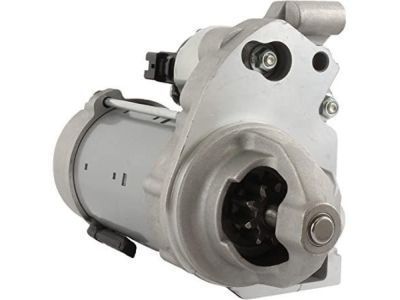
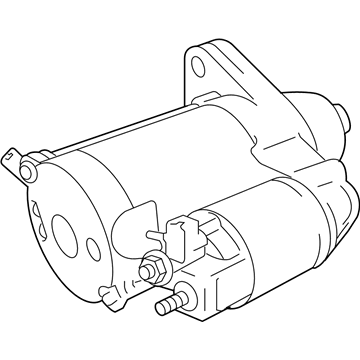
Toyota Starter Part Number: 28100-0S060
$318.38 MSRP: $454.58You Save: $136.20 (30%)Product Specifications- Other Name: Starter Assembly; Starter Motor; Alternators
- Manufacturer Note: 12V 2.0KW,COLD AREA SPEC
- Replaces: 28100-0S021
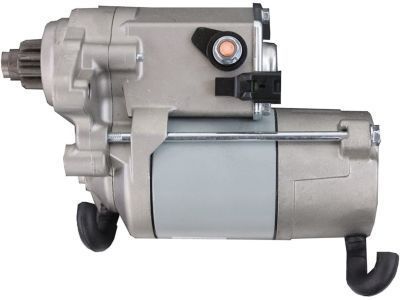
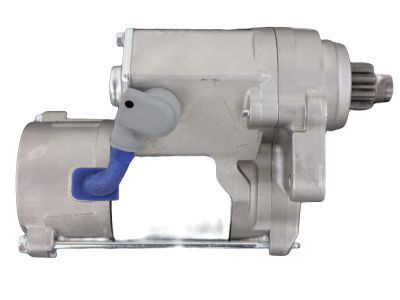
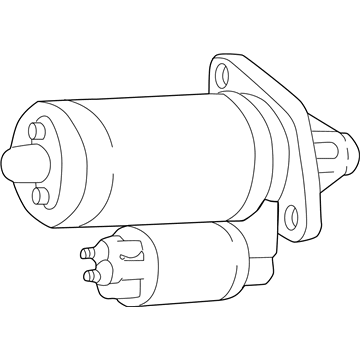
Toyota Starter Assembly Part Number: 28100-50070-84
$117.39 MSRP: $163.33You Save: $45.94 (29%)Product Specifications- Other Name: REMAN,STARTER ASSY; Starter
- Replaces: 28100-50070

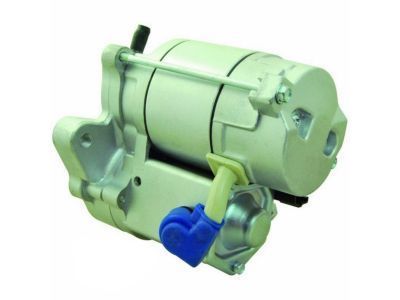
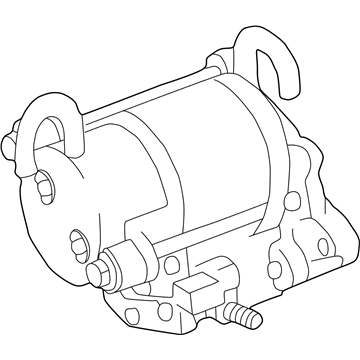
Toyota Starter Part Number: 28100-50040-84
$134.41 MSRP: $188.87You Save: $54.46 (29%)Ships in 1-3 Business DaysProduct Specifications- Other Name: Reman Starter Assembly; Starter Motor
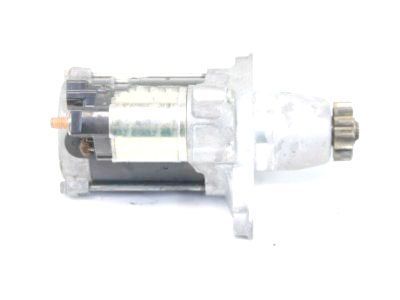
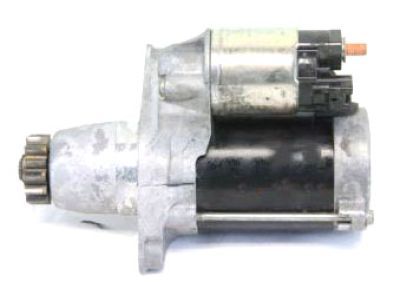
Toyota Starter Part Number: 28100-20020-84
$156.25 MSRP: $219.85You Save: $63.60 (29%)Ships in 1-3 Business DaysProduct Specifications- Other Name: Starter Assembly; Starter Motor
- Replaces: 28100-20020
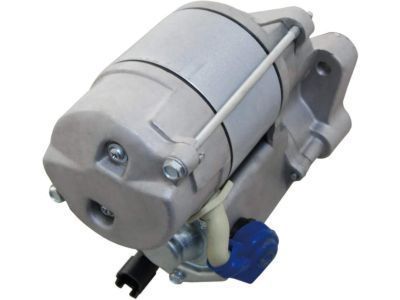
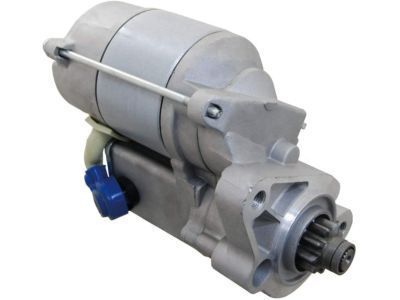
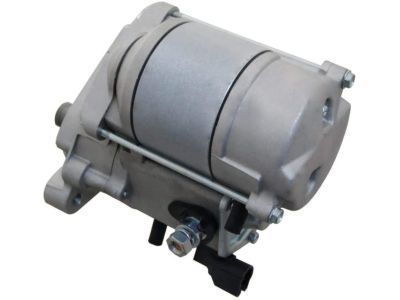
Toyota Starter Part Number: 28100-07010-84
$164.29 MSRP: $231.25You Save: $66.96 (29%)Ships in 1-2 Business DaysProduct Specifications- Other Name: Reman Starter; Starter Motor
- Replaces: 28100-0W070, 28100-07010
| Page 1 of 8 |Next >
1-20 of 156 Results
Toyota Starter
OEM parts deliver unmatched quality you can rely on. They pass extensive quality control inspections. Toyota produces them to the official factory specifications. This process helps prevent defects and imperfections. So you can get exceptional lifespan and a flawless fit. Need new OEM Toyota Starter? You'll love our wide selection of genuine options. Shop in minutes and skip the hunt. Our prices are unbeatable, you'll save time and money. It's easy to shop and find the right piece. Our committed customer service team gives professional help from start to finish. Every part includes a manufacturer's warranty. We ship quickly, your parts will arrive fast at your door.
Toyota Starter rotates the crank rapidly to convert stored battery juice into immediate engine movement. Toyota expanded out of a 1937 start-up into an international synonym of waste reduction manufacturing and rapid problem-solving that allows cars to be manufactured as dependable and efficient. Toyota continues its Hybrid Synergy Drive refinement and puts plug-in systems into ordinary Corollas, Camrys, and SUVs without much ado. Toyota TNGA platform reduces weight, decreases the center of gravity, and tightens the responsiveness causing even base trims to feel rooted. Toyota attracts drivers with thrift at the pump and high mileage that is punctuated with proven longevity. The outcome has been the creation of cars that are familiar and at the same time futuristic in a way that they strike a balance between comfort and light-footedness. The production systems that are lean reduce wastage hence the resources are located where the drivers can see them in terms of ride quality and reliability. Starter provides that initial push is a geared armature pushed against the flywheel by battery current passing through a solenoid which in a few seconds slams engagement teeth into position. Starter adopts a reduction gearbox that has been borrowed by high-compression projects to increase the twist without reducing size and weight. The Starter is clear when the engine is ignited and is provided by an overrunning clutch that allows the flywheel to run faster than the pinion without rubbing together. Starter combines universal mounting points with stout electromagnetic fields, therefore one unit can crank every stout four-cylinder workhorse in the world to fifteen hybrids.
Toyota Starter Parts and Q&A
- Q: How to check Starter and circuit on Toyota Sienna?A:If a malfunction occurs in the starting circuit, do not immediately assume that the starter is causing the problem. First, check the battery cable clamps for cleanliness and tightness, and inspect the condition of the battery cables, replacing any defective ones. Test the battery's condition, and if it fails, replace it. Examine the starter solenoid wiring and connections, and ensure the starter mounting bolts are tight. Check the fusible links exiting the engine compartment fuse box; if burned, determine the cause and repair the circuit, while also checking the ignition switch circuit for correct operation. Verify the operation of the Park/Neutral switch, ensuring the shift lever is in PARK or NEUTRAL, as these systems must function correctly to provide battery voltage to the ignition solenoid. Additionally, check the starter relay located in the fuse/relay box inside the engine compartment. If the starter does not actuate when the ignition switch is turned to the start position, check for battery voltage to the solenoid to confirm it is receiving the correct voltage signal. If voltage is present but the starter motor does not operate, remove the starter and bench test it. If the starter turns over slowly, check the starter cranking voltage and current draw from the battery, ensuring the voltage does not drop below specified levels and the current draw remains within the correct range. If the starter is receiving voltage but does not activate, remove and check the starter/solenoid assembly on the bench, as the solenoid may be defective. In rare cases, check if the engine is seized by attempting to rotate the crankshaft pulley. While testing the starter/solenoid assembly, connect jumper cables to the battery and apply voltage to the solenoid S terminal to observe the operation of the solenoid plunger, shift lever, and overrunning clutch. If the pinion drive extends but does not rotate, the solenoid is functioning but the starter motor is defective; if there is no movement but the solenoid clicks, both the solenoid or the starter motor may be defective. If the solenoid plunger extends and rotates the pinion drive, the assembly is working properly.
- Q: How to check Starter and circuit on 2005 through 2009 Toyota Tacoma?A:During some instances, a starting circuit develops a problem and this should not be mistaken to be a problem with the starter. The first steps are to ensure the battery cable clamps are clean and securely tightened in place, to inspect the battery cables for damage and replace any that are damaged and to test the battery for condition and if it is found to be bad to replace it. Also, look at the starter solenoid and check the wiring connections and the starter mounting bolts; furthermore, check the ignition switch circuit you should verify that it works properly. If your car has an electronically controlled system, switch on the Park/Neutral Position switch or the clutch start switch because in this type of circuit, the shift lever should be in the PARK/NEUTRAL position or the clutch pedal depressed to permit battery voltage to the ignition solenoid. Also, you must look at the starter relay situated in the fuse/relay box of your vehicle's engine compartment. If the starter does not engage when the ignition switch is turned to the start position, the battery voltage must be checked on the solenoid to know whether is has received the right voltage signal. If voltage is not available, check all fuses and relays concerned with the starting system. If voltage is present but the motor does not run check the starter, pull the starter and test it on the bench. Should the starter turn over slowly the cranking voltage should be measured along with the current draw from the battery, it should not drop below published volts figures and current should not be too high. This is particularly in the battery cables due to the high amperage which results in heating up of cables; stop testing and allow the system to cool. If starter motor cranking amp values are out of specified range replace the starter motor. Check for the cleanliness of the battery, possible corrosion of the battery terminal and cable joints and if so, then they should be cleaned or replaced, also to warm the battery or even the engine block in cold climatic conditions. if the starter receives voltage but does not turn on remove and take the starter/solenoid to the bench since the solenoid may be bad. Try to wiggle the crankshaft pulley before continuing; if you have the assembly in a vise, connect jumper cables to assess the solenoid's functionality. If the plungers come out and turn the pinion drive, everything is okay, but if there is a clicking noise and no translation, the solenoid, or starter motor is bad.
Related Toyota Parts
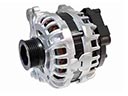 Toyota Alternator
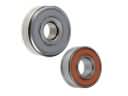 Toyota Alternator Bearing
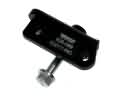 Toyota Alternator Bracket
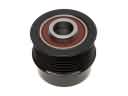 Toyota Alternator Pulley
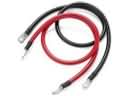 Toyota Battery Cable
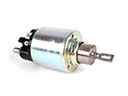 Toyota Starter Solenoid
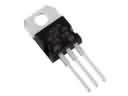 Toyota Voltage Regulator
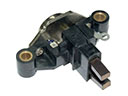 Toyota Alternator Brush
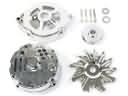 Toyota Alternator Case Kit
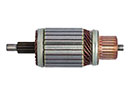 Toyota Armature
 Toyota Starter Brush
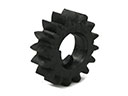 Toyota Starter Drive Gear
Browse Toyota Starter by Models
Tacoma 4Runner Camry Tundra Corolla RAV4 Highlander Sienna Land Cruiser Pickup FJ Cruiser 86 Sequoia T100 Avalon Celica Supra Yaris Matrix MR2 Solara Venza GR86 Echo C-HR Cressida Grand Highlander Paseo Previa Corolla Cross Corolla iM GR Corolla MR2 Spyder Starlet Tercel Van Yaris iA GR Supra RAV4 Prime