×
ToyotaParts- Hello
- Login or Register
- Quick Links
- Live Chat
- Track Order
- Parts Availability
- RMA
- Help Center
- Contact Us
- Shop for
- Toyota Parts
- Scion Parts
My Garage
My Account
Cart
OEM Toyota Armature
Car Armature- Select Vehicle by Model
- Select Vehicle by VIN
Select Vehicle by Model
orMake
Model
Year
Select Vehicle by VIN
For the most accurate results, select vehicle by your VIN (Vehicle Identification Number).
25 Armatures found
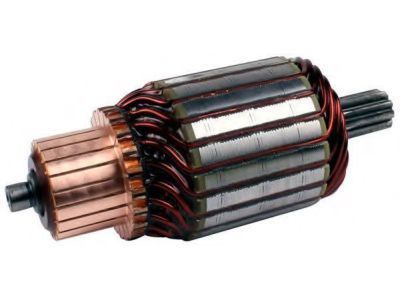
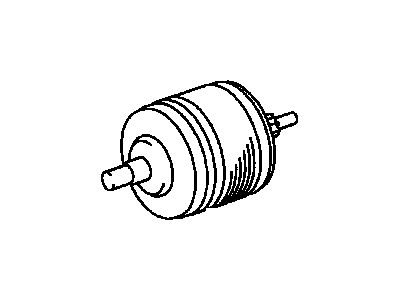
Toyota Armature Assembly, Starter Part Number: 28160-74070
$37.63 MSRP: $52.38You Save: $14.75 (29%)Ships in 1-3 Business DaysProduct Specifications- Replaces: 28160-03010
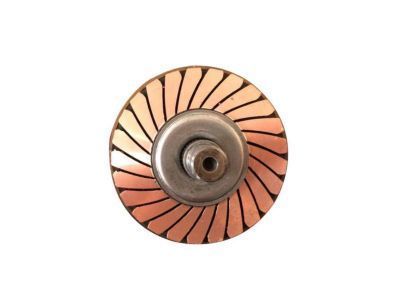
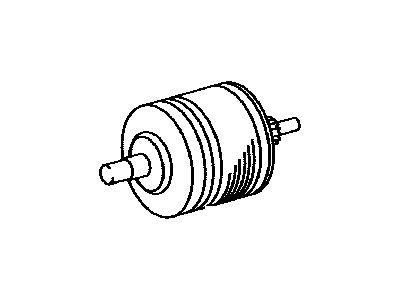
Toyota Armature Part Number: 28160-28040
$42.41 MSRP: $59.03You Save: $16.62 (29%)Ships in 1-2 Business DaysProduct Specifications- Other Name: Armature Assembly, Starter
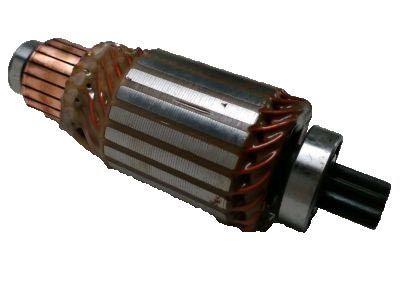
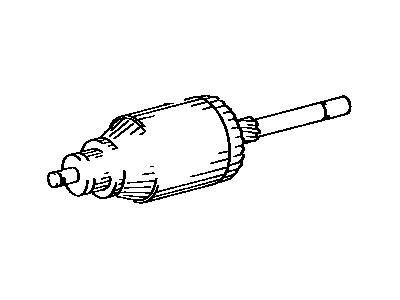
Toyota Armature Assembly, Starter Part Number: 28160-26071
$45.52 MSRP: $63.36You Save: $17.84 (29%)Ships in 1-3 Business DaysProduct Specifications- Replaces: 28160-01020, 28160-26070
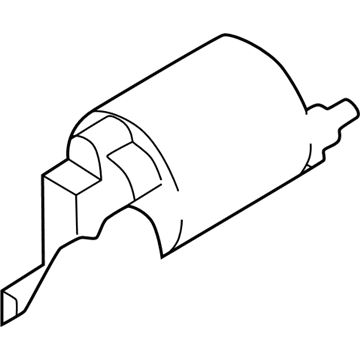
Toyota Armature Assembly, Starter Part Number: 28160-21060
$40.98 MSRP: $57.04You Save: $16.06 (29%)Ships in 1-3 Business Days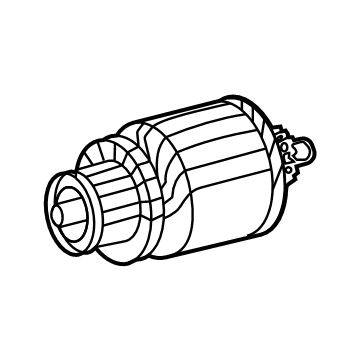
Toyota Armature Part Number: 28160-21100
$50.03 MSRP: $69.65You Save: $19.62 (29%)Ships in 1-3 Business DaysProduct Specifications- Other Name: Armature Assembly, Starter; Starter Armature
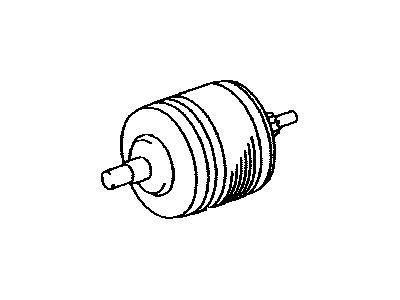
Toyota Armature Part Number: 28160-21070
$26.88 MSRP: $37.41You Save: $10.53 (29%)Ships in 1-3 Business DaysProduct Specifications- Other Name: Armature Assembly, Starter
- Manufacturer Note: WITHOUT(COLD AREA SPEC)
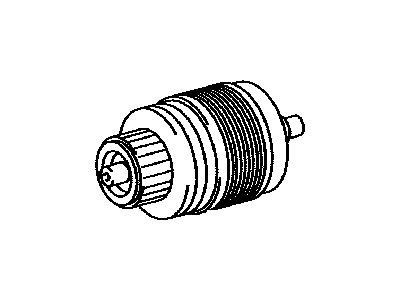
Toyota Armature Part Number: 28160-21080
$28.67 MSRP: $39.90You Save: $11.23 (29%)Ships in 1-3 Business DaysProduct Specifications- Other Name: Armature Assembly, Starter
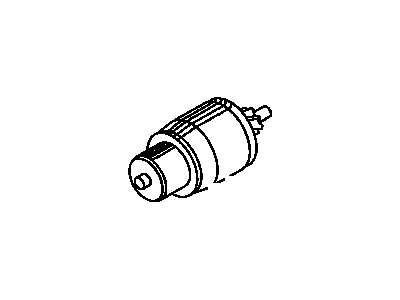
Toyota Armature Part Number: 28160-70021
$30.15 MSRP: $41.97You Save: $11.82 (29%)Ships in 1-3 Business DaysProduct Specifications- Other Name: Armature Assembly, Starter
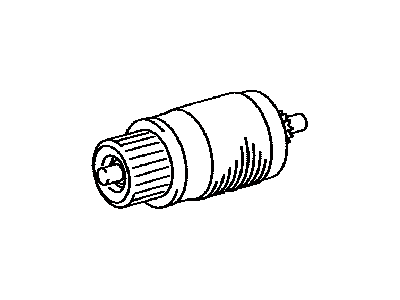
Toyota Armature Part Number: 28160-36110
$39.09 MSRP: $54.40You Save: $15.31 (29%)Ships in 1-3 Business DaysProduct Specifications- Other Name: Armature Assembly, Starter
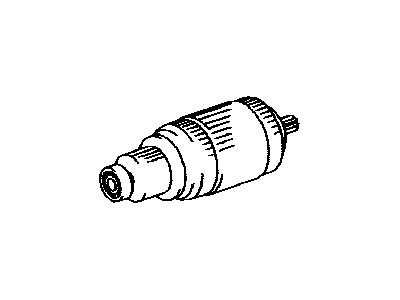
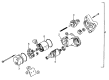
Toyota Armature Part Number: 28160-0S060
$41.45 MSRP: $57.70You Save: $16.25 (29%)Ships in 1-3 Business DaysProduct Specifications- Other Name: Armature Assembly, Starter
- Replaces: 28160-38070
Toyota Armature Part Number: 28160-76060
$42.29 MSRP: $58.86You Save: $16.57 (29%)Ships in 1-3 Business DaysProduct Specifications- Other Name: Armature Assembly, Starter
- Manufacturer Note: 12V 1.2KW
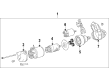
Toyota Armature Part Number: 28160-38020
$44.32 MSRP: $61.69You Save: $17.37 (29%)Ships in 1-3 Business DaysProduct Specifications- Other Name: Armature Assembly, Starter
- Manufacturer Note: COLD AREA SPEC
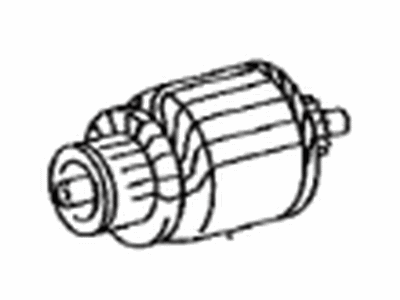
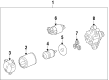
Toyota Armature Part Number: 28160-75210
$50.12 MSRP: $69.77You Save: $19.65 (29%)Ships in 1-3 Business DaysProduct Specifications- Other Name: Armature Assembly, Starter
- Replaces: 28160-37050
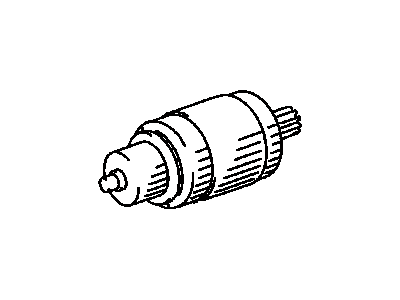
Toyota Armature Part Number: 28160-47040
$81.45 MSRP: $114.32You Save: $32.87 (29%)Ships in 1-3 Business DaysProduct Specifications- Other Name: Armature Assembly, Starter
- Manufacturer Note: 12V 2.5KW
Toyota Armature Assembly, Starter Part Number: 28160-54071
$96.97 MSRP: $136.12You Save: $39.15 (29%)Ships in 1-3 Business DaysProduct Specifications- Other Name: ARMATURE ASSY,STARTE
- Replaces: 28160-54070
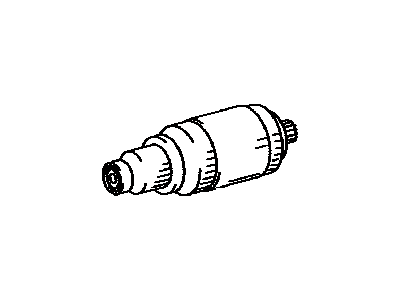
Toyota Armature Part Number: 28160-65031
$52.36 MSRP: $72.90You Save: $20.54 (29%)Product Specifications- Other Name: Armature Assembly, Starter
Toyota Armature Part Number: 28160-70050
$35.75 MSRP: $49.76You Save: $14.01 (29%)Product Specifications- Other Name: Armature Assembly, Starter
- Manufacturer Note: 12V 1.0KW
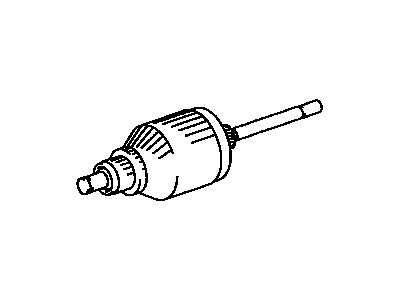
Toyota Armature Part Number: 28160-75120
$56.39 MSRP: $78.49You Save: $22.10 (29%)Product Specifications- Other Name: Armature Assembly, Starter
Toyota Armature Part Number: 28160-65030
Product Specifications- Other Name: Armature Assembly, Starter
Toyota Armature Part Number: 28160-26050
Product Specifications- Other Name: Armature Assembly, Starter
- Manufacturer Note: 12V 1.4KW
| Page 1 of 2 |Next >
1-20 of 25 Results
Toyota Armature
OEM parts deliver unmatched quality you can rely on. They pass extensive quality control inspections. Toyota produces them to the official factory specifications. This process helps prevent defects and imperfections. So you can get exceptional lifespan and a flawless fit. Need new OEM Toyota Armature? You'll love our wide selection of genuine options. Shop in minutes and skip the hunt. Our prices are unbeatable, you'll save time and money. It's easy to shop and find the right piece. Our committed customer service team gives professional help from start to finish. Every part includes a manufacturer's warranty. We ship quickly, your parts will arrive fast at your door.
The Toyota Armature converts the electrical energy into the rotation which activates engine in a quick and consistent manner. Toyota started in Japan in 1937 and has become known to practice lean production which reduces waste whilst increasing quality, a system that allows the prices to remain fair and maintains the cars to be reliable. The TNGA platform enabled Toyota to enhance their body stiffness, safety ratings, and cornering feel which provided drivers with confidence when on the city roads and even on twisting highways. The Hybrid Synergy Drive keeps the fuel bills down and emissions cleaner and the new plug in models like the RAV4 Plug-in Hybrid extend the electric range to 42 miles, indicating that Toyota vehicles are not hard to have confidence in in all climates. Long service life and successful durability offerings makes Toyota vehicles easy to trust in all climates. An Armature is the rotating core within the starter motor, and its windings of copper contact with the magnetic field, thus generating the torque that cranks the engine. The battery should be disconnected before installing the new Armature and then the starter in the engine bay must be loosened and lifted. Wipe the housing, fit bearings, and apply a thin layer of authorized grease. Insert the Armature into the field frame and ensure the bearings fit into the frame and ensure the commutator is rested against the brushes and not pushed too hard. Install thrust washers, use secure end caps and tighten all bolts evenly. Check free rotation, reconnect electrical leads, install starter, re-establish battery power and turn the key to ensure smooth and fast engagement.