×
ToyotaParts- Hello
- Login or Register
- Quick Links
- Live Chat
- Track Order
- Parts Availability
- RMA
- Help Center
- Contact Us
- Shop for
- Toyota Parts
- Scion Parts
My Garage
My Account
Cart
OEM Toyota Vapor Canister
Fuel Vapor Canister- Select Vehicle by Model
- Select Vehicle by VIN
Select Vehicle by Model
orMake
Model
Year
Select Vehicle by VIN
For the most accurate results, select vehicle by your VIN (Vehicle Identification Number).
189 Vapor Canisters found
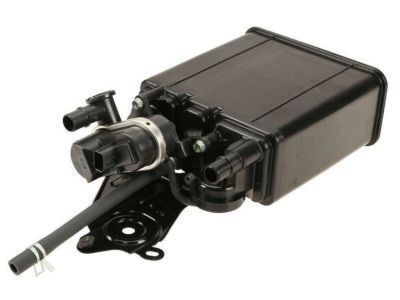
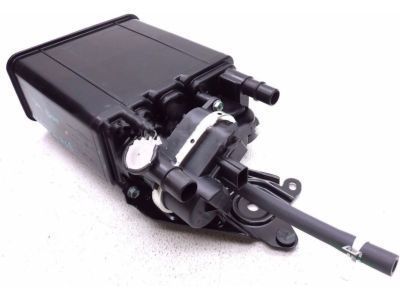
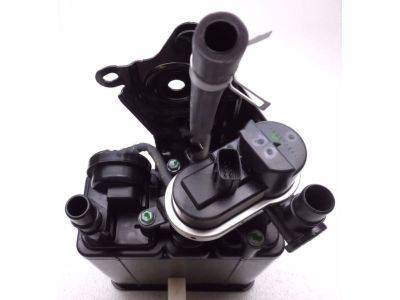
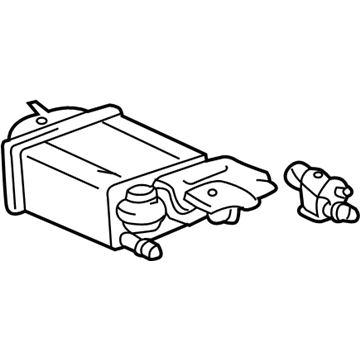
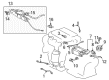
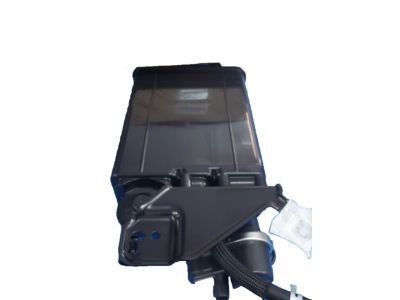
Toyota Vapor Canister Part Number: 77740-07020
$230.54 MSRP: $329.16You Save: $98.62 (30%)Ships in 1-3 Business DaysProduct Specifications- Other Name: Canister Assembly, Charcoal
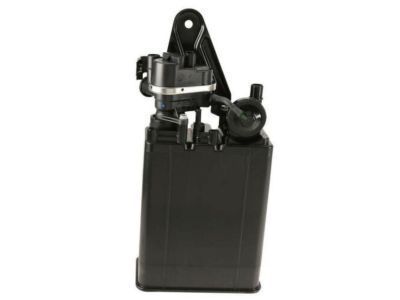
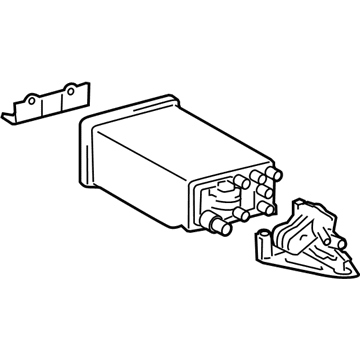
Toyota Vapor Canister Part Number: 77740-04020
$268.75 MSRP: $383.72You Save: $114.97 (30%)Ships in 1-3 Business DaysProduct Specifications- Other Name: Canister Assembly, Charcoal
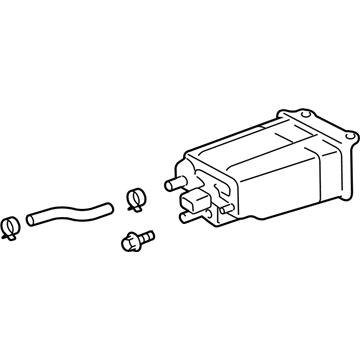
Toyota Canister Assembly, Charcoal Part Number: 77740-35511
$362.39 MSRP: $531.09You Save: $168.70 (32%)Ships in 1-3 Business DaysProduct Specifications- Other Name: Vapor Canister
- Manufacturer Note: PNC 11298B=MARK 7A
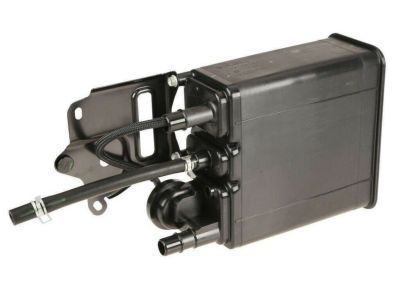
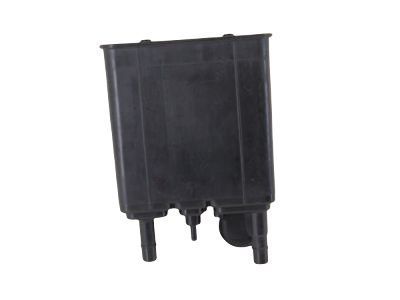
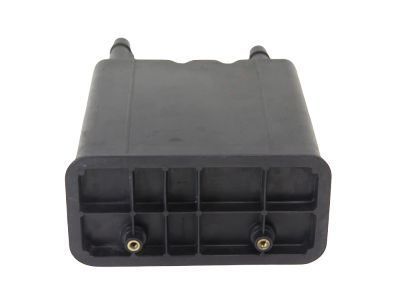
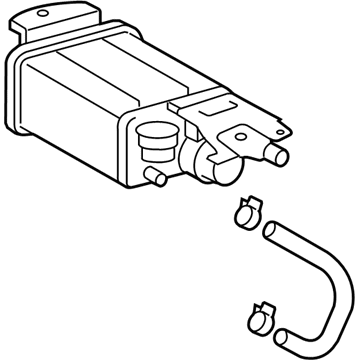
Toyota Vapor Canister Part Number: 77740-06210
$237.53 MSRP: $339.14You Save: $101.61 (30%)Ships in 1-2 Business DaysProduct Specifications- Other Name: Canister Assembly, Charcoal
- Manufacturer Note: CALIFORNIA SPEC
- Replaces: 77740-33180
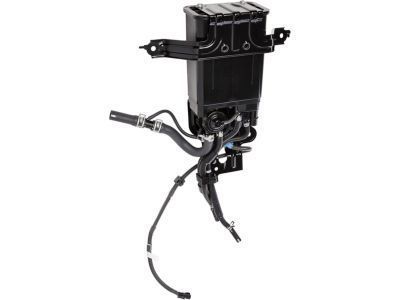
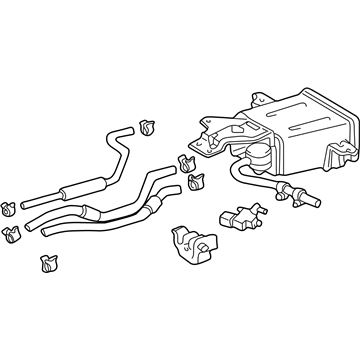
Toyota Vapor Canister Part Number: 77740-35482
$355.47 MSRP: $520.95You Save: $165.48 (32%)Ships in 1-2 Business DaysProduct Specifications- Other Name: Canister Assembly, Charcoal
- Replaces: 77740-35481
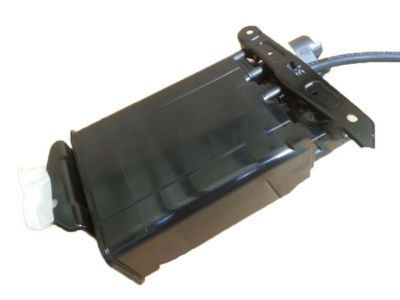
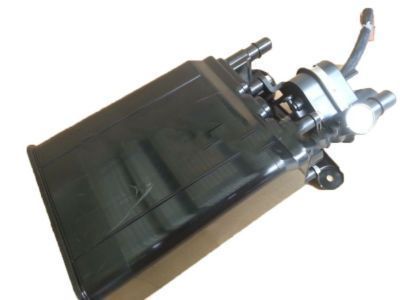
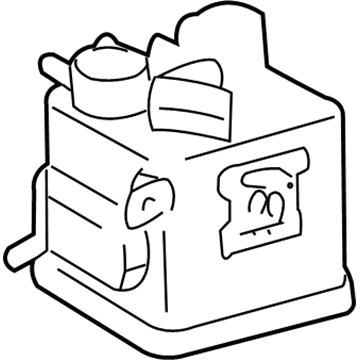
Toyota Canister Assembly, Charcoal Part Number: 77740-60450
$733.09 MSRP: $1074.35You Save: $341.26 (32%)Ships in 1-3 Business DaysProduct Specifications- Other Name: Vapor Canister
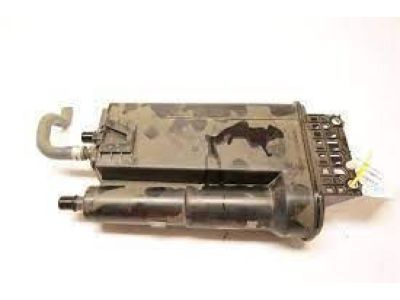
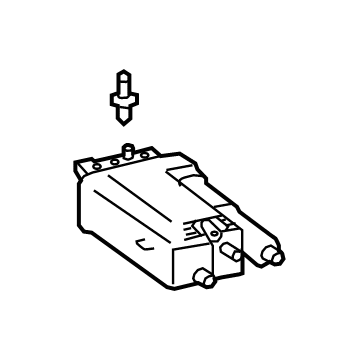
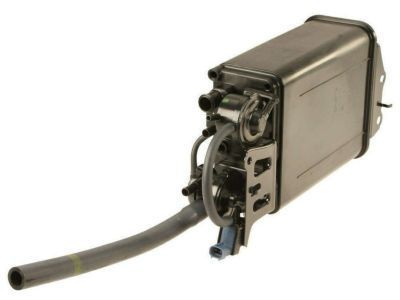
Toyota Canister Assembly, Charcoal Part Number: 77740-06230
$335.86 MSRP: $479.53You Save: $143.67 (30%)Ships in 1-2 Business DaysProduct Specifications- Other Name: Vapor Canister
- Replaces: 77740-33220
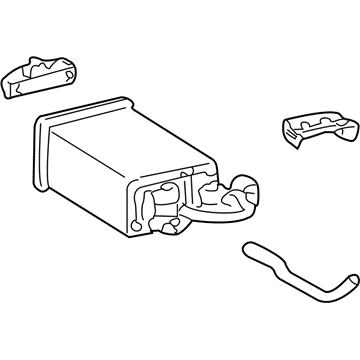
Toyota Vapor Canister Part Number: 77740-0C011
$224.83 MSRP: $321.01You Save: $96.18 (30%)Ships in 1-2 Business DaysProduct Specifications- Other Name: Canister Assembly, Charcoal
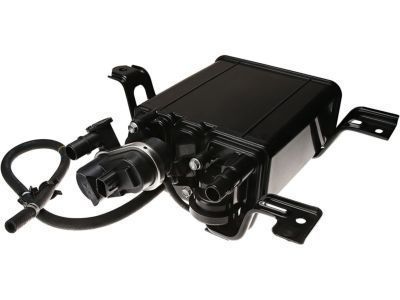
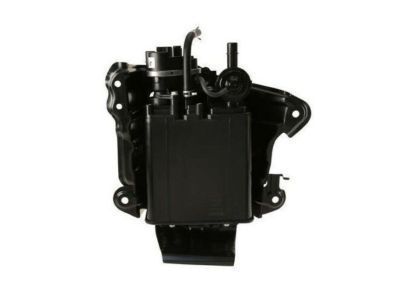
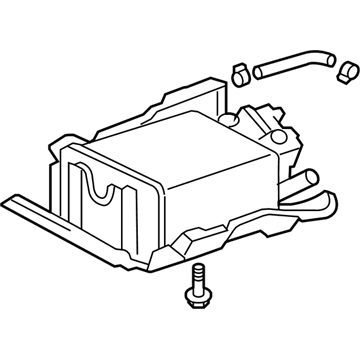
Toyota Vapor Canister Part Number: 77740-0R010
$584.40 MSRP: $856.45You Save: $272.05 (32%)Ships in 1-3 Business DaysProduct Specifications- Other Name: Canister Assembly, Charcoal
- Replaces: 77740-42090
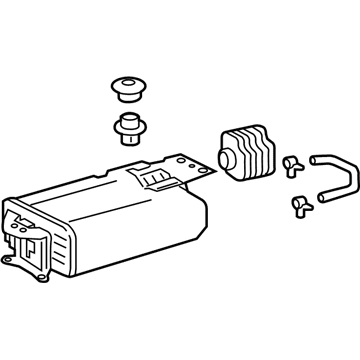
Toyota Vapor Canister Part Number: 77740-0E080
$416.99 MSRP: $611.10You Save: $194.11 (32%)Ships in 1-2 Business DaysProduct Specifications- Other Name: Canister Assembly, Charcoal
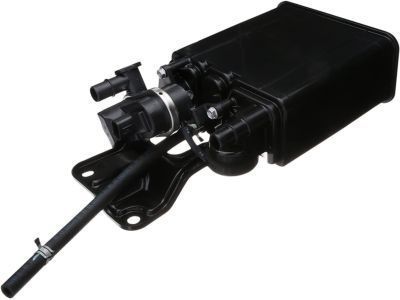
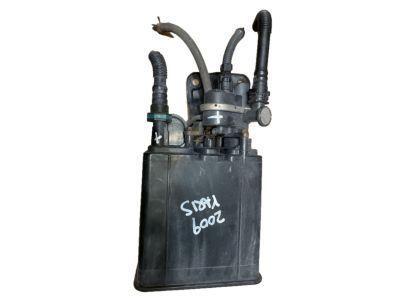
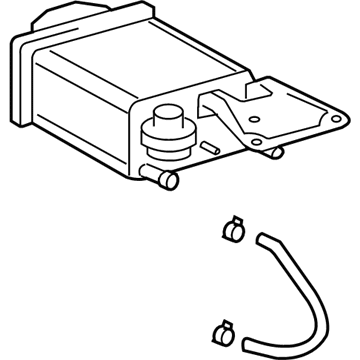
Toyota Vapor Canister Part Number: 77740-52090
$531.17 MSRP: $778.43You Save: $247.26 (32%)Ships in 1-3 Business DaysProduct Specifications- Other Name: Canister Assembly, Charcoal
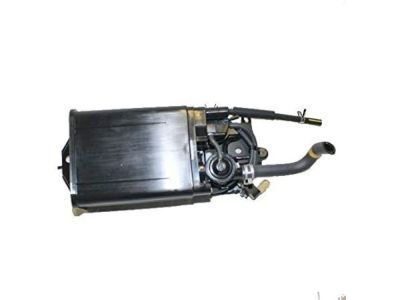
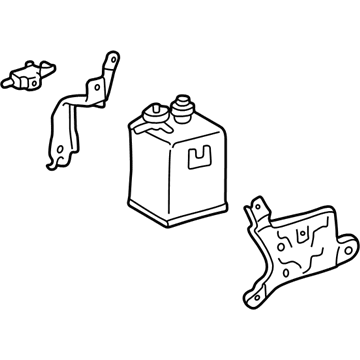
Toyota Vapor Canister Part Number: 77740-06170
$249.07 MSRP: $355.61You Save: $106.54 (30%)Ships in 1-2 Business DaysProduct Specifications- Other Name: Canister Assembly, Charcoal
- Replaces: 77740-06102, 77740-06100, 77740-06101
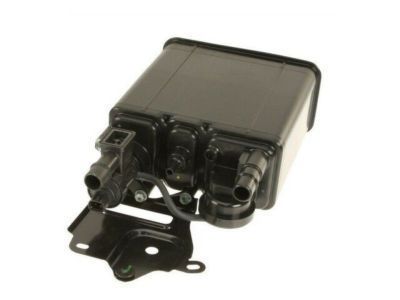
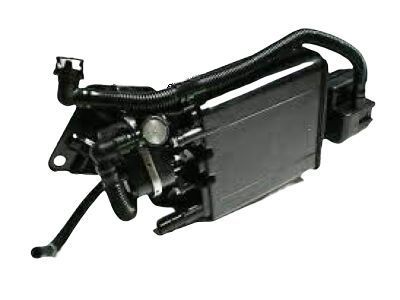
Toyota Canister Assembly, Charcoal Part Number: 77740-06160
$271.43 MSRP: $387.55You Save: $116.12 (30%)Ships in 1-3 Business DaysProduct Specifications- Other Name: Vapor Canister
- Replaces: 77740-33150
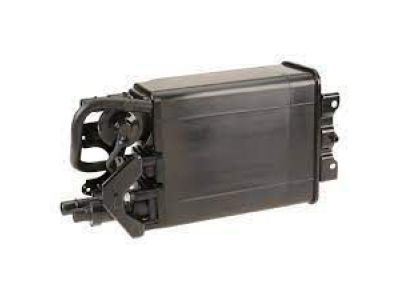
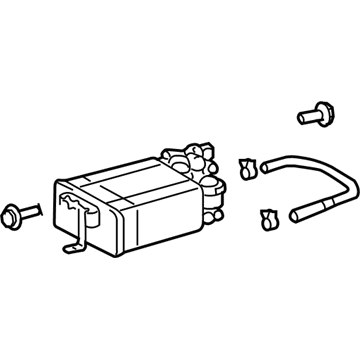
Toyota Vapor Canister Part Number: 77740-48100
$388.05 MSRP: $568.68You Save: $180.63 (32%)Ships in 1-3 Business DaysProduct Specifications- Other Name: Canister Assembly, Charcoal
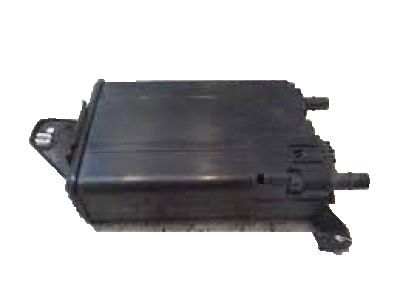
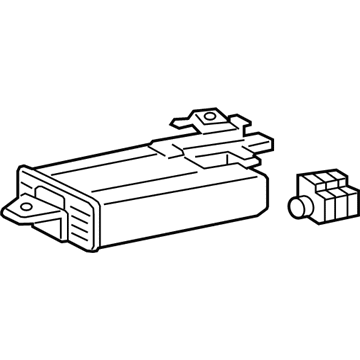
Toyota Vapor Canister Part Number: 77740-08070
$502.11 MSRP: $735.86You Save: $233.75 (32%)Ships in 1-3 Business DaysProduct Specifications- Other Name: Canister Assembly, Charcoal
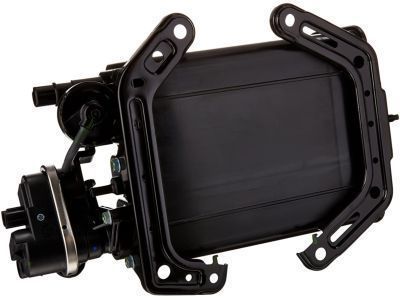
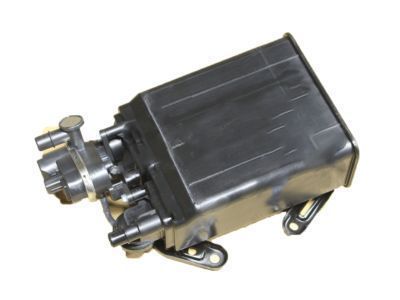
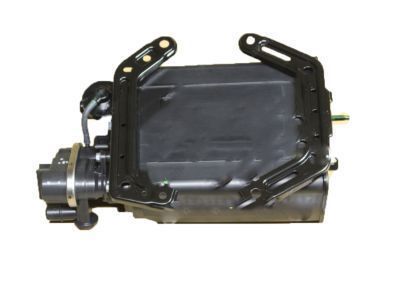
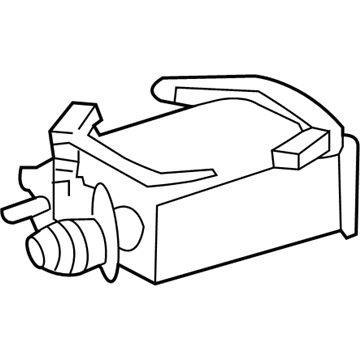
Toyota Vapor Canister Part Number: 77740-0C050
$591.89 MSRP: $867.42You Save: $275.53 (32%)Ships in 1-3 Business DaysProduct Specifications- Other Name: Canister Assembly, Charcoal
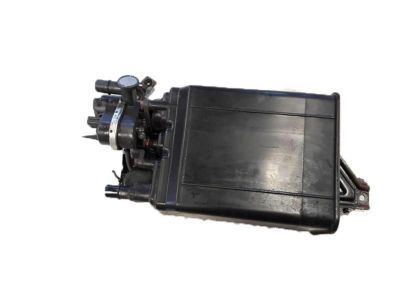
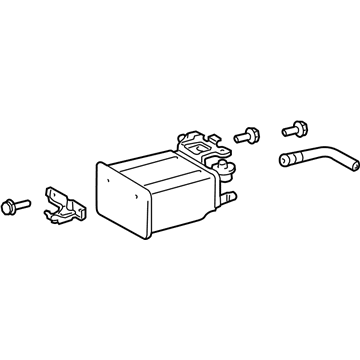
Toyota Vapor Canister Part Number: 77740-08060
$658.40 MSRP: $964.90You Save: $306.50 (32%)Product Specifications- Other Name: Canister Assembly, Charcoal
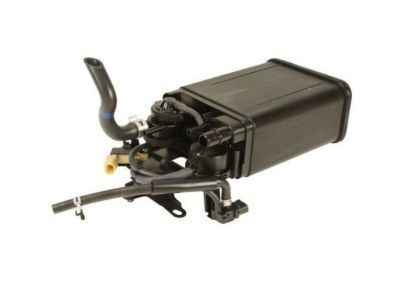
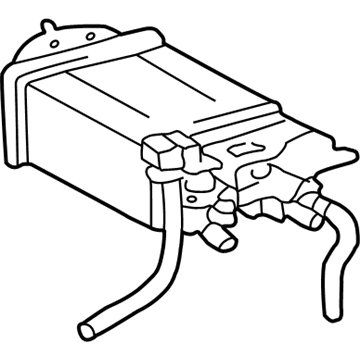
Toyota Vapor Canister Part Number: 77740-06111
$248.02 MSRP: $354.11You Save: $106.09 (30%)Ships in 1-2 Business DaysProduct Specifications- Other Name: Canister Assembly, Charcoal
- Replaces: 77740-33130, 77740-06110, 77740-33131
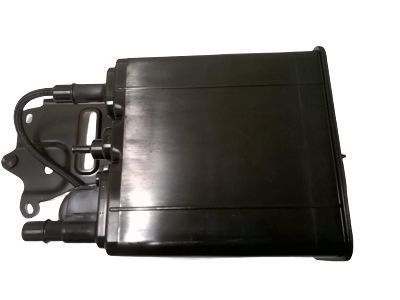
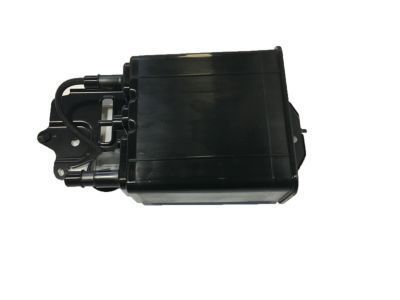
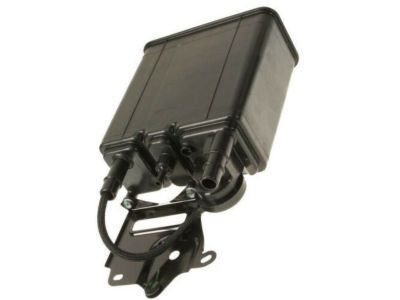
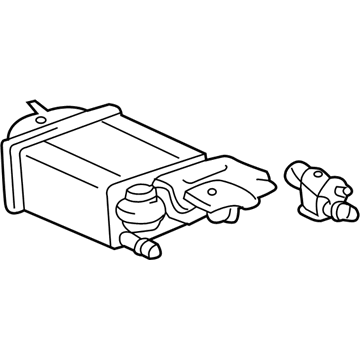
Toyota Vapor Canister Part Number: 77740-06141
$276.56 MSRP: $394.86You Save: $118.30 (30%)Ships in 1-2 Business DaysProduct Specifications- Other Name: Canister Assembly, Charcoal
- Manufacturer Note: CALIFORNIA SPEC
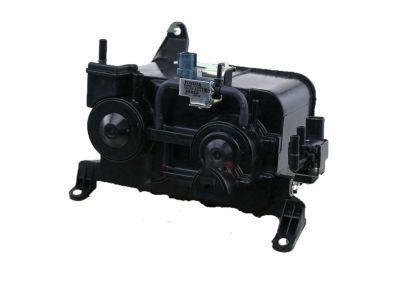
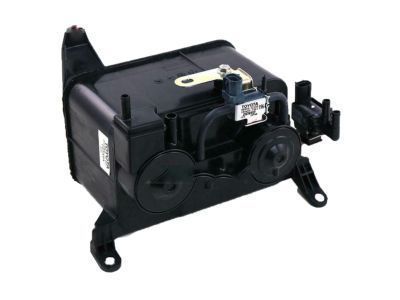
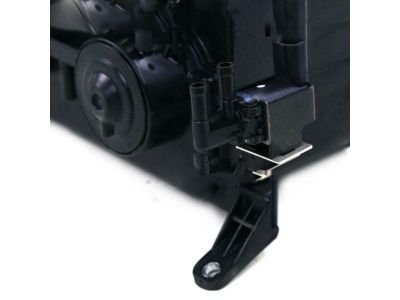
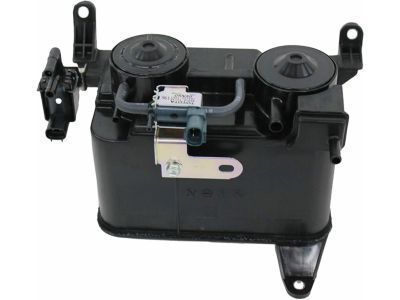
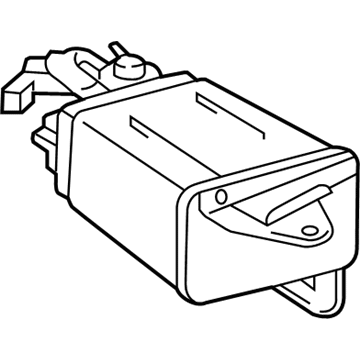
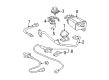
Toyota Vapor Canister Part Number: 77740-35392
$249.88 MSRP: $356.77You Save: $106.89 (30%)Product Specifications- Other Name: Canister Assembly, Charcoal
- Replaces: 77740-35391, 77740-35381, 77740-35380, 77740-35390
| Page 1 of 10 |Next >
1-20 of 189 Results
Toyota Vapor Canister
OEM parts deliver unmatched quality you can rely on. They pass extensive quality control inspections. Toyota produces them to the official factory specifications. This process helps prevent defects and imperfections. So you can get exceptional lifespan and a flawless fit. Need new OEM Toyota Vapor Canister? You'll love our wide selection of genuine options. Shop in minutes and skip the hunt. Our prices are unbeatable, you'll save time and money. It's easy to shop and find the right piece. Our committed customer service team gives professional help from start to finish. Every part includes a manufacturer's warranty. We ship quickly, your parts will arrive fast at your door.
Toyota Vapor Canister contains the vapors of fuel prior to their escape that cuts odors and enhances clean running. Toyota expanded from a skinny 1937 start-up into a world standard bearer by crushing waste and rewarding quick fixes. Customers who choose Toyota are attracted to hybrid models because it is a relaxing experience to drive around and it is economical and connected despite changing the clock. Toyota continues to introduce the TNGA platform, rigidified body structure, sharper steering, and occupant protection without adding on the excess fat. Toyota also takes range, allowing the recent plug-in powertrains to run errands on electricity without the engine ever breaking a slumber. The hybrid synergy drive is now updated to provide a seamless combination of battery and engine power that commuters can barely feel the change. The kaizen culture of the firm also manifests itself in the tightness in the inter-panels, long-lasting interior, and sales value that seems to withstand ten years of heavy usage. Within the evaporative emissions system, the Vapor Canister activates charcoal that absorbs the gasoline fumes whenever the tank heats or sloshes and releases them until the engine opens a purge valve, allowing it to burn all the remnants rather than release them to the air. A broken Vapor Canister may spill vapors, cause rough start-ups, and coat garages with an unadaptable odor of fuel. The vast majority of drivers do not go through the tiresome step of disassembling and simply screw in a new Vapor Canister to ensure sealed integrity. Due to the fact that the Vapor Canister has long-lasting charcoal that has a plastic cover, wear tends to creep in via road grit and age, so it is often prudent to have it periodically inspected.
Toyota Vapor Canister Parts and Q&A
- Q:How to Diagnose and Replace the Vapor Canister in the EVAP System on a Toyota Celica?A:The vapors produced by fuel here are generally a result of fuel storage in the fuel tank, fuel collection in the carburetor and as a fuel supply system in the intake manifold; this system ensures that these hydrocarbon emissions do not escape to the atmosphere. The EVAP system comprises of a canister with charcoal, EVAP hoses linking the canister to the fuel tank and a thermo switch or an ECM controlled solenoid valve. Under non-driving condition, fuel vapors are stored in the canister and when the engine is running then intake airflow purges these vapors and burns them. In some models, it directly commands a solenoid valve that manipulates vacuum to the purge valve situated in the canister, it turns the valve off under cold engine conditions and shuts it when the engine is warm. Functions such as idle, stalling, driveability problems are signs that may be occasioned by a bad purge valve, a damaged canister or even contaminated hoses. Symptoms of fuel depletion or smell may be fuel line leakage or a canister failure. It is recommended that each of the hoses should be checked for kinks; free from leaks and cracks and if not, the should be repaired or replaced accordingly. An analysis of the canister should also be done with emphasis being put on the fact that if it leaks, it should be replaced as well as the hoses. However, for further testing a dealer service department should be consulted. The air cleaner assembly needs to be taken off for replacement of the charcoal canister; negative battery cable should be disconnected along with unplugging solenoid electrical connectors and vacuum hoses labeled and disconnected. While dismantling, the mounting clamp screw is unscrewed first, followed by the lifting of the canister out of the mounting area; conversely, installation begins with the former while the latter ends with the former.
- Q:What Is the Function of the Vapor Canister in the EVAP System and How to Replace It on a Toyota Corolla?A:The fuel evaporative emissions control (EVAP) system absorbs fuel vapors and releases them into the engine intake during operation, where they mix with the incoming air-fuel mixture. The charcoal canister, located behind the fuel tank under the vehicle, stores fuel vapors when the engine is not running, transferring them from the fuel tank, throttle body, and intake manifold. When the engine operates, the purge control valve purges these vapors for combustion, with the electronic valve controlled by the PCM. A two-way valve on the fuel filler cap vents vapors to the atmosphere if the EVAP system fails, while a vapor pressure sensor detects abnormal pressure in the system, mounted in the fuel pump/sending unit assembly atop the fuel tank. After the engine warms to a preset temperature, the vacuum switching valve opens, allowing intake manifold vacuum to draw vapors from the canister for combustion. The fuel tank vapor pressure sensor monitors pressure changes, opening a vacuum switching valve when a preset threshold is exceeded, allowing vapors into the canister. Some models feature multiple vacuum switching valves and a timer in the PCM to check for fuel vapor leakage after the vehicle is turned off. For replacement, disconnect the negative battery terminal, raise the rear of the vehicle securely on jackstands, unplug electrical connectors, label and disconnect vent hoses to the charcoal canister, remove bolts, and separate the canister from the vehicle, with installation being the reverse of removal.
Related Toyota Parts
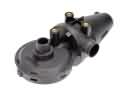 Toyota PCV Valve
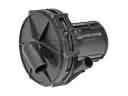 Toyota Air Injection Pump
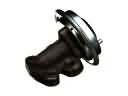 Toyota EGR Valve
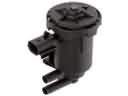 Toyota Canister Purge Valve
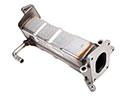 Toyota EGR Cooler
 Toyota Exhaust Heat Shield
 Toyota Exhaust Pipe
 Toyota Vapor Pressure Sensor
 Toyota Air Pump Check Valve
 Toyota Diverter Valve
 Toyota EGR Tube
 Toyota EGR Valve Gasket
Browse Toyota Vapor Canister by Models
Tacoma 4Runner Camry Tundra Corolla RAV4 Highlander Prius Sienna Land Cruiser Pickup FJ Cruiser 86 Sequoia T100 Avalon Celica Supra Yaris Matrix MR2 Solara Venza GR86 Echo C-HR Cressida Grand Highlander Paseo Previa Prius C Prius Prime Corolla Cross Corolla iM Crown Crown Signia GR Corolla MR2 Spyder Prius V Starlet Tercel Yaris iA Prius Plug-In Prius AWD-e RAV4 Prime