×
ToyotaParts- Hello
- Login or Register
- Quick Links
- Live Chat
- Track Order
- Parts Availability
- RMA
- Help Center
- Contact Us
- Shop for
- Toyota Parts
- Scion Parts
My Garage
My Account
Cart
OEM Toyota Exhaust Hanger
Exhaust Tail Pipe Hanger- Select Vehicle by Model
- Select Vehicle by VIN
Select Vehicle by Model
orMake
Model
Year
Select Vehicle by VIN
For the most accurate results, select vehicle by your VIN (Vehicle Identification Number).
201 Exhaust Hangers found
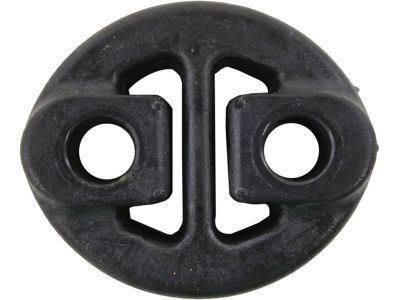
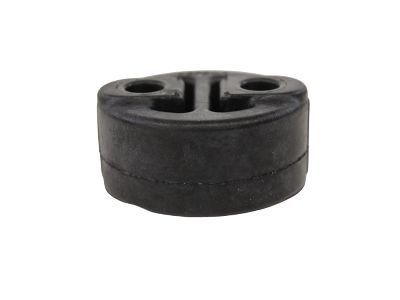
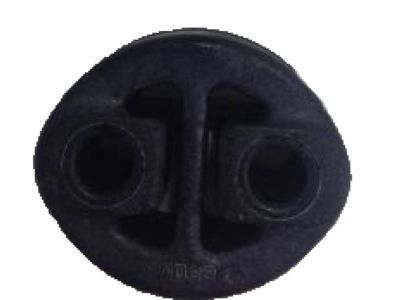
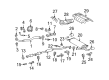
Toyota Muffler Hanger Part Number: 17565-0P041
$17.08 MSRP: $23.77You Save: $6.69 (29%)Ships in 1-2 Business DaysProduct Specifications- Other Name: Support, Exhaust Pip; System Hanger, Center Front; Muffler Bracket Insulator; System Hanger, Rear; Hook Hanger; Muffler Support; Catalytic Converter Hanger; Exhaust Pipe Insulator & Support.
- Replaces: 17565-22040, 17565-0P040, 17562-21021
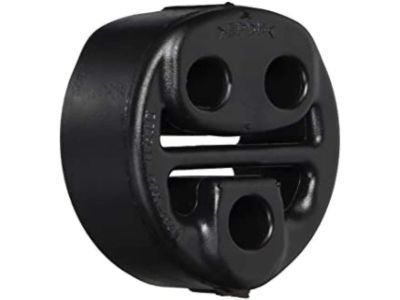
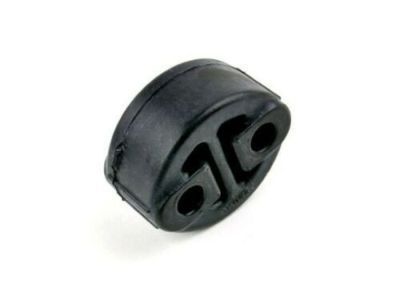
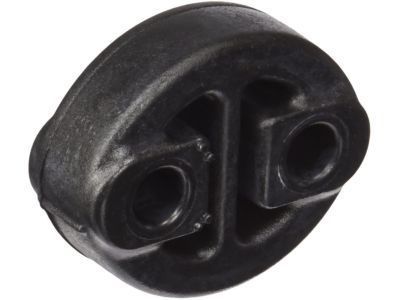
Toyota Exhaust Pipe Hanger Part Number: 17565-0S011
$17.08 MSRP: $23.77You Save: $6.69 (29%)Ships in 1-3 Business DaysProduct Specifications- Other Name: Support, Exhaust Pip; System Hanger, Center, Front, Rear; Muffler Strap; Insulator; Hanger; Muffler Hanger; Tailpipe Hanger; Front Hanger; Exhaust Pipe Support.
- Replaces: 17565-0S010, 17565-0P240, 17565-0L090, 17565-0T040, 17565-0L080, 17565-28010, 17565-0L070
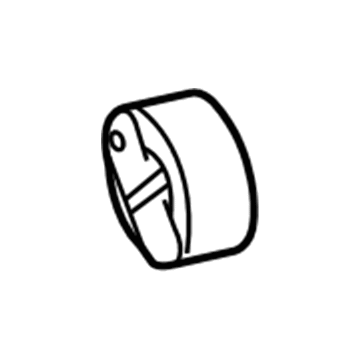
Toyota Muffler Hanger, Center Part Number: 17565-0P051
$16.48 MSRP: $22.94You Save: $6.46 (29%)Ships in 1-3 Business DaysProduct Specifications- Other Name: Support, Exhaust Pip; Exhaust System Hanger, Center, Front; Muffler Hanger Strap; Exhaust Insulator; Exhaust Hanger; Muffler Support, Insulator, Isolator, Rear/Front Hanger, Exhaust Pipe Support.
- Manufacturer Note: NO.2
- Position: Center
- Replaces: 17565-0P050
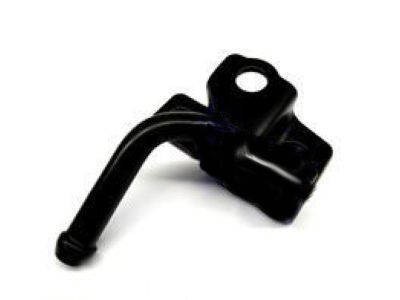
Toyota Bracket, Exhaust Pipe Support, Rear Driver Side Part Number: 17575-0P200
$19.35 MSRP: $26.93You Save: $7.58 (29%)Ships in 1-3 Business DaysProduct Specifications- Other Name: Bracket, Exhaust Pipe; Muffler Hanger Strap; Exhaust Bracket; Exhaust Hanger
- Position: Rear Driver Side
- Replaces: 17575-31160
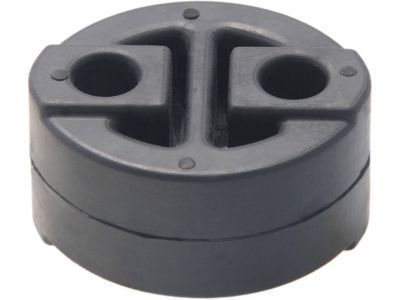
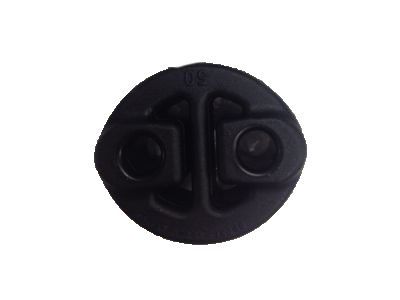

Toyota Muffler & Pipe Rubber Mount Part Number: 17565-46040
$24.37 MSRP: $33.92You Save: $9.55 (29%)Ships in 1-3 Business DaysProduct Specifications- Other Name: Support, Exhaust Pip; Exhaust System Hanger; Muffler Hanger Strap; Exhaust Insulator; Exhaust Hanger; Hanger Rubber Mount; Front Insulator; Support; Hanger; Support, Exhaust Pipe
- Replaces: 17565-50100
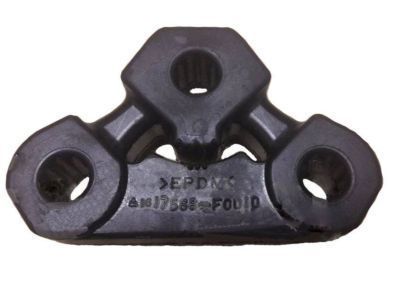
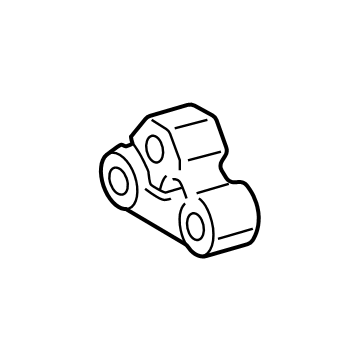
Toyota Muffler Insulator, Rear Part Number: 17566-F0010
$26.16 MSRP: $36.41You Save: $10.25 (29%)Ships in 1-3 Business DaysProduct Specifications- Other Name: Support, Exhaust Pip; Exhaust System Hanger, Rear; Muffler Hanger Strap; Exhaust Insulator; Exhaust Hanger; Rear Muffler Rear Support; Muffler & Pipe Insulator; Hanger; Exhaust Pipe Support.
- Manufacturer Note: NO.3
- Position: Rear
- Replaces: 17566-25010
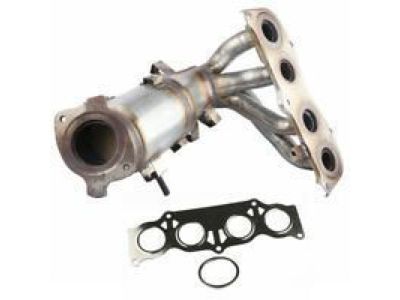
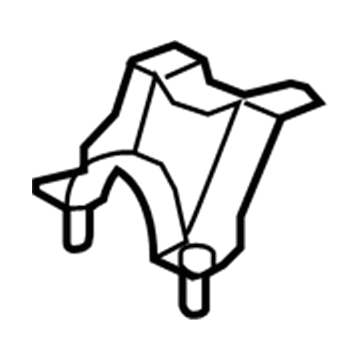
Toyota Front Pipe Front Bracket, Upper Part Number: 17571-0H010
$30.70 MSRP: $42.73You Save: $12.03 (29%)Ships in 1 Business DayProduct Specifications- Other Name: Bracket, Exhaust Pipe; Catalytic Converter Bracket, Front Upper; Exhaust Manifold Bracket; Exhaust Hanger; Bracket, Exhaust Pipe Support
- Manufacturer Note: (L)
- Position: Front Upper
- Replaces: 17571-28080
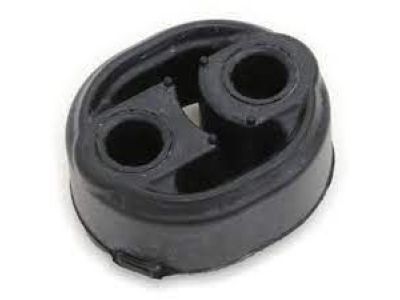
Toyota Exhaust Pipe Hanger Part Number: 17565-47010
$9.43 MSRP: $13.12You Save: $3.69 (29%)Ships in 1-2 Business DaysProduct Specifications- Other Name: Support, Exhaust Pip; Exhaust System Hanger; Muffler Hanger Strap; Exhaust Insulator; Exhaust Hanger; Muffler & Pipe Insulator; Muffler & Pipe Hanger; Front Pipe Insulator; Support, Exhaust Pipe
- Replaces: 17565-0Q030, 17565-40010
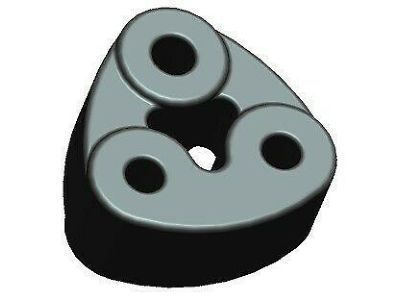
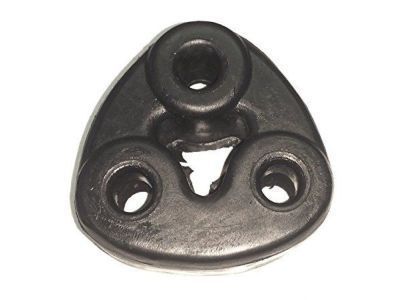
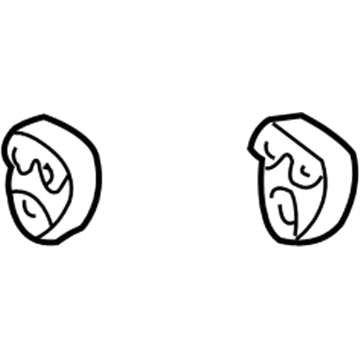
Toyota Hanger Part Number: 17565-13030
$13.13 MSRP: $18.28You Save: $5.15 (29%)Ships in 1-3 Business DaysProduct Specifications- Other Name: Support, Exhaust Pip; Exhaust System Hanger; Exhaust Hanger; Support, Exhaust Pipe
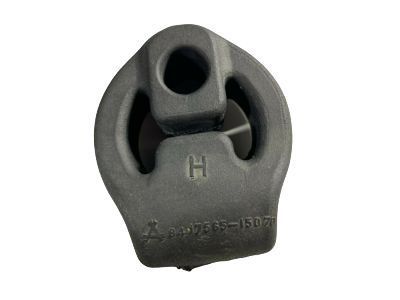
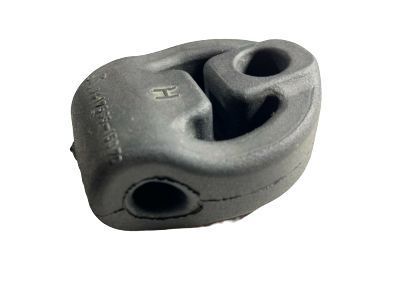
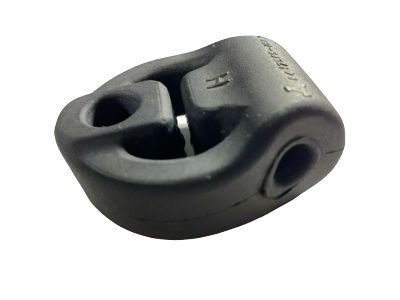
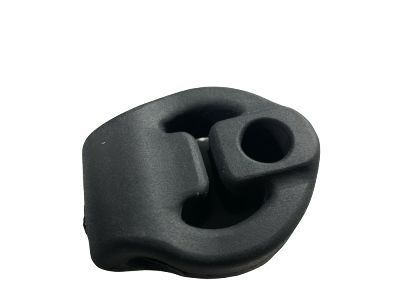

Toyota Muffler & Pipe Rubber Mount Part Number: 17565-15070
$13.49 MSRP: $18.78You Save: $5.29 (29%)Product Specifications- Other Name: Support, Exhaust Pip; Exhaust System Hanger; Muffler Hanger Strap; Exhaust Insulator; Exhaust Hanger; Support, Exhaust Pipe
- Replaces: 17565-01090
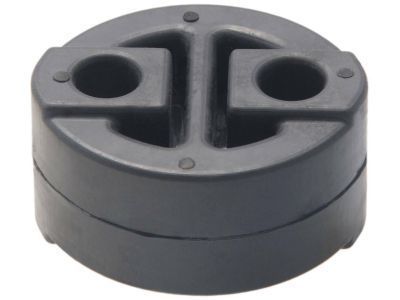
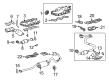
Toyota Muffler & Pipe Insulator, Center Part Number: 17565-74280
$13.49 MSRP: $18.78You Save: $5.29 (29%)Product Specifications- Other Name: Support, Exhaust Pip; System Hanger; Muffler Strap; Insulator; Bracket; Hanger; Muffler W/Tpipe Hanger; Muffler & Pipe Hanger; Hanger; Support, Exhaust Pipe
- Manufacturer Note: NO.2
- Position: Center
- Replaces: 17565-07050, 17565-0M010
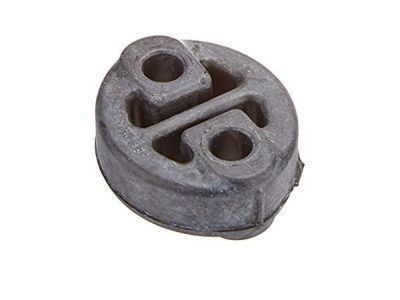
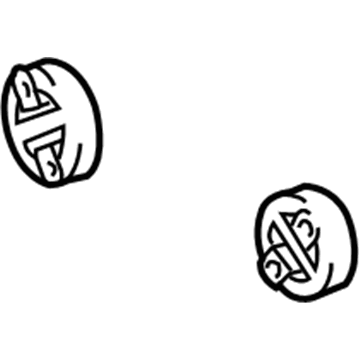
Toyota Exhaust Pipe Hanger, Front Part Number: 17565-0P031
$14.45 MSRP: $20.11You Save: $5.66 (29%)Ships in 1-2 Business DaysProduct Specifications- Other Name: Support, Exhaust Pip; System Hanger, Front; Mount Bushing; Muffler Hanger Strap; Insulator; Muffler Hanger; Tailpipe Hanger; Rear Insulator; Converter & Pipe Support; Exhaust Pipe Hanger.
- Manufacturer Note: NO.1
- Position: Front
- Replaces: 17565-0P030, 17565-22030, 17565-21030
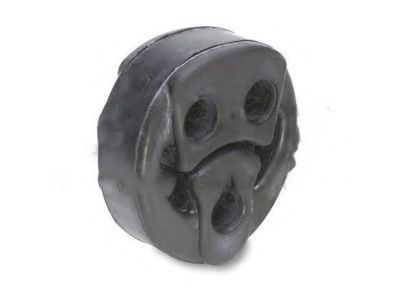
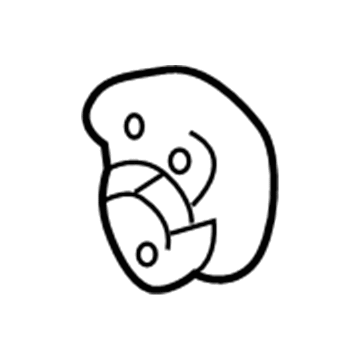
Toyota Converter Hanger, Front Part Number: 17561-74110
$14.45 MSRP: $20.11You Save: $5.66 (29%)Ships in 1-2 Business DaysProduct Specifications- Other Name: Support, Exhaust Pip; Exhaust System Hanger; Exhaust Hanger; Hanger; Support, Exhaust Pipe
- Manufacturer Note: FRONT
- Position: Front
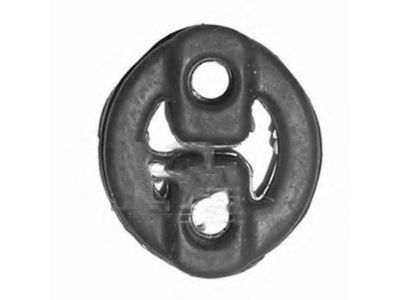
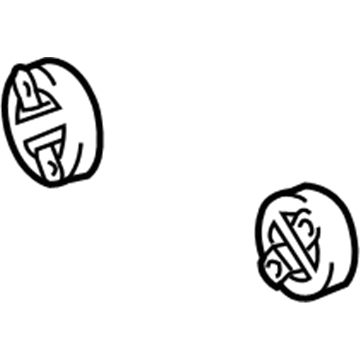
Toyota Rear Insulator, Front Part Number: 17565-15140
$15.52 MSRP: $21.61You Save: $6.09 (29%)Ships in 1-2 Business DaysProduct Specifications- Other Name: Support, Exhaust Pip; Exhaust System Hanger; Exhaust Insulator; Exhaust Hanger; Front Insulator; Hanger; Support, Exhaust Pipe
- Position: Front
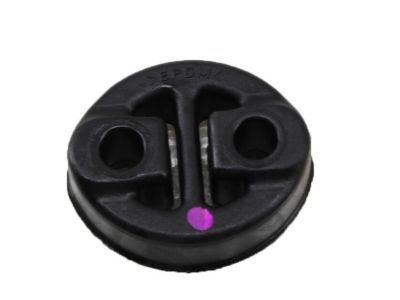
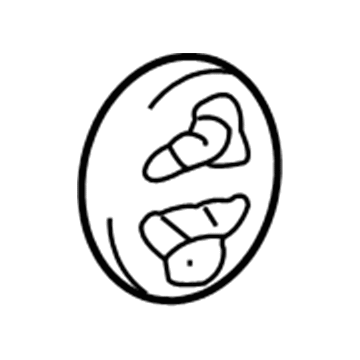
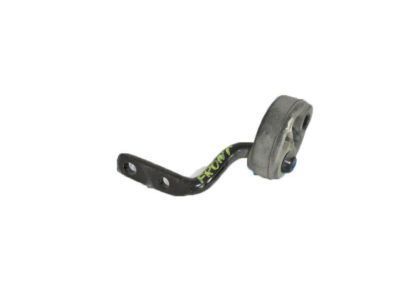
Toyota Muffler & Pipe Hanger Part Number: 17565-55050
$15.88 MSRP: $22.11You Save: $6.23 (29%)Ships in 1-2 Business DaysProduct Specifications- Other Name: Support, Exhaust Pip; Exhaust System Hanger; Muffler Hanger Strap; Exhaust Hanger; Hanger; Support, Exhaust Pipe
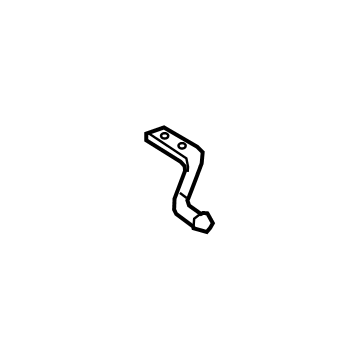
Toyota Muffler Hanger, Front Passenger Side Part Number: 17576-0P110
$16.84 MSRP: $23.44You Save: $6.60 (29%)Ships in 1-3 Business DaysProduct Specifications- Other Name: Bracket, Exhaust Pipe; Exhaust System Hanger Bracket, Front, Front Right; Muffler Hanger Strap; Exhaust Hanger; Rear Muffler Front Bracket; Rear Muffler Hanger; Bracket, Exhaust Pipe Support
- Position: Front Passenger Side
- Replaces: 17576-31110
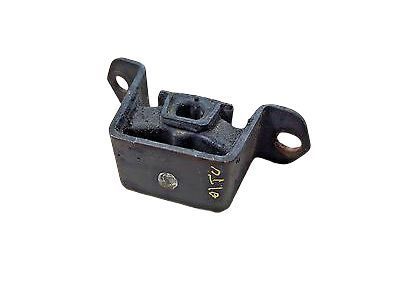
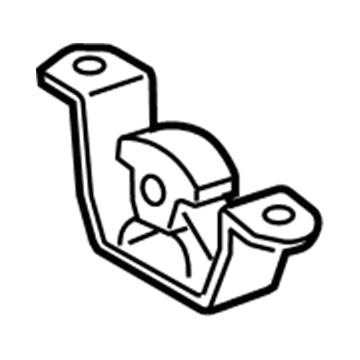
Toyota Mount Bracket Part Number: 17572-0H020
$17.08 MSRP: $23.77You Save: $6.69 (29%)Ships in 1-3 Business DaysProduct Specifications- Other Name: Bracket, Exhaust Pipe; Exhaust System Hanger Insulator, Front; Catalytic Converter Bracket, Rear; Front Pipe Rear Bracket; Front Pipe Insulator; Front Pipe Hanger; Bracket, Exhaust Pipe Support
- Replaces: 17572-28020
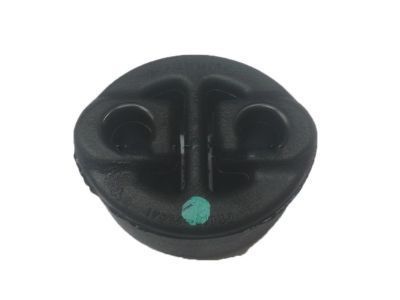
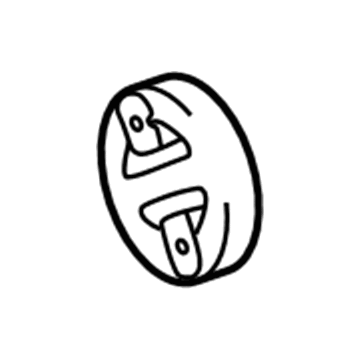
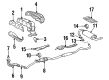
Toyota Converter & Pipe Support Part Number: 17565-0D040
$21.02 MSRP: $29.26You Save: $8.24 (29%)Ships in 1-3 Business DaysProduct Specifications- Other Name: Support, Exhaust Pip; Exhaust System Hanger Insulator; Exhaust Insulator; Exhaust Hanger; Support, Exhaust Pipe
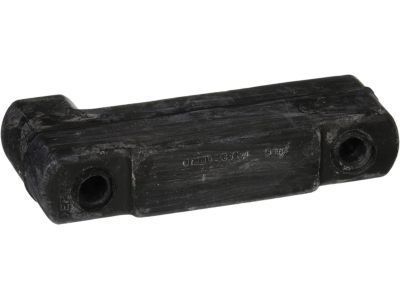

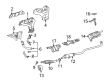
Toyota Muffler & Pipe Support Part Number: 17562-0D010
$21.50 MSRP: $29.92You Save: $8.42 (29%)Ships in 1-3 Business DaysProduct Specifications- Other Name: Support, Exhaust Pip; Exhaust System Hanger; Muffler Hanger Strap; Exhaust Hanger; Support, Exhaust Pipe
- Replaces: 17562-16240
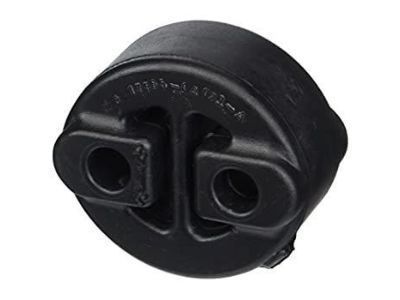
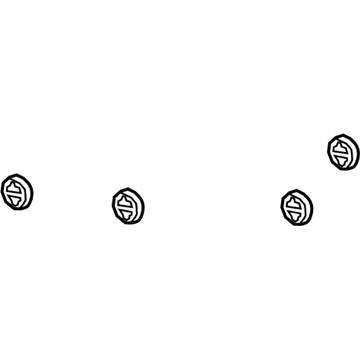
Toyota Support, Exhaust Pipe Part Number: 17565-07040
$21.74 MSRP: $30.26You Save: $8.52 (29%)Ships in 1-2 Business DaysProduct Specifications- Other Name: Support, Exhaust Pip; Muffler Hanger Strap; Exhaust Insulator; Exhaust Bracket; Exhaust Hanger
- Replaces: 17565-15030, 17565-74290
| Page 1 of 11 |Next >
1-20 of 201 Results
Toyota Exhaust Hanger
OEM parts deliver unmatched quality you can rely on. They pass extensive quality control inspections. Toyota produces them to the official factory specifications. This process helps prevent defects and imperfections. So you can get exceptional lifespan and a flawless fit. Need new OEM Toyota Exhaust Hanger? You'll love our wide selection of genuine options. Shop in minutes and skip the hunt. Our prices are unbeatable, you'll save time and money. It's easy to shop and find the right piece. Our committed customer service team gives professional help from start to finish. Every part includes a manufacturer's warranty. We ship quickly, your parts will arrive fast at your door.
The Toyota Exhaust Hanger keeps the muffler and pipes strapped, vibration is eliminated and you end up with a smooth ride. Toyota has expanded to be a global leader since 1937, and this is due to lean production which reduces wastes. The drivers adore Toyota due to the tested Hybrid Synergy Drive, which is more powerful in the current Prius and the 42 mile RAV4 Plug-in Hybrid, providing fuel efficiency and good power. The new TNGA model reduces the center of gravity, enhances maneuverability and improves the level of crash protection, and all Toyota vehicles gain long term durability, which builds trust. The company also provides over the air updates, cloud navigation as well as active safety aids to facilitate easy driving. The fact that it is pushing in the hydrogen fuel cells and in its future solid state batteries is a clear indicator that it has a future of cleaner miles tomorrow. A Toyota Exhaust Hanger is an component which is constructed using hard rubber or steel and which hangs the exhaust beneath the chassis and prevents knocking or dropping during the rough road. In order to fit the Exhaust Hanger, one needs to park on a flat surface, stabilize the brake, raise the car and place stands. Coat the old hanger with penetrating oil and wait and remove the hanger off the exhaust peg and the body hook. Install the new Exhaust Hanger onto the pegs, clearance, tighten the bolts, lower the car, start the engine, and listen to the leaks which would indicate that it is not in the right position. Lastly give a short test drive on bumps, recheck clearances and hardware can also be tightened pending the system goes to rest.
Related Toyota Parts
 Toyota Catalytic Converter
 Toyota PCV Valve
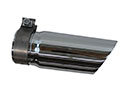 Toyota Exhaust Tip
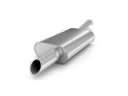 Toyota Muffler
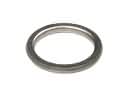 Toyota Exhaust Flange Gasket
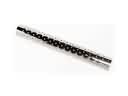 Toyota Exhaust Heat Shield
 Toyota Exhaust Manifold
 Toyota Exhaust Manifold Gasket
 Toyota Exhaust Pipe
 Toyota Vapor Canister
 Toyota EGR Valve Gasket
 Toyota Tail Pipe
Browse Toyota Exhaust Hanger by Models
Tacoma 4Runner Camry Tundra Corolla RAV4 Highlander Prius Sienna Land Cruiser Pickup FJ Cruiser 86 Sequoia Avalon Celica Supra Yaris Matrix Venza GR86 Echo C-HR Grand Highlander Paseo Prius C Prius Prime Corolla Cross Corolla iM Crown Crown Signia GR Corolla MR2 Spyder Tercel Yaris iA Prius Plug-In GR Supra Prius AWD-e RAV4 Prime