×
ToyotaParts- Hello
- Login or Register
- Quick Links
- Live Chat
- Track Order
- Parts Availability
- RMA
- Help Center
- Contact Us
- Shop for
- Toyota Parts
- Scion Parts
My Garage
My Account
Cart
OEM Toyota Exhaust Heat Shield
Heat Shield- Select Vehicle by Model
- Select Vehicle by VIN
Select Vehicle by Model
orMake
Model
Year
Select Vehicle by VIN
For the most accurate results, select vehicle by your VIN (Vehicle Identification Number).
209 Exhaust Heat Shields found
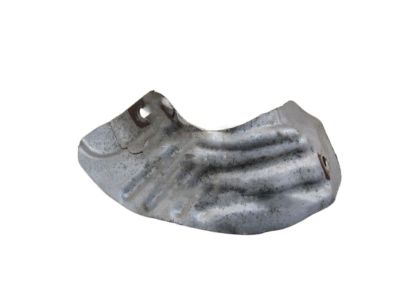
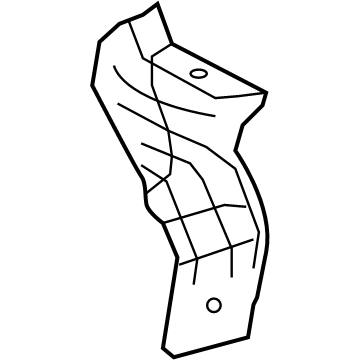
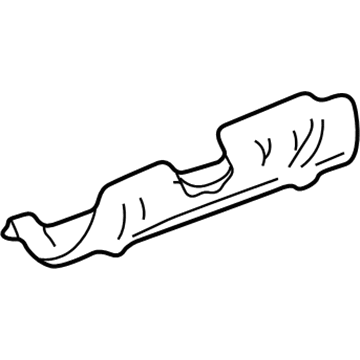
Toyota Heat Shield, Center Part Number: 17168-28030
$40.38 MSRP: $56.20You Save: $15.82 (29%)Ships in 1-3 Business DaysProduct Specifications- Other Name: Insulator, Exhaust Manifold Heat; Center; Upper; Shield; Heat Shield; Upper Insulator; Insulator
- Position: Center
- Replaces: 17168-0H050
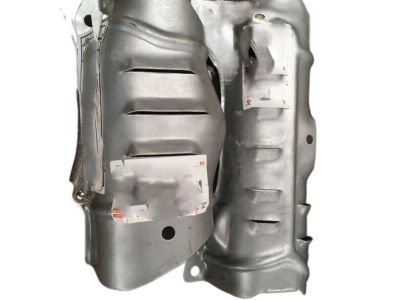
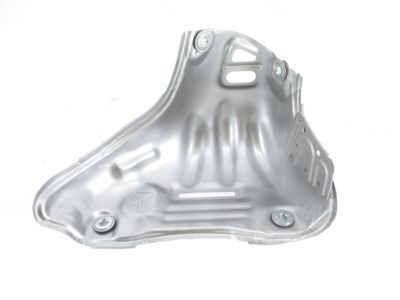
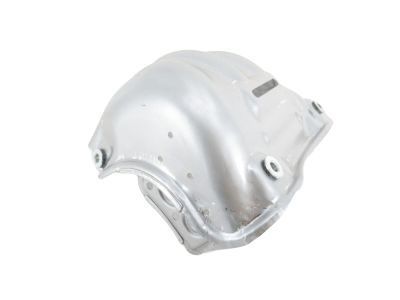
Toyota Heat Shield, Passenger Side Part Number: 17167-62051
$66.11 MSRP: $92.80You Save: $26.69 (29%)Ships in 1 Business DayProduct Specifications- Other Name: Insulator, Exhaust Manifold Heat; Exhaust Manifold Heat Shield, Right; Exhaust Heat Shield
- Position: Passenger Side
- Replaces: 17167-62050
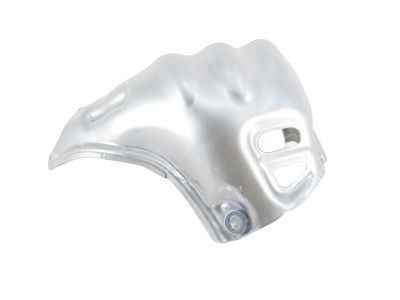
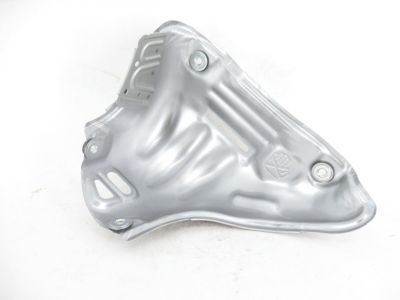
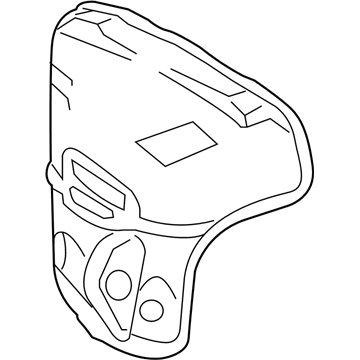
Toyota Heat Shield, Front Part Number: 17167-0V030
$148.51 MSRP: $210.23You Save: $61.72 (30%)Ships in 1-2 Business DaysProduct Specifications- Other Name: Insulator, Exhaust Manifold Heat; Exhaust Manifold Heat Shield, Front, Upper; Exhaust Heat Shield; Manifold Cover
- Position: Front
- Replaces: 17167-0V010, 17167-36011, 17167-0V020, 17167-36010
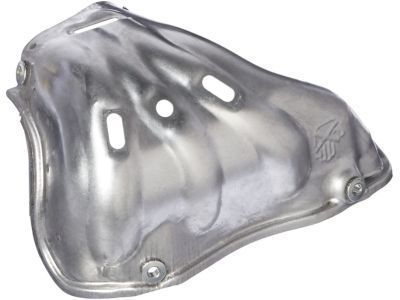
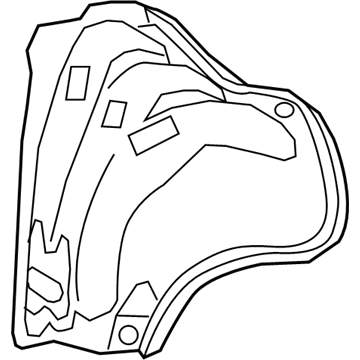
Toyota Heat Shield, Upper Part Number: 17167-0H040
$190.00 MSRP: $271.28You Save: $81.28 (30%)Ships in 1 Business DayProduct Specifications- Other Name: Insulator, Exhaust Manifold Heat; Exhaust Manifold Heat Shield, Upper; Exhaust Manifold Heat Shield; Exhaust Heat Shield; Manifold Cover
- Position: Upper
- Replaces: 17167-0H050, 17167-28060
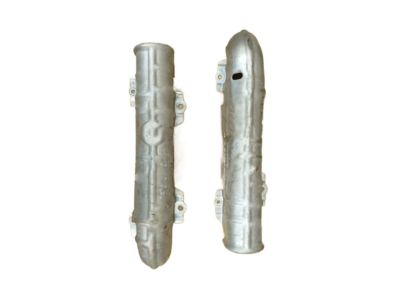
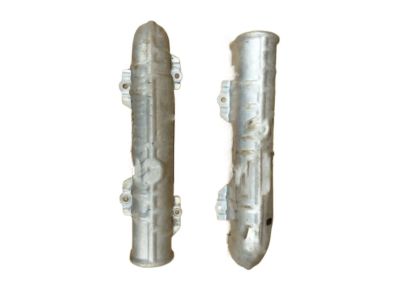
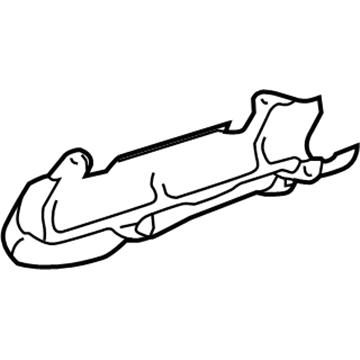
Toyota Insulator, Exhaust Manifold Heat, Passenger Side Part Number: 17167-50180
$135.58 MSRP: $191.93You Save: $56.35 (30%)Ships in 1-3 Business DaysProduct Specifications- Position: Passenger Side
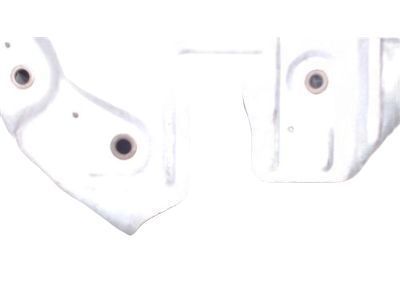
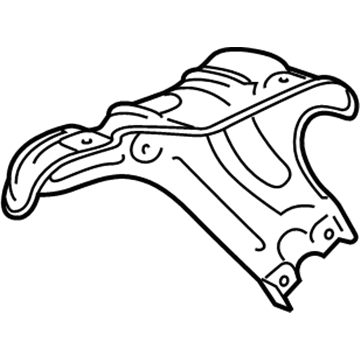
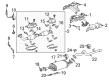
Toyota Heat Shield Part Number: 17167-75160
$138.05 MSRP: $195.43You Save: $57.38 (30%)Ships in 1-3 Business DaysProduct Specifications- Other Name: Insulator, Exhaust Manifold Heat; Exhaust Manifold Heat Shield; Exhaust Heat Shield; Manifold Cover
- Replaces: 17167-0C020, 17167-0C010
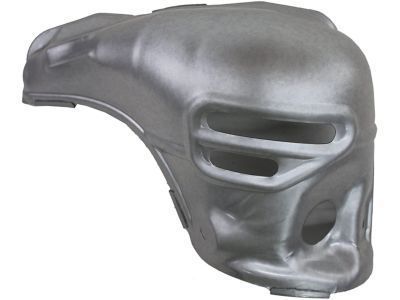
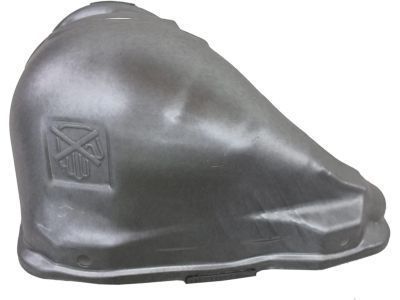
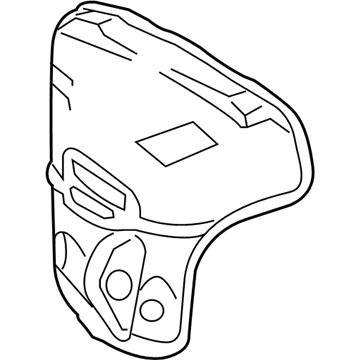
Toyota Heat Shield, Upper Part Number: 17167-28040
$141.34 MSRP: $200.09You Save: $58.75 (30%)Ships in 1-2 Business DaysProduct Specifications- Other Name: Insulator, Exhaust Manifold Heat; Exhaust Manifold Heat Shield, Upper; Exhaust Heat Shield
- Position: Upper
- Replaces: 17167-0H010
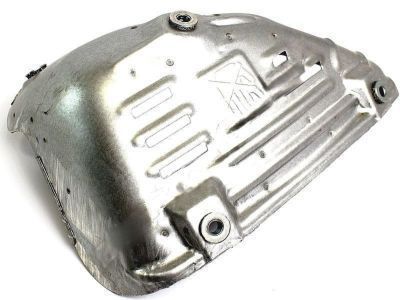
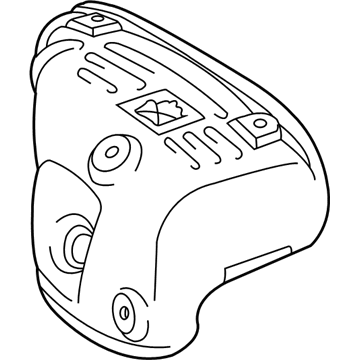
Toyota Heat Shield, Upper Part Number: 17167-28010
$155.32 MSRP: $219.88You Save: $64.56 (30%)Ships in 1-3 Business DaysProduct Specifications- Other Name: Insulator, Exhaust Manifold Heat; Exhaust Manifold Heat Shield, Upper, Upper Outer; Exhaust Heat Shield
- Position: Upper
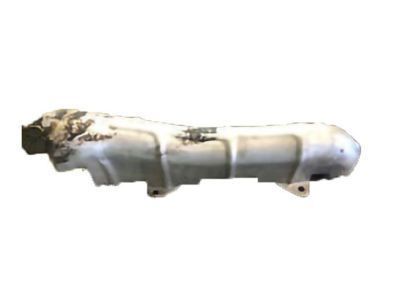

Toyota Heat Shield Part Number: 17511-0F010
$32.97 MSRP: $45.89You Save: $12.92 (29%)Ships in 1-3 Business DaysProduct Specifications- Other Name: Insulator, Exhaust Pipe; Catalytic Converter Heat Shield, Upper Outer; Exhaust Heat Shield; Insulator, Exhaust Pipe, Upper
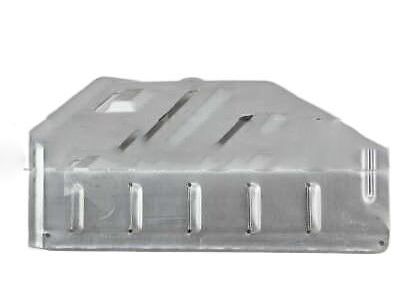
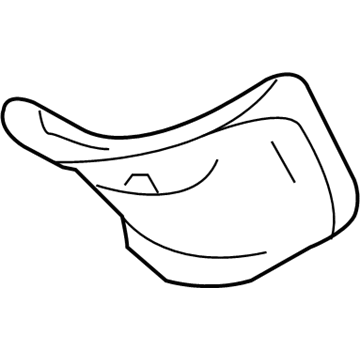
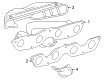
Toyota Insulator Part Number: 17168-21030
$38.59 MSRP: $53.71You Save: $15.12 (29%)Ships in 1-3 Business DaysProduct Specifications- Other Name: Insulator, Exhaust Manifold Heat; Exhaust Manifold Heat Shield
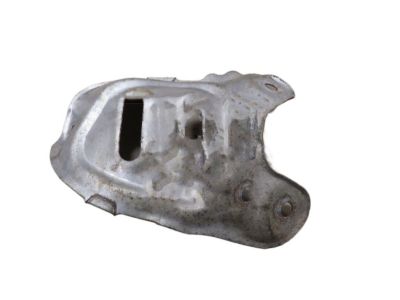
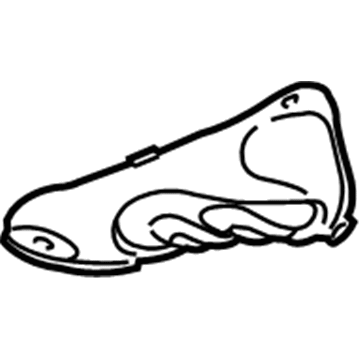
Toyota Manifold Cover, Lower Part Number: 17168-37100
$39.70 MSRP: $55.25You Save: $15.55 (29%)Ships in 1-3 Business DaysProduct Specifications- Other Name: Insulator, Exhaust Manifold Heat; Exhaust Manifold Heat Shield, Lower; Exhaust Manifold Heat Shield; Exhaust Heat Shield; Lower Shield; Lower Insulator
- Position: Lower
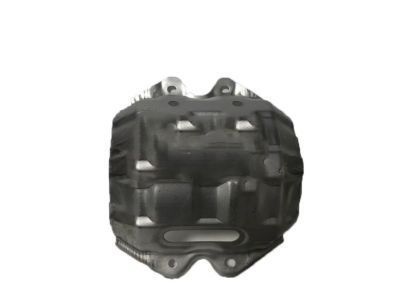

Toyota Converter Shield, Rear Lower Part Number: 18445-0S020
$43.96 MSRP: $61.19You Save: $17.23 (29%)Ships in 1-3 Business DaysProduct Specifications- Other Name: Protector, Monolithic Converter; Catalytic Converter Heat Shield; Exhaust Insulator; Exhaust Hanger; Rear Insulator; Rear Shield
- Manufacturer Note: NO.2
- Position: Rear Lower
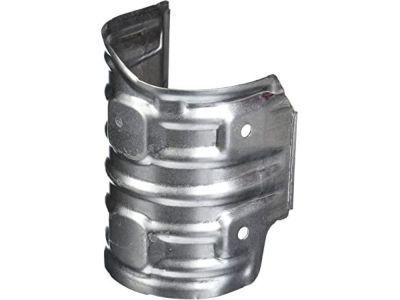
Toyota Front Shield, Lower Part Number: 18445-0S010
$43.96 MSRP: $61.19You Save: $17.23 (29%)Ships in 1-3 Business DaysProduct Specifications- Other Name: Protector, Monolithic Converter; Catalytic Converter Heat Shield; Exhaust Insulator; Hanger; Converter Shield; Front Insulator
- Manufacturer Note: NO.2
- Position: Front Lower
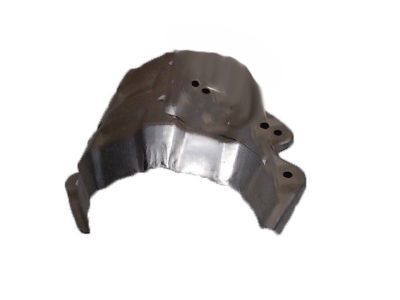
Toyota Converter Shield, Rear Upper Passenger Side Part Number: 18435-0S020
$43.96 MSRP: $61.19You Save: $17.23 (29%)Ships in 1-3 Business DaysProduct Specifications- Other Name: Protector, Monolithic Converter; Catalytic Converter Heat Shield, Rear Right Upper; Exhaust Insulator; Rear Insulator; Rear Shield
- Manufacturer Note: NO.1
- Position: Rear Upper Passenger Side
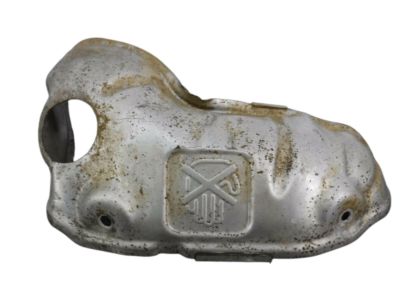
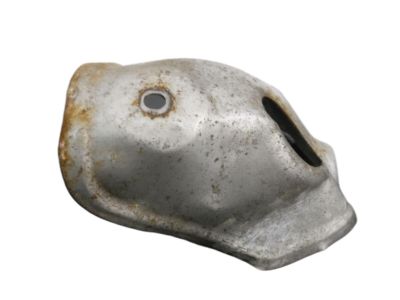
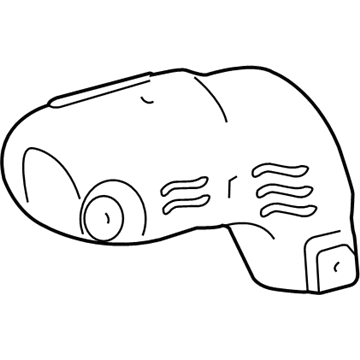
Toyota Heat Shield, Driver Side Part Number: 17168-31021
$49.58 MSRP: $69.01You Save: $19.43 (29%)Ships in 1-3 Business DaysProduct Specifications- Other Name: Insulator, Exhaust Manifold Heat; Exhaust Manifold Heat Shield, Left, Left Upper; Exhaust Heat Shield; Insulator
- Position: Driver Side
- Replaces: 17168-31020
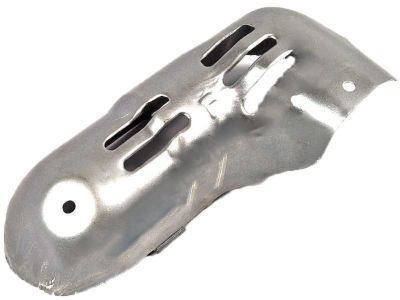
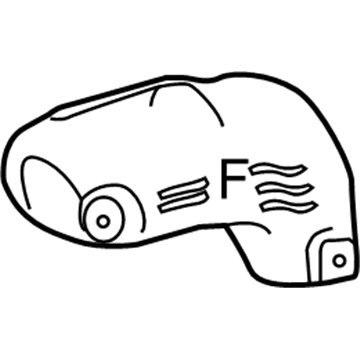
Toyota Heat Shield, Driver Side Part Number: 17168-20070
$52.09 MSRP: $72.51You Save: $20.42 (29%)Ships in 1-2 Business DaysProduct Specifications- Other Name: Insulator, Exhaust Manifold Heat; Left Upper; Catalytic Converter Shield; Left; Exhaust Shield; Insulator
- Position: Driver Side
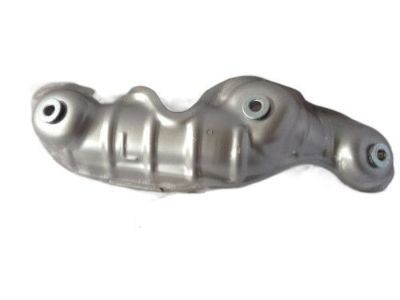
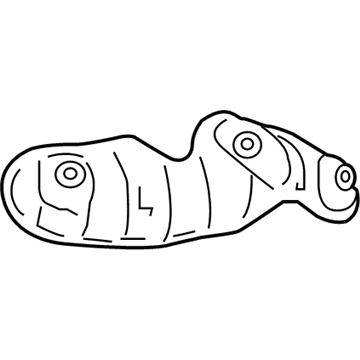
Toyota Heat Shield, Driver Side Part Number: 17168-31040
$62.08 MSRP: $87.14You Save: $25.06 (29%)Ships in 1-3 Business DaysProduct Specifications- Other Name: Insulator, Exhaust Manifold Heat; Exhaust Manifold Heat Shield, Left; Exhaust Heat Shield
- Manufacturer Note: MEXICO SPEC
- Position: Driver Side
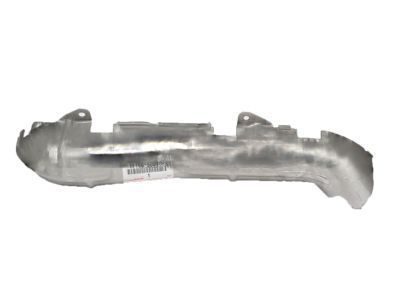
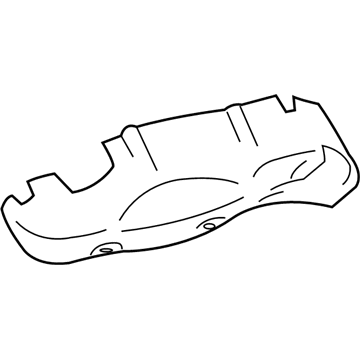
Toyota Heat Shield, Driver Side Part Number: 17168-50090
$76.07 MSRP: $106.77You Save: $30.70 (29%)Ships in 1-2 Business DaysProduct Specifications- Other Name: Insulator, Exhaust Manifold Heat; Exhaust Manifold Heat Shield, Left; Exhaust Heat Shield
- Position: Driver Side
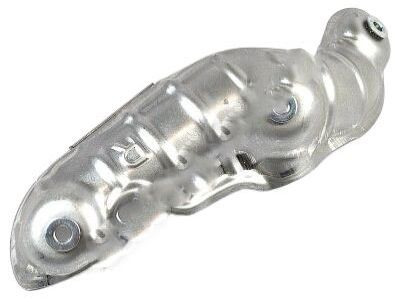
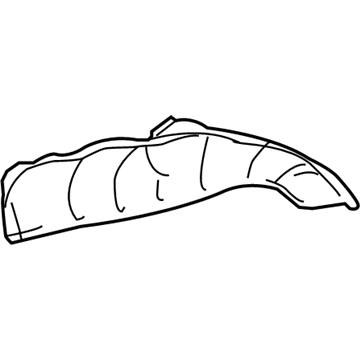
Toyota Heat Shield, Passenger Side Part Number: 17167-31050
$83.65 MSRP: $117.42You Save: $33.77 (29%)Product Specifications- Other Name: Insulator, Exhaust Manifold Heat; Exhaust Manifold Heat Shield, Right; Exhaust Heat Shield; Manifold Cover
- Manufacturer Note: MEXICO SPEC
- Position: Passenger Side
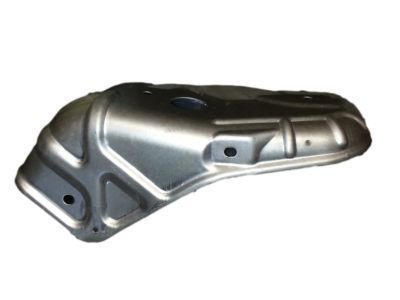
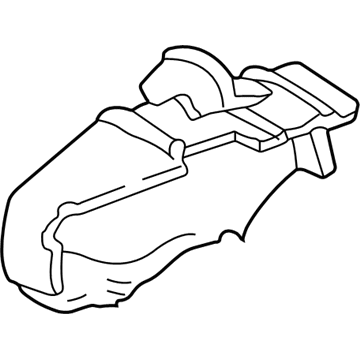
Toyota Heat Shield Part Number: 17167-75100
$125.48 MSRP: $177.63You Save: $52.15 (30%)Product Specifications- Other Name: Insulator, Exhaust Manifold Heat; Exhaust Manifold Heat Shield; Exhaust Heat Shield
| Page 1 of 11 |Next >
1-20 of 209 Results
Toyota Exhaust Heat Shield
OEM parts deliver unmatched quality you can rely on. They pass extensive quality control inspections. Toyota produces them to the official factory specifications. This process helps prevent defects and imperfections. So you can get exceptional lifespan and a flawless fit. Need new OEM Toyota Exhaust Heat Shield? You'll love our wide selection of genuine options. Shop in minutes and skip the hunt. Our prices are unbeatable, you'll save time and money. It's easy to shop and find the right piece. Our committed customer service team gives professional help from start to finish. Every part includes a manufacturer's warranty. We ship quickly, your parts will arrive fast at your door.
Toyota Exhaust Heat Shield provides comfort and safety to all drives; the heat shield deflects heat on all cabin parts thereby cooling them. Toyota was founded in 1937 and soon became known worldwide by mastering lean production that reduces waste and allows the problem to be fixed within a short time and today the Toyota drivers have cars that are built on the TNGA platform that improves handling, safety and weight reduction and these innovations, together with extensive quality testing, ensure that the car can perform hassle free in a wide life of the owner. The Hybrid Synergy Drive currently found in both the Prius and the 2024 RAV4 Plug-in Hybrid extends the electric range to 42 miles and still provides the longevity that Toyota owners rely on, which means that Toyota finds a balance between being efficient and being reliable. Toyota Exhaust Heat Shield is a shaped structure that surrounds the exhaust and the primary purpose it does is to reflect and distribute heat out of wiring, hoses, and passenger compartments. The installation of the Exhaust Heat Shield only commences after the exhaust cools then the vehicle is safely placed on level ground. Fit the shield to find factory factory mount holes, clean the contact areas and make sure the reflective side is facing the pipe. Openings must be aligned, and the pieces of clips or bolts provided must be pushed through and screwed in tightly so that metal will be able to expand. Verify that the Exhaust Heat Shield is clear of sensors and hoses, and poke to ensure that it is not rattling, then lower the car, and check a brief drive to ensure that it will not rattle.
Related Toyota Parts
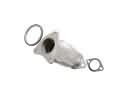 Toyota Catalytic Converter
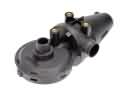 Toyota PCV Valve
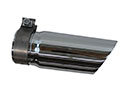 Toyota Exhaust Tip
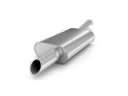 Toyota Muffler
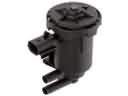 Toyota Canister Purge Valve
 Toyota Exhaust Flange Gasket
 Toyota Exhaust Hanger
 Toyota Exhaust Manifold
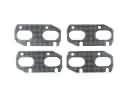 Toyota Exhaust Manifold Gasket
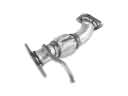 Toyota Exhaust Pipe
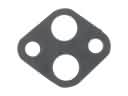 Toyota EGR Valve Gasket
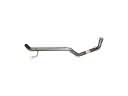 Toyota Tail Pipe
Browse Toyota Exhaust Heat Shield by Models
Tacoma 4Runner Camry Tundra Corolla RAV4 Highlander Prius Sienna Land Cruiser FJ Cruiser 86 Sequoia T100 Avalon Celica Supra Yaris Matrix MR2 Solara Venza GR86 Echo C-HR Grand Highlander Paseo Previa Prius C Prius Prime Corolla Cross Corolla iM Crown Crown Signia GR Corolla MR2 Spyder Prius V Tercel Yaris iA Prius Plug-In GR Supra Prius AWD-e RAV4 Prime