×
ToyotaParts- Hello
- Login or Register
- Quick Links
- Live Chat
- Track Order
- Parts Availability
- RMA
- Help Center
- Contact Us
- Shop for
- Toyota Parts
- Scion Parts
My Garage
My Account
Cart
OEM Toyota Air Inject Check Valve
Air Injection Reaction Check Valve- Select Vehicle by Model
- Select Vehicle by VIN
Select Vehicle by Model
orMake
Model
Year
Select Vehicle by VIN
For the most accurate results, select vehicle by your VIN (Vehicle Identification Number).
6 Air Inject Check Valves found
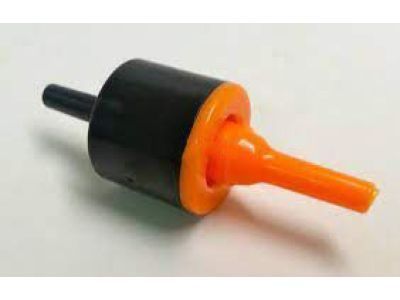
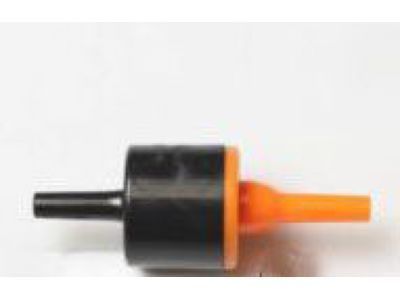
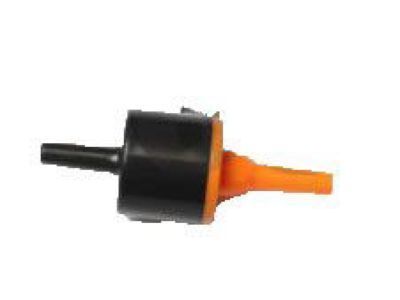
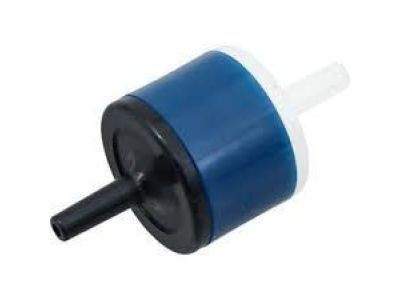
Toyota Check Valve
Part Number: 90917-10049$8.35 MSRP: $11.63You Save: $3.28 (29%)Ships in 1-3 Business DaysProduct Specifications- Other Name: Valve, Check; Switch; Valve; Valve, Check (For Front Drive Shift); Filter, Gas
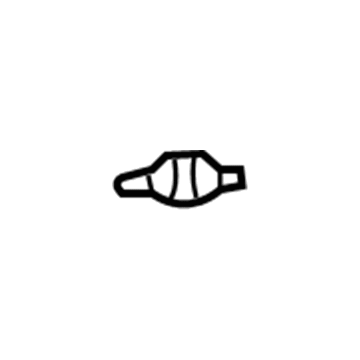
Toyota Valve, Check(For Front Differential Vacuum)
Part Number: 90917-10065$62.56 MSRP: $87.81You Save: $25.25 (29%)Ships in 1-2 Business DaysProduct Specifications- Other Name: Valve, Check; Valve, Check (For Front Drive Shift)
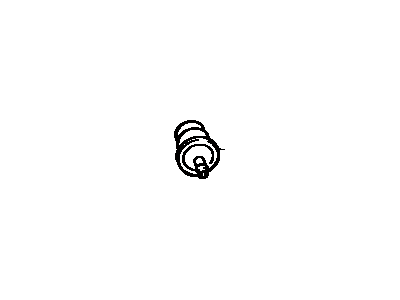
 Product Specifications
- Other Name: Valve, Check; Secondary Air Injection Check Valve; Diverter Valve; Valve, Check(For Air Injection System)
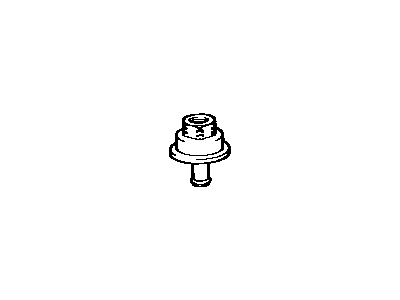
 Product Specifications
- Other Name: Valve, Check; Secondary Air Injection Check Valve; Diverter Valve; Valve, Check(For Air Injection System)
- Product Specifications
- Other Name: Valve, Check; Secondary Air Injection Check Valve; Diverter Valve; Valve, Check(For Air Injection System)
- Product Specifications
- Other Name: Valve, Check; Secondary Air Injection Check Valve; Diverter Valve; Valve, Check(For Air Injection System)
- Manufacturer Note: CALIFORNIA SPEC
Toyota Air Inject Check Valve
OEM parts deliver unmatched quality you can rely on. They pass extensive quality control inspections. Toyota produces them to the official factory specifications. This process helps prevent defects and imperfections. So you can get exceptional lifespan and a flawless fit. Need new OEM Toyota Air Inject Check Valve? You'll love our wide selection of genuine options. Shop in minutes and skip the hunt. Our prices are unbeatable, you'll save time and money. It's easy to shop and find the right piece. Our committed customer service team gives professional help from start to finish. Every part includes a manufacturer's warranty. We ship quickly, your parts will arrive fast at your door.
The Toyota Air Inject Check Valve allows the fresh air to pass through the exhaust when starting cold to reduce emissions and protect the pump against hot gases. Toyota has evolved since 1937 into a giant which develops cars through lean processes that reduce wastage and enable employees to take decisions within a short time. The hybrids of Toyota demonstrate the enhanced Hybrid Synergy Drive that was released in 2022, and the RAV4 Plug-in Hybrid that was released in 2024 has a range of 42 electric miles and acceleration capability. The new TNGA platform also reduces the center of gravity and increases safety such that Toyota cars feel secure and receptive to drive. The Toyota durability is also appreciated by owners since the cars continue to deliver years on with little maintenance which is a quality that increases brand trusts across continents. These drives have an Air Inject Check Valve that reduces the initial spark emissions. A single-way gate in the second air that prevents the flow of exhaust and moisture in the opposite direction as the pumping of oxygen is an Air Inject Check Valve, which is applied to assist the catalytic converter in igniting at a faster rate. To change an Air Inject Check Valve, allow the engine to cool, then locate the valve on the steel or rubber line located close to the exhaust manifold. Label the direction of flow, loosen clamps/bolts, carefully remove the hoses, examine gaskets, then replace the new valve in same orientation, then tighten the fasteners without overtightening, reconnects vacuum lines, turn on the engine then listen to no leaks and ensure the emissions light is off.
Related Toyota Parts
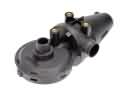 Toyota PCV Valve
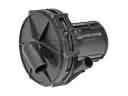 Toyota Air Injection Pump
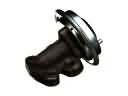 Toyota EGR Valve
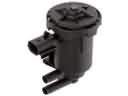 Toyota Canister Purge Valve
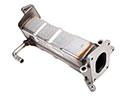 Toyota EGR Cooler
 Toyota Exhaust Heat Shield
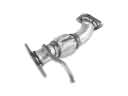 Toyota Exhaust Pipe
 Toyota Vapor Canister
 Toyota Vapor Pressure Sensor
 Toyota Diverter Valve
 Toyota EGR Tube
 Toyota EGR Valve Gasket