×
ToyotaParts- Hello
- Login or Register
- Quick Links
- Live Chat
- Track Order
- Parts Availability
- RMA
- Help Center
- Contact Us
- Shop for
- Toyota Parts
- Scion Parts
My Garage
My Account
Cart
OEM Toyota RAV4 Wheel Bearing
Hub Bearing- Select Vehicle by Model
- Select Vehicle by VIN
Select Vehicle by Model
orMake
Model
Year
Select Vehicle by VIN
For the most accurate results, select vehicle by your VIN (Vehicle Identification Number).
32 Wheel Bearings found
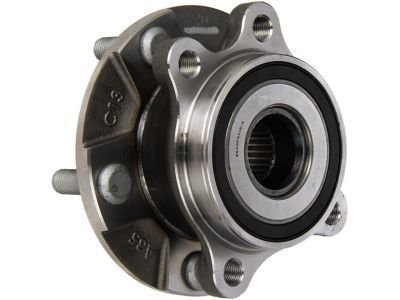
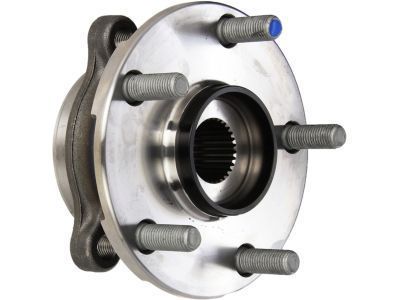
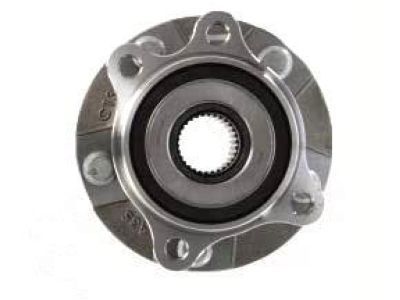
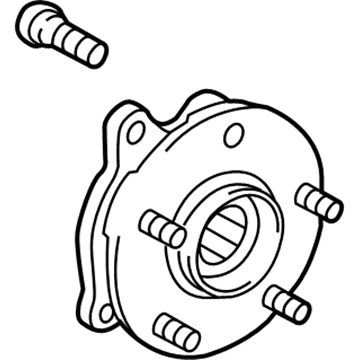
Toyota RAV4 Hub Assembly Part Number: 43550-0R020
$283.78 MSRP: $405.18You Save: $121.40 (30%)Ships in 1-3 Business Days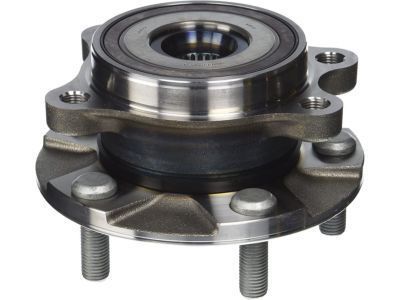
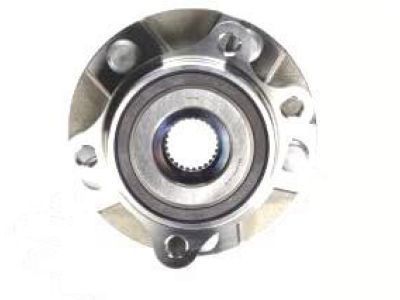
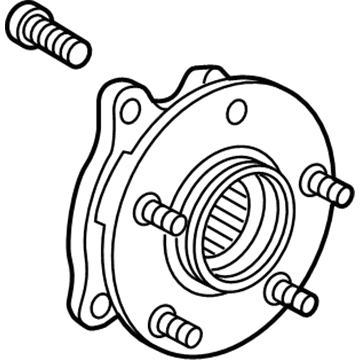
Toyota RAV4 Hub Assembly Part Number: 43550-0R010
$327.82 MSRP: $468.06You Save: $140.24 (30%)Ships in 1-2 Business Days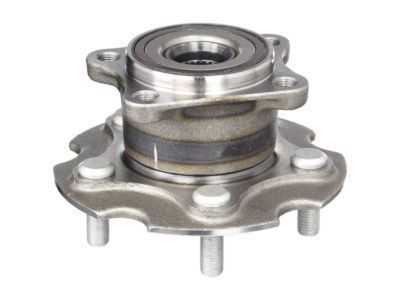
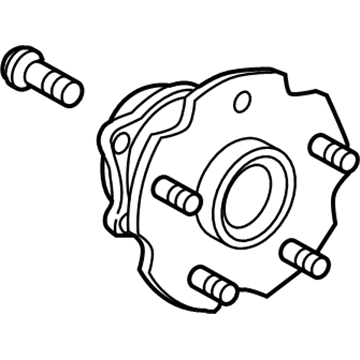
Toyota RAV4 Hub Assembly Part Number: 42410-0R010
$259.67 MSRP: $370.75You Save: $111.08 (30%)Ships in 1-3 Business Days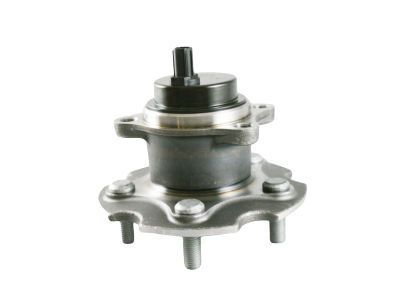
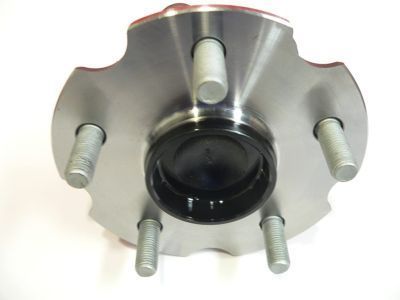
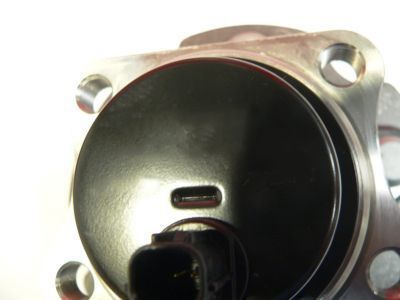
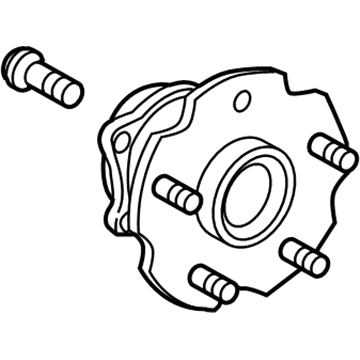
Toyota RAV4 Hub & Bearing, Rear Part Number: 42450-0R010
$430.15 MSRP: $630.40You Save: $200.25 (32%)Ships in 1-3 Business Days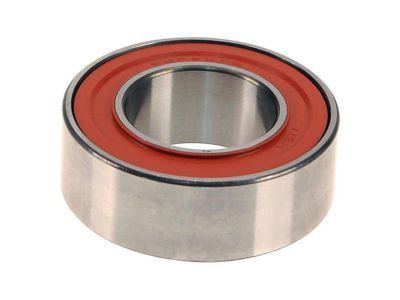
Toyota RAV4 Bearing, Passenger Side Part Number: 90363-A0007
$28.31 MSRP: $39.40You Save: $11.09 (29%)Ships in 1-3 Business Days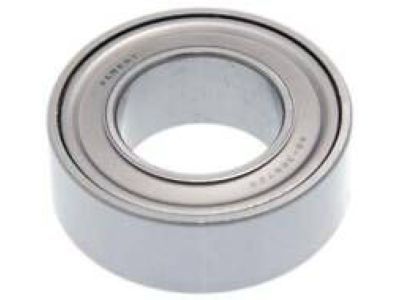
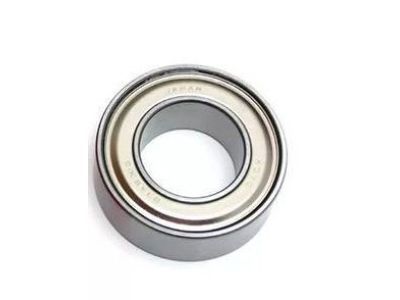
Toyota RAV4 Bearing, Passenger Side Part Number: 90363-A0004
$35.48 MSRP: $49.39You Save: $13.91 (29%)Ships in 1-3 Business Days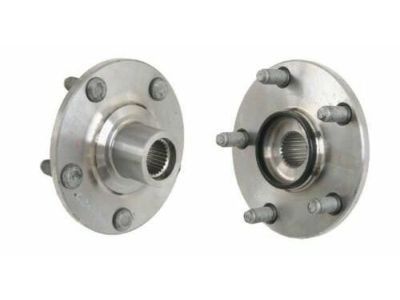
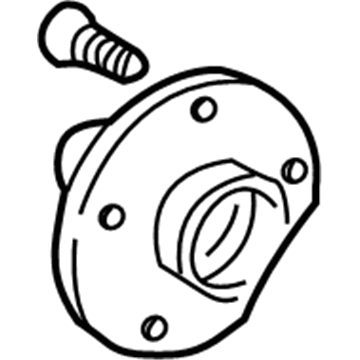
Toyota RAV4 Front Hub Part Number: 43502-42020
$158.14 MSRP: $223.87You Save: $65.73 (30%)Ships in 1-2 Business Days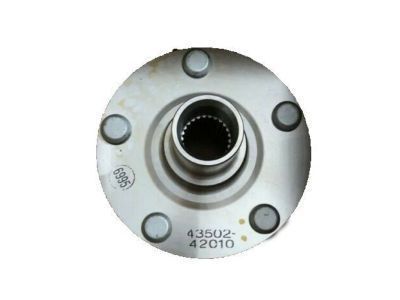
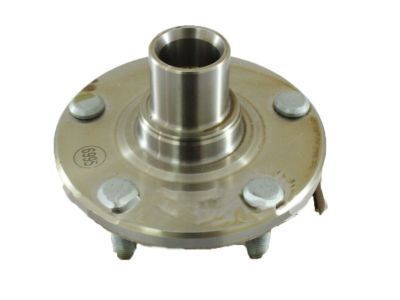
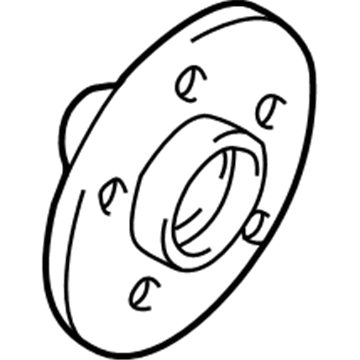
Toyota RAV4 Hub Assembly, Front Part Number: 43502-42010
$174.01 MSRP: $246.33You Save: $72.32 (30%)Ships in 1-3 Business Days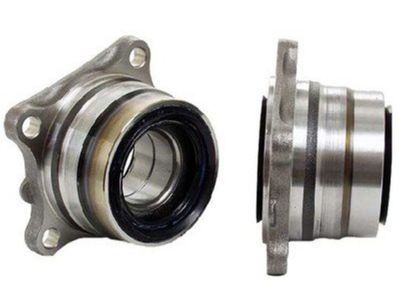
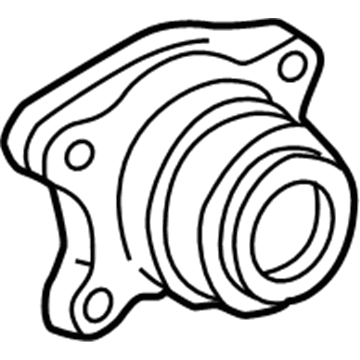
Toyota RAV4 Rear Wheel Bearing Part Number: 42409-42010
$308.48 MSRP: $440.44You Save: $131.96 (30%)Ships in 1-2 Business Days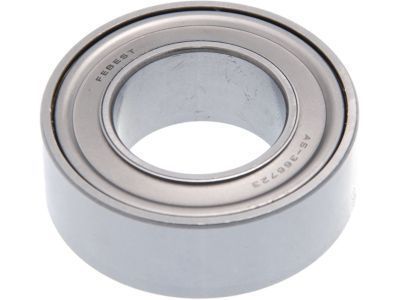

Toyota RAV4 Inner Shaft Bearing, Passenger Side Part Number: 90363-36001
$24.95 MSRP: $34.72You Save: $9.77 (29%)Ships in 1-3 Business Days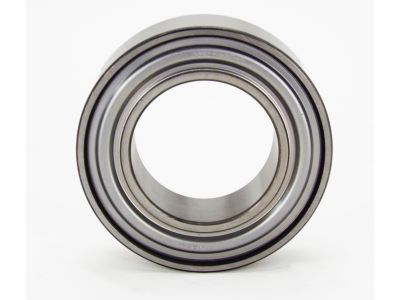
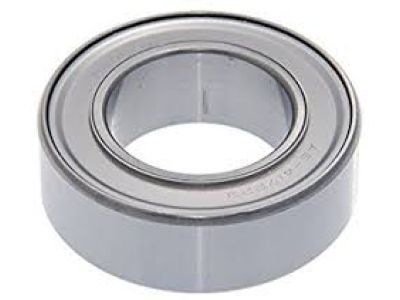
Toyota RAV4 Bearing (For Front Drive Shaft) Part Number: 90080-36133
$32.13 MSRP: $44.73You Save: $12.60 (29%)Ships in 1-2 Business Days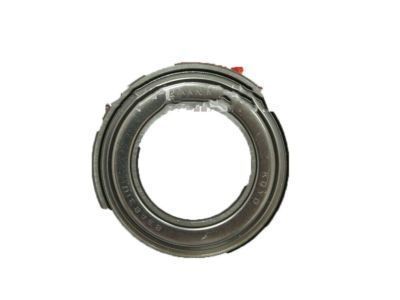
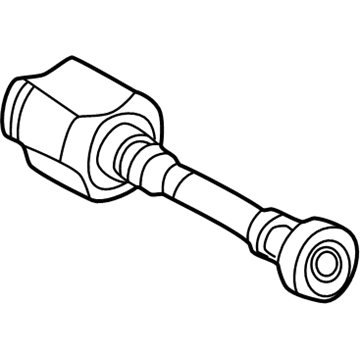
Toyota RAV4 Axle Support Bearing Part Number: 90363-36004
$37.87 MSRP: $52.71You Save: $14.84 (29%)Ships in 1-3 Business Days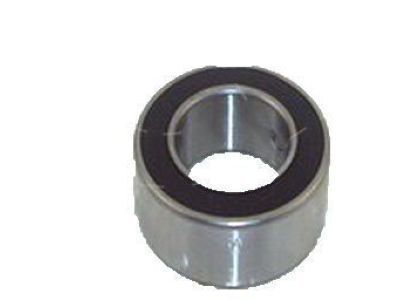
Toyota RAV4 Bearing Part Number: 90363-41001
$68.24 MSRP: $95.79You Save: $27.55 (29%)Ships in 1-3 Business Days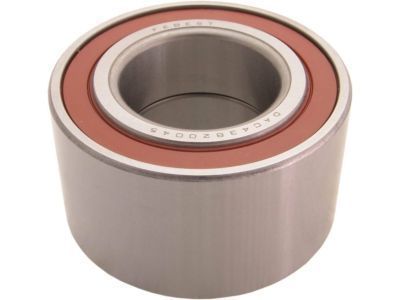
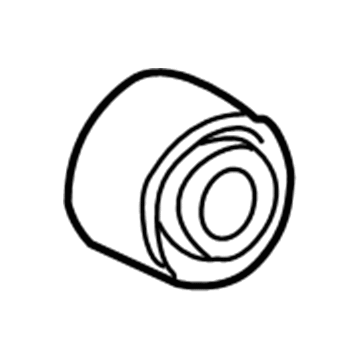
Toyota RAV4 Bearing (For Front Axle Hub Passenger Side) Part Number: 90369-43009
$84.36 MSRP: $118.41You Save: $34.05 (29%)Ships in 1-3 Business Days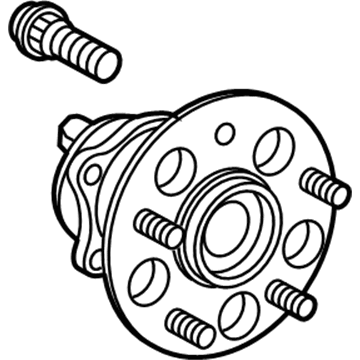
Toyota RAV4 Hub & Bearing Assembly, Rear Axle, Passenger Side Part Number: 42450-42060
$352.18 MSRP: $516.12You Save: $163.94 (32%)Ships in 1 Business Day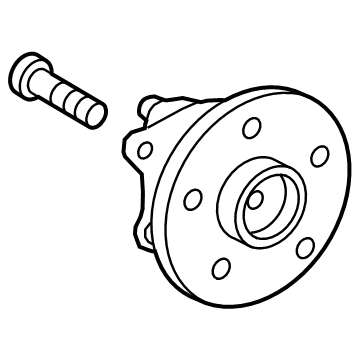
Toyota RAV4 Hub Assembly, Rear Part Number: 42410-0R030
$255.71 MSRP: $365.09You Save: $109.38 (30%)Ships in 1-3 Business Days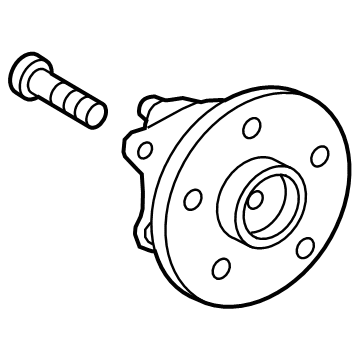
Toyota RAV4 Hub Assembly, Rear Part Number: 42450-0R030
$352.18 MSRP: $516.12You Save: $163.94 (32%)Ships in 1-3 Business DaysToyota RAV4 Hub Assembly, Rear Part Number: 42410-42070
$258.50 MSRP: $369.08You Save: $110.58 (30%)Ships in 1-3 Business Days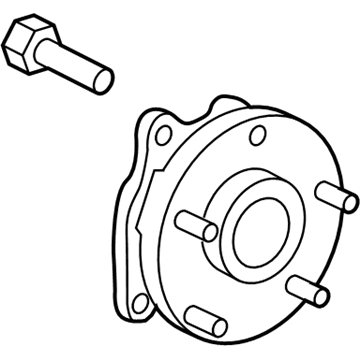
Toyota RAV4 Hub Assembly, Front Part Number: 43550-0R060
$278.31 MSRP: $397.36You Save: $119.05 (30%)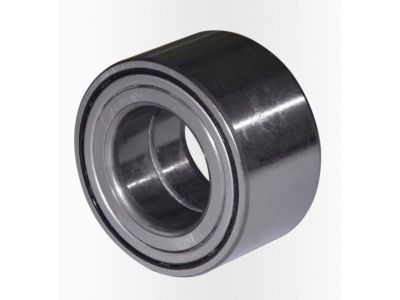
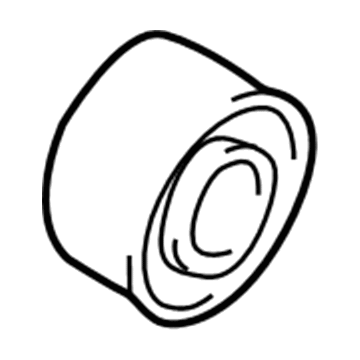
Toyota RAV4 Wheel Bearing, Front Part Number: 90369-38003-77
| Page 1 of 2 |Next >
1-20 of 32 Results
Toyota RAV4 Wheel Bearing
Choose genuine Wheel Bearing that pass strict quality control tests. You can trust the top quality and lasting durability. Shopping for OEM Wheel Bearing for your Toyota RAV4? Our website is your one-stop destination. We stock an extensive selection of genuine Toyota RAV4 parts. The price is affordable so you can save more. It only takes minutes to browse and find the exact fit. Easily add to cart and check out fast. Our hassle-free return policy will keep you stress-free. We process orders quickly for swift delivery. Your parts will arrive faster, so you can get back on the road sooner.
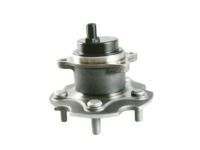
Toyota RAV4 Wheel Bearing is one of the parts that greatly increases the integrity and stability of the Toyota RAV4, a sport utility vehicle (SUV) long recognized for strength and functionality. This important component is responsible for the proper rotation of the wheels with minimum friction and also the efficient working of assembly of wheel and the tire. In the course of time, there have been different combinations used on different RAV4 models of hub and bearing: Integral hub and bearing assembly with built in ABS sensor that is intended for easy replacement of the hub and bearing assembly, Non-driven axle hub equipped with replaceable tapered roller bearing. The Toyota RAV4 Wheel Bearing is safety-related; overheating, or even loosening of the bearings causes noise and vibrations or even total failure of the wheel thereby necessitating frequent checks. The wheel bearings also require proper installation and maintenance, and this entails Cleaning the bearings, and examining them for wears while applying the necessary grease on the bearings. The Toyota RAV4 has been in production since 1994 and is in its fourth generation with recognition for its reliability. This is because the wheel bearing is arguably universal and cuts across all RAV4 models thereby making the rides efficient and safe for users. In particular, the Toyota RAV4 Wheel Bearing can be defined as rather prominent in the automotive market owing to its stability and corresponding construction and engineering, thus indicating such advantages as durability and reliability that make this car a rather worthy option for a mature driver who is in search of powerful and reliable vehicle performance.
Toyota RAV4 Wheel Bearing Parts and Q&A
- Q:How to install the rear axle hub and Wheel Bearing assembly on the left-hand side on Toyota RAV4?A:When installing the left-hand side rear axle hub with bearing assembly for 2WD vehicles, users should mount the components to the axle carrier through 4 bolts that require 90 Nm (918 kgf-cm, 68 ft-lbf) torque. This process should avoid positioning the magnet rotor below level and safeguarding it against external threats. During 4WD installation the shaft splines must be aligned correctly before driving the Drive Shaft into the axle hub and bearing until complete assembly on the axle carrier using the same torque specifications. The axle carrier joins to the rear Shock Absorber assembly through insertion of both bolts that secure the bracket. You should fit the rear suspension No. 1 arm assembly only temporarily during installation. To install the skid control sensor wire use 2WD while the 4WD requires the rear Speed Sensor installation to the left-hand side. On the left-hand side of the vehicle install the rear brake cylinder assembly together with the rear disc. Installation of new hub nuts must be performed by first cleaning threaded areas of the rear drive shaft assembly and rear axle shaft nut with non-residue solvent. The new nut needs to be torqued to 216 Nm (2203 kgf-cm, 159 ft-lbf) before using a chisel and hammer to stake the nut. The rear wheel needs installation with a torque specification of 103 Nm that equals 1050 kgf-cm and 76 ft-lbf. The technician stabilizes the suspension before performing front shock absorber assembly and rear suspension No. 1 arm assembly tightens on the left-hand side. The rear wheel alignment must be inspected followed by connecting the cable to the negative battery terminal and verifying the speed sensor signal.
- Q:How to remove the rear axle hub and Wheel Bearing on Toyota RAV4?A:The process of removing the rear axle hub and bearing starts with removing the rear wheel followed by disconnecting the negative battery terminal cable for a minimum of 90 seconds before moving on with the work. Use Special Service Tool: 09930-00010 alongside a hammer to unstake the rear axle shaft nut until the nut becomes loose enough to avoid damage to drive shaft screws. Afterward install the brake pad and pull off the lock axle hub nut. Proceed by taking out the rear disc brake cylinder assembly LH and rear disc alongside the skid control sensor wire for 2WD or the rear Speed Sensor LH for 4WD. The rear Shock Absorber assembly LH requires removal of its two bolts before disconnection from the axle carrier. To dismantle the axle hub and bearing from the axle carrier of 2WD models you need to remove all four bolts as long as the magnet rotor side remains above foreign objects. To detach the 4WD axle hub and bearing from the axle carrier, mark the drive shaft and axle hub and bearing after which you must remove the four bolts from the carrier while also ensuring proper protection of the magnet rotor side.
Related Toyota RAV4 Parts
 Toyota RAV4 Brake Pads
 Toyota RAV4 Brake Caliper
 Toyota RAV4 Parking Brake Cable
 Toyota RAV4 Brake Drum
 Toyota RAV4 Brake Caliper Piston
 Toyota RAV4 Brake Line
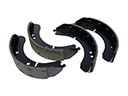 Toyota RAV4 Brake Shoe Set
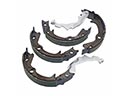 Toyota RAV4 Parking Brake Shoes
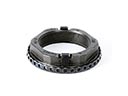 Toyota RAV4 Spindle Nut
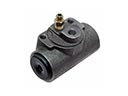 Toyota RAV4 Wheel Cylinder
 Toyota RAV4 Wheel Cylinder Repair Kit
 Toyota RAV4 Wheel Stud