×
ToyotaParts- Hello
- Login or Register
- Quick Links
- Live Chat
- Track Order
- Parts Availability
- RMA
- Help Center
- Contact Us
- Shop for
- Toyota Parts
- Scion Parts
My Garage
My Account
Cart
OEM Toyota RAV4 Brake Pad Set
Disc Brake Pad Set- Select Vehicle by Model
- Select Vehicle by VIN
Select Vehicle by Model
orMake
Model
Year
Select Vehicle by VIN
For the most accurate results, select vehicle by your VIN (Vehicle Identification Number).
12 Brake Pad Sets found
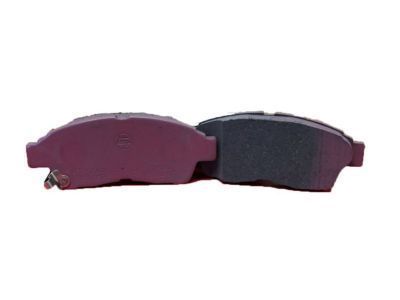
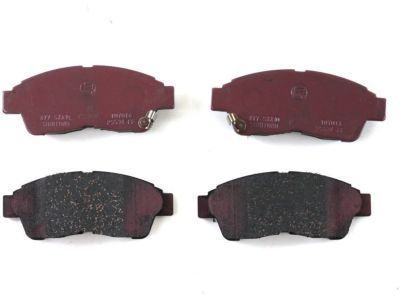
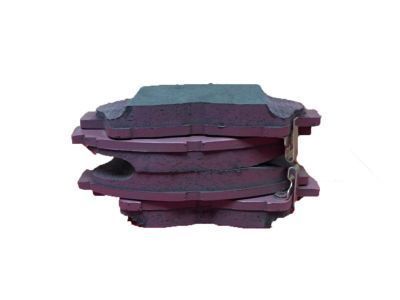
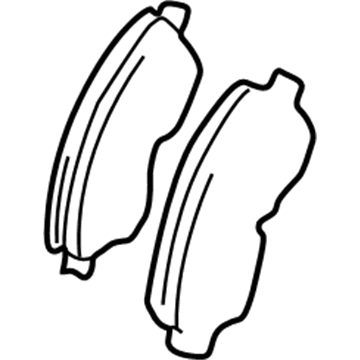
Toyota RAV4 Brake Pads
Part Number: 04465-42120$76.07 MSRP: $105.63You Save: $29.56 (28%)Ships in 1-3 Business Days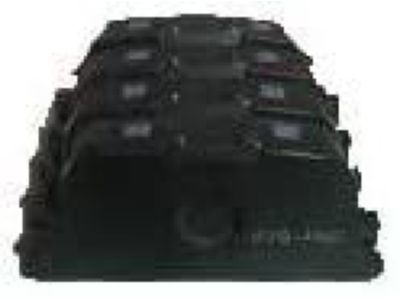
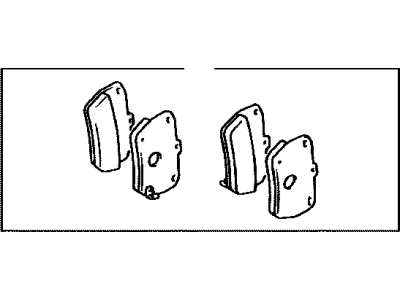
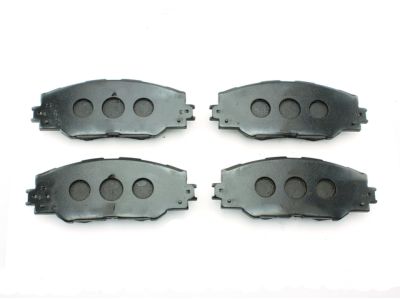
Toyota RAV4 Rear Pads
Part Number: 04466-42050$57.23 MSRP: $79.27You Save: $22.04 (28%)Ships in 1-2 Business Days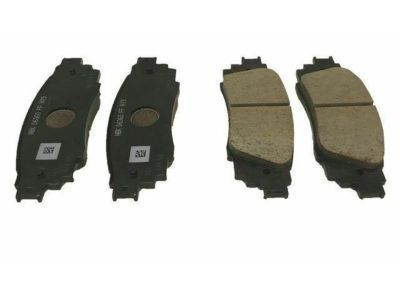
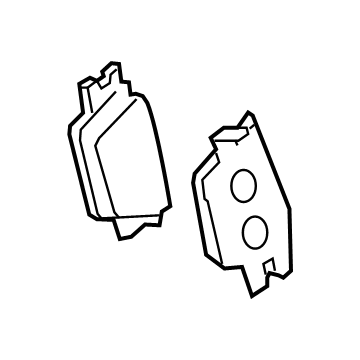
Toyota RAV4 Brake Pads, Rear
Part Number: 04466-02380$51.98 MSRP: $72.00You Save: $20.02 (28%)Ships in 1-3 Business Days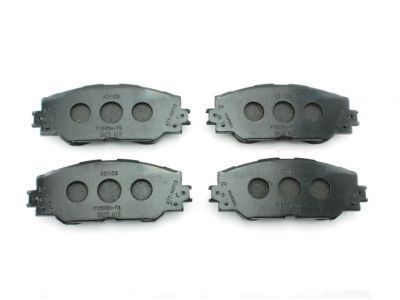
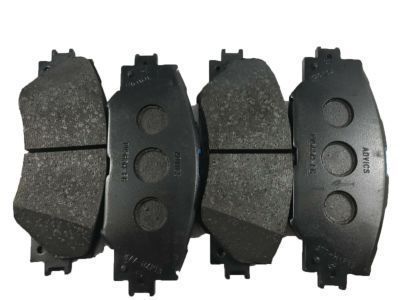
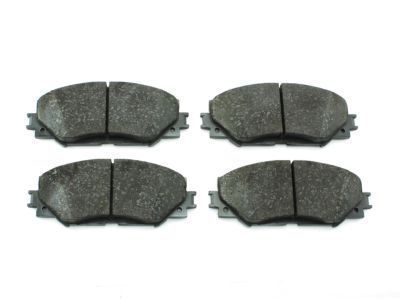
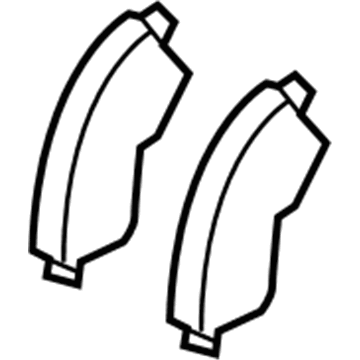
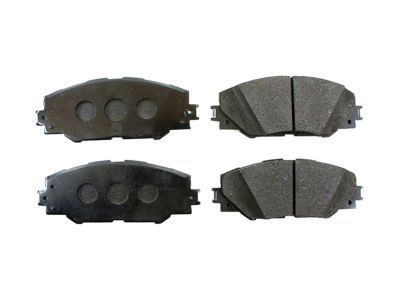
Toyota RAV4 Brake Pads, Front
Part Number: 04465-42200$75.25 MSRP: $104.50You Save: $29.25 (28%)Ships in 1-3 Business Days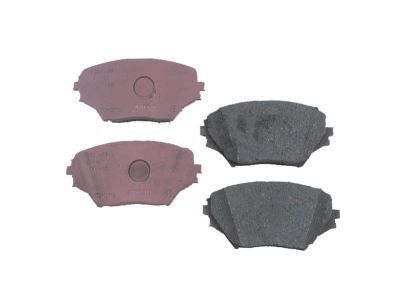
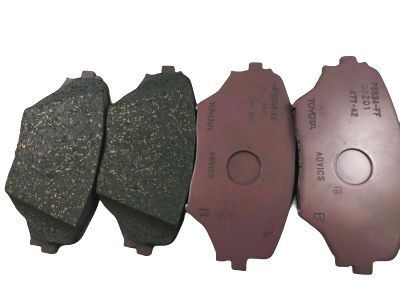
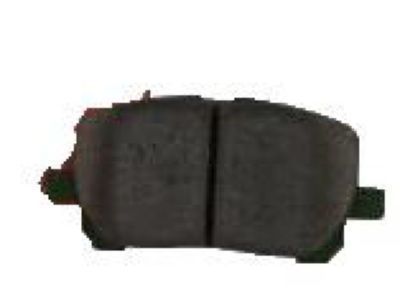
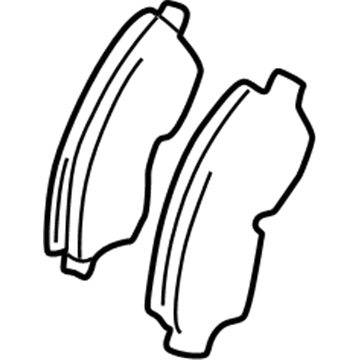
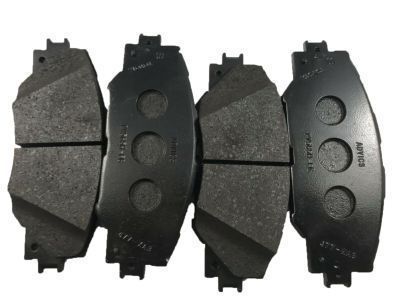
Toyota RAV4 Brake Pads, Front
Part Number: 04465-42130$76.07 MSRP: $105.63You Save: $29.56 (28%)Ships in 1 Business Day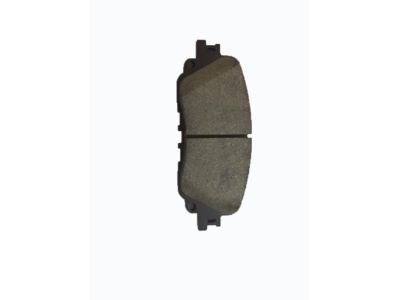
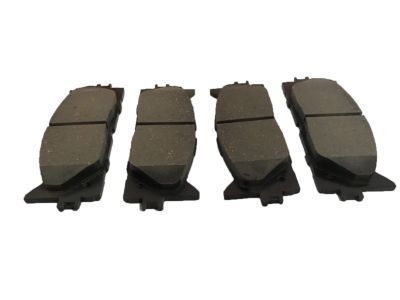
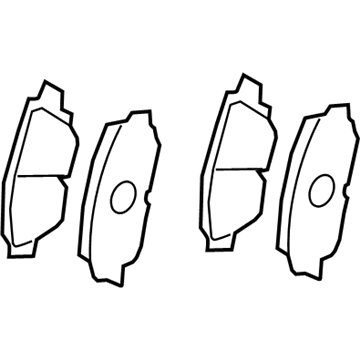
Toyota RAV4 Pad Kit, Disc Brake, Front
Part Number: 04465-33480$75.25 MSRP: $104.50You Save: $29.25 (28%)Ships in 1-2 Business Days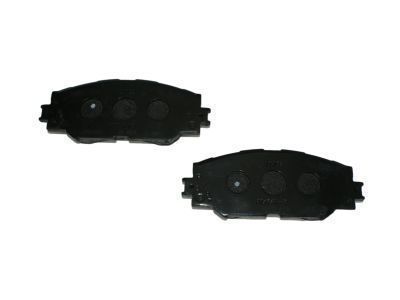
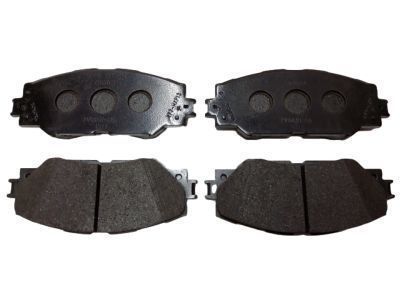
Toyota RAV4 Brake Pads, Front
Part Number: 04465-0R010$78.44 MSRP: $110.11You Save: $31.67 (29%)Ships in 1-3 Business Days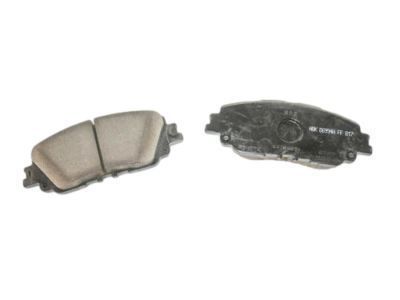
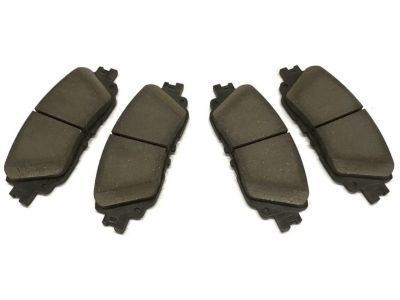
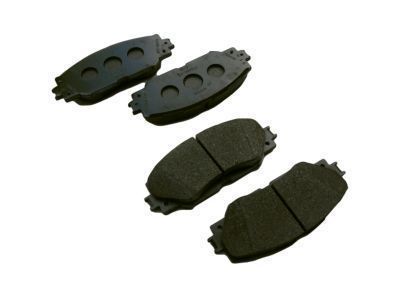
Toyota RAV4 Brake Pads, Front
Part Number: 04465-0E060$75.25 MSRP: $104.50You Save: $29.25 (28%)Ships in 1-3 Business Days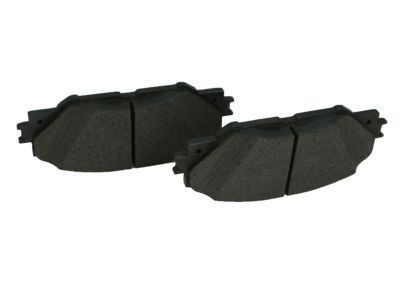
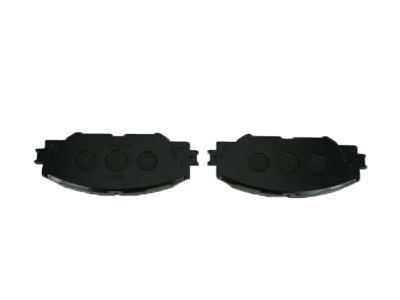
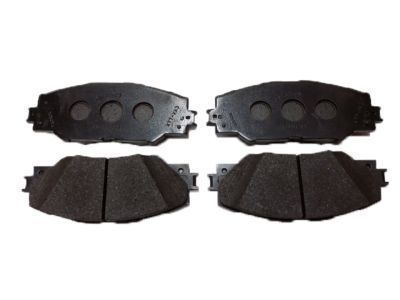
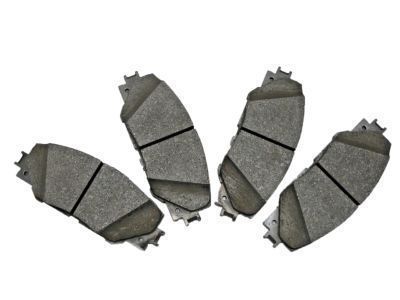
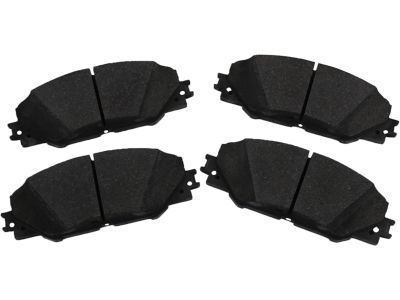
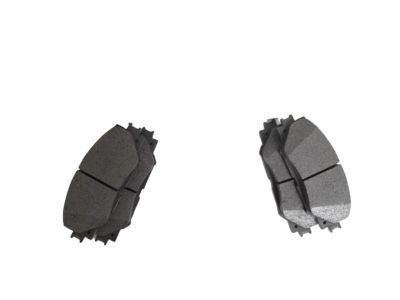
Toyota RAV4 Brake Pads, Front
Part Number: 04465-02230$75.25 MSRP: $104.50You Save: $29.25 (28%)Ships in 1-3 Business Days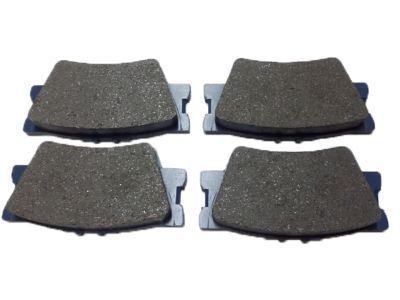
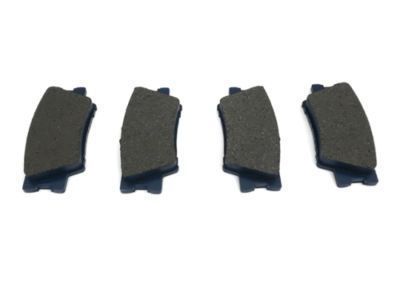
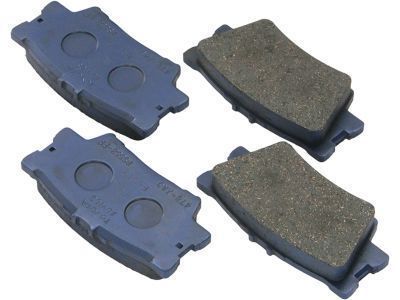
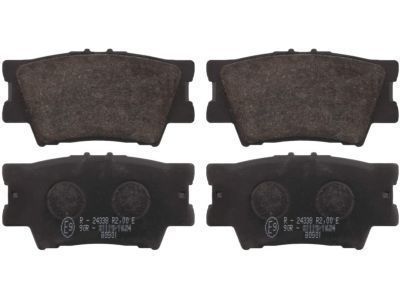
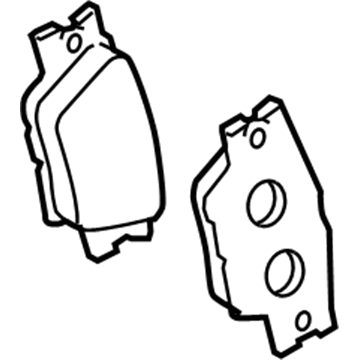
Toyota RAV4 Pad Kit, Disc Brake, Rear
Part Number: 04466-42060$53.78 MSRP: $78.00You Save: $24.22 (32%)Ships in 1-3 Business Days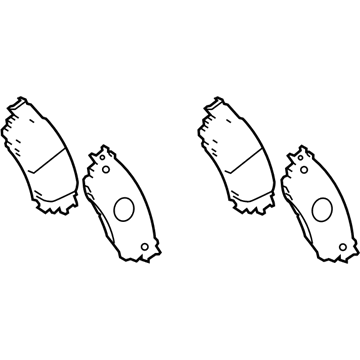
Toyota RAV4 Brake Pads, Rear
Part Number: 04466-42080$57.23 MSRP: $79.27You Save: $22.04 (28%)Ships in 1-3 Business Days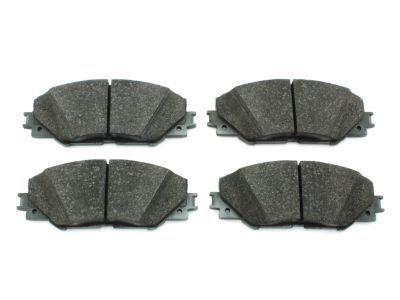
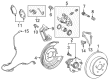
Toyota RAV4 Brake Pad Set
Choose genuine Brake Pad Set that pass strict quality control tests. You can trust the top quality and lasting durability. Shopping for OEM Brake Pad Set for your Toyota RAV4? Our website is your one-stop destination. We stock an extensive selection of genuine Toyota RAV4 parts. The price is affordable so you can save more. It only takes minutes to browse and find the exact fit. Easily add to cart and check out fast. Our hassle-free return policy will keep you stress-free. We process orders quickly for swift delivery. Your parts will arrive faster, so you can get back on the road sooner.
Toyota RAV4 Brake Pad Set Parts and Q&A
- Q: How to replace the front Brake Pad Set on Toyota RAV4?A:Start pad replacement by removing the front wheel while locking down the disc with the hub nuts. Check the pad lining thickness through the caliper inspection hole to determine pad replacement when the pads fall below 1.0 mm (0.039 in. thickness). After loosening the installation bolt through the sliding pin hole the user can lift the caliper and securely suspend it with the flexible hose still intact before removing the bolt. Begin the brake pad replacement by removing 2 brake pads combined with 4 anti-squeal shims, 4 pad support plates, and the pad wear indicator. Reuse support plates if they display no damage because they are still usable after cleaning. The technician should first inspect disc thickness and runout before installing the 4 pad support plates. To install new pads correctly you should replace anti-squeal shims at the same time while applying disc brake grease to both sides of the inner shims but install only 2 shims to each pad before applying inner and outer pads together with the pad wear indicator mounting on the inner pad. Clear all traces of oil and grease from the pad friction surface areas and disc. Brake fluid must be taken from the reservoir before using a hammer handle to press the piston inward and then adjusting the bleeder plug as required for smooth bleeding. Durability of caliper assembly depends on installing it and holding the sliding pin and torquing the installation bolt to 26 Nm (270 kgf-cm, 20 ft. lbs.). Replace the front wheel before verifying that fluid reaches the maximum marking on the reservoir.
- Q: How to replace the rear Brake Pad Set on Toyota RAV4?A:The first step to replace rear brake pads starts with removing the rear wheel followed by fastening the disc using the hub nuts. Check the pad lining thickness through the pad protector inspection hole to verify that the measurement exceeds 1.0 mm (0.039 in.); otherwise replace the pads. The process requires careful pad protector and guide pin extraction so the clip and protector may be saved for later reuse when in good shape. Apply a screwdriver to detach the protector before taking out the clip and guide pins. Move on to remove the anti-rattle spring and both pads and anti-squeal shims that belong to each pad. Before pad replacement verify the disc measurements and its ovality while you should use new anti-squeal shims for each pad set. Both sides of inner anti-squeal shims require disc brake grease application before pad installation with their placement facing inward. Also pull out brake fluid from the reservoir minimally. To push the piston while bleeding the system press the monkey wrench handle on the reservoir or another equivalent tool. The bleeder plug requires loosening if additional assistance is needed. Transport the inner pad opposite the pad wear indicator plate while placing the outer pad in position without any oils on its friction surfaces. Install the front wheel after fixing in its correct position and torquing to 103 Nm. Reinstall the anti-rattle spring, two pad guide pins, and clip and pad protector. Complete the installation of the rear wheel by tightening it to 103 Nm (1,050 kgf-cm, 76 ft. lbs.) then push the brake pedal multiple times followed by checking the fluid levels should reach maximum points.
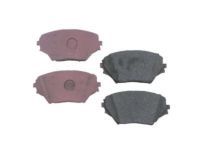
Related Toyota RAV4 Parts
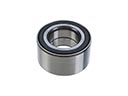 Toyota RAV4 Wheel Bearing
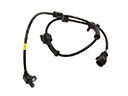 Toyota RAV4 Speed Sensor
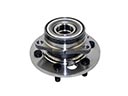 Toyota RAV4 Wheel Hub
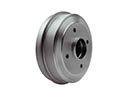 Toyota RAV4 Brake Drum
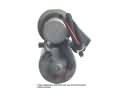 Toyota RAV4 ABS Pump And Motor Assembly
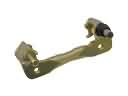 Toyota RAV4 Brake Caliper Bracket
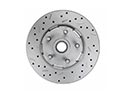 Toyota RAV4 Brake Disc
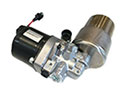 Toyota RAV4 Brake Fluid Pump
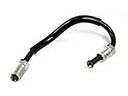 Toyota RAV4 Brake Line
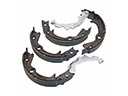 Toyota RAV4 Parking Brake Shoe
 Toyota RAV4 Spindle Nut
 Toyota RAV4 Wheel Cylinder Repair Kit