×
ToyotaParts- Hello
- Login or Register
- Quick Links
- Live Chat
- Track Order
- Parts Availability
- RMA
- Help Center
- Contact Us
- Shop for
- Toyota Parts
- Scion Parts
My Garage
My Account
Cart
OEM Toyota Fuel Level Sensor
Gas Gauge Sensor- Select Vehicle by Model
- Select Vehicle by VIN
Select Vehicle by Model
orMake
Model
Year
Select Vehicle by VIN
For the most accurate results, select vehicle by your VIN (Vehicle Identification Number).
208 Fuel Level Sensors found
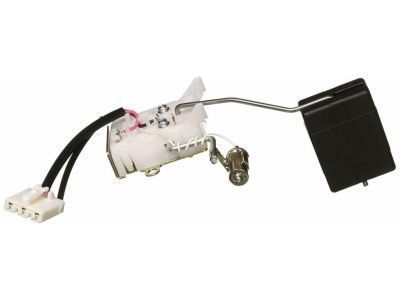

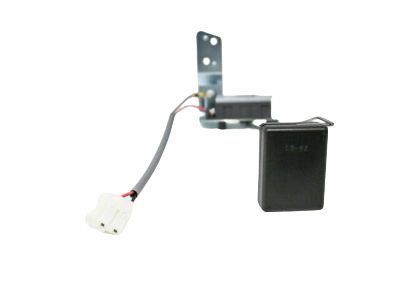
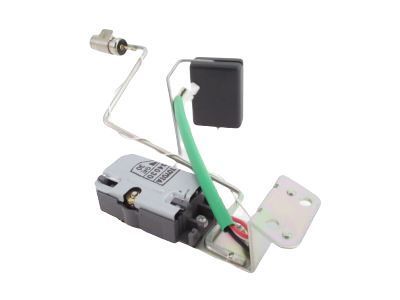
Toyota Fuel Gauge Sending Unit Part Number: 83320-35580
$202.12 MSRP: $288.58You Save: $86.46 (30%)Ships in 1-3 Business DaysProduct Specifications- Other Name: Gage Assembly, Fuel Sender; Fuel Tank Sending Unit; Fuel Level Sensor; Fuel Sending Unit; Sending Unit
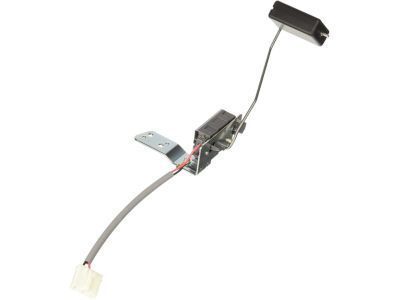
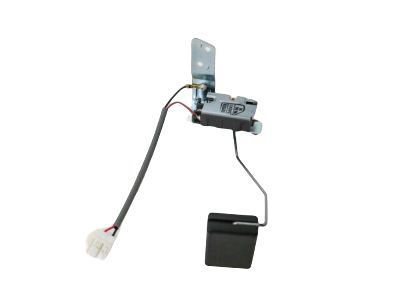
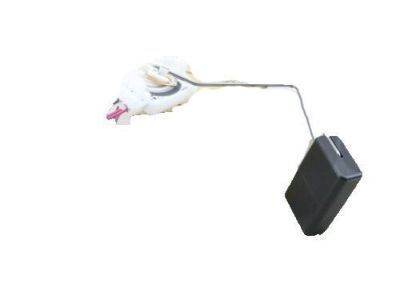
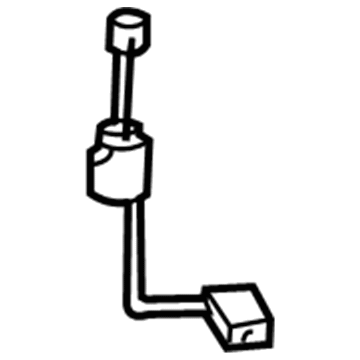
Toyota Fuel Gauge Sending Unit Part Number: 83320-34041
$124.77 MSRP: $176.63You Save: $51.86 (30%)Ships in 1-2 Business DaysProduct Specifications- Other Name: Gage Assembly, Fuel Sender; Fuel Tank Sending Unit; Fuel Level Sensor; Fuel Sending Unit; Fuel Sender Unit
- Replaces: 83320-34040
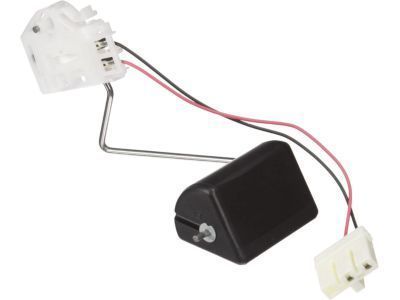
Toyota Fuel Gauge Sending Unit Part Number: 83320-60440
$125.13 MSRP: $177.13You Save: $52.00 (30%)Ships in 1-3 Business DaysProduct Specifications- Other Name: Gage Assembly, Fuel Sender; Fuel Tank Sending Unit; Fuel Level Sensor; Fuel Sending Unit; Fuel Sender Unit

Toyota Fuel Gauge Sending Unit Part Number: 83320-02010
$79.74 MSRP: $111.93You Save: $32.19 (29%)Ships in 1-3 Business DaysProduct Specifications- Other Name: Gage Assembly, Fuel Sender; Fuel Tank Sending Unit; Fuel Pump Module; Fuel Level Sensor; Sending Unit; Level Indicator; Tank Sending Unit
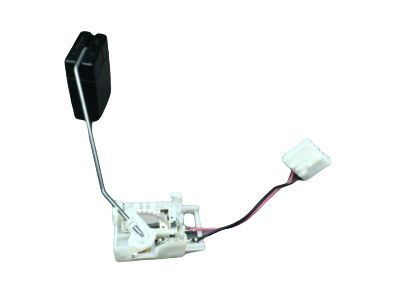
Toyota Fuel Gauge Sending Unit Part Number: 83320-52070
$87.20 MSRP: $122.41You Save: $35.21 (29%)Ships in 1-3 Business DaysProduct Specifications- Other Name: Gage Assembly, Fuel Sender; Hanger Assembly; Pump Module; Tank Sending Unit; Level Sensor; Level Sensor; Fuel Sender Unit
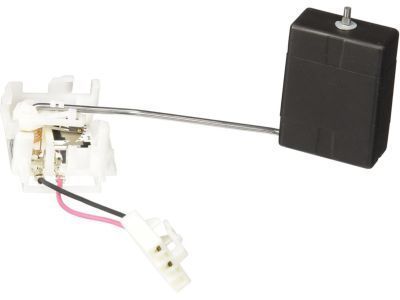

Toyota Fuel Gauge Sending Unit Part Number: 83320-02050
$98.70 MSRP: $138.54You Save: $39.84 (29%)Ships in 1-3 Business DaysProduct Specifications- Other Name: Gage Assembly, Fuel Sender; Hanger Assembly; Pump Module; Tank Sending Unit; Level Sensor; Sending Unit
- Replaces: 83320-12640
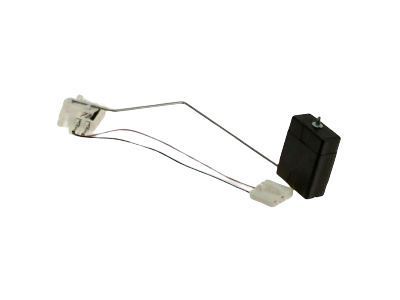
Toyota Fuel Gauge Sending Unit Part Number: 83320-0C080
$100.95 MSRP: $141.70You Save: $40.75 (29%)Product Specifications- Other Name: Gage Assembly, Fuel Sender; Hanger Assembly; Tank Sending Unit; Pump Module; Level Sensor; Fuel Sender Unit
- Replaces: 83320-0C022, 83320-0C023
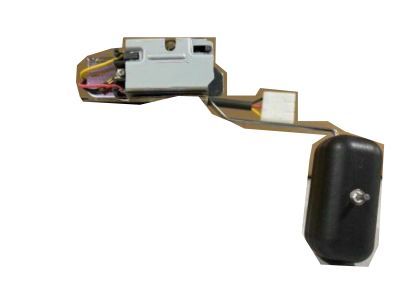
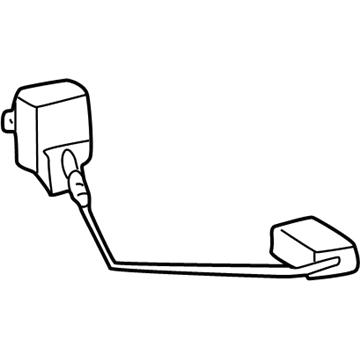
Toyota Fuel Gauge Sending Unit Part Number: 83320-35620
$123.83 MSRP: $175.30You Save: $51.47 (30%)Ships in 1-3 Business DaysProduct Specifications- Other Name: Gage Assembly, Fuel Sender; Fuel Sender and Hanger Assembly; Fuel Level Sensor; Fuel Sending Unit; Sending Unit
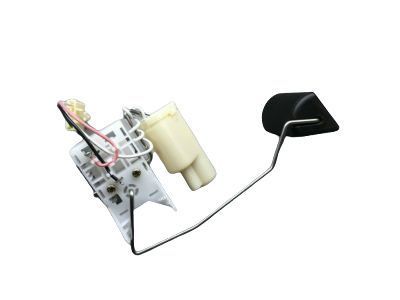
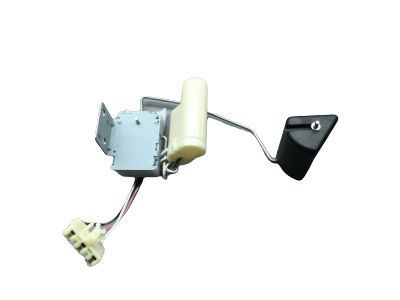
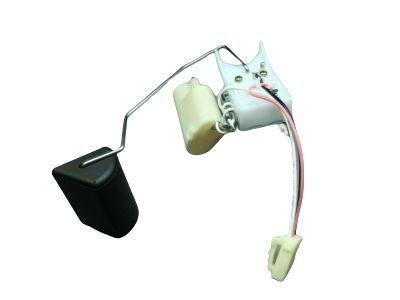
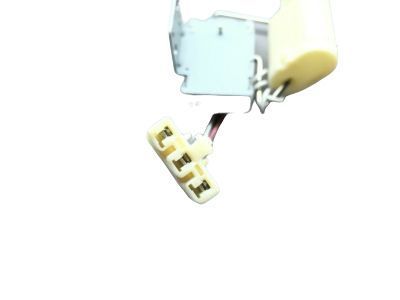
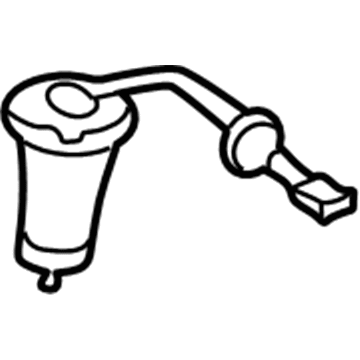
Toyota Fuel Gauge Sending Unit Part Number: 83320-49075
$176.37 MSRP: $251.82You Save: $75.45 (30%)Ships in 1-3 Business DaysProduct Specifications- Other Name: Gage Assembly, Fuel Sender; Fuel Level Sensor; Fuel Sending Unit; Sending Unit
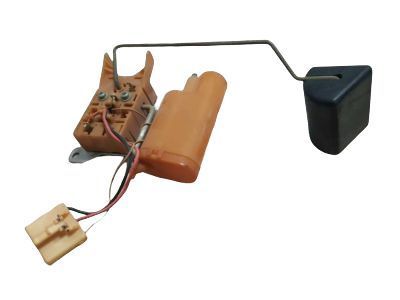
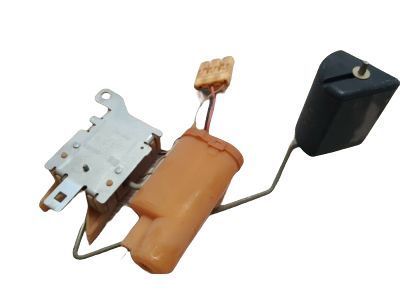
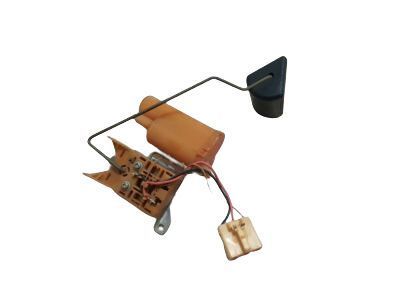
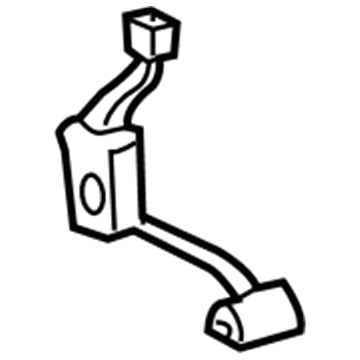
Toyota Gage Assembly, Fuel Sender Part Number: 83320-33030
$176.37 MSRP: $251.82You Save: $75.45 (30%)Ships in 1-2 Business DaysProduct Specifications- Other Name: Fuel Pump Module Assembly; Fuel Level Sensor; Fuel Sending Unit
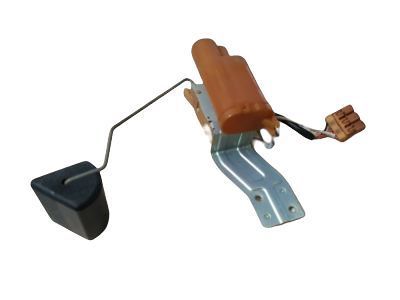
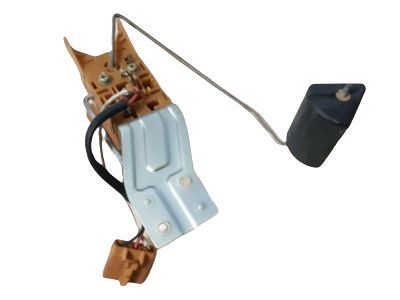
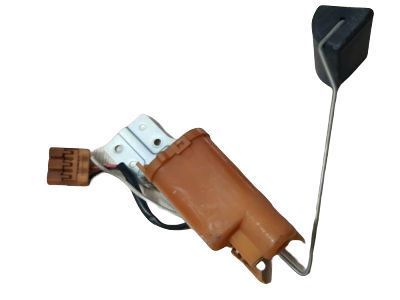
Toyota Gage Assembly, Fuel Sender Part Number: 83320-80204
$195.59 MSRP: $279.26You Save: $83.67 (30%)Ships in 1-3 Business DaysProduct Specifications- Other Name: Fuel Tank Sending Unit; Fuel Level Sensor; Fuel Sending Unit
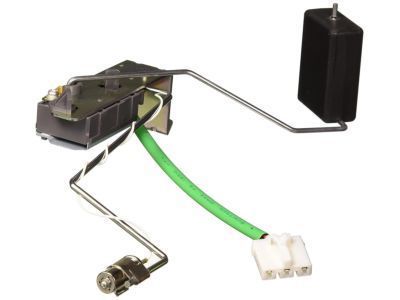
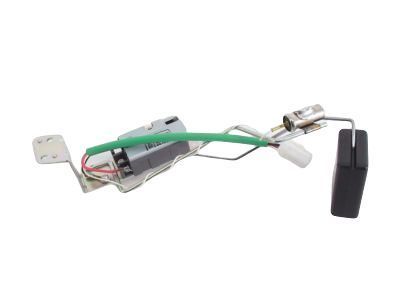
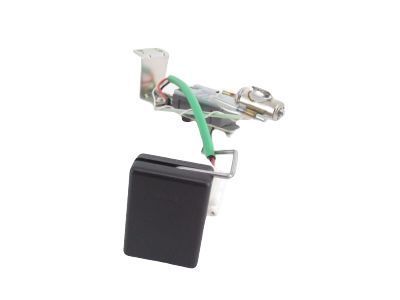
Toyota Fuel Gauge Sending Unit Part Number: 83320-34030
$201.53 MSRP: $287.74You Save: $86.21 (30%)Ships in 1-3 Business DaysProduct Specifications- Other Name: Gage Assembly, Fuel Sender; Tank Sending Unit; Pump & Sender Assembly; Level Sensor; Pump Hanger; Fuel Sender Unit; Sending Unit
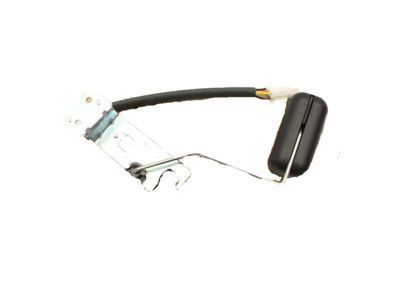
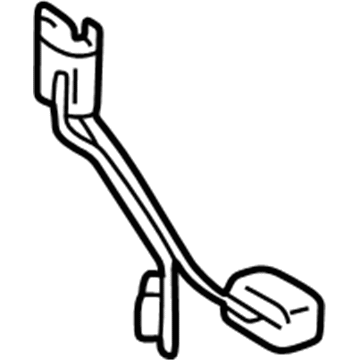
Toyota Gage Assembly, Fuel Sender Part Number: 83320-60340
$201.77 MSRP: $288.08You Save: $86.31 (30%)Ships in 1-3 Business DaysProduct Specifications- Other Name: Fuel Level Sensor; Fuel Sending Unit
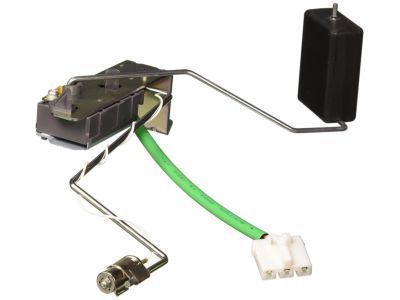

Toyota Fuel Gauge Sending Unit Part Number: 83320-35560
$202.12 MSRP: $288.58You Save: $86.46 (30%)Ships in 1-3 Business DaysProduct Specifications- Other Name: Gage Assembly, Fuel Sender; Tank Sending Unit; Pump & Sender Assembly; Level Sensor; Pump Hanger; Sending Unit
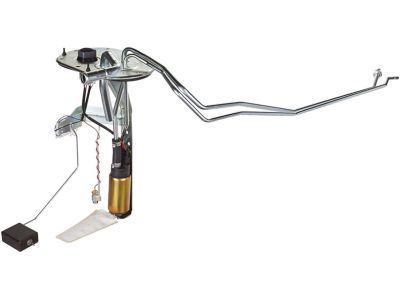
Toyota Fuel Gauge Sending Unit Part Number: 83320-80331
$206.89 MSRP: $295.40You Save: $88.51 (30%)Ships in 1-3 Business DaysProduct Specifications- Other Name: Gage Assembly, Fuel Sender; Hanger Assembly; Fuel Pump; Fuel Level Sensor; Sending Unit; Sending Unit
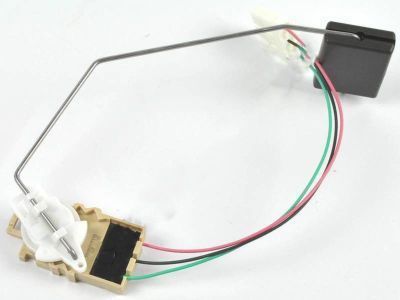
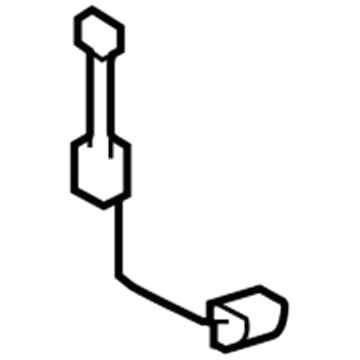
Toyota Fuel Gauge Sending Unit Part Number: 83320-60690
$79.15 MSRP: $111.10You Save: $31.95 (29%)Ships in 1-3 Business DaysProduct Specifications- Other Name: Gage Assembly, Fuel Sender; Fuel Sender and Hanger Assembly; Fuel Level Sensor; Fuel Sending Unit; Fuel Sender Unit
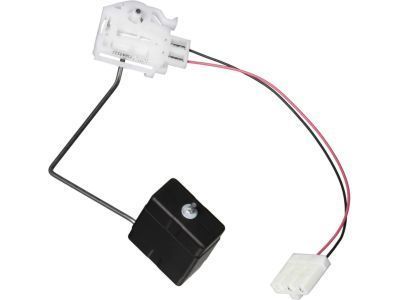
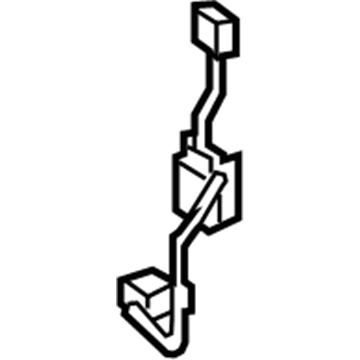
Toyota Gage Assembly, Fuel Sender Part Number: 83320-60620
$79.15 MSRP: $111.10You Save: $31.95 (29%)Ships in 1-3 Business DaysProduct Specifications- Other Name: Fuel Level Sensor; Fuel Sending Unit
- Replaces: 83320-60520
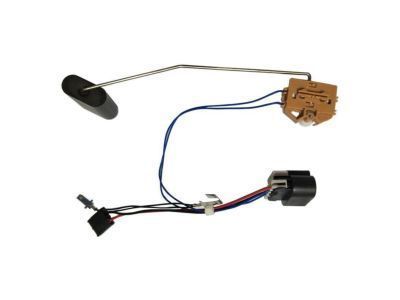
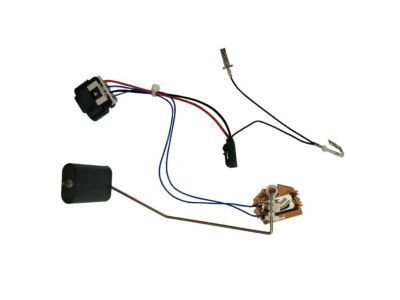
Toyota Fuel Gauge Sending Unit Part Number: 83320-0C060
$79.15 MSRP: $111.10You Save: $31.95 (29%)Ships in 1-3 Business DaysProduct Specifications- Other Name: Gage Assembly, Fuel Sender; Hanger Assembly; Pump Module; Level Sensor; Sending Unit; Fuel Sender Unit
- Manufacturer Note: FUEL TANK-38 GALLON
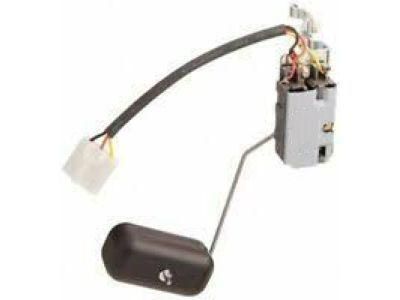

Toyota Gage Assembly, Fuel Sender Part Number: 83320-06121
$79.15 MSRP: $111.10You Save: $31.95 (29%)Ships in 1-2 Business DaysProduct Specifications- Other Name: Fuel Pump Module Assembly; Fuel Level Sensor; Fuel Sending Unit
- Replaces: 83320-06120
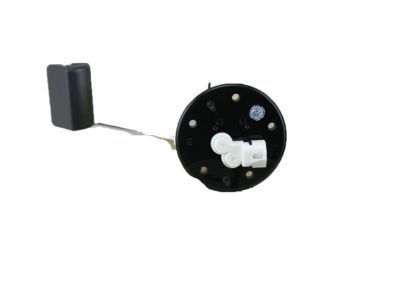

Toyota Fuel Gauge Sending Unit Part Number: 83320-49205
$79.74 MSRP: $111.93You Save: $32.19 (29%)Ships in 1 Business DayProduct Specifications- Other Name: Gage Assembly, Fuel Sender; Hanger Assembly; Tank Sending Unit; Level Sensor; Sending Unit
| Page 1 of 11 |Next >
1-20 of 208 Results
Toyota Fuel Level Sensor
OEM parts deliver unmatched quality you can rely on. They pass extensive quality control inspections. Toyota produces them to the official factory specifications. This process helps prevent defects and imperfections. So you can get exceptional lifespan and a flawless fit. Need new OEM Toyota Fuel Level Sensor? You'll love our wide selection of genuine options. Shop in minutes and skip the hunt. Our prices are unbeatable, you'll save time and money. It's easy to shop and find the right piece. Our committed customer service team gives professional help from start to finish. Every part includes a manufacturer's warranty. We ship quickly, your parts will arrive fast at your door.
Toyota Fuel Level Sensor informs you of the amount of gas that is left without the need to worry and guess. Since 1937, Toyota has thrived on the philosophy of waste reduction, giving employees the power to fix problems fast, introducing TNGA architecture, and the Fuel Level Sensor is part of this spirit of useful innovation, which leaves the vehicles durable, efficient, and reliable with families who simply want their car to start, move, and tell the truth. Toyota keeps expanding the hybrid range beyond small hatchbacks to plug-in crossovers and every Fuel Level Sensor is helping make that expansion happen with a range-fueling promise that adds to the smart mobility already vested in decades of proven craftsmanship and unrelenting road trials across busy city streets and open highways everywhere and in every climate every year. Toyota uses the Fuel Level Sensor system of float, pivot rod, and resistor to convert movement of the fuel surface into a constant electrical impulse to power the gauge and its low-power circuit even withstands tank heat, vibration, and long summer drives yet still indicates gallons remaining with unbroken clarity. Toyota subjects every Fuel Level Sensor to corrosion and sloshing, is simple to calibrate, and the float slides easily to ensure that the resistor follows a straight path, the gauge warning lights appear at the appropriate time, and the drivers receive immediate feedback, which can help them schedule their stops and not run dry on empty roads.
Toyota Fuel Level Sensor Parts and Q&A
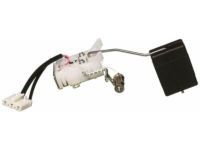
- Q:How to replace a Fuel Level Sensor on Toyota Camry?A:A procedure to remove the fuel level sensor begins with deflating the fuel system pressure. Disconnect the cable from the negative battery terminal following which initialization procedures might be necessary after reconnection. Start by taking off the rear seat cushion assembly while following it with removal of the rear floor service hole cover. You should detach the fuel pump tube sub-assembly followed by removing the fuel tank vent tube set plate. Clean up the operation by removing the fuel suction tube assembly which combines the pump and gauge followed by the fuel level sensor assembly.
- Q:How to replace a Fuel Level Sensor on Toyota Tundra?A:The procedure to remove the fuel level sensor begins with removing the fuel suction with pump and gauge tube assembly by detaching it from the vehicle. The next procedure requires disconnecting the connector between the fuel level sensor gauge. Pressing down the level sensor gauge claw marked A enables the removal of the gauge by sliding it upward.
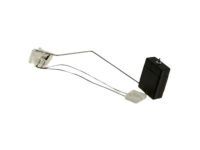
Related Toyota Parts
 Toyota Gas Cap
 Toyota Fuel Pump
 Toyota Fuel Filter
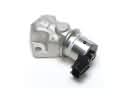 Toyota Idle Control Valve
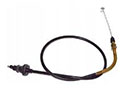 Toyota Accelerator Cable
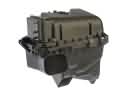 Toyota Air Filter Box
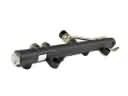 Toyota Fuel Rail
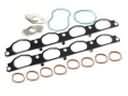 Toyota Intake Manifold Gasket
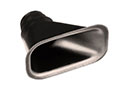 Toyota Air Duct
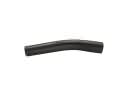 Toyota Fuel Filler Hose
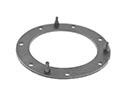 Toyota Fuel Pump Gasket
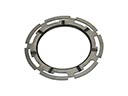 Toyota Fuel Tank Lock Ring
Browse Toyota Fuel Level Sensor by Models
Tacoma 4Runner Camry Tundra Corolla RAV4 Highlander Prius Sienna Land Cruiser Pickup FJ Cruiser 86 Sequoia T100 Avalon Celica Supra Yaris Matrix MR2 Solara Venza GR86 Echo C-HR Cressida Grand Highlander Paseo Previa Prius C Prius Prime Corolla Cross Corolla iM Crown Crown Signia GR Corolla MR2 Spyder Prius V Starlet Tercel Van Yaris iA Prius Plug-In Prius AWD-e RAV4 Prime