×
ToyotaParts- Hello
- Login or Register
- Quick Links
- Live Chat
- Track Order
- Parts Availability
- RMA
- Help Center
- Contact Us
- Shop for
- Toyota Parts
- Scion Parts
My Garage
My Account
Cart
OEM Toyota Camry Parking Brake Cable
Emergency Parking Brake Release Cable- Select Vehicle by Model
- Select Vehicle by VIN
Select Vehicle by Model
orMake
Model
Year
Select Vehicle by VIN
For the most accurate results, select vehicle by your VIN (Vehicle Identification Number).
51 Parking Brake Cables found
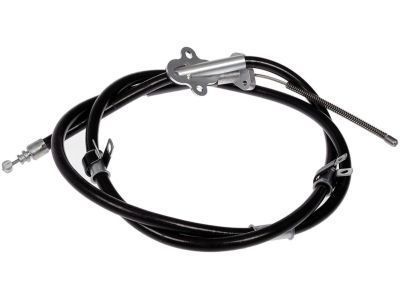
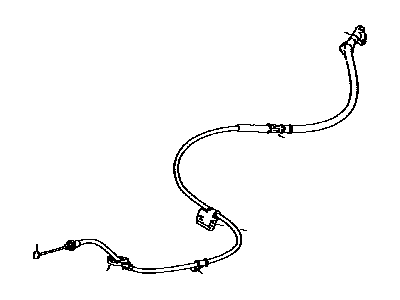

Toyota Camry Rear Cable Part Number: 46420-06090
$75.95 MSRP: $106.60You Save: $30.65 (29%)Ships in 1-2 Business Days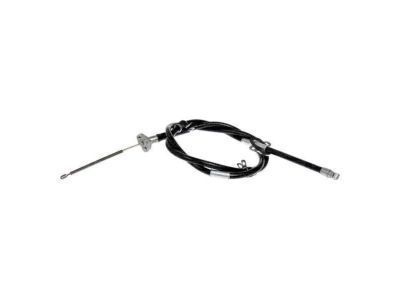
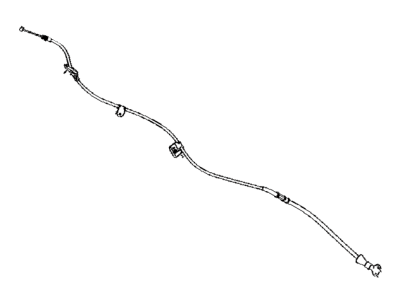
Toyota Camry Rear Cable Part Number: 46430-06090
$90.52 MSRP: $127.06You Save: $36.54 (29%)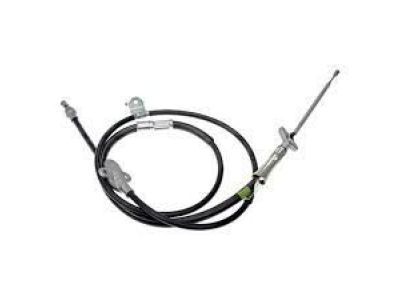
Toyota Camry Rear Cable Part Number: 46420-06160
$90.52 MSRP: $127.06You Save: $36.54 (29%)Ships in 1-3 Business Days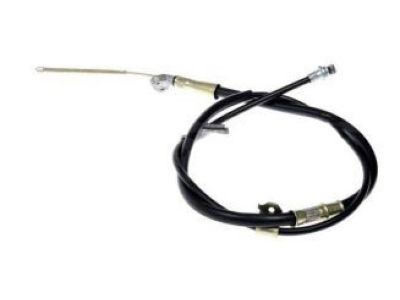
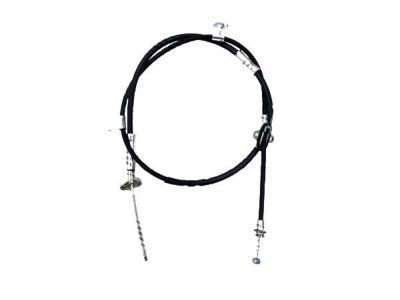
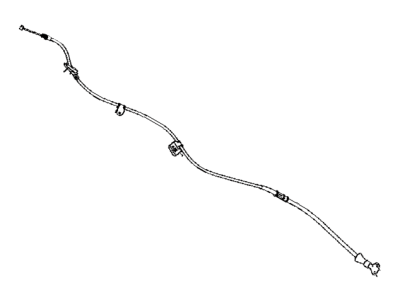
Toyota Camry Rear Cable Part Number: 46430-06160
$95.50 MSRP: $134.05You Save: $38.55 (29%)Ships in 1-3 Business Days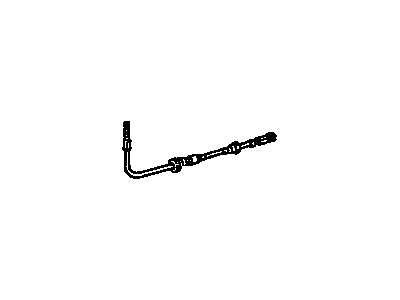
Toyota Camry Front Cable Part Number: 46410-33070
$34.76 MSRP: $48.39You Save: $13.63 (29%)Ships in 1-3 Business Days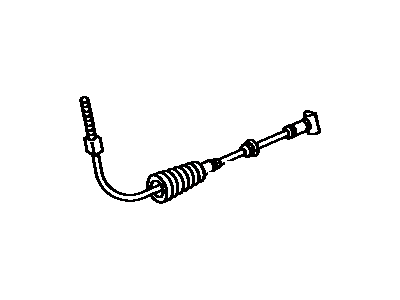
Toyota Camry Front Cable Part Number: 46410-33020
$38.23 MSRP: $53.21You Save: $14.98 (29%)Ships in 1-3 Business Days
Toyota Camry Front Cable Part Number: 46410-33150
$37.51 MSRP: $52.22You Save: $14.71 (29%)Ships in 1-3 Business Days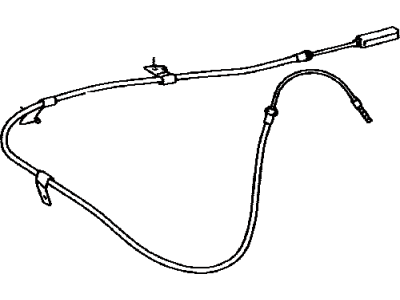
Toyota Camry Front Cable Part Number: 46410-06030
$44.44 MSRP: $61.85You Save: $17.41 (29%)Ships in 1-3 Business Days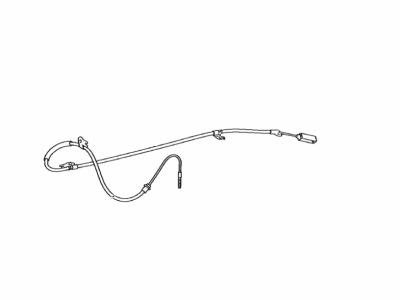
Toyota Camry Front Cable Part Number: 46410-33240
$59.02 MSRP: $82.15You Save: $23.13 (29%)Ships in 1-3 Business Days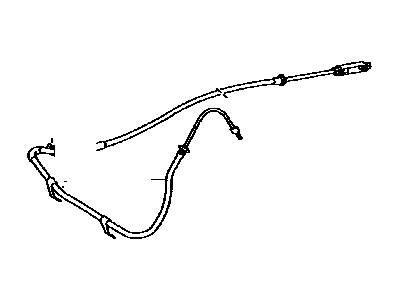
Toyota Camry Front Cable Part Number: 46410-06140
$61.37 MSRP: $86.15You Save: $24.78 (29%)Ships in 1-3 Business Days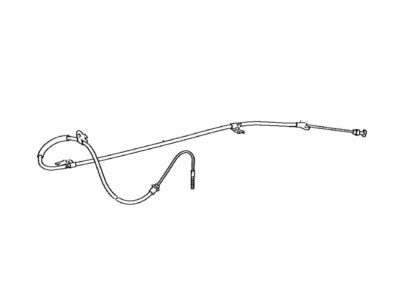
Toyota Camry Front Cable Part Number: 46410-06171
$63.39 MSRP: $88.97You Save: $25.58 (29%)Ships in 1-3 Business DaysToyota Camry Front Cable Part Number: 46410-33040
$64.36 MSRP: $90.33You Save: $25.97 (29%)Ships in 1-3 Business DaysToyota Camry Front Cable Part Number: 46410-06170
$63.98 MSRP: $89.80You Save: $25.82 (29%)Ships in 1-3 Business Days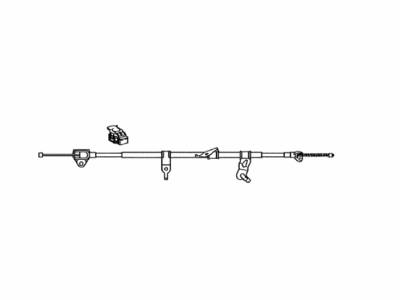
Toyota Camry Rear Cable Part Number: 46430-33210
$65.87 MSRP: $92.47You Save: $26.60 (29%)Ships in 1-3 Business Days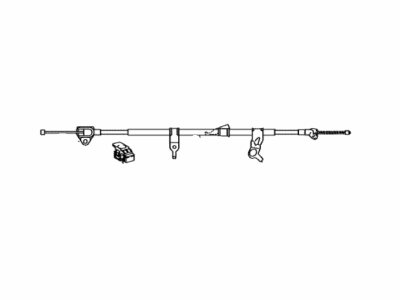
Toyota Camry Rear Cable Part Number: 46420-33230
$67.89 MSRP: $95.29You Save: $27.40 (29%)Ships in 1-3 Business Days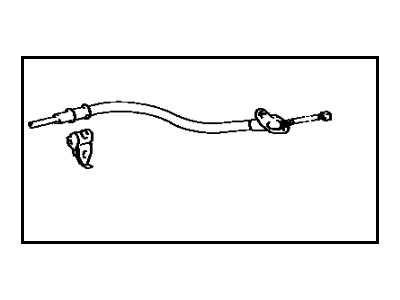
Toyota Camry Cable Part Number: 46430-32130
$67.63 MSRP: $94.93You Save: $27.30 (29%)Ships in 1-3 Business Days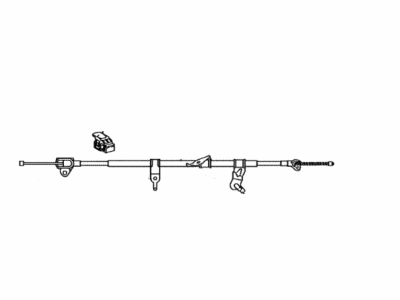
Toyota Camry Rear Cable Part Number: 46430-06190
$71.68 MSRP: $100.62You Save: $28.94 (29%)Ships in 1-3 Business Days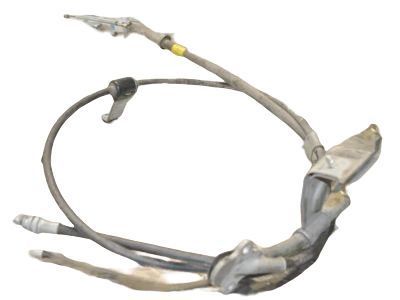
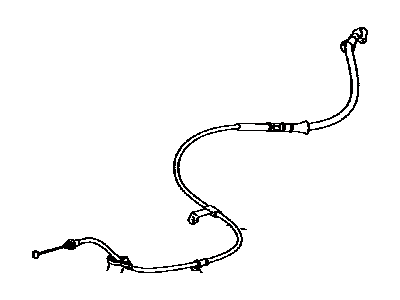
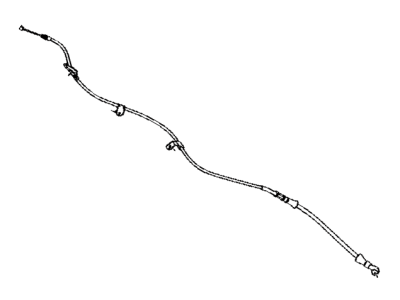
Toyota Camry Rear Cable Part Number: 46420-06172
$70.14 MSRP: $98.45You Save: $28.31 (29%)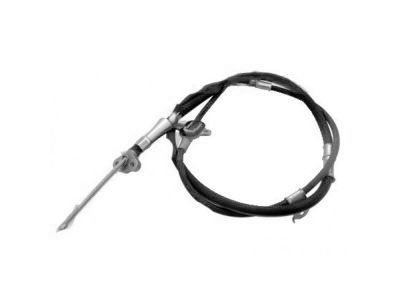
Toyota Camry Rear Cable Part Number: 46430-06172
$70.14 MSRP: $98.45You Save: $28.31 (29%)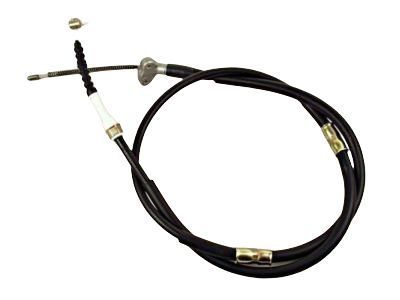
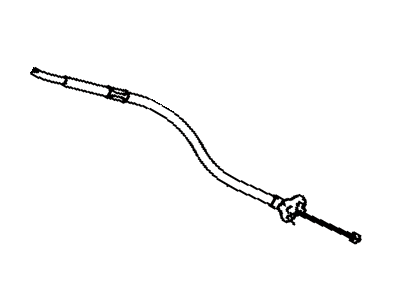
Toyota Camry Cable Assembly, Parking Brake Part Number: 46430-33041
| Page 1 of 3 |Next >
1-20 of 51 Results
Toyota Camry Parking Brake Cable
Choose genuine Parking Brake Cable that pass strict quality control tests. You can trust the top quality and lasting durability. Shopping for OEM Parking Brake Cable for your Toyota Camry? Our website is your one-stop destination. We stock an extensive selection of genuine Toyota Camry parts. The price is affordable so you can save more. It only takes minutes to browse and find the exact fit. Easily add to cart and check out fast. Our hassle-free return policy will keep you stress-free. We process orders quickly for swift delivery. Your parts will arrive faster, so you can get back on the road sooner.
The Parking Brake Cable in Toyota Camry is amongst the most essential and vital parts of a car to apply for parking control particularly on inclined surfaces to prevent rolling of a vehicle. This cable links the parking brake or the emergency brake or handbrake to the actual brake system so that when it is pulled, the brakes will operate as required. Different types of Parking Brake Cable have been used in successive models of Toyota Camry over the years, with perfectly satisfactory performance maintaining characteristics. Possible indications that a vehicle has a damaged Parking Brake Cable can be low tension which will reduce the braking force of the parking brake or no tension at all if the cable breaks.
Toyota Camry Parking Brake Cable Parts and Q&A
- Q:How to remove the parking brake cable on Toyota Camry?A:The first step to remove the parking brake cable involves disconnecting the negative battery terminal before waiting 90 seconds to stop Air Bags from activating. The front seat assembly from both sides and the power seat assembly should be disassembled first followed by manual transaxle vehicles requiring removal of the parking brake lever sub-assembly. First separate both manual and automatic transaxles from their No.1 parking brake cable assembly followed by cutting off automatic transaxle parking brake pedal assembly. The technician needs to remove the luggage door lock open lever sub-assembly, front floor carpet assembly, and cross member floor No. 4 reinforcement sub-assembly that belongs to automatic transaxles. Removing the No. 4 parking brake cable assembly requires users to slide the boot off before disconnecting it from the equalizer. Vehicles equipped with a 2AZ-FE engine require removal of the center Exhaust Pipe assembly whereas vehicles equipped with a 2GR-FE engine need exhaust tail pipe assembly along with the center pipe assembly removal. The second operation requires removal of the No. 2 front floor heat lower insulator followed by the rear wheel then separation of the rear disc Brake Caliper assembly along with its rear disc. Sequel to the first step remove the parking brake shoe return tension No. 1 spring followed by the parking brake shoe strut then No. 1 and No. 2 parking brake shoe assemblies and the parking brake shoe adjusting screw set. To remove the No. 3 parking brake cable assembly you must disconnect it from the backing plate after removing its clip using needle-nose pliers and unfastening all required bolts and nuts beforeextracting the assembly and clamp from the body.
- Q:How to install the No. 3 parking brake cable assembly and related components on Toyota Camry?A:The procedure for installing the No. 3 parking brake cable assembly starts with cable clamp installation followed by use of 3 bolts (A) and 1 bolt (B) along with 1 nut (C) until every claw has its location then bolt (A) should be tightened to 8.5 Nm (87 kgf-cm, 75 in-lbf) while bolts (B) and (C) require 6.0 Nm (61 kgf-cm, 53 in-lbf) torque. The assembly must be mounted to the backing plate through two bolts that should be torqued to 8.0 Nm (82 kgf-cm, 71 in-lbf). A brass bar together with a hammer is needed to install the clip. The installation process begins with the No. 2 parking brake shoe assembly followed by the parking brake shoe adjusting screw set then proceeds with the No. 1 parking brake shoe assembly after which the parking brake shoe strut is attached together with the parking brake shoe return tension No. 1 spring. After checking the parking brake installation you must install the rear disc while adjusting its shoe clearance before fitting the rear disc Brake Caliper. Finally, set the rear wheel into place. When installing the No. 2 front floor heat lower insulator on the 2AZ-FE model use 3 nuts which should be torque to 4.9 Nm (50 kgf-cm, 43 in-lbf). The installation of the automatic transaxle requires connecting the No. 4 parking brake cable assembly to the parking brake equalizer before sliding the rubber boot back while connecting the No. 2 and No. 3 parking brake cable assemblies to the equalizer and then installing the cross member floor No. 4 reinforcement sub-assembly followed by the front floor carpet assembly and luggage door lock open lever sub-assembly. The installation of the No. 1 parking brake cable assembly occurs alongside the parking brake lever sub-assembly for manual transaxles yet parking brake pedal assembly takes its place for automatic transaxles. Follow the exact procedures to install the front seats for manual and power versions on both side of the vehicle. The technician must inspect and adjust parking brake components while attaching the manual seat cable to the battery terminal for zero point calibration followed by sensitivity tests of the systems and seat assembly check for exhaust leaks.
Related Toyota Camry Parts
 Toyota Camry Brake Pads
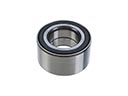 Toyota Camry Wheel Bearing
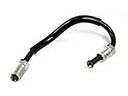 Toyota Camry Brake Line
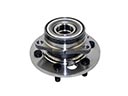 Toyota Camry Wheel Hub
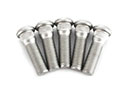 Toyota Camry Wheel Stud
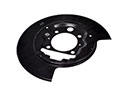 Toyota Camry Backing Plate
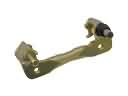 Toyota Camry Brake Caliper Bracket
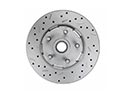 Toyota Camry Brake Rotor
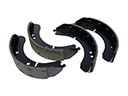 Toyota Camry Brake Shoe Set
 Toyota Camry Hydraulic Hose
 Toyota Camry Parking Brake Shoes
 Toyota Camry Wheel Cylinder Repair Kit