×
ToyotaParts- Hello
- Login or Register
- Quick Links
- Live Chat
- Track Order
- Parts Availability
- RMA
- Help Center
- Contact Us
- Shop for
- Toyota Parts
- Scion Parts
My Garage
My Account
Cart
OEM Toyota Subwoofer
Audio Subwoofer- Select Vehicle by Model
- Select Vehicle by VIN
Select Vehicle by Model
orMake
Model
Year
Select Vehicle by VIN
For the most accurate results, select vehicle by your VIN (Vehicle Identification Number).
54 Subwoofers found
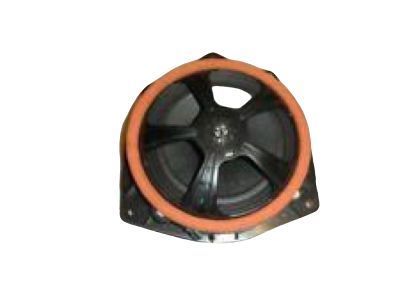
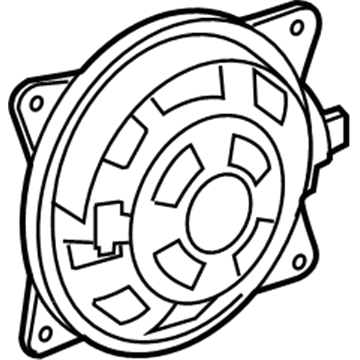
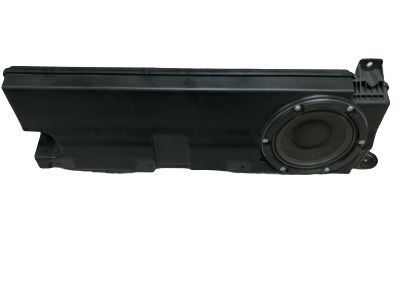
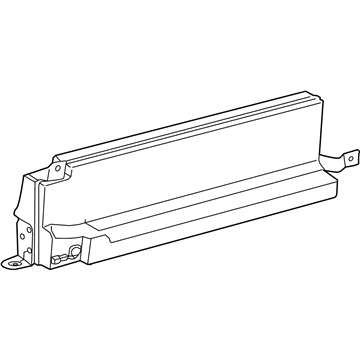
Toyota Woofer, Rear Part Number: 86160-0WF40
$459.66 MSRP: $673.64You Save: $213.98 (32%)Ships in 1-3 Business DaysProduct Specifications- Other Name: Speaker Assembly, Radio; Speaker, Rear; Speaker Assembly, Stereo Component, Rear
- Position: Rear
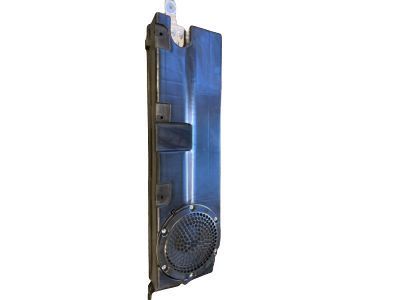
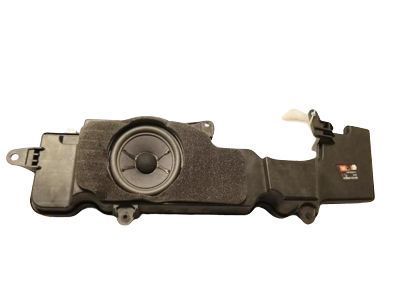
Toyota Speaker Part Number: 86150-0C040
$360.92 MSRP: $512.64You Save: $151.72 (30%)Ships in 1-3 Business DaysProduct Specifications- Other Name: Speaker Assembly, With Box; Woofer; Speaker Assembly, W/Box
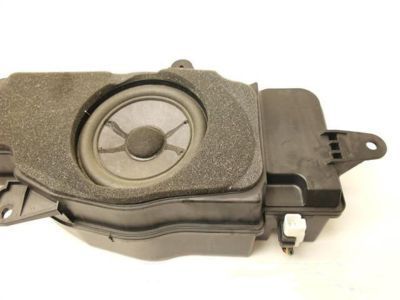
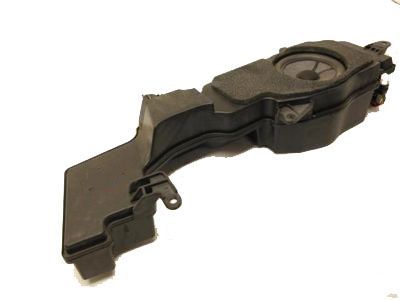
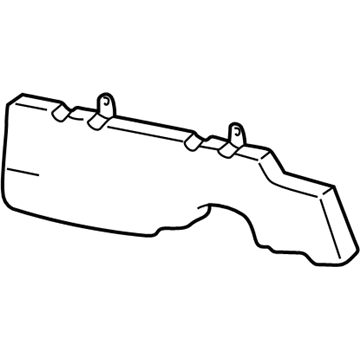
Toyota Woofer Part Number: 86150-0W020
$453.99 MSRP: $644.84You Save: $190.85 (30%)Product Specifications- Other Name: Speaker Assembly, With Box; Speaker; Speaker Assembly, W/Box
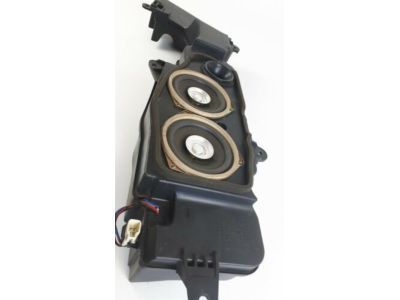
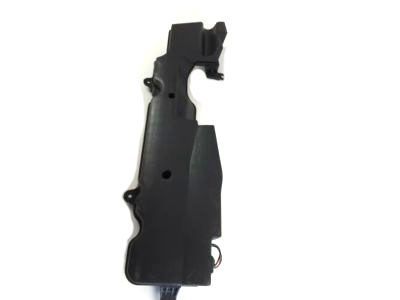
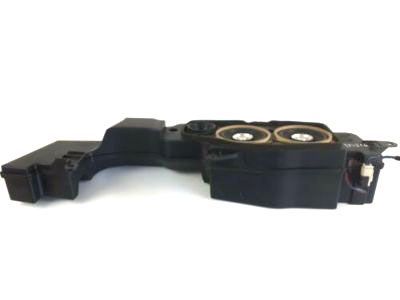
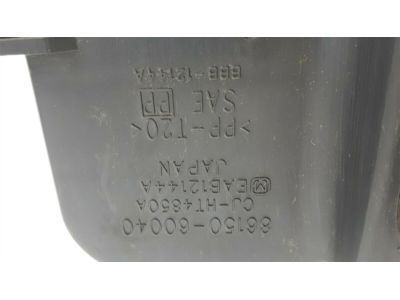
Toyota Woofer Part Number: 86150-60040
$515.49 MSRP: $732.20You Save: $216.71 (30%)Ships in 1-3 Business DaysProduct Specifications- Other Name: Speaker Assembly, With Box; Speaker; Speaker Assembly, W/Box
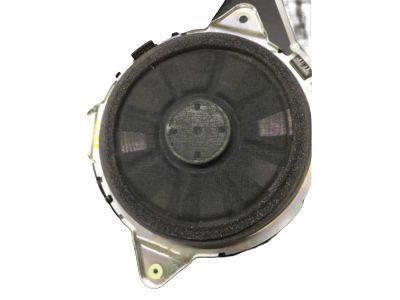
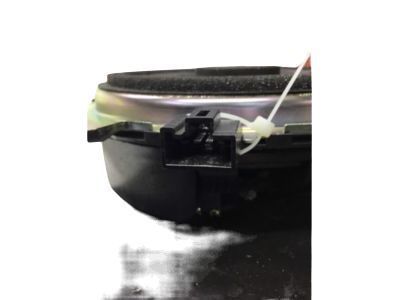
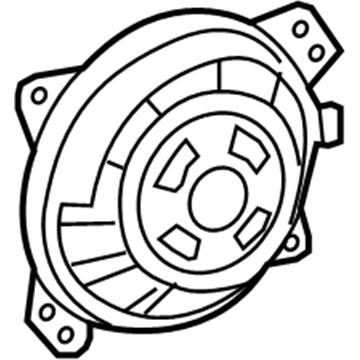
Toyota Woofer, Rear Part Number: 86160-0WJ40
$171.54 MSRP: $222.42You Save: $50.88 (23%)Ships in 1-2 Business DaysProduct Specifications- Other Name: Speaker Assembly, Radio; Speaker, Rear; Speaker Assembly, Stereo Component
- Position: Rear
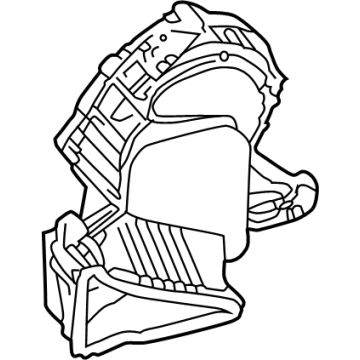
Toyota Speaker Assembly, W/Box Part Number: 86150-AN030
$528.90 MSRP: $751.24You Save: $222.34 (30%)Ships in 1-2 Business DaysProduct Specifications- Other Name: Speaker Assembly, With Box
- Manufacturer Note: SPEAKER-14SPEAKER & JBL
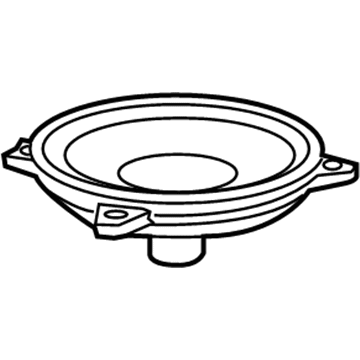
Toyota Package Tray Speaker, Rear Part Number: 86150-06020
$507.33 MSRP: $743.51You Save: $236.18 (32%)Ships in 1-3 Business DaysProduct Specifications- Other Name: Speaker Assembly, With Bracket; Speaker, Rear; Speaker; Woofer; Speaker Assembly, Stereo Component, Rear; Speaker Assembly, Rear
- Position: Rear
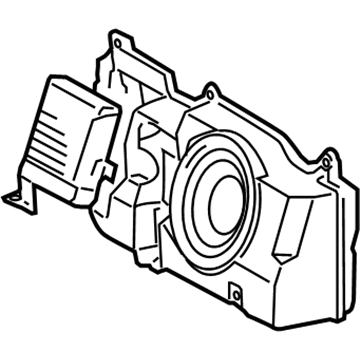
Toyota Woofer Part Number: 86150-04030
$470.33 MSRP: $668.05You Save: $197.72 (30%)Ships in 1-3 Business DaysProduct Specifications- Other Name: Speaker Assembly, With Box; Speaker; Speaker Assembly, W/Box
- Manufacturer Note: AUDIO-PREMIUM 6CD DASH CHANGER 7SPEAKER
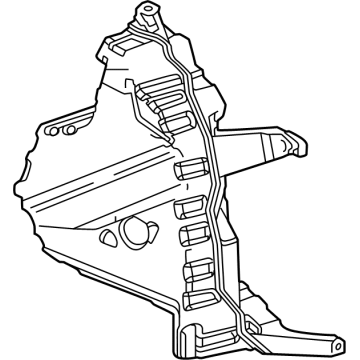
Toyota Woofer Part Number: 86150-0E230
$623.10 MSRP: $885.05You Save: $261.95 (30%)Ships in 1-2 Business DaysProduct Specifications- Other Name: Speaker Assembly, With Box; Speaker Assembly, W/Box
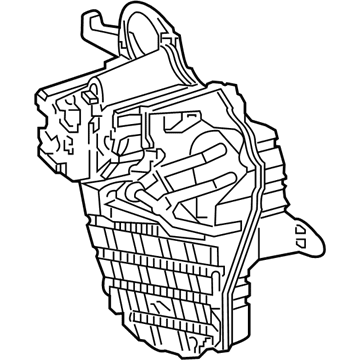

Toyota Speaker, Rear Part Number: 86150-42070
$592.46 MSRP: $841.52You Save: $249.06 (30%)Ships in 1-3 Business DaysProduct Specifications- Other Name: Speaker Assembly, With Box; Speaker, Rear; Woofer; Speaker Assembly, W/Box; Speaker Assembly, Rear
- Position: Rear
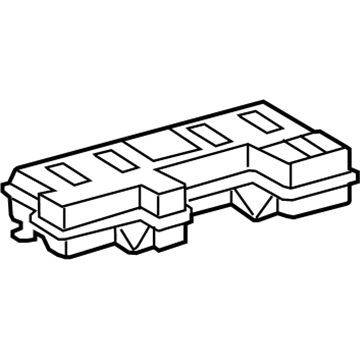
Toyota Woofer Part Number: 86150-0C010
$622.08 MSRP: $883.59You Save: $261.51 (30%)Ships in 1-3 Business DaysProduct Specifications- Other Name: Speaker Assembly, With Box; Speaker; Speaker Assembly, W/Box
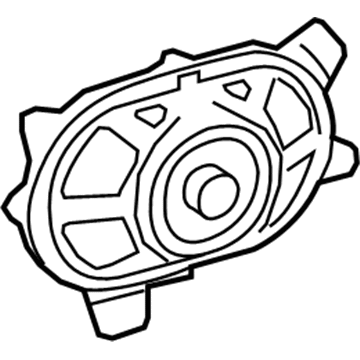
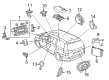
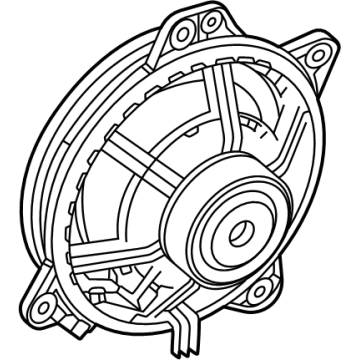
Toyota Woofer Part Number: 86160-08160
$526.74 MSRP: $771.94You Save: $245.20 (32%)Ships in 1-3 Business DaysProduct Specifications- Other Name: Speaker Assembly, Radio; Speaker; Speaker Assembly, Rear
Toyota Speaker Assembly, With Bracket Part Number: 86150-60430
$561.81 MSRP: $823.34You Save: $261.53 (32%)Ships in 1-2 Business DaysProduct Specifications- Other Name: SPEAKER ASSY, W/BRAC
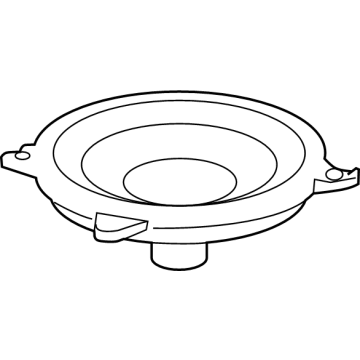
Toyota Speaker Assembly, With Bracket Part Number: 86150-V2010
$591.32 MSRP: $866.59You Save: $275.27 (32%)Ships in 1-2 Business DaysProduct Specifications- Other Name: SPEAKER ASSY, W/BRAC
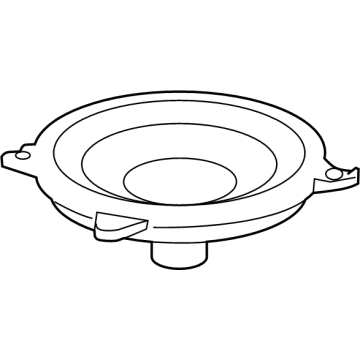
Toyota Woofer Part Number: 86150-30650
$654.88 MSRP: $959.74You Save: $304.86 (32%)Ships in 1-2 Business DaysProduct Specifications- Other Name: Speaker Assembly, With Box; Speaker Assembly, Rear
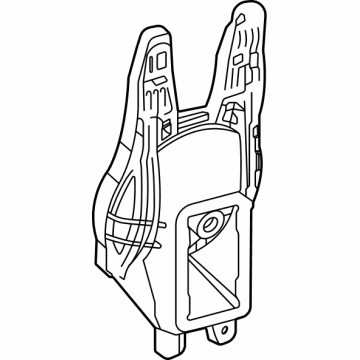
Toyota Speaker Assembly, W/Box Part Number: 86150-AK010
$703.69 MSRP: $1031.27You Save: $327.58 (32%)Ships in 1-2 Business DaysProduct Specifications- Other Name: Speaker Assembly, With Box
Toyota Woofer Part Number: 86150-04040
$706.30 MSRP: $1035.09You Save: $328.79 (32%)Ships in 1-3 Business DaysProduct Specifications- Other Name: Speaker; Speaker Assembly, W/Box
- Manufacturer Note: AUDIO-JBL 6CD-CAHNGER 7SPEAKER SDARS BLUETOOTH
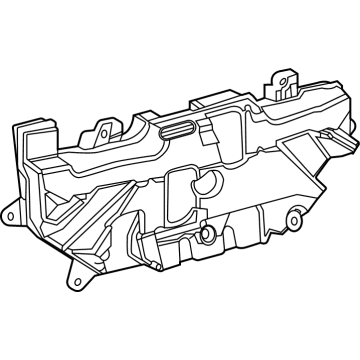
Toyota Speaker, Rear Center Part Number: 86150-08030
$862.59 MSRP: $1264.13You Save: $401.54 (32%)Ships in 1-3 Business DaysProduct Specifications- Other Name: Speaker Assembly, With Box; Speaker, Rear Center; Woofer; Speaker Assembly, Rear
- Manufacturer Note: AUDIO-SURROUND 12SPEAKER & JBL
- Position: Rear Center
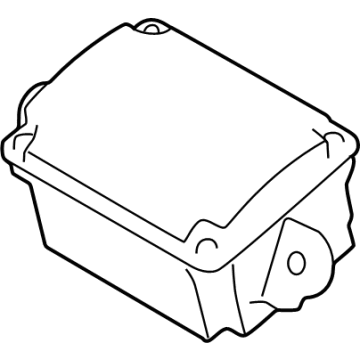
Toyota Speaker Part Number: SU003-09348
$134.63 MSRP: $190.58You Save: $55.95 (30%)Ships in 1-3 Business DaysProduct Specifications- Other Name: Speaker Assembly Asc; Woofer; Speaker Assembly, Front
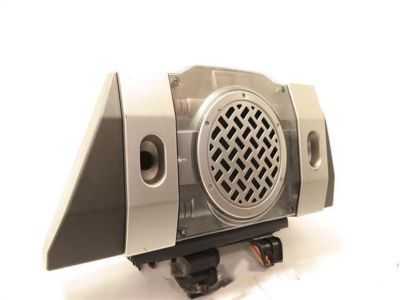
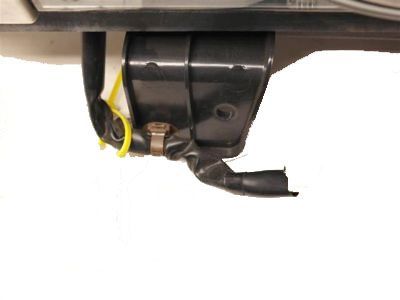
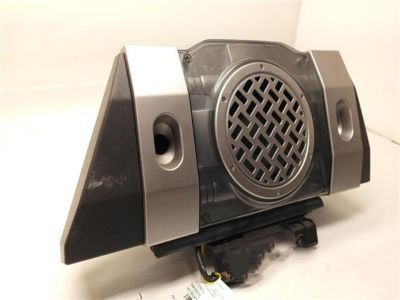
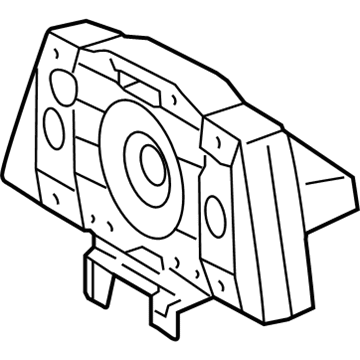
Toyota Woofer Part Number: 86150-35100
Product Specifications- Other Name: Speaker Assembly, Amplifier; Speaker; Speaker Assembly, W/Box
- Manufacturer Note: AUDIO-AM/FM CD CHANGER, 9SPEAKER
| Page 1 of 3 |Next >
1-20 of 54 Results
Toyota Subwoofer
OEM parts deliver unmatched quality you can rely on. They pass extensive quality control inspections. Toyota produces them to the official factory specifications. This process helps prevent defects and imperfections. So you can get exceptional lifespan and a flawless fit. Need new OEM Toyota Subwoofer? You'll love our wide selection of genuine options. Shop in minutes and skip the hunt. Our prices are unbeatable, you'll save time and money. It's easy to shop and find the right piece. Our committed customer service team gives professional help from start to finish. Every part includes a manufacturer's warranty. We ship quickly, your parts will arrive fast at your door.
Toyota Subwoofer sits in the trunk or under a seat, taking care of the deep bass notes the factory speakers skip. This makes every playlist pack a punch and rumble. Drivers choose Toyota for its knack of squeezing more out of every gallon and inch of cabin space. The updated TNGA platform lowers the center of gravity, makes the car more responsive to steering control, and increases crash protection without adding weight to the vehicle. With Hybrid Synergy Drive humming in the hood, commutes sip fuel but leap forward when the light turns green. RAV4 Plug-in Hybrid extends electric range to make errands in the suburbs never wake up the engine. Inside every Toyota, the cockpit is laid out, controls fall to the hand naturally, and panels resist squeaks so the bass from a dedicated Subwoofer doesn't buzz your panels. This ensures they sound rich rather than crisp. Overall, Toyota provides durability that rivals use as a marketing slogan instead of a promise. Installing the Subwoofer may take around an afternoon if you plan ahead. Pick a spot that keeps Toyota cargo in use. Many hatch floors lift far enough for a shallow Subwoofer box. Bolt the enclosure tight, run a fused eight-gauge power line straight from the battery to the amp, and scrape paint for a short ground to bare metal. The thing to do is snake RCA leads and wire the remote on the other side away from power to eliminate noise, then hook speaker cable, positive to positive. Dial in gain slowly, dial in the low pass around 80 hertz, zip tie down loose wires, and slam the hatch to make sure nothing rattles.
Related Toyota Parts
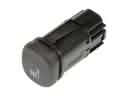 Toyota Seat Heater Switch
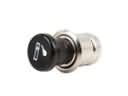 Toyota Cigarette Lighter
 Toyota Door Lock Actuator
 Toyota Ashtray
 Toyota Car Speakers
 Toyota Glove Box
 Toyota Seat Motor
 Toyota Window Regulator
 Toyota Wiper Motor
 Toyota Shift Indicator
 Toyota Seat Switch
 Toyota Sunroof Cable