×
ToyotaParts- Hello
- Login or Register
- Quick Links
- Live Chat
- Track Order
- Parts Availability
- RMA
- Help Center
- Contact Us
- Shop for
- Toyota Parts
- Scion Parts
My Garage
My Account
Cart
OEM Scion Control Arm Bushing
Suspension Arm Bushing- Select Vehicle by Model
- Select Vehicle by VIN
Select Vehicle by Model
orMake
Model
Year
Select Vehicle by VIN
For the most accurate results, select vehicle by your VIN (Vehicle Identification Number).
9 Control Arm Bushings found
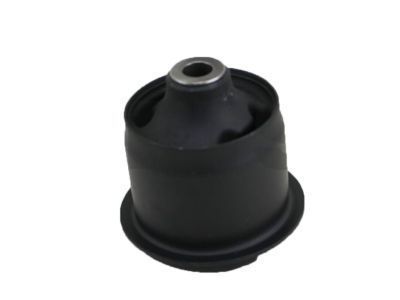
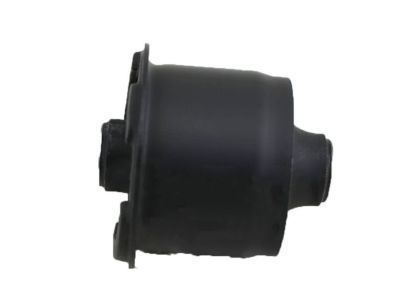
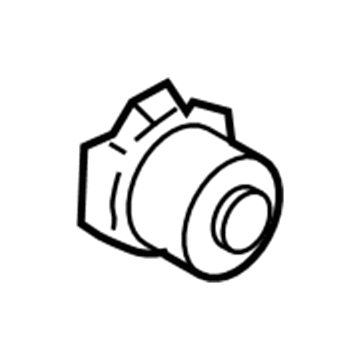
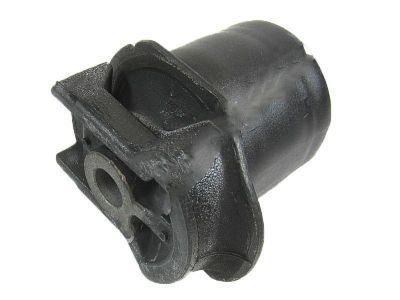
Scion Axle Bushing, Rear Part Number: 48725-52060
$69.90 MSRP: $98.12You Save: $28.22 (29%)Ships in 1-3 Business DaysProduct Specifications- Other Name: Bush, Rear Suspension; Axle Support Bushing, Rear; Crossmember Bushing; Axle Pivot Bushing; Axle Beam Mount; Axle Beam Bushing; Bush, Rear Axle Carrier, Passenger Side; Bush, Rear Axle Carrier, Driver Side; Axle Support Bushing
- Position: Rear
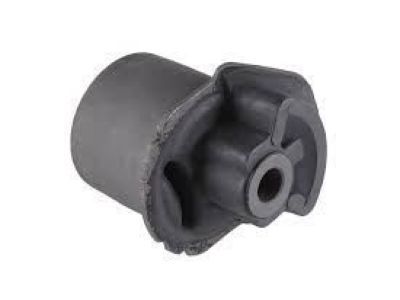
Scion Axle Bushing, Rear Part Number: 48725-52040
$87.20 MSRP: $122.41You Save: $35.21 (29%)Ships in 1-3 Business DaysProduct Specifications- Other Name: Bush, Rear Suspension; Axle Support Bushing, Rear; Crossmember Bushing; Axle Pivot Bushing; Axle Beam Mount; Axle Beam Bushing; Bush, Rear Axle Carrier, Passenger Side; Bush, Rear Axle Carrier, Driver Side; Axle Support Bushing
- Position: Rear
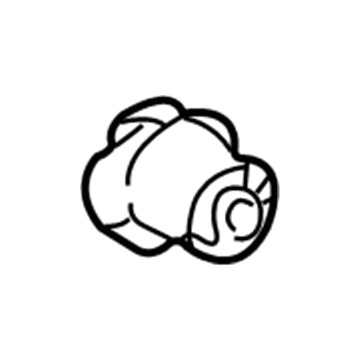
Scion Axle Bushing, Rear Part Number: 48725-52021
$80.45 MSRP: $112.93You Save: $32.48 (29%)Ships in 1-3 Business DaysProduct Specifications- Other Name: Bush, Rear Suspension; Axle Support Bushing, Rear; Crossmember Bushing; Axle Pivot Bushing; Axle Beam Mount; Axle Beam Bushing; Bush, Rear Axle Carrier, Passenger Side; Bush, Rear Axle Carrier, Driver Side; Axle Support Bushing
- Position: Rear
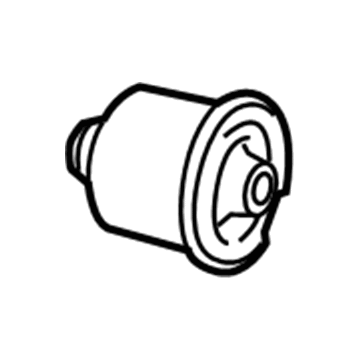
Scion Axle Bushing, Rear Part Number: 48725-74011
$79.74 MSRP: $111.93You Save: $32.19 (29%)Ships in 1-3 Business DaysProduct Specifications- Other Name: Bush, Rear Suspension; Axle Support Bushing, Rear; Crossmember Bushing; Axle Pivot Bushing; Axle Beam Mount; Axle Beam Bushing; Bush, Rear Axle Carrier, Passenger Side; Bush, Rear Axle Carrier, Driver Side; Axle Support Bushing
- Position: Rear
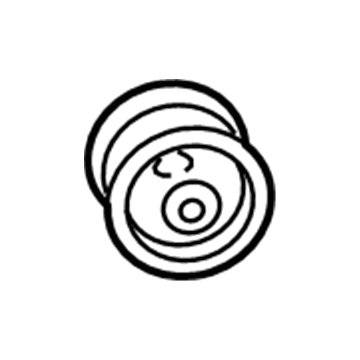
Scion Axle Bushing, Rear Part Number: 48725-12590
$87.20 MSRP: $122.41You Save: $35.21 (29%)Ships in 1-3 Business DaysProduct Specifications- Other Name: Bush, Rear Suspension; Axle Support Bushing, Rear; Crossmember Bushing; Axle Pivot Bushing; Axle Beam Mount; Axle Beam Bushing; Bush, Rear Axle Carrier, Passenger Side; Bush, Rear Axle Carrier, Driver Side; Axle Support Bushing
- Position: Rear
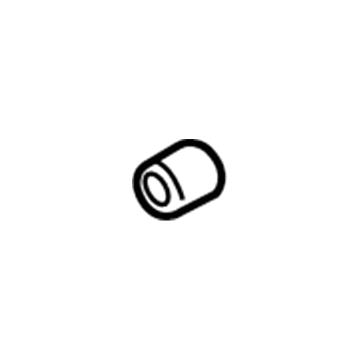
Scion Lower Control Arm Bushing, Rear Inner Part Number: SU003-00365
$9.66 MSRP: $12.50You Save: $2.84 (23%)Ships in 1-3 Business DaysProduct Specifications- Other Name: Rub Bush Link Rear Out; Suspension Control Arm Bushing, Rear Lower Rearward Inner; Axle Support Bushing; Bushings; Bush, Rear Suspension Arm; Control Arm Bushing
- Position: Rear Lower Inner
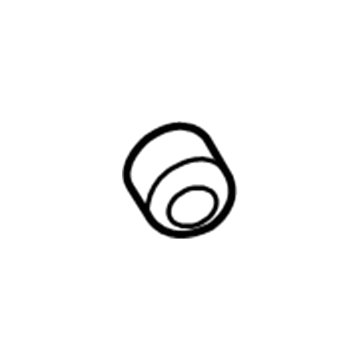
Scion Trailing Arm Bushing, Rear Part Number: SU003-00366
$17.60 MSRP: $22.78You Save: $5.18 (23%)Ships in 1-3 Business DaysProduct Specifications- Other Name: Rub Bush Trg; Suspension Trailing Arm Bushing, Rear; Suspension Knuckle Bushing, Rear; Steering Knuckle Bushing; Knuckle Bushing; Rear Axle Carrier Bushings, Passenger & Driver Side; Rear Suspension Arm Bush
- Position: Rear
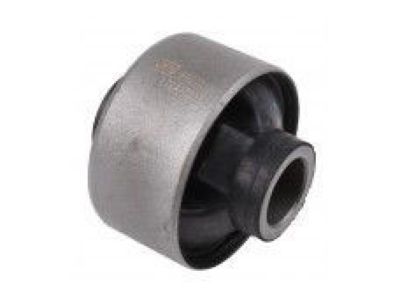
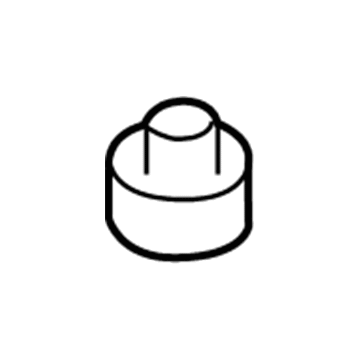
Scion Lower Control Arm Front Bushing Part Number: SU003-00357
$18.87 MSRP: $24.42You Save: $5.55 (23%)Product Specifications- Other Name: Rub Bush Arm Front Switch; Suspension Control Arm Bushing, Front Forward; Axle Pivot Bushing; Bushings; Bush, Front Lower Arm, Passenger Side; Bush, Front Lower Arm, Driver Side; Control Arm Bushing
- Position: Front
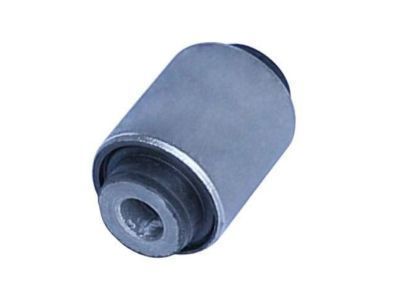
Scion Lower Control Arm Rear Bushing, Front Part Number: SU003-00356
$18.87 MSRP: $24.42You Save: $5.55 (23%)Product Specifications- Other Name: Rub Bush Arm Front; Suspension Control Arm Bushing, Front Rearward; Axle Pivot Bushing; Bushings; Bush, Front Lower Arm, Passenger Side; Bush, Front Lower Arm, Driver Side; Control Arm Bushing
- Position: Front
Scion Control Arm Bushing
OEM parts deliver unmatched quality you can rely on. They pass extensive quality control inspections. Scion produces them to the official factory specifications. This process helps prevent defects and imperfections. So you can get exceptional lifespan and a flawless fit. Need new OEM Scion Control Arm Bushing? You'll love our wide selection of genuine options. Shop in minutes and skip the hunt. Our prices are unbeatable, you'll save time and money. It's easy to shop and find the right piece. Our committed customer service team gives professional help from start to finish. Every part includes a manufacturer's warranty. We ship quickly, your parts will arrive fast at your door.
Scion Control Arm Bushing straddles the connection of the control arm and the chassis to absorb the bumps whilst maintaining the direction of wheels straight. Scion came out in 2003 with flashy presentation in colors, no frills, and designs that would say something to the young drivers. Scion City events, Release Series editions and components make each car feel a one-to-one car makeover at the factory. The brand was also a test lab so that Toyota could experiment and the gamble worked with over one million sales, many of which were first time buyers that remained in the family. Although manufacturing ceased in 2016 the nimble handling, style and do it your way spirit ensures that every Scion draws hoards of people to meets. A Control Arm Bushing refers to a rubber or polyurethane hose that allows the control arm to pivot and eliminate vibration and maintain wheel alignment during spirited turns. To change a Scion Control Arm Bushing, you would install at a flat ground, put the chock wheels, jack the car on stands and take off the wheel. Required: by loosening the screw (unbolt) connecting the control arm to the steering knuckle and subframe, take note of the position of the marks, then press out the worn sleeve. Wipe out the bore, and apply a small amount of silicone grease and press the Control Arm Bushing into the bore to the same depth. Install the control arm again, tighten the bolts, lower the car to ride height, tighten the fasteners, re-fit the wheel, and then lastly check the torque again with a calibrated wrench, and take a test drive to check straight tracking.