×
ToyotaParts- Hello
- Login or Register
- Quick Links
- Live Chat
- Track Order
- Parts Availability
- RMA
- Help Center
- Contact Us
- Shop for
- Toyota Parts
- Scion Parts
My Garage
My Account
Cart
OEM Toyota Oil Pressure Gauge
Oil Pressure Gauge Meter- Select Vehicle by Model
- Select Vehicle by VIN
Select Vehicle by Model
orMake
Model
Year
Select Vehicle by VIN
For the most accurate results, select vehicle by your VIN (Vehicle Identification Number).
19 Oil Pressure Gauges found
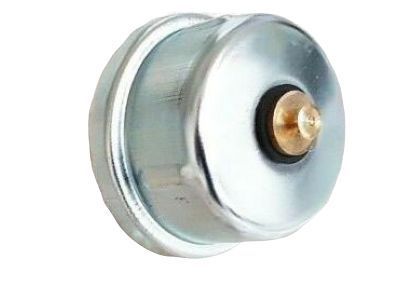

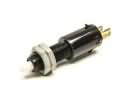
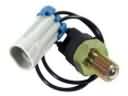
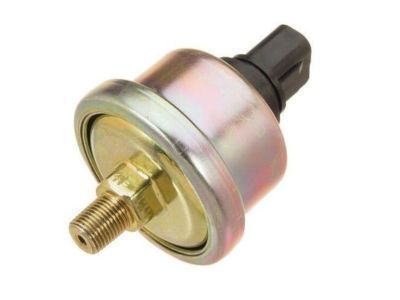
Toyota Oil Pressure Sending Unit Part Number: 83520-35032
$61.85 MSRP: $86.81You Save: $24.96 (29%)Ships in 1-3 Business DaysProduct Specifications- Other Name: Gage Assembly, Oil Pressure Receiver; Oil Pressure Switch; Oil Gauge
- Replaces: 83520-14021, 83520-14023, 83520-35031, 83520-14022, 83520-35030, 83520-14020
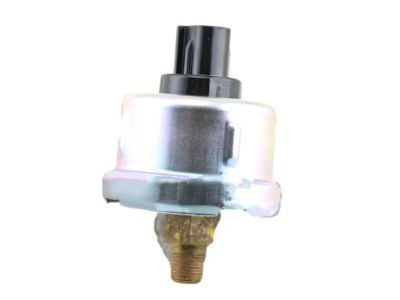
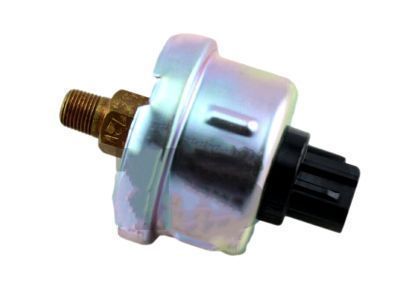
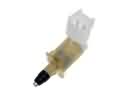
Toyota Oil Pressure Sending Unit Part Number: 83520-34010
$77.84 MSRP: $109.26You Save: $31.42 (29%)Ships in 1-2 Business DaysProduct Specifications- Other Name: Gage Assembly, Oil Pressure Receiver; Oil Pressure Switch; Gage Assembly, Oil Pressure Sender
- Manufacturer Note: W(TACHO METER)
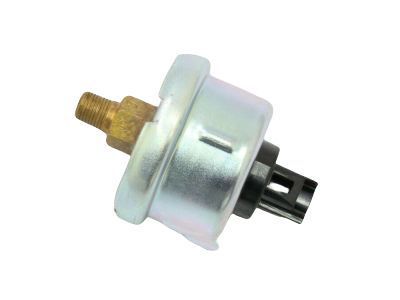

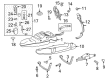
Toyota Oil Pressure Sending Unit Part Number: 83520-60051
$61.61 MSRP: $86.47You Save: $24.86 (29%)Ships in 1-3 Business DaysProduct Specifications- Other Name: Gage Assembly, Oil Pressure Receiver; Engine Oil Pressure Switch; Oil Pres Gauge Switch; Oil Pressure Switch; Gage Assembly, Oil Pressure Sender
- Replaces: 83520-60050, 83520-34020, 83520-35020
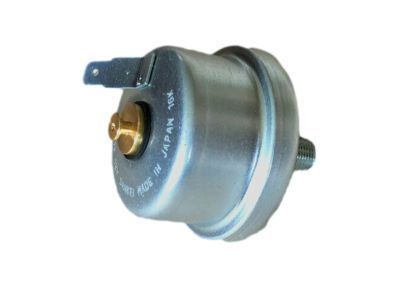
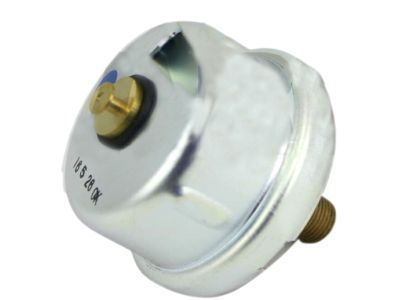
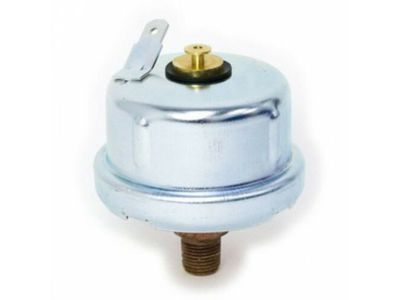
Toyota Oil Pressure Sending Unit Part Number: 83520-60040
$78.55 MSRP: $110.27You Save: $31.72 (29%)Ships in 1-3 Business DaysProduct Specifications- Other Name: Gage Assembly, Oil Pressure Receiver; Oil Pressure Switch; Gage Assembly, Oil Pressure Sender
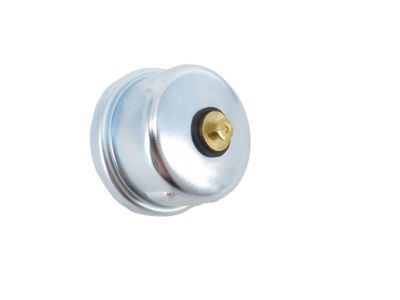
Toyota Oil Pressure Sending Unit Part Number: 83520-60011
$78.08 MSRP: $109.60You Save: $31.52 (29%)Ships in 1-2 Business DaysProduct Specifications- Other Name: Gage Assembly, Oil Pressure Receiver; Oil Pressure Switch; Gage Assembly, Oil Pressure Sender
- Replaces: 83520-60010
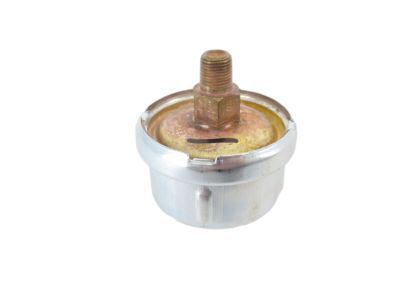
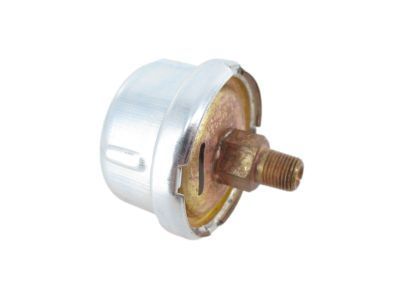
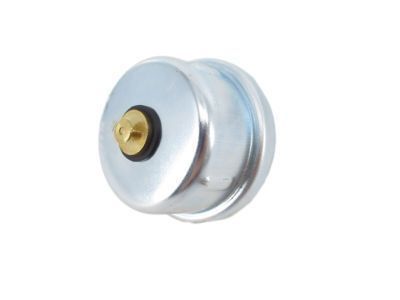
Toyota Oil Pressure Sending Unit Part Number: 83520-55011
$77.84 MSRP: $109.26You Save: $31.42 (29%)Ships in 1 Business DayProduct Specifications- Other Name: Gage Assembly, Oil Pressure Receiver; Oil Pressure Switch; Gage Assembly, Oil Pressure Sender
- Replaces: 83520-55010, 83520-22010
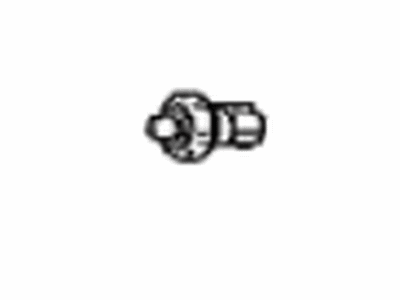
Toyota Oil Pressure Sending Unit Part Number: 83520-33010
$61.85 MSRP: $86.81You Save: $24.96 (29%)Ships in 1-3 Business DaysProduct Specifications- Other Name: Gage Assembly, Oil Pressure Receiver; Oil Pressure Switch; Gage Assembly, Oil Pressure Sender
Toyota Oil Pressure Sensor Part Number: 83520-60070
$68.96 MSRP: $96.79You Save: $27.83 (29%)Ships in 1-3 Business DaysProduct Specifications- Other Name: Gage Assembly, Oil Pressure Receiver; Oil Pressure Sending Unit; Gage Assembly, Oil Pressure Sender
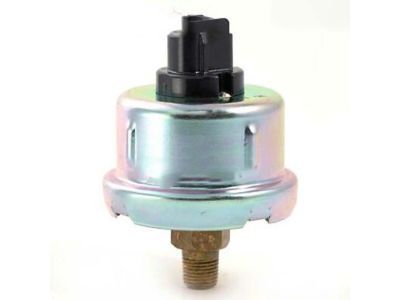

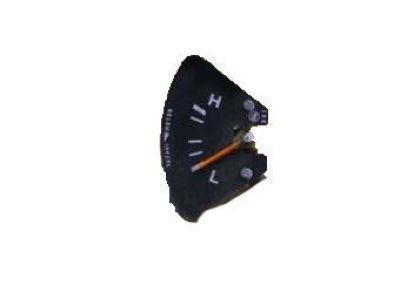
Toyota Oil Gauge Part Number: 83246-35020
Product Specifications- Other Name: Gauge Sub-Assembly, Oil Pressure; Instrument Cluster; Gauge, Oil Pressure Receiver
- Replaces: 83246-04010
Toyota Oil Gauge Part Number: 83246-90A05
Product Specifications- Other Name: Gauge Sub-Assembly Pressure; Instrument Cluster; Gauge, Oil Pressure Receiver
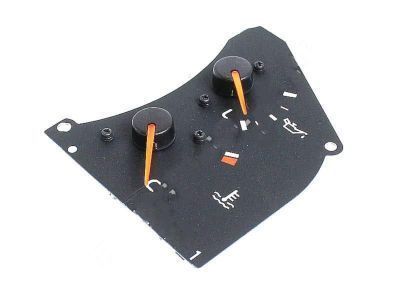
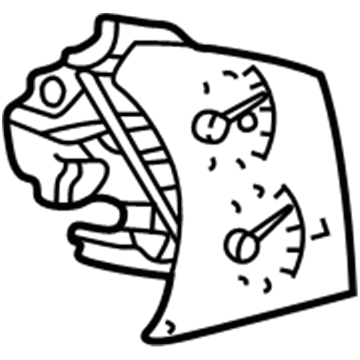
Toyota Oil Gauge Part Number: 83885-6A840
Product Specifications- Other Name: Gauge, Pressure Receiver; Engine Oil Temperature Gauge; Instrument Cluster; Gauge, Oil Pressure Receiver
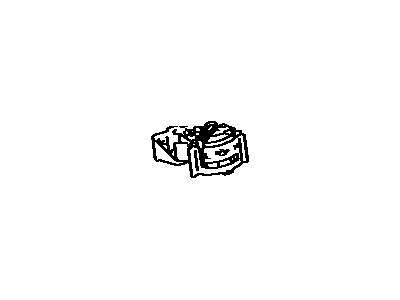
Toyota Oil Gauge Part Number: 83246-0W010
$97.09 MSRP: $136.28You Save: $39.19 (29%)Product Specifications- Other Name: Gauge, Pressure Receiver; Instrument Cluster; Gauge, Oil Pressure Receiver
- Manufacturer Note: EXTRA PACKAGE & W(TACHOMETER)
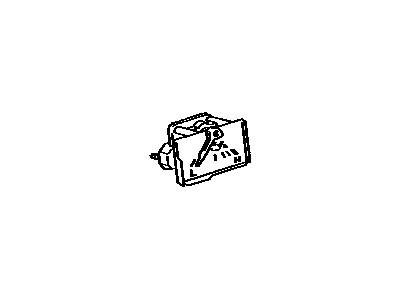
Toyota Oil Gauge Part Number: 83246-17030
Product Specifications- Other Name: Gauge Sub-Assembly, Pressure; Instrument Cluster; Gage Assembly, Oil Pressure Receiver
Toyota Oil Gauge Part Number: 83246-17010
Product Specifications- Other Name: Gage Assembly, Oil Pressure Receiver; Instrument Cluster
Toyota Oil Gauge Part Number: 83246-14870
Product Specifications- Other Name: Gauge Sub-Assembly, Pressure Receiver; Instrument Cluster; Gage Assembly, Oil Pressure Receiver
Toyota Oil Pressure Gauge Part Number: 83246-14650
Product Specifications- Other Name: Gauge Sub-Assembly Pressure; Gage Assembly, Oil Pressure Receiver; Gauge, Oil Pressure Receiver
Toyota Oil Pressure Sending Unit Part Number: 83520-14043
Product Specifications- Other Name: Gage Assembly, Oil Pressure Receiver; Oil Pressure Switch; Gage Assembly, Oil Pressure Sender
- Replaces: 83520-14042, 83520-14041
Toyota Oil Gauge Part Number: 83246-14790
Product Specifications- Other Name: Gauge Sub-Assembly, Pressure; Instrument Cluster; Gage Assembly, Oil Pressure Receiver
- Replaces: 83246-14690
Toyota Oil Gauge Part Number: 83246-89502
Product Specifications- Other Name: Gauge Sub-Assembly, Oil Pressure Receiver; Instrument Cluster; Gauge, Oil Pressure Receiver
Toyota Oil Pressure Gauge
OEM parts deliver unmatched quality you can rely on. They pass extensive quality control inspections. Toyota produces them to the official factory specifications. This process helps prevent defects and imperfections. So you can get exceptional lifespan and a flawless fit. Need new OEM Toyota Oil Pressure Gauge? You'll love our wide selection of genuine options. Shop in minutes and skip the hunt. Our prices are unbeatable, you'll save time and money. It's easy to shop and find the right piece. Our committed customer service team gives professional help from start to finish. Every part includes a manufacturer's warranty. We ship quickly, your parts will arrive fast at your door.
The Toyota Oil Pressure Gauge enables drivers to have real time information concerning the engine lubrication to enable them to respond before it is damaged. Toyota started in 1937 and through time has become a global leader through the optimization of its manufacturing process, which reduced waste, the use of TNGA as a platform to achieve tighter handling and greater safety, and its brand-new RAV4 Plug-in Hybrid that covers 42 miles on battery alone, Toyota has proven that it is committed to efficiency and durability. Since all Toyota engines have been designed to last a long time, it can be applied to complement the reliability of the brand when monitoring the oil pressure by using an accurate Oil Pressure Gauge. The gauge itself measures the sender signal and converts it into a dial that is easy to read and alerts the driver the moment pressure has decreased. The installation of an Oil Pressure Gauge is quite easy and one will only need to take the battery out, find the factory pressure port and thread the sender or a T fitting with the use of appropriate sealant. Then, run wire or tubing and clear of exhaust manifolds and belts, run it through a grommet, into the cabin of your Toyota, and then drop the gauge into a place with clear visibility of the steering wheel, and screw the bracket firmly in place. Plug in signal, ignition, ground, and backlight cables, reinstate the battery, and start the engine, ensure the dial is climbing fast and look for leakages. Finish by tying away loose wires and ensuring that the Oil Pressure Gauge is up to factory specification by taking the car on a short test run.