×
ToyotaParts- Hello
- Login or Register
- Quick Links
- Live Chat
- Track Order
- Parts Availability
- RMA
- Help Center
- Contact Us
- Shop for
- Toyota Parts
- Scion Parts
My Garage
My Account
Cart
OEM Scion Hydraulic Hose
Brake Hydraulic Line- Select Vehicle by Model
- Select Vehicle by VIN
Select Vehicle by Model
orMake
Model
Year
Select Vehicle by VIN
For the most accurate results, select vehicle by your VIN (Vehicle Identification Number).
47 Hydraulic Hoses found
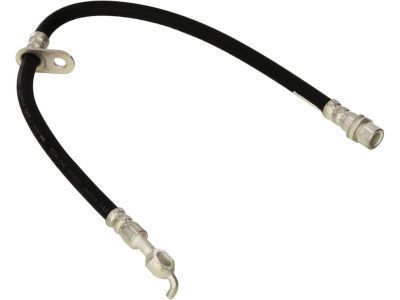
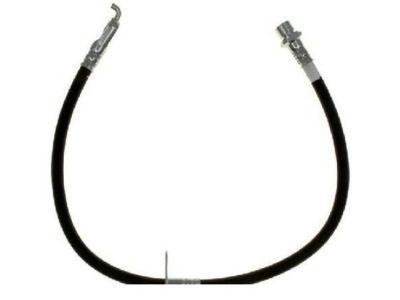
Scion Flex Hose, Driver Side Part Number: 90947-02D34
$85.78 MSRP: $120.42You Save: $34.64 (29%)Ships in 1-3 Business DaysProduct Specifications- Other Name: Hose, Flexible; Brake Hydraulic Hose, Front Left; Brake Hose; Brake Line; Hose, Flexible(For Front); Hydraulic Hose
- Manufacturer Note: LH
- Position: Driver Side
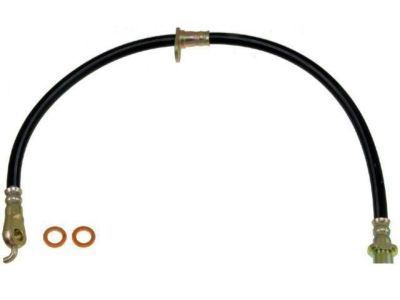
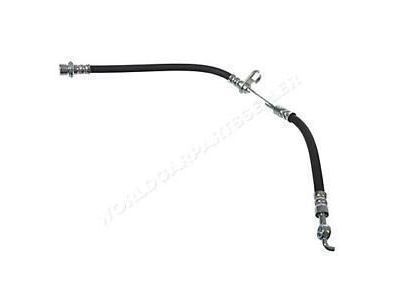
Scion Flex Hose, Passenger Side Part Number: 90947-02D33
$88.39 MSRP: $124.07You Save: $35.68 (29%)Ships in 1-3 Business DaysProduct Specifications- Other Name: Hose, Flexible; Brake Hydraulic Hose, Front Right; Brake Hose; Brake Line; Hose, Flexible(For Front); Hydraulic Hose
- Manufacturer Note: RH
- Position: Passenger Side
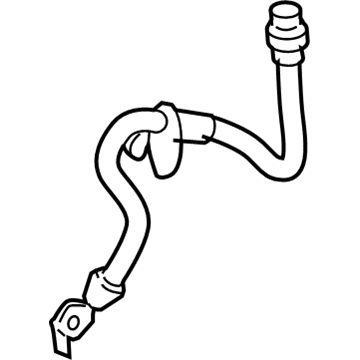
Scion Flex Hose, Front Passenger Side Part Number: 90947-02G34
$91.83 MSRP: $128.89You Save: $37.06 (29%)Ships in 1-3 Business DaysProduct Specifications- Other Name: Hose, Flexible; Brake Hydraulic Hose, Front Right; Brake Hose; Brake Line; Hose, Flexible(For Front); Hydraulic Hose
- Position: Front Passenger Side
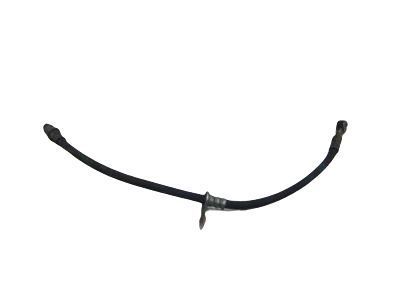
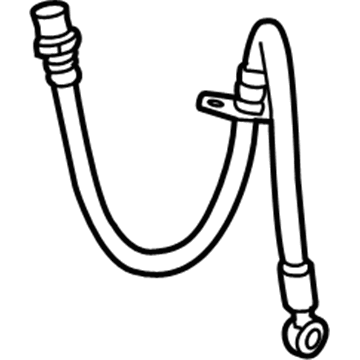
Scion Flex Hose, Front Driver Side Part Number: SU003-04681
$19.87 MSRP: $25.72You Save: $5.85 (23%)Ships in 1-3 Business DaysProduct Specifications- Other Name: Brake Hose Front Left-Hand; Brake Hydraulic Hose, Front Left; Brake Hydraulic Line, Front Left; Brake Line; Brake Hose; Hose, Flexible(For Front); Hydraulic Hose
- Position: Front Driver Side
- Replaces: SU003-04525, SU003-00617
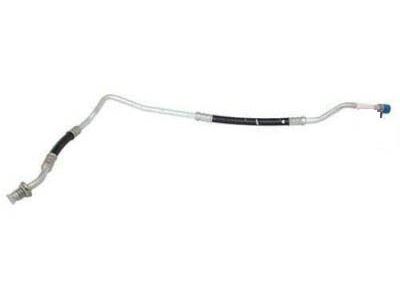
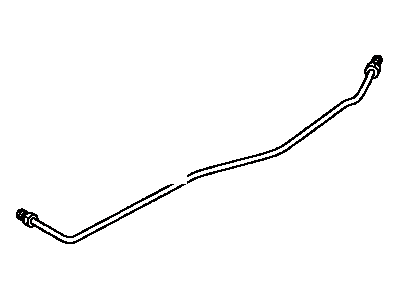
Scion Hydraulic Lines Part Number: 31482-21050
$15.88 MSRP: $22.10You Save: $6.22 (29%)Ships in 1-3 Business DaysProduct Specifications- Other Name: Tube, Clutch Release; Hydraulic Hose; Clutch Hose; Clutch Line; Tube, Clutch Release Cylinder To Flexible Hose
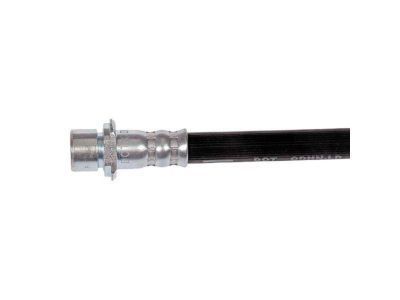
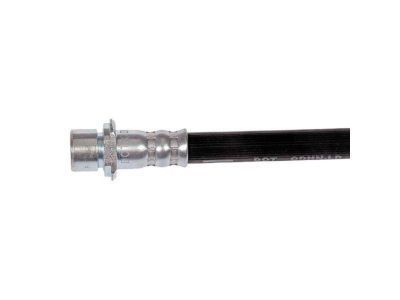
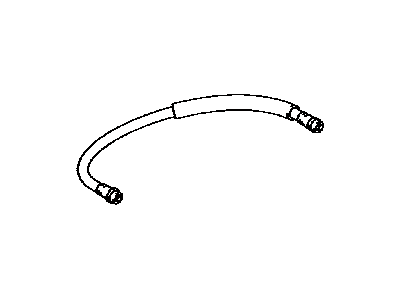
Scion Flex Hose Part Number: 90947-A2022
$50.54 MSRP: $70.34You Save: $19.80 (29%)Ships in 1-3 Business DaysProduct Specifications- Other Name: Hose, Flexible; Hydraulic Hose; Clutch Hose; Hose, Clutch
- Replaces: 90947-02E28
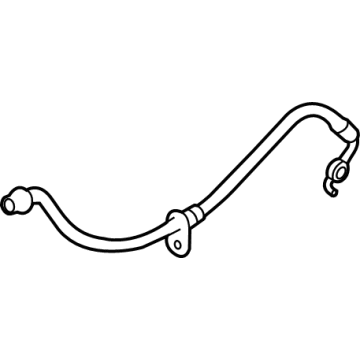
Scion Flex Hose, Rear Driver Side Part Number: SU003-11038
$18.44 MSRP: $25.66You Save: $7.22 (29%)Ships in 1-3 Business DaysProduct Specifications- Other Name: Brake Hose Rear Left-Hand; Brake Hose; Hose, Flexible(For Rear Driver Side)
- Position: Rear Driver Side
Scion Flex Hose, Passenger Side Part Number: SU003-11037
$18.44 MSRP: $25.66You Save: $7.22 (29%)Ships in 1-3 Business DaysProduct Specifications- Other Name: Brake Hose Rear Right-Hand; Brake Hose; Hose, Flexible(For Rear Passenger Side)
- Position: Passenger Side
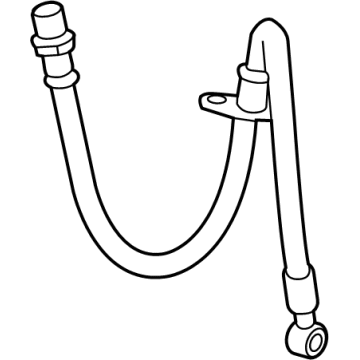
Scion Flex Hose, Front Passenger Side Part Number: SU003-11035
$18.95 MSRP: $26.38You Save: $7.43 (29%)Ships in 1-2 Business DaysProduct Specifications- Other Name: Brake Hose Front Right-Hand; Brake Hose; Hose, Flexible(For Front)
- Position: Front Passenger Side
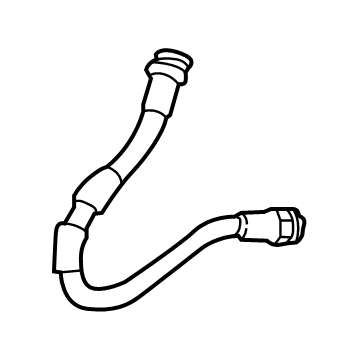
Scion Flex Hose, Rear Part Number: 90118-WB079
$20.59 MSRP: $28.66You Save: $8.07 (29%)Ships in 1-3 Business DaysProduct Specifications- Other Name: Hose, Flexible; Brake Hydraulic Hose, Rear; Brake Hose; Brake Line; Hose, Flexible(For Rear Passenger Side); Hose, Flexible(For Rear Driver Side); Hydraulic Hose
- Position: Rear
- Replaces: 90118-WBB15
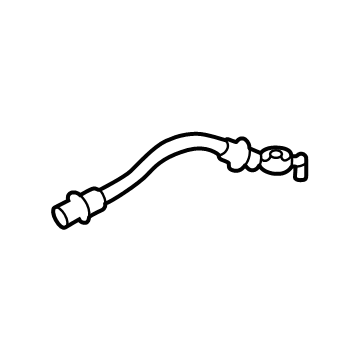
Scion Flex Hose, Rear Part Number: 90947-02F87
$40.74 MSRP: $56.70You Save: $15.96 (29%)Ships in 1-3 Business DaysProduct Specifications- Other Name: Hose, Flexible; Brake Hydraulic Hose, Rear Outer; Brake Hydraulic Line, Rear; Brake Hose; Brake Line; Hose, Flexible (Rear Passenger Side, Rear Driver Side, Rear Brake Tube); Hydraulic Hose
- Position: Rear
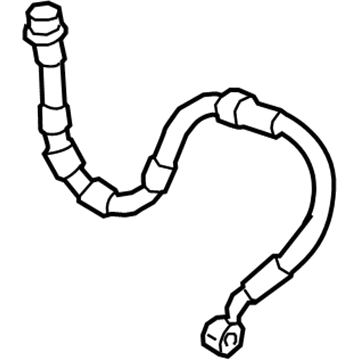
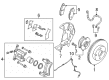
Scion Flex Hose, Front Driver Side Part Number: 47340-WB001
$42.89 MSRP: $59.69You Save: $16.80 (29%)Ships in 1-3 Business DaysProduct Specifications- Other Name: Hose Assembly, Flexible; Brake Hydraulic Hose, Front Left; Brake Hose; Brake Line; Hose, Flexible(For Front); Hydraulic Hose
- Position: Front Driver Side
Scion Flex Hose, Front Passenger Side Part Number: 47330-WB001
$42.89 MSRP: $59.69You Save: $16.80 (29%)Ships in 1-3 Business DaysProduct Specifications- Other Name: Hose Assembly, Flexible; Brake Hydraulic Hose, Front Right; Brake Hose; Brake Line; Hose, Flexible(For Front); Hydraulic Hose
- Position: Front Passenger Side
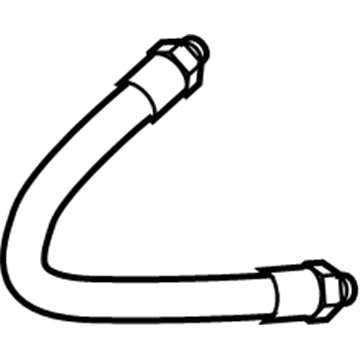
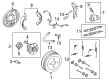
Scion Flex Hose, Passenger Side Part Number: 90947-02E09
$43.61 MSRP: $60.70You Save: $17.09 (29%)Ships in 1-3 Business DaysProduct Specifications- Other Name: Hose, Flexible; Brake Hydraulic Hose, Rear Right, Rear Right Inner; Clutch Hose; Brake Hose; Hose, Flexible(For Rear Passenger Side); Hose, Clutch
- Manufacturer Note: PAINTED=YELLOW
- Position: Passenger Side
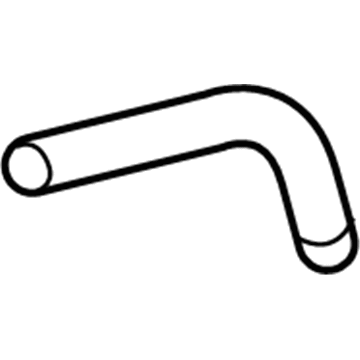
Scion Flex Hose, Rear Driver Side Part Number: 90947-02F95
$44.56 MSRP: $62.03You Save: $17.47 (29%)Ships in 1-3 Business DaysProduct Specifications- Other Name: Hose, Flexible; Brake Hydraulic Line, Rear Left; Hydraulic Hose; Brake Hose; Brake Line; Hose, Flexible(For Rear Driver Side)
- Position: Rear Driver Side
Scion Flex Hose, Passenger Side Part Number: 90947-02F94
$44.92 MSRP: $62.53You Save: $17.61 (29%)Ships in 1-3 Business DaysProduct Specifications- Other Name: Hose, Flexible; Brake Hydraulic Line, Rear Right; Clutch Hose; Brake Hose; Hose, Flexible(For Rear Passenger Side); Hose, Clutch
- Position: Passenger Side
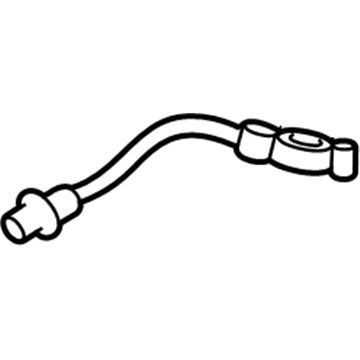
Scion Flex Hose, Rear Driver Side Part Number: 90947-02G38
$48.15 MSRP: $67.02You Save: $18.87 (29%)Ships in 1-3 Business DaysProduct Specifications- Other Name: Hose, Flexible; Brake Hydraulic Hose, Rear Left; Brake Hose; Brake Line; Hose, Flexible(For Rear Driver Side); Hydraulic Hose
- Manufacturer Note: PAINTED=LIGHT BLUE
- Position: Rear Driver Side
Scion Flex Hose, Passenger Side Part Number: 90947-02G36
$48.15 MSRP: $67.02You Save: $18.87 (29%)Ships in 1-3 Business DaysProduct Specifications- Other Name: Hose, Flexible; Brake Hydraulic Hose, Rear Right; Brake Hose; Brake Line; Hose, Flexible(For Rear Passenger Side); Hydraulic Hose
- Manufacturer Note: PAINTED=RED
- Position: Passenger Side
Scion Flex Hose, Rear Driver Side Part Number: 90947-02E10
$48.15 MSRP: $67.02You Save: $18.87 (29%)Ships in 1-3 Business DaysProduct Specifications- Other Name: Hose, Flexible; Brake Hydraulic Hose, Rear Left, Rear Left Inner; Brake Hose; Brake Line; Hose, Flexible(For Rear Driver Side); Hydraulic Hose
- Manufacturer Note: PAINTED=PINK
- Position: Rear Driver Side
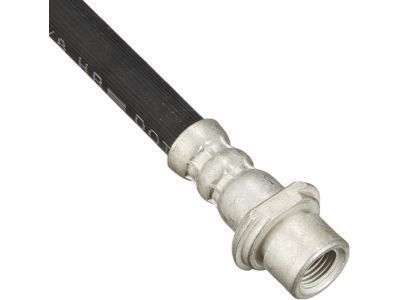
Scion Flex Hose Part Number: 90931-01137
$35.24 MSRP: $49.05You Save: $13.81 (29%)Product Specifications- Other Name: Hose, Clutch; Hydraulic Hose; Clutch Hose
| Page 1 of 3 |Next >
1-20 of 47 Results
Scion Hydraulic Hose
OEM parts deliver unmatched quality you can rely on. They pass extensive quality control inspections. Scion produces them to the official factory specifications. This process helps prevent defects and imperfections. So you can get exceptional lifespan and a flawless fit. Need new OEM Scion Hydraulic Hose? You'll love our wide selection of genuine options. Shop in minutes and skip the hunt. Our prices are unbeatable, you'll save time and money. It's easy to shop and find the right piece. Our committed customer service team gives professional help from start to finish. Every part includes a manufacturer's warranty. We ship quickly, your parts will arrive fast at your door.
Scion Hydraulic Hose offers a durable but elastic conduit through which pressurized fluid passes to maintain the primary systems of a Scion receptive and reliable on all of its commutes. Scion was started in 2003 with small customizable vehicles that directly addressed the needs of the young customer, it utilised aggressive online worlds and small Release Series models to generate a buzz. The brand continued to make the pricing simple to enable the shoppers to concentrate on the selection of bright colors and components that would make a car unique to them. Scion served as a moving laboratory, attempting new concepts which would eventually shape the broader Toyota family, and the brand sold over a million units before its closure in 2016, but its innovativeness continues to influence a significant number of trends in the automotive industry today. A Scion Hydraulic Hose in itself is a strengthened flexible hose that has the primary purpose to connect hydraulic components together and carry high pressurizing fluid without ruptures or bending. To install a Hydraulic Hose, it is necessary to match the specification of the hose with the Scion system, ensure that the pressure is shut and then measure the required length and cut it square and deburr the edges. Install fittings or crimp ferrules using a slide on fitting and then a little squirt of clean lubricant and tamp the fitting and assembly together without twisting the hose. Then, the Hydraulic Hose should be carefully bent in a non sharp and hot environment and clamped with clamps or shields. Complete with a short trial run by pressurizing, leak checking and re-torquing connections.