×
ToyotaParts- Hello
- Login or Register
- Quick Links
- Live Chat
- Track Order
- Parts Availability
- RMA
- Help Center
- Contact Us
- Shop for
- Toyota Parts
- Scion Parts
My Garage
My Account
Cart
OEM Toyota Matrix Steering Angle Sensor
Steering Column Angle Position Sensor- Select Vehicle by Model
- Select Vehicle by VIN
Select Vehicle by Model
orMake
Model
Year
Select Vehicle by VIN
For the most accurate results, select vehicle by your VIN (Vehicle Identification Number).
1 Steering Angle Sensor found
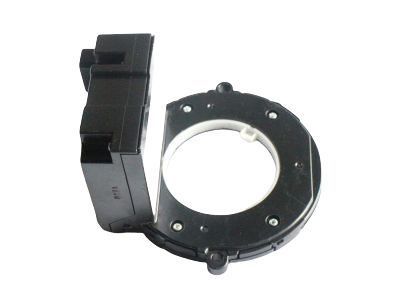
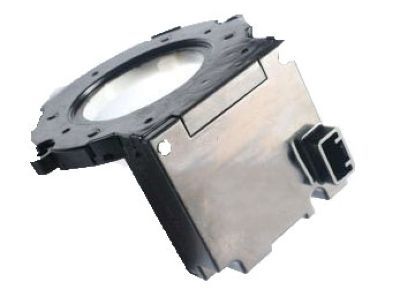

Toyota Matrix Speed Sensor Part Number: 89245-02050
$411.77 MSRP: $603.45You Save: $191.68 (32%)
Toyota Matrix Steering Angle Sensor
Choose genuine Steering Angle Sensor that pass strict quality control tests. You can trust the top quality and lasting durability. Shopping for OEM Steering Angle Sensor for your Toyota Matrix? Our website is your one-stop destination. We stock an extensive selection of genuine Toyota Matrix parts. The price is affordable so you can save more. It only takes minutes to browse and find the exact fit. Easily add to cart and check out fast. Our hassle-free return policy will keep you stress-free. We process orders quickly for swift delivery. Your parts will arrive faster, so you can get back on the road sooner.
The steering angle sensor is an important part that boosts the dependability and quality of Toyota matrix cars. Highly accurate, this kind of sensor gives instantaneous angles of the steering wheel rotation which is necessary for some features like ESC. The Toyota Matrix Steering Angle Sensor co-operating with yaw and ABS wheel speed sensors assists in achieving enhanced revolutions and avoiding the vehicle's spin during different movement, thus improving efficacy and reliability. Applicable to the first Matrix model E130 and the second Matrix model E140, the Toyota Matrix Steering Angle Sensor has gradually improved with the development of related Circuitry and electronic controlling systems for more precise manipulation. This sensor detects the rate of turn of the steering wheel and sends the information to an electronic controller for a variable power steering, which helps in providing equal sensitivity of the steering as well as road feel. Discussing the concepts of the Toyota Matrix Steering Angle Sensor, it is possible to note that it is one of the most popular and widely used car parts in the automotive market because of its high reliability and rather solid construction, which allows for its successful usage both by the average buyer and someone who searches for the car parts that would help to gain more performance out of his or her car. Being one of the components responsible for enhancing the vehicle's dynamics, the Toyota Matrix Steering Angle Sensor serves to enrich, both, the driving experience and Toyota's reputation for safety and progressive approach in the sphere of car manufacturing.
Toyota Matrix Steering Angle Sensor Parts and Q&A
- Q:How to install the Steering Angle Sensor on Toyota Matrix?A:Begin by placing the two locating pins properly before using the six claws to fix the sensor to the cable. Begin by installing the spiral cable with attached steering angle sensor and then place on the upper and lower steering column covers. The installation sequence includes addition of the lower instrument panel finish panel sub-assembly together with the No. 1 switch hole base and the lower center instrument panel finish panel for manual and automatic transaxles. The next steps involve putting on the front No. 1 and No. 2 console box inserts and glove compartment door assembly together with the lower instrument panel finish panel assembly. The front console box assembly will be installed for 2WD and 4WD configuration before proceeding to add the console box carpet and the No. 2 switch base. Under this phase install all components including front upper console box followed by center instrument cluster finish panel assembly for both manual and automatic transaxles plus shift lever knob sub-assembly for both configurations. The next step involves installing the center instrument cluster finish panel sub-assembly together with spiral cable adjustment procedures. Each front wheel needs to be straightened before assembling the Steering Wheel assembly while inspecting the steering wheel center point. Place the steering wheel pad first then install lower No. 3 and No. 2 steering wheel covers before connecting the cable to the negative terminal while maintaining the front tires and steering wheel in a straight ahead position. The final inspection includes examination of both the steering pad and the SRS warning light panel.
Related Toyota Matrix Parts
 Toyota Matrix Ignition Switch
 Toyota Matrix Power Steering Pump
 Toyota Matrix Steering Wheel
 Toyota Matrix Power Steering Control Valve
 Toyota Matrix Power Steering Hose
 Toyota Matrix Power Steering Reservoir
 Toyota Matrix Shift Interlock Solenoid
 Toyota Matrix Steering Column
 Toyota Matrix Steering Column Cover
 Toyota Matrix Steering Gear Box
 Toyota Matrix Steering Shaft
 Toyota Matrix Windshield Wiper Switch