×
ToyotaParts- Hello
- Login or Register
- Quick Links
- Live Chat
- Track Order
- Parts Availability
- RMA
- Help Center
- Contact Us
- Shop for
- Toyota Parts
- Scion Parts
My Garage
My Account
Cart
OEM Toyota Land Cruiser Brake Pad Set
Disc Brake Pad Set- Select Vehicle by Model
- Select Vehicle by VIN
Select Vehicle by Model
orMake
Model
Year
Select Vehicle by VIN
For the most accurate results, select vehicle by your VIN (Vehicle Identification Number).
11 Brake Pad Sets found
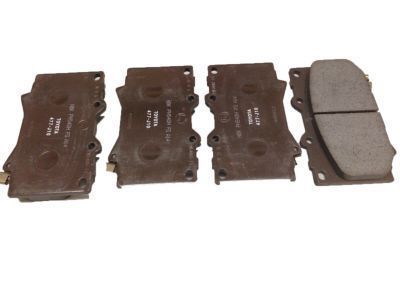
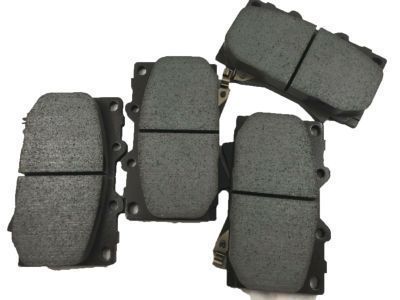
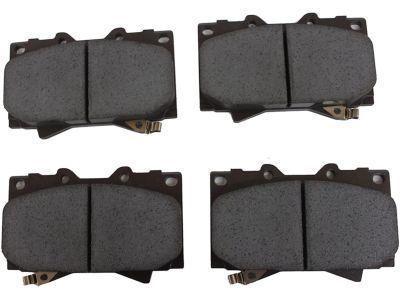
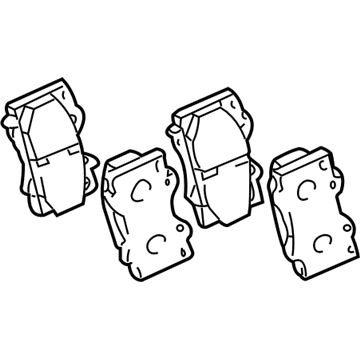
Toyota Land Cruiser Pad Kit, Disc Brake
Part Number: 04465-60220$75.25 MSRP: $104.50You Save: $29.25 (28%)Ships in 1-3 Business Days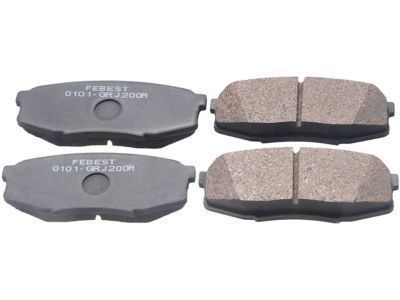
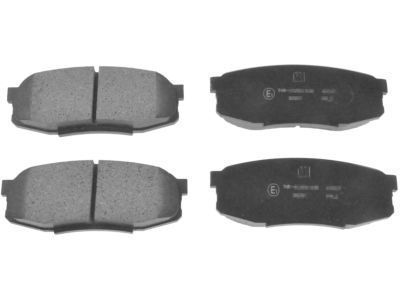
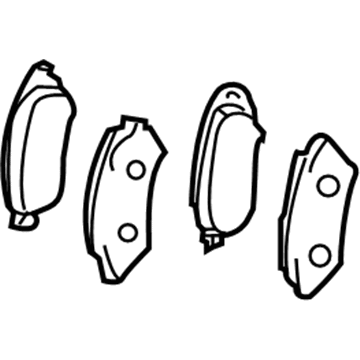
Toyota Land Cruiser Brake Pads, Rear
Part Number: 04466-60160$55.32 MSRP: $76.61You Save: $21.29 (28%)Ships in 1-3 Business Days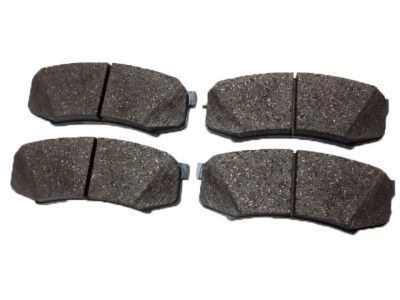
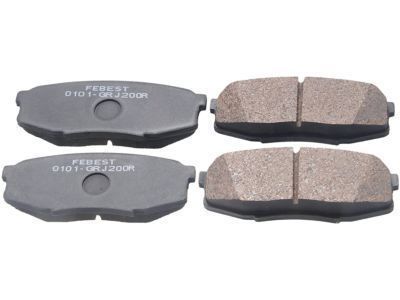
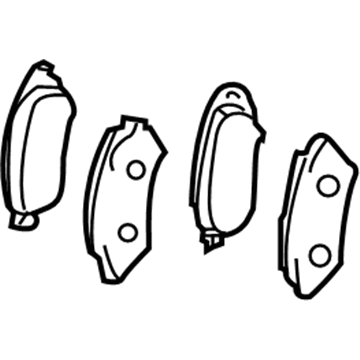
Toyota Land Cruiser Pad Kit, Disc Brake, Rear
Part Number: 04466-60120$57.23 MSRP: $79.27You Save: $22.04 (28%)Ships in 1-3 Business Days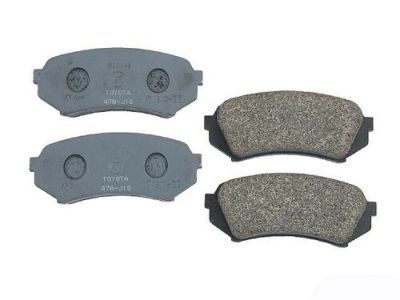
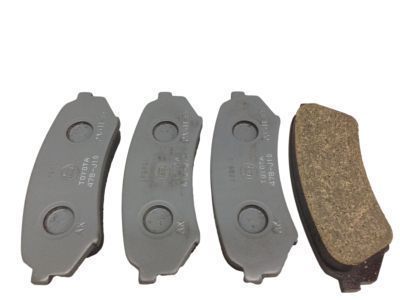
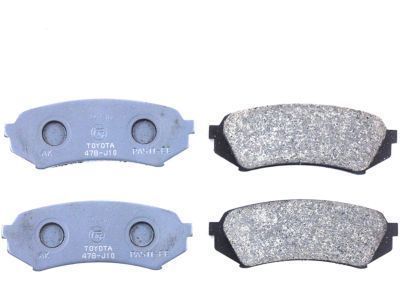
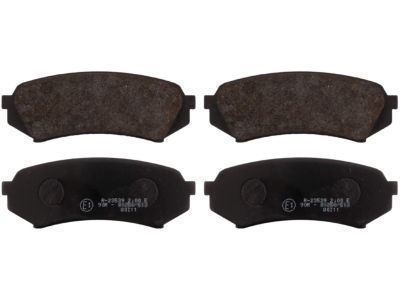
Toyota Land Cruiser Pad Kit, Disc Brake, Rear
Part Number: 04466-60070$57.23 MSRP: $79.27You Save: $22.04 (28%)Ships in 1-3 Business Days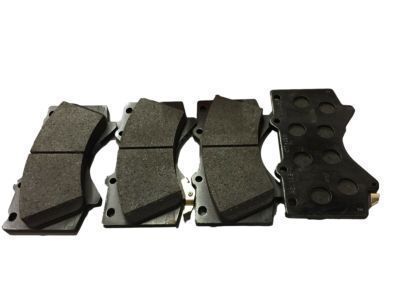
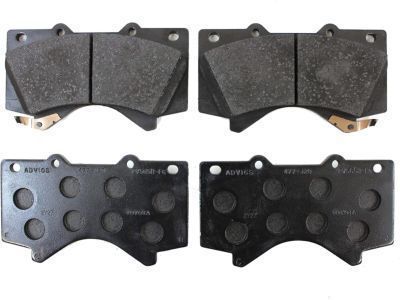
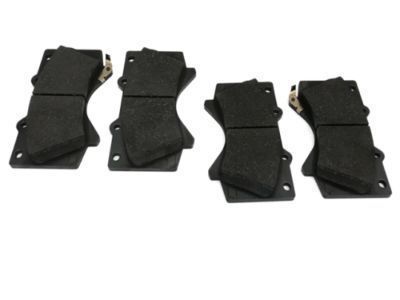
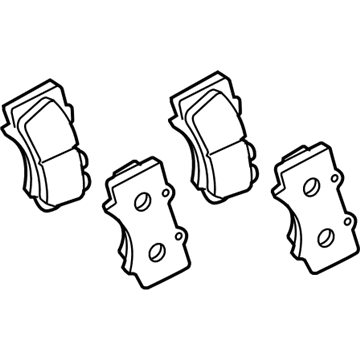
Toyota Land Cruiser Brake Pads, Front
Part Number: 04465-60280$76.07 MSRP: $105.63You Save: $29.56 (28%)Ships in 1-3 Business Days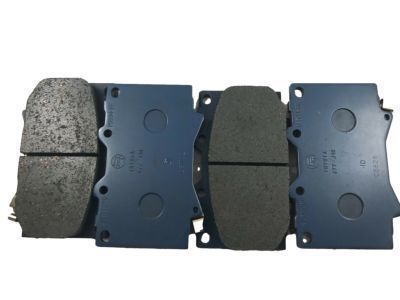
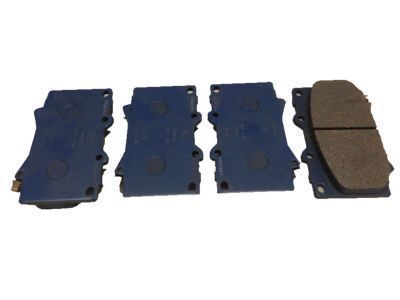
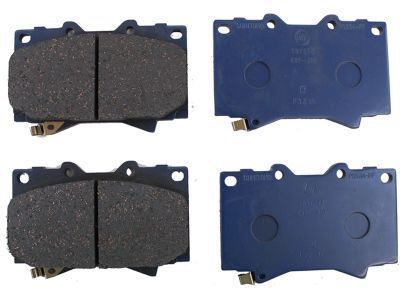
Toyota Land Cruiser Brake Pads, Front
Part Number: 04465-60230$82.82 MSRP: $115.02You Save: $32.20 (28%)Ships in 1-3 Business Days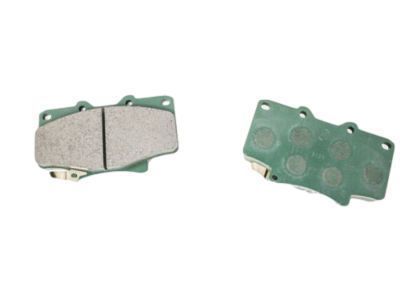
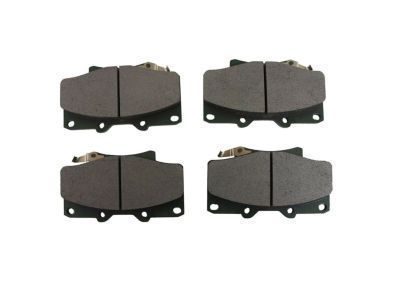
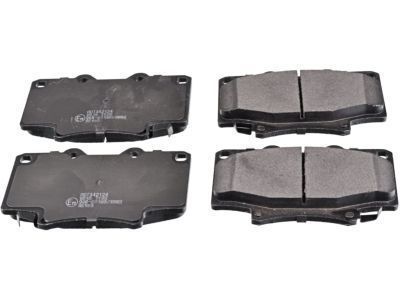
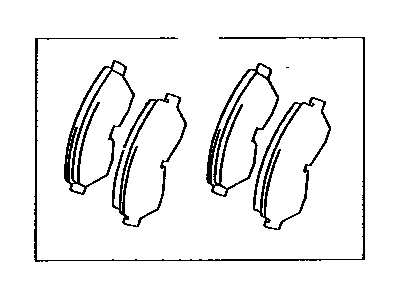
Toyota Land Cruiser Front Pads
Part Number: 04465-60020$57.99 MSRP: $80.72You Save: $22.73 (29%)Ships in 1-3 Business Days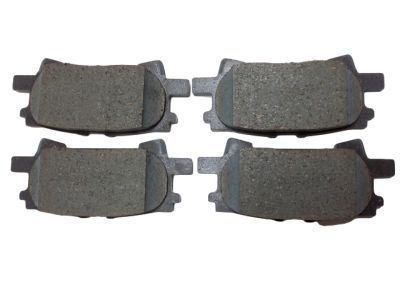
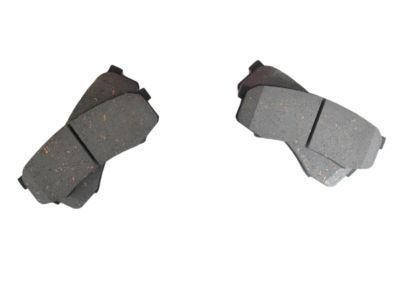
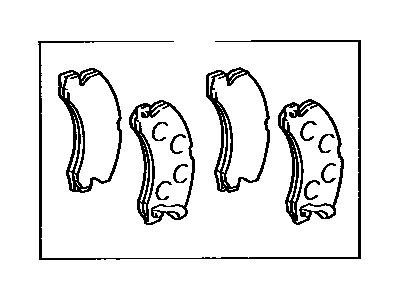
Toyota Land Cruiser Pad Kit, Disc Brake, Rear
Part Number: 04466-60020$67.77 MSRP: $95.12You Save: $27.35 (29%)Ships in 1-3 Business DaysToyota Land Cruiser Pad Kit, Disc Brake, Rear
Part Number: 04466-60161$66.11 MSRP: $92.80You Save: $26.69 (29%)Ships in 1-3 Business Days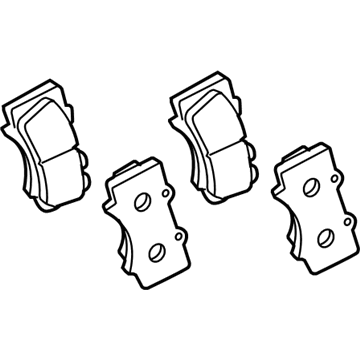
Toyota Land Cruiser Brake Pads, Front
Part Number: 04465-60281$94.08 MSRP: $132.04You Save: $37.96 (29%)Ships in 1-3 Business Days
Toyota Land Cruiser Brake Pad Set
Choose genuine Brake Pad Set that pass strict quality control tests. You can trust the top quality and lasting durability. Shopping for OEM Brake Pad Set for your Toyota Land Cruiser? Our website is your one-stop destination. We stock an extensive selection of genuine Toyota Land Cruiser parts. The price is affordable so you can save more. It only takes minutes to browse and find the exact fit. Easily add to cart and check out fast. Our hassle-free return policy will keep you stress-free. We process orders quickly for swift delivery. Your parts will arrive faster, so you can get back on the road sooner.
Toyota Land Cruiser Brake Pad Set Parts and Q&A
- Q: How to replace the rear Brake Pad Set on Toyota Land Cruiser?A:Begin by removing the rear wheel before checking pad lining thickness through the caliper inspection hole until you reach a depth less than 1.0 mm (0.039 inch). Then replace the pads. Start by unscrewing the 2 mounting bolts of the Brake Caliper followed by hanging the caliper from its position without detaching the flexible hose. Start by removing first the 2 pads along with the 4 anti-squeal shims and then take out the 4 pad support plates. The plates can be reused only if they demonstrate no deformities or cracks or have minimal wear and free from dust and rust. Before pad support plate and new pad installation verify disc thickness and runout the technician should replace anti-squeal shims while spreading disc brake grease on both sides of the inner shims but avoiding the rubbing face. You should remove some brake fluid from the reservoir before you press in the pistons by using a hammer handle or equivalent item while slightly loosening the bleeder plug when needed. Secure the caliper correctly without damaging the boot while tightening its two mounting bolts to 26 Nm (270 kgf-cm, 20 ft. lbs.). Reinstall the rear wheel by torquing it to 103 Nm (1,050 kgf-cm, 76 ft. lbs.) and then operate the brake pedal several times before checking the fluid reaches the max line.
- Q: How to replace the front Brake Pad Set on Toyota Land Cruiser?A:One must first remove the front wheel to examine pad lining thickness through the caliper inspection hole against the minimum acceptable thickness of 1.0 mm (0.039 inch) before pad replacement. Start by removing the clip followed by the 2 pins, proceed to remove the 2 pad retainer clips, after that extract the 2 pads together with the anti-squeal shims and pad retainers. Note that the pad retainer clip and clip can be reused unless they exhibit deformation or cracks or excessive wear and appear clean. Disc thickness and disc runout measurements should be checked before pad installation while replacing anti-squeal shims at the same time. Apply a small amount of brake fluid from the reservoir before using a hammer handle or equivalent to push the piston inward; the piston requires force to compress only if the bleeder plug requires loosening to drain some fluid from the system. The pad retainers must be fitted to each caliper piston followed by the anti-squeal shims on each pad while applying disc brake grease to both sides of the shims and pads according to the provided arrows. First install the front wheel and tighten it to 103 Nm (1,050 kgf-cm, 76 ft. lbs.) Then proceed with the pad retainer clip installation followed by the pins then finally the clip. Verify that the friction faces of pads and disc remain free of oil and grease before completing this procedure. When installing the system check the fluid level reaches the max line after depressing the brake pedal multiple times.
Related Toyota Land Cruiser Parts
 Toyota Land Cruiser Speed Sensor
 Toyota Land Cruiser Brake Booster Vacuum Hose
 Toyota Land Cruiser Brake Caliper
 Toyota Land Cruiser Brake Caliper Bracket
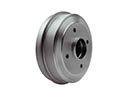 Toyota Land Cruiser Brake Drum
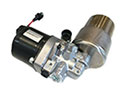 Toyota Land Cruiser Brake Fluid Pump
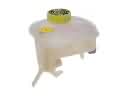 Toyota Land Cruiser Brake Master Cylinder Reservoir
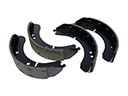 Toyota Land Cruiser Brake Shoe Set
 Toyota Land Cruiser Parking Brake Shoe
 Toyota Land Cruiser Wheel Bearing Dust Cap
 Toyota Land Cruiser Wheel Hub
 Toyota Land Cruiser Yaw Sensor