×
ToyotaParts- Hello
- Login or Register
- Quick Links
- Live Chat
- Track Order
- Parts Availability
- RMA
- Help Center
- Contact Us
- Shop for
- Toyota Parts
- Scion Parts
My Garage
My Account
Cart
OEM Toyota Corolla Seat Belt
Seat Safety Belt- Select Vehicle by Model
- Select Vehicle by VIN
Select Vehicle by Model
orMake
Model
Year
Select Vehicle by VIN
For the most accurate results, select vehicle by your VIN (Vehicle Identification Number).
280 Seat Belts found
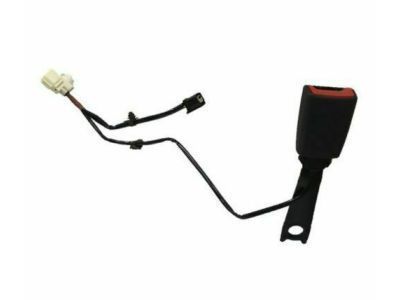
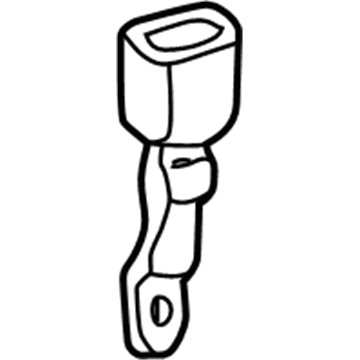
Toyota Corolla Buckle, Driver Side GREY Part Number: 73240-02030-B1
$27.83 MSRP: $38.74You Save: $10.91 (29%)Ships in 1-2 Business Days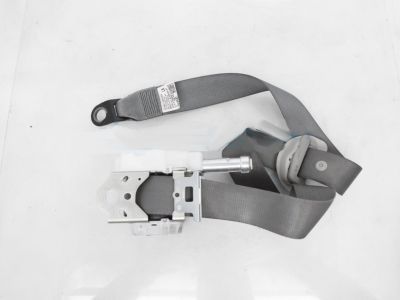
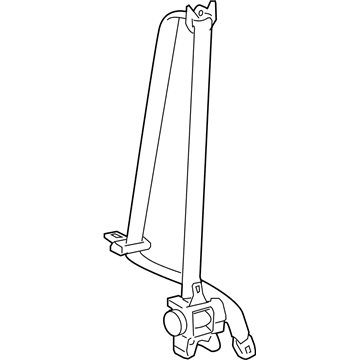
Toyota Corolla Lap & Shoulder Belt, Gray, Driver Side Part Number: 73220-02461-B0
$218.66 MSRP: $312.20You Save: $93.54 (30%)Ships in 1-3 Business Days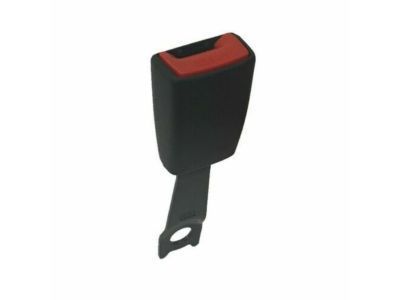
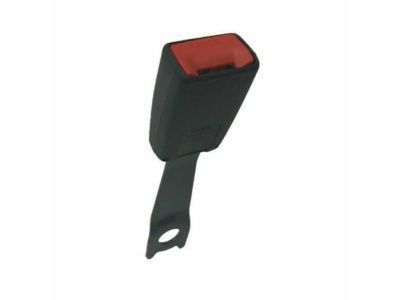
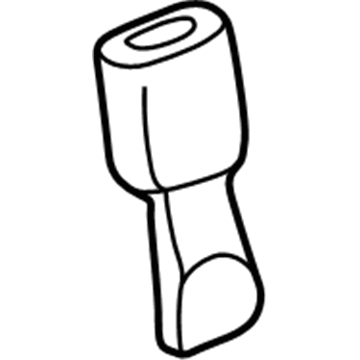
Toyota Corolla Buckle, Black, Passenger Side BLK Part Number: 73230-02020-C0
$34.17 MSRP: $47.56You Save: $13.39 (29%)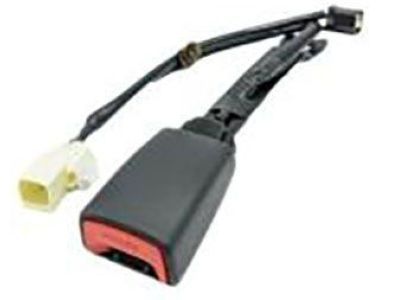
Toyota Corolla Buckle, Driver Side Part Number: 73240-02020-E0
$68.48 MSRP: $96.13You Save: $27.65 (29%)Ships in 1-2 Business Days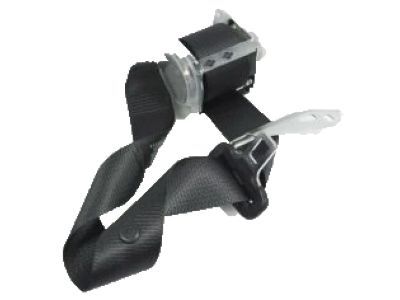
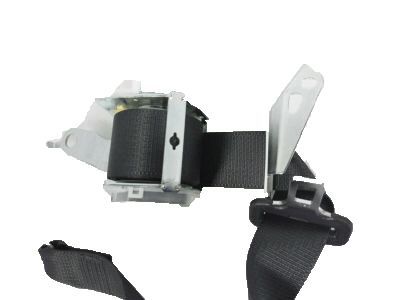
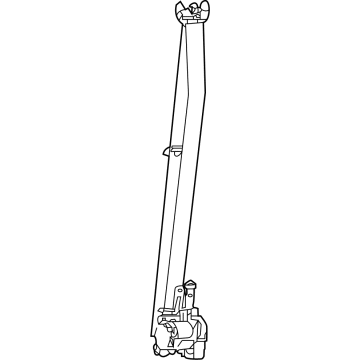
Toyota Corolla Lap & Shoulder Belt, Black, Driver Side Part Number: 73220-06390-C3
$218.66 MSRP: $312.20You Save: $93.54 (30%)Ships in 1-3 Business Days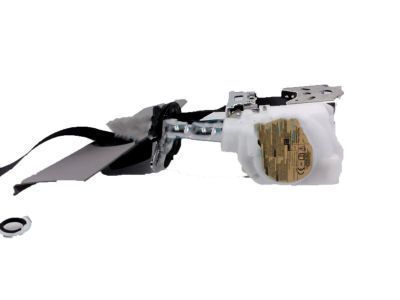
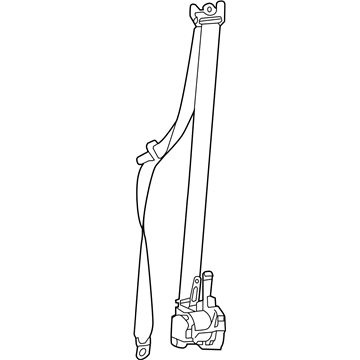
Toyota Corolla Lap & Shoulder Belt, Black, Passenger Side Part Number: 73210-06420-C4
$218.66 MSRP: $312.20You Save: $93.54 (30%)Ships in 1-3 Business Days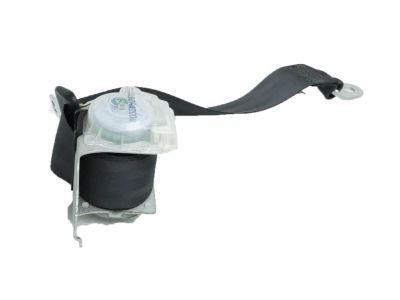
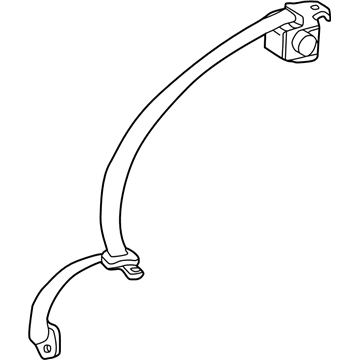
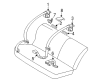
Toyota Corolla Lap & Shoulder Belt, Rear Part Number: 73360-02191-B0
$135.35 MSRP: $191.60You Save: $56.25 (30%)Ships in 1-3 Business Days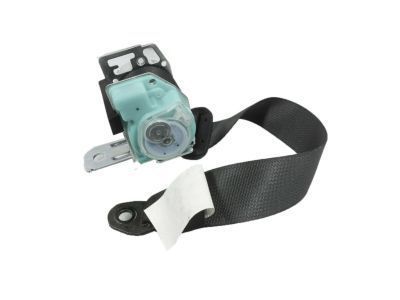
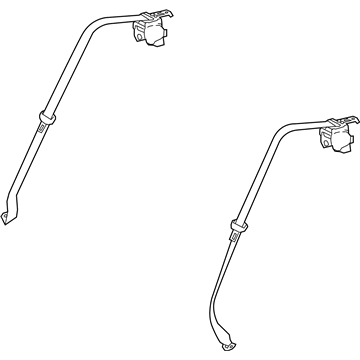
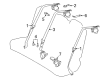
Toyota Corolla Lap & Shoulder Belt, Black, Rear Part Number: 73360-02560-C0
$138.17 MSRP: $195.59You Save: $57.42 (30%)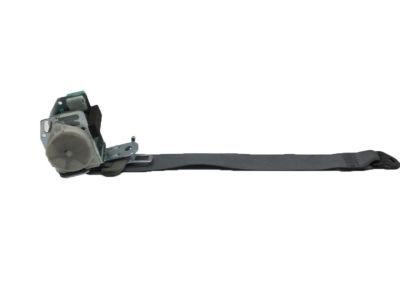
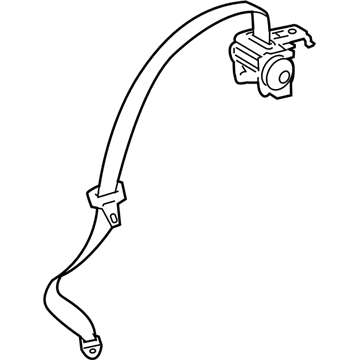
Toyota Corolla Outer Belt, Brown, Rear Part Number: 73360-02410-E0
$152.15 MSRP: $215.39You Save: $63.24 (30%)Ships in 1-3 Business Days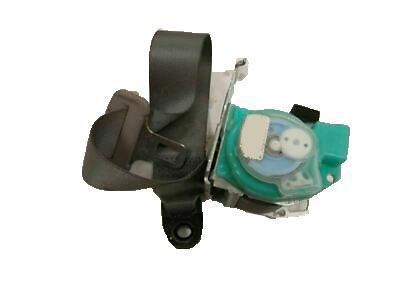
Toyota Corolla Outer Belt, Medium Gray, Rear Part Number: 73360-02410-B1
$152.15 MSRP: $215.39You Save: $63.24 (30%)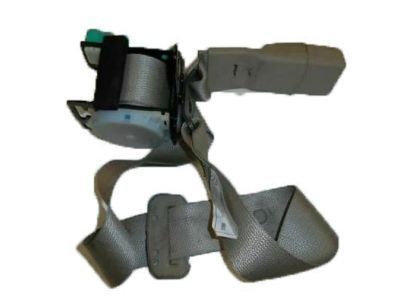
Toyota Corolla Outer Belt, Gray Part Number: 73360-12830-B1
$155.68 MSRP: $220.38You Save: $64.70 (30%)Ships in 1-3 Business Days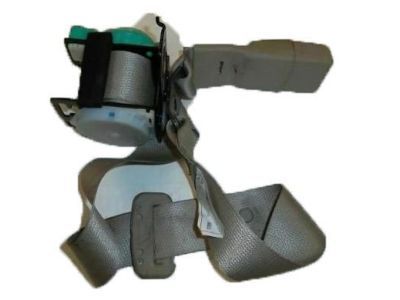
Toyota Corolla Outer Belt, Dark Gray, Rear Part Number: 73360-02410-B0
$174.24 MSRP: $246.66You Save: $72.42 (30%)Ships in 1-3 Business Days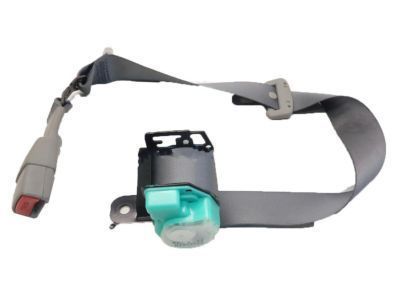
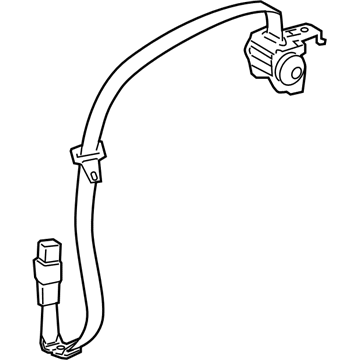
Toyota Corolla Lap & Shoulder Belt, Gray, Passenger Side Part Number: 73470-12211-B1
$185.57 MSRP: $264.96You Save: $79.39 (30%)Ships in 1-3 Business Days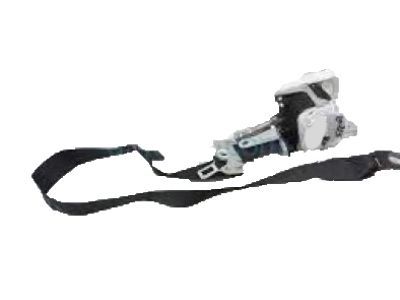
Toyota Corolla Lap & Shoulder Belt, Black, Passenger Side Part Number: 73210-02481-C0
$218.66 MSRP: $312.20You Save: $93.54 (30%)Ships in 1-3 Business Days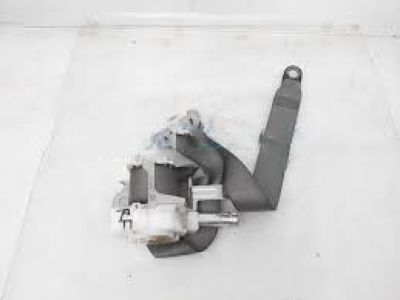
Toyota Corolla Lap & Shoulder Belt, Gray, Passenger Side Part Number: 73210-02481-B0
$218.66 MSRP: $312.20You Save: $93.54 (30%)Ships in 1-3 Business Days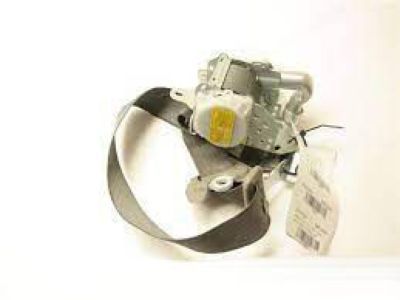
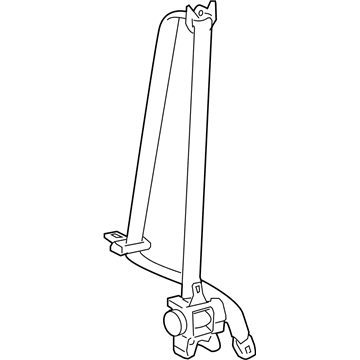
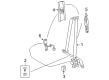
Toyota Corolla Lap & Shoulder Belt, Medium Gray, Driver Side Part Number: 73220-02290-B1
$247.20 MSRP: $352.95You Save: $105.75 (30%)Ships in 1-3 Business Days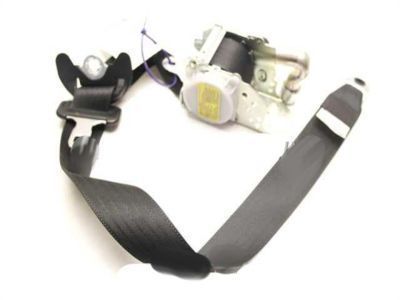
Toyota Corolla Lap & Shoulder Belt, Dark Gray, Driver Side Part Number: 73220-02290-B0
$247.20 MSRP: $352.95You Save: $105.75 (30%)Ships in 1-3 Business Days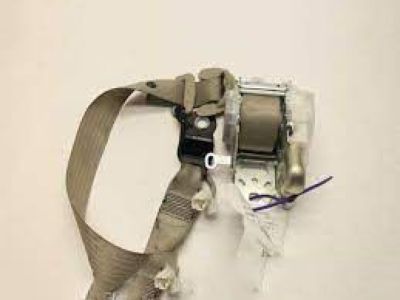
Toyota Corolla Lap & Shoulder Belt, Medium Gray, Passenger Side Part Number: 73210-02310-B1
$248.95 MSRP: $355.44You Save: $106.49 (30%)Ships in 1-3 Business Days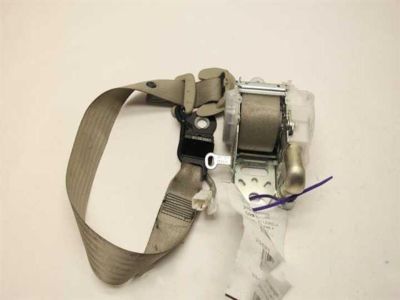
Toyota Corolla Lap & Shoulder Belt, Dark Gray, Passenger Side Part Number: 73210-02310-B0
$248.95 MSRP: $355.44You Save: $106.49 (30%)Ships in 1-3 Business Days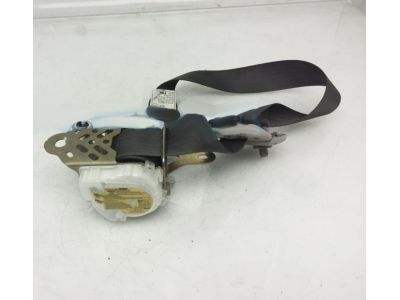
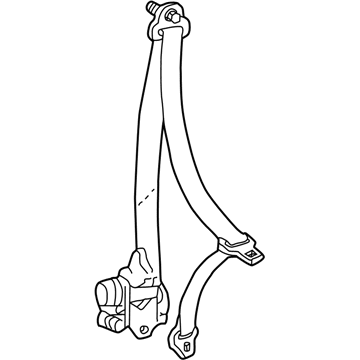
Toyota Corolla Lap & Shoulder Belt, Driver Side Part Number: 73220-02132-B0
$270.15 MSRP: $385.72You Save: $115.57 (30%)Ships in 1-3 Business Days
| Page 1 of 14 |Next >
1-20 of 280 Results
Toyota Corolla Seat Belt
Choose genuine Seat Belt that pass strict quality control tests. You can trust the top quality and lasting durability. Shopping for OEM Seat Belt for your Toyota Corolla? Our website is your one-stop destination. We stock an extensive selection of genuine Toyota Corolla parts. The price is affordable so you can save more. It only takes minutes to browse and find the exact fit. Easily add to cart and check out fast. Our hassle-free return policy will keep you stress-free. We process orders quickly for swift delivery. Your parts will arrive faster, so you can get back on the road sooner.
Toyota Corolla Seat Belt Parts and Q&A
- Q:How to Properly Install a Rear Seat Belt on Toyota Corolla?A:Start the rear seat outer belt installation process on the ELR when it remains unassembled. The ELR operates correctly when tested by tilting it gently and pulling the belt because the belt remains unlocked for all directions up to 15 degrees but reaches the locking position after 45 degrees. Installation of the rear seat belt assembly outer requires replacing the unit when it fails to meet operational specifications. Use a bolt to fasten the rear seat belt assembly outer onto the retractor side with torque specifications of 4.9 Nm (50 kgf-cm, 43 in-lbf) at the upper bolt position and 41.2 Nm (420 kgf-cm, 30 ft-lbf) at the lower bolt position. To install the rear seat belt assembly outer on the floor anchor side you must insert a bolt secured with a torque of 41.2 Nm (420 kgf-cm, 30 ft-lbf) while also confirming that the anchor part remains clear from the floor panel extensions. The belt should automatically lock while exiting a fast pull motion after check of the ELR with installed assemblies. You should change the rear seat belt assembly outer whenever it fails to engage the seat belt locking mechanism. The child restraint system's fastening mechanism verifies by pulling the belt through its whole length while it should automatically initiate retraction. Once completely retracted the belt system should allow users to extract it and pull it back into the seat. A new rear seat belt assembly outer requires installation when the components fail to perform according to specifications. Install the package tray trim panel assembly followed by the rear seat side garnish LH and rear seat side garnish RH then the rear seat cushion assembly and finally the rear door opening trim LH opposite the rear door opening trim RH and rear door scuff plate LH and then rear door scuff plate RH.
- Q:How to Remove the Rear Seat Inner Seat Belt Assembly on Toyota Corolla?A:The procedure for removing the rear seat inner belt assembly starts with removing the rear door scuff plate RH, then the rear door scuff plate LH followed by the rear door opening trim RH and LH. The second step is to take out the rear seat cushion assembly. The first step for removing the rear seat inner with center belt assembly RH requires removing its 2 securing bolts before repeating the same process for the rear seat inner with center belt assembly LH. You should end the procedure by unfastening the 2 bolts which secure the child restraint seat anchor bracket sub-assembly RH.
Related Toyota Corolla Parts
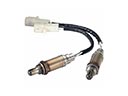 Toyota Corolla Oxygen Sensor
 Toyota Corolla Airbag
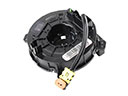 Toyota Corolla Clock Spring
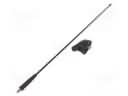 Toyota Corolla Antenna
 Toyota Corolla Camshaft Position Sensor
 Toyota Corolla Throttle Position Sensor
 Toyota Corolla ABS Relay
 Toyota Corolla Air Bag Control Module
 Toyota Corolla Air Bag Sensor
 Toyota Corolla Daytime Running Light Relay
 Toyota Corolla Ignition Relay
 Toyota Corolla Relay Block