×
ToyotaParts- Hello
- Login or Register
- Quick Links
- Live Chat
- Track Order
- Parts Availability
- RMA
- Help Center
- Contact Us
- Shop for
- Toyota Parts
- Scion Parts
My Garage
My Account
Cart
OEM Scion Transmission Pan
Trans Pan- Select Vehicle by Model
- Select Vehicle by VIN
Select Vehicle by Model
orMake
Model
Year
Select Vehicle by VIN
For the most accurate results, select vehicle by your VIN (Vehicle Identification Number).
8 Transmission Pans found
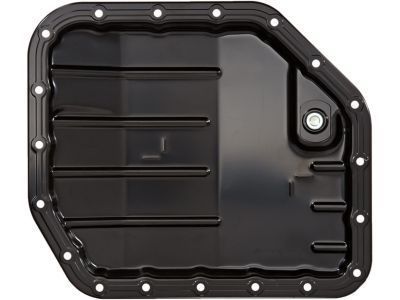
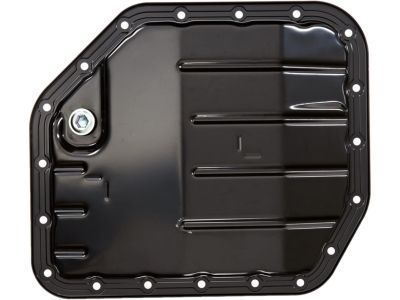
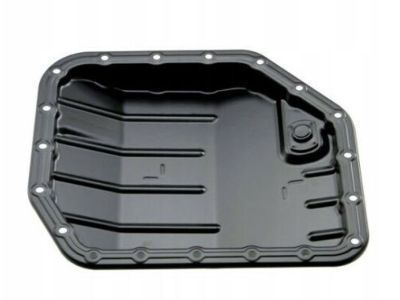
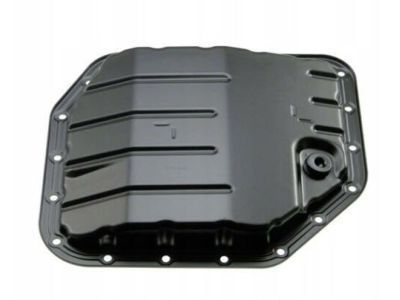
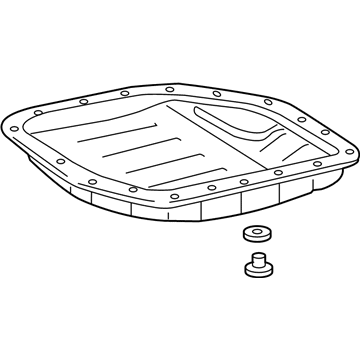
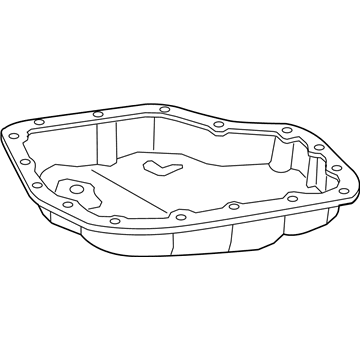
Scion Transmission Pan Part Number: 35106-52020
$90.52 MSRP: $127.06You Save: $36.54 (29%)Ships in 1-3 Business DaysProduct Specifications- Other Name: Pan Sub-Assembly, Transaxle Oil; Transmission Oil Pan; Automatic Transmission Oil Pan; Pan Sub-Assembly, Automatic Transaxle Oil
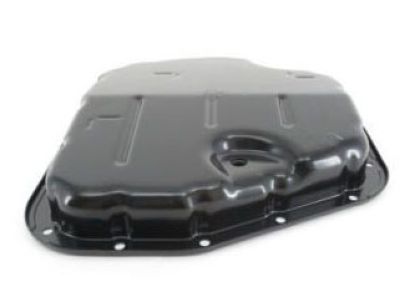
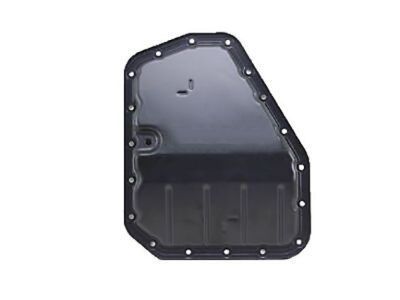
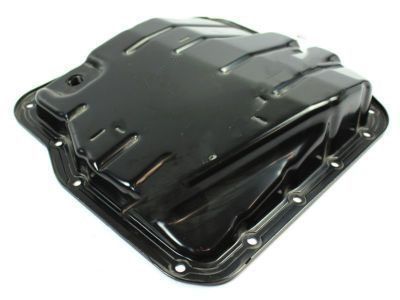
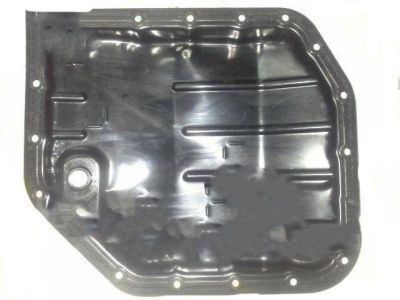
Scion Oil Pan Part Number: 35106-12200
$115.53 MSRP: $162.16You Save: $46.63 (29%)Ships in 1-3 Business DaysProduct Specifications- Other Name: Pan Sub-Assembly, Transaxle Oil; Transmission Oil Pan; Automatic Transmission Oil Pan; Transmission Pan; Pan Sub-Assembly, Transaxle Oil(CVT)
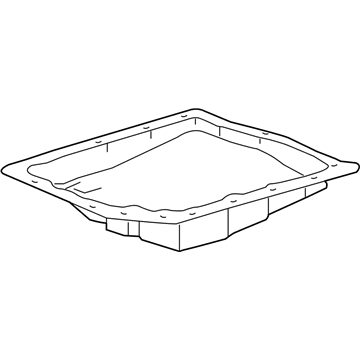
Scion Transmission Pan Part Number: 35106-28090
$126.18 MSRP: $178.63You Save: $52.45 (30%)Ships in 1-2 Business DaysProduct Specifications- Other Name: Pan Sub-Assembly, Transaxle Oil; Transmission Oil Pan; Automatic Transmission Oil Pan; Pan Sub-Assembly, Automatic Transaxle Oil
- Manufacturer Note: *345
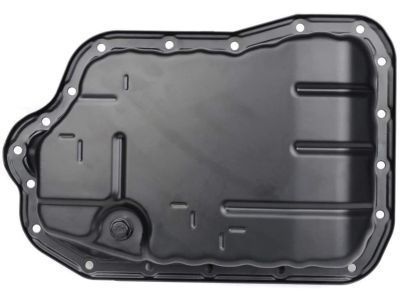
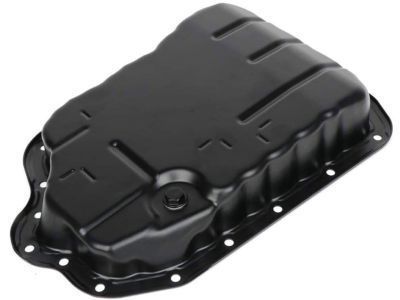
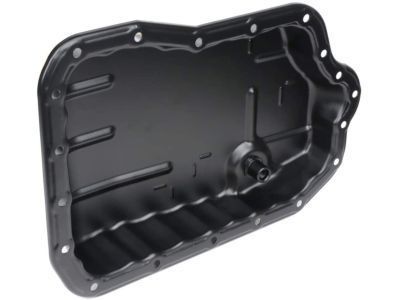
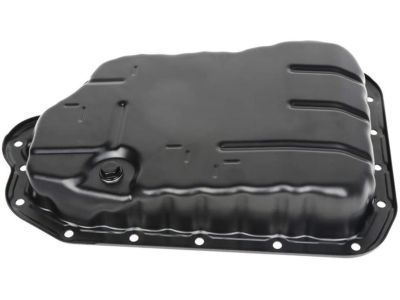
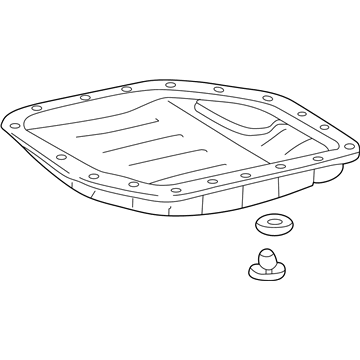
Scion Transmission Pan Part Number: 35106-06020
$105.22 MSRP: $147.69You Save: $42.47 (29%)Ships in 1-3 Business DaysProduct Specifications- Other Name: Pan Sub-Assembly, Transaxle Oil; Transmission Oil Pan; Automatic Transmission Oil Pan; Pan Sub-Assembly, Automatic Transaxle Oil
- Replaces: 35106-33070
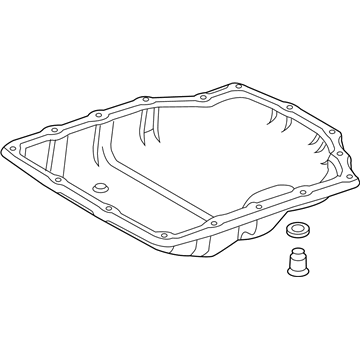
Scion Oil Pan Part Number: 35106-WB002
$60.74 MSRP: $85.26You Save: $24.52 (29%)Ships in 1-2 Business DaysProduct Specifications- Other Name: Pan Sub-Assembly, Transaxle Oil; Transmission Oil Pan; Automatic Transmission Oil Pan; Transmission Pan; Pan Sub-Assembly, Automatic Transaxle Oil
- Manufacturer Note: WITH(R-DOT LABEL)
- Replaces: 35106-WB001, 35106-WB003
Scion Transmission Pan Part Number: 35106-06010
$130.88 MSRP: $185.28You Save: $54.40 (30%)Ships in 1-3 Business DaysProduct Specifications- Other Name: Pan Sub-Assembly, Transaxle Oil; Transmission Oil Pan; Automatic Transmission Oil Pan; Pan Sub-Assembly, Automatic Transaxle Oil
- Manufacturer Note: (L)
- Replaces: 35106-33030
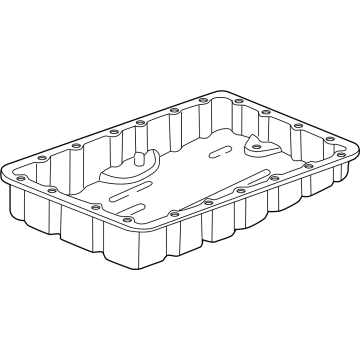
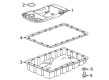
Scion Oil Pan Part Number: SU003-03667
$59.73 MSRP: $77.31You Save: $17.58 (23%)Ships in 1-3 Business DaysProduct Specifications- Other Name: Pan, Transmission Oil; Transmission Oil Pan; Transmission Pan; Pan Sub-Assembly, Automatic Transmission Oil
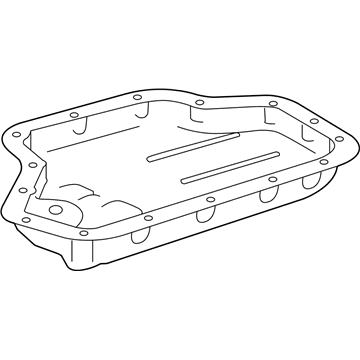
Scion Transmission Pan Part Number: 35106-74020
$99.17 MSRP: $139.20You Save: $40.03 (29%)Product Specifications- Other Name: Pan Sub-Assembly, Transmission Oil; Transmission Oil Pan; Automatic Transmission Oil Pan; Pan Sub-Assembly, Transaxle Oil(CVT)
Scion Transmission Pan
OEM parts deliver unmatched quality you can rely on. They pass extensive quality control inspections. Scion produces them to the official factory specifications. This process helps prevent defects and imperfections. So you can get exceptional lifespan and a flawless fit. Need new OEM Scion Transmission Pan? You'll love our wide selection of genuine options. Shop in minutes and skip the hunt. Our prices are unbeatable, you'll save time and money. It's easy to shop and find the right piece. Our committed customer service team gives professional help from start to finish. Every part includes a manufacturer's warranty. We ship quickly, your parts will arrive fast at your door.
The Scion Transmission Pan is designed to hold transmission fluid in place and cool to prevent gears and to last longer than the vibrant driving experience the owners were applied to have. In 2003, the Scion came on the scene targeting the youthful drivers who desired style without the bother. Scion sold mini cars at uncomplicated costs colored paint and Release Series exclusives that seemed like toys on the initial day of its existence. The shopping activity was transformed into an experience with Virtual Scion City chats and music events and the cars were applied as a moving laboratory of new technology. Many first-time buyers of Toyota purchased a Scion, due to its success, before the badge retired in 2016 and continues to inform creative car marketing in the present day. The metal sump is held together by a Scion Transmission Pan, which is a metal sump that is bolted below the automatic gearbox, it holds the fluid, the filter and the oil is directed to make every shift as smooth as possible. To remove the Transmission Pan park on the flat land and firmly lift up the vehicle and empty the old fluid into a clean container. Remove the old gasket, unbolt and lower the pan wipe both sealing surfaces until they are clean. Install a new filter place the new gasket and raise the new Transmission Pan. Beginning with each bolt by hand to prevent cross threading then crisscross tightening to the required torque. Refitting the connections is to lower the car, fill in the right fluid, drive up to engine temperature, change all the gears, and make sure that there are no leaks and that the level is correct.