×
ToyotaParts- Hello
- Login or Register
- Quick Links
- Live Chat
- Track Order
- Parts Availability
- RMA
- Help Center
- Contact Us
- Shop for
- Toyota Parts
- Scion Parts
My Garage
My Account
Cart
OEM Scion Thermostat Housing
Engine Coolant Thermostat Housing- Select Vehicle by Model
- Select Vehicle by VIN
Select Vehicle by Model
orMake
Model
Year
Select Vehicle by VIN
For the most accurate results, select vehicle by your VIN (Vehicle Identification Number).
17 Thermostat Housings found
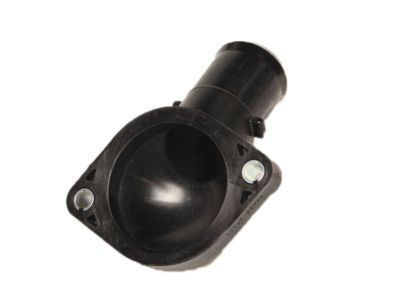
Scion Thermostat Housing Part Number: 16321-37010
$25.92 MSRP: $35.08You Save: $9.16 (27%)Product Specifications- Other Name: Inlet, Water; Engine Coolant Thermostat Housing Cover; Water Outlet; Water Inlet
- Manufacturer Note: (J)
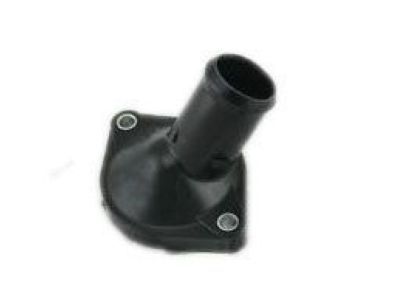
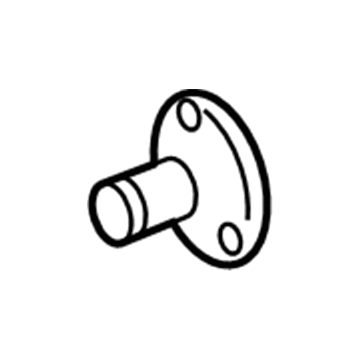
Scion Thermostat Housing Part Number: 16321-21020
$19.59 MSRP: $27.26You Save: $7.67 (29%)Ships in 1-2 Business DaysProduct Specifications- Other Name: Inlet, Water; Engine Coolant Thermostat Housing Cover; Water Outlet
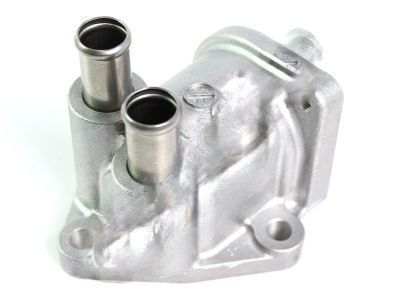
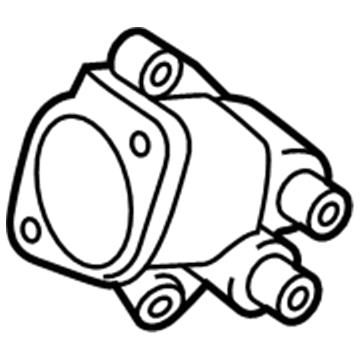
Scion Thermostat Housing, Lower Part Number: 16323-37040
$60.30 MSRP: $84.65You Save: $24.35 (29%)Ships in 1-3 Business DaysProduct Specifications- Other Name: Housing, Water Inlet; Engine Coolant Thermostat Housing, Lower; Thermostat Housing Cover; Water Outlet; Engine Coolant Thermostat Housing
- Position: Lower
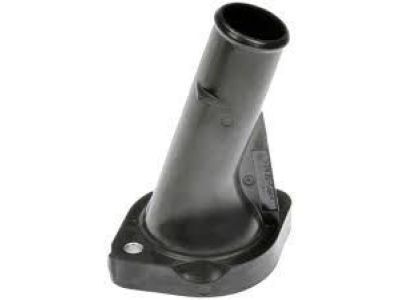
Scion Inlet, Water Part Number: 16321-28020
$44.92 MSRP: $62.53You Save: $17.61 (29%)Ships in 1 Business Day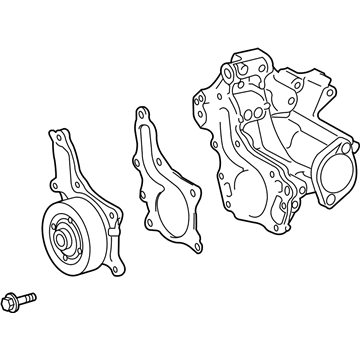
Scion Thermostat Housing Part Number: 16032-0V011
$277.96 MSRP: $396.86You Save: $118.90 (30%)Ships in 1-3 Business DaysProduct Specifications- Other Name: Housing Sub-Assembly, Water; Engine Water Pump Assembly; Engine Water Pump Housing; Thermostat Housing Cover; Water Inlet; Water Pump Assembly; Housing, Water Inlet; Water Pump
- Replaces: 16032-0V010, 16032-36010
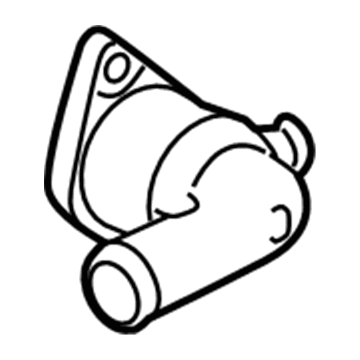
Scion Thermostat Housing Part Number: 16323-47010
$39.42 MSRP: $54.87You Save: $15.45 (29%)Ships in 1-3 Business DaysProduct Specifications- Other Name: Housing, Water Inlet; Thermostat Housing Cover; Housing
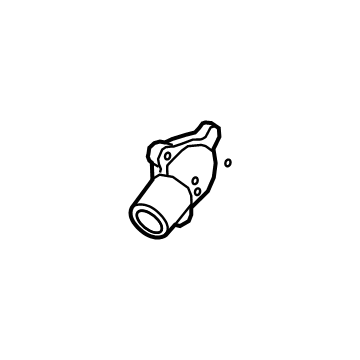
Scion Water Inlet, Upper Part Number: 16321-WB001
$55.47 MSRP: $77.21You Save: $21.74 (29%)Ships in 1-3 Business DaysProduct Specifications- Other Name: Inlet, Water; Engine Coolant Thermostat Housing, Upper; Engine Coolant Inlet Flange; Radiator Hose
- Position: Upper
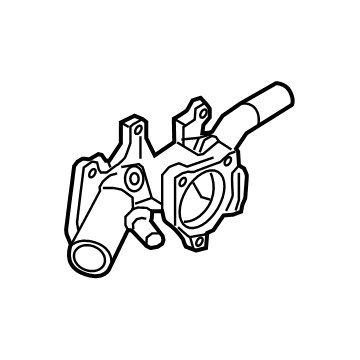
Scion Thermostat Housing, Lower Part Number: 16323-WB004
$95.84 MSRP: $134.53You Save: $38.69 (29%)Ships in 1-3 Business DaysProduct Specifications- Other Name: Housing, Water Inlet; Engine Coolant Thermostat Housing, Lower; Thermostat Housing Cover
- Position: Lower
- Replaces: 16323-WB001
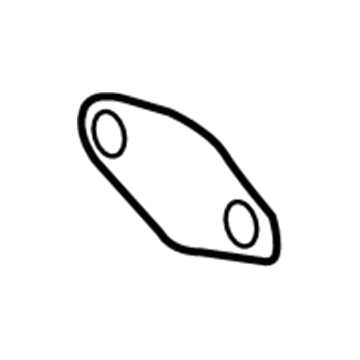
Scion Thermostat Housing Part Number: SU003-04082
$7.01 MSRP: $9.08You Save: $2.07 (23%)Ships in 1-3 Business DaysProduct Specifications- Other Name: Cover-Thermostat; Engine Coolant Thermostat Housing; Thermostat Housing Cover; Cover; Housing, Water Inlet; Plate Cover
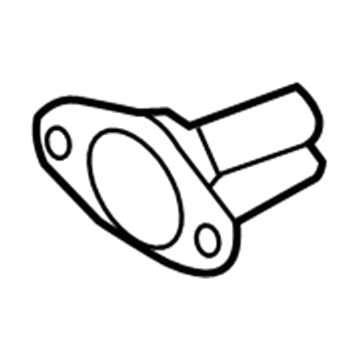
Scion Thermostat Housing Part Number: SU003-00114
$16.73 MSRP: $21.66You Save: $4.93 (23%)Ships in 1-3 Business DaysProduct Specifications- Other Name: Cover-Thermostat; Engine Coolant Thermostat Housing; Thermostat Housing Cover; Housing, Water Inlet
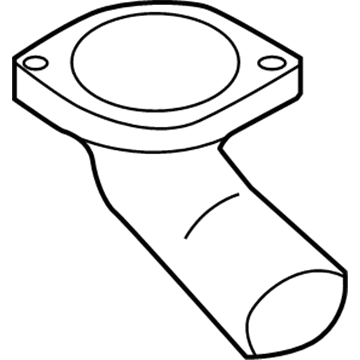
Scion Thermostat Housing, Lower Part Number: SU003-00113
$22.82 MSRP: $29.54You Save: $6.72 (23%)Ships in 1-3 Business DaysProduct Specifications- Other Name: Cover-Thermostat; Engine Coolant Thermostat Housing, Lower; Thermostat Housing Cover; Water Outlet; Outlet, Water
- Position: Lower
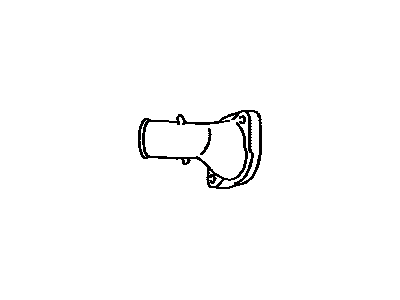
Scion Inlet, Water Part Number: 16321-36010
$27.47 MSRP: $38.24You Save: $10.77 (29%)Ships in 1-3 Business Days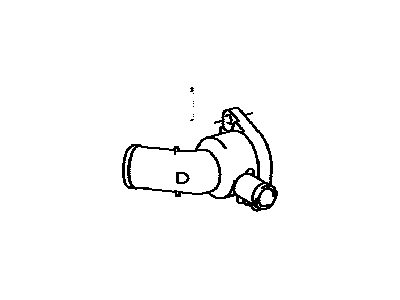
Scion Water Inlet Part Number: 16321-47021
$64.10 MSRP: $89.97You Save: $25.87 (29%)Ships in 1-3 Business DaysProduct Specifications- Other Name: Inlet, Water
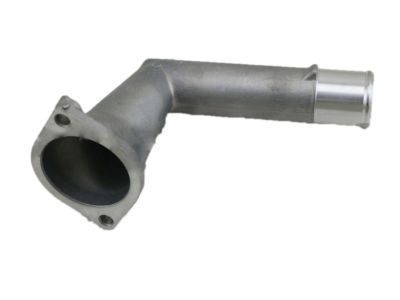
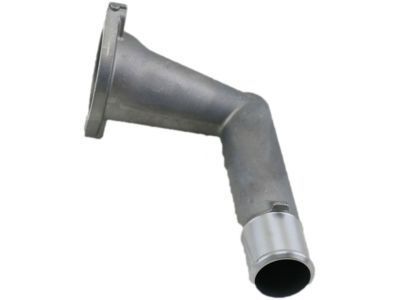
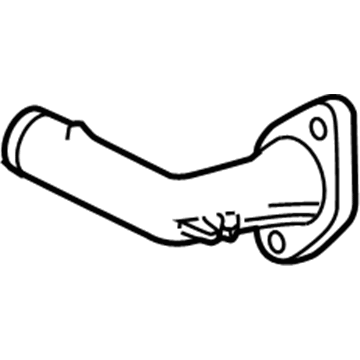
Scion Thermostat Housing Part Number: 16321-28010
$54.36 MSRP: $75.67You Save: $21.31 (29%)Product Specifications- Other Name: Inlet, Water; Engine Coolant Thermostat Housing; Engine Coolant Water Inlet; Thermostat Housing Cover; Water Outlet; Water Inlet Tube
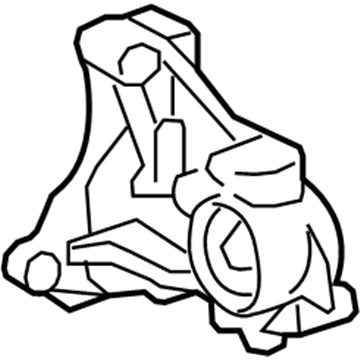
Scion Thermostat Housing Part Number: 16323-0H011
$155.09 MSRP: $219.54You Save: $64.45 (30%)Ships in 1-3 Business DaysProduct Specifications- Other Name: Housing, Water Inlet; Thermostat Housing Cover
- Manufacturer Note: *194
- Replaces: 16323-0H010
Scion Thermostat Housing, Lower Part Number: 16323-WB002
$104.28 MSRP: $146.37You Save: $42.09 (29%)Product Specifications- Other Name: Housing, Water Inlet; Engine Coolant Thermostat Housing, Lower; Thermostat Housing Cover
- Position: Lower
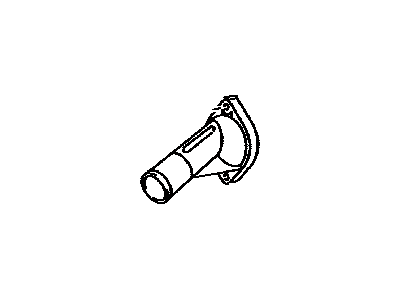
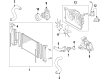
Scion Water Inlet Part Number: 16321-0H060
Product Specifications- Other Name: Inlet, Water
- Manufacturer Note: *194
Scion Thermostat Housing
OEM parts deliver unmatched quality you can rely on. They pass extensive quality control inspections. Scion produces them to the official factory specifications. This process helps prevent defects and imperfections. So you can get exceptional lifespan and a flawless fit. Need new OEM Scion Thermostat Housing? You'll love our wide selection of genuine options. Shop in minutes and skip the hunt. Our prices are unbeatable, you'll save time and money. It's easy to shop and find the right piece. Our committed customer service team gives professional help from start to finish. Every part includes a manufacturer's warranty. We ship quickly, your parts will arrive fast at your door.
Scion Thermostat Housing maintains the coolant flow when needed and keeps the engine cool ensuring spirited drives are not spoiled. Scion entered the market in 2003 and targeted young drivers directly, who wanted small cars that seemed to be blank canvases. Each Scion became a statement as a result of bold paint selections, simple pricing and buzz of limited Release Series models. The brand served as a moving lab, testing new technologies and promotional initiatives as a virtual city, and long before its demise in 2016 it had attracted over a million first time Toyota fans. Even in the modern times, all the models that survived bear the heritage of the customization and fun. A Thermostat Housing is a small yet critical housing that houses the thermostat to provide the direction of the coolant between the engine and the radiator as well as any leaks. In installing a new Scion Thermostat Housing, it is always a good idea to allow the engine to cool first before discharging pressure and emptying the coolant beneath the unit. Detach hoses, unbolt old Thermostat Housing, remove surrounding parts, label and free release, and remove. Wipe both mating surfaces until bright, install the thermostat with its spring facing the engine, install a new gasket and drop the replacement housing. Evenly tighten the bolts, reconnect hoses and any sensors, fill up the radiator, bleed any trapped air, start the car, and pay attention to leaks or temperature surges to make sure the Scion is running smoothly.