×
ToyotaParts- Hello
- Login or Register
- Quick Links
- Live Chat
- Track Order
- Parts Availability
- RMA
- Help Center
- Contact Us
- Shop for
- Toyota Parts
- Scion Parts
My Garage
My Account
Cart
OEM Scion Oil Cooler
Engine Oil Cooler- Select Vehicle by Model
- Select Vehicle by VIN
Select Vehicle by Model
orMake
Model
Year
Select Vehicle by VIN
For the most accurate results, select vehicle by your VIN (Vehicle Identification Number).
4 Oil Coolers found
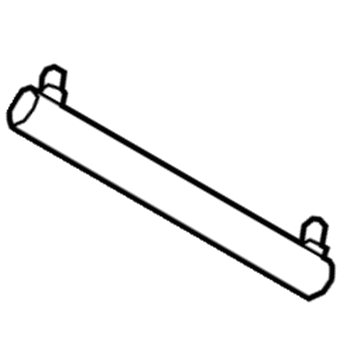
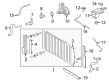
Scion Transmission Cooler
Part Number: 16491-28660$386.90 MSRP: $567.00You Save: $180.10 (32%)Ships in 1-3 Business DaysProduct Specifications- Other Name: Cooler, Oil; Automatic Transmission Oil Cooler

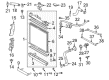
Scion Transmission Cooler
Part Number: 16491-23090$228.41 MSRP: $326.11You Save: $97.70 (30%)Ships in 1-3 Business DaysProduct Specifications- Other Name: Cooler, Oil; Automatic Transmission Oil Cooler
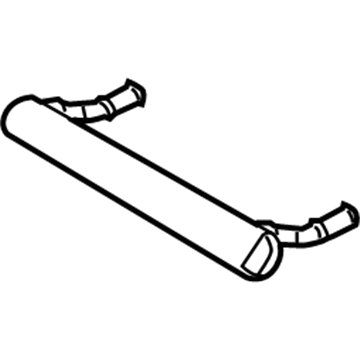
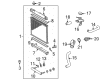
Scion Transmission Cooler
Part Number: 16491-21300$348.22 MSRP: $510.31You Save: $162.09 (32%)Ships in 1-3 Business DaysProduct Specifications- Other Name: Cooler; Automatic Transmission Oil Cooler
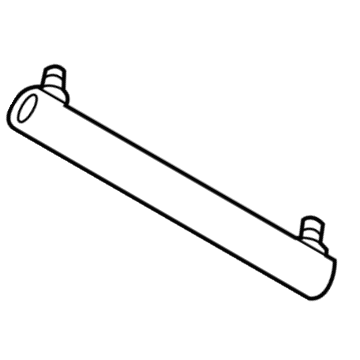
Scion Transmission Cooler
Part Number: 16491-36190$386.90 MSRP: $567.00You Save: $180.10 (32%)Ships in 1-3 Business DaysProduct Specifications- Other Name: Cooler, Oil; Automatic Transmission Oil Cooler; Oil Cooler
Scion Oil Cooler
OEM parts deliver unmatched quality you can rely on. They pass extensive quality control inspections. Scion produces them to the official factory specifications. This process helps prevent defects and imperfections. So you can get exceptional lifespan and a flawless fit. Need new OEM Scion Oil Cooler? You'll love our wide selection of genuine options. Shop in minutes and skip the hunt. Our prices are unbeatable, you'll save time and money. It's easy to shop and find the right piece. Our committed customer service team gives professional help from start to finish. Every part includes a manufacturer's warranty. We ship quickly, your parts will arrive fast at your door.
The Scion Oil Cooler maintains a consistent, safe temperature of engine oil, allowing spirited drivers to spend much time on the road without being concerned about heat loss. Scion was born in 2003 to attract young purchasers through the use of bold colors, fixed prices, and special Release Series models, which were exclusive but not extortionate. Its small vehicles motivated people to customize all the aspects including wheels and audio and the whole brand acted as Toyota rolling test lab to new ideas. Scion also popularized the Virtual Scion City which offered the fans a virtual playground of Scion as creative as actual cars. However, its impact continues to affect Toyota showrooms and internet marketing when the Scion name was retired in 2016. In such a thinking of customization, the Oil Cooler upgrade reduces viscosity dissipation, protects the bearings and helps maintain steady performance in the course of the autocross. The installation of the Oil Cooler unit is not fast and requires simple equipment. The first step is selecting a stable position before the radiator where there is a free flow of air, and attaching the cooler with brackets and rubber spacers provided. Then rotate a sandwich plate on the stock filter by shedding oil to flow through the fins making sure that the arrow markings on the plate are equal to the flow. Install high pressure hose at a distance of sharp metal and hot exhaust, fasten them by using clamps, and apply thread sealant on all Oil Cooler fittings. Install an inline thermostat when you will be driving in cold weather, fill the crankcase, prime the system, start the engine and check for leaks, and finally take a brief test on the road, then check the level, before finally taking the final level check.