×
ToyotaParts- Hello
- Login or Register
- Quick Links
- Live Chat
- Track Order
- Parts Availability
- RMA
- Help Center
- Contact Us
- Shop for
- Toyota Parts
- Scion Parts
My Garage
My Account
Cart
OEM Scion Coolant Reservoir
Coolant Tank Reservoir- Select Vehicle by Model
- Select Vehicle by VIN
Select Vehicle by Model
orMake
Model
Year
Select Vehicle by VIN
For the most accurate results, select vehicle by your VIN (Vehicle Identification Number).
18 Coolant Reservoirs found
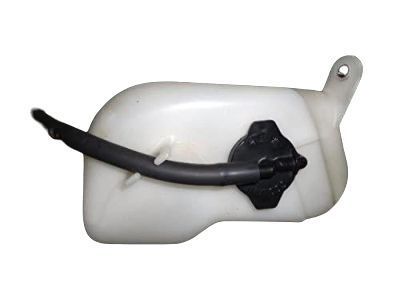
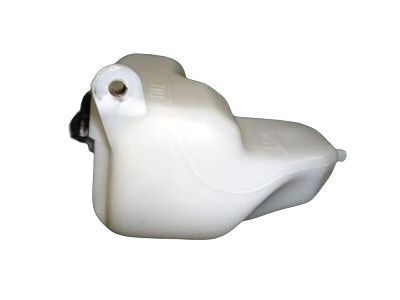
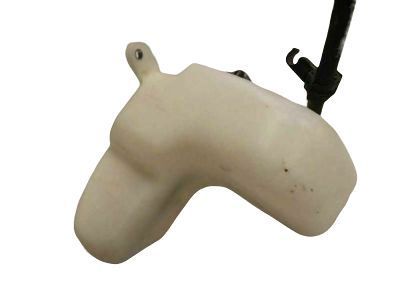
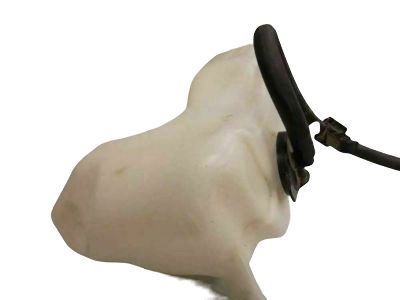
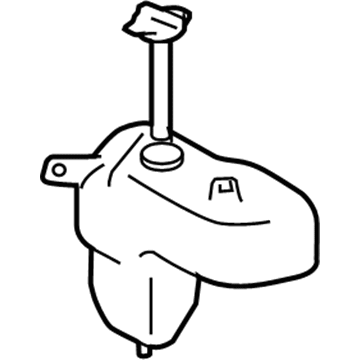
Scion Reservoir Tank Part Number: 16470-22060
$90.19 MSRP: $126.59You Save: $36.40 (29%)Ships in 1-3 Business DaysProduct Specifications- Other Name: Reserve Tank Assembly, Radiator Reserve; Engine Coolant Reservoir; Tank Assembly, Radiator Reserve; Coolant Reservoir
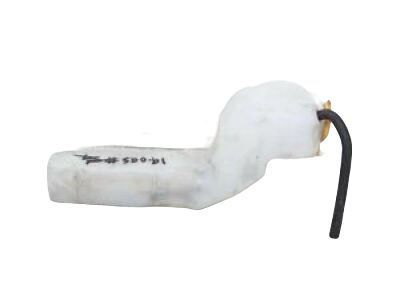
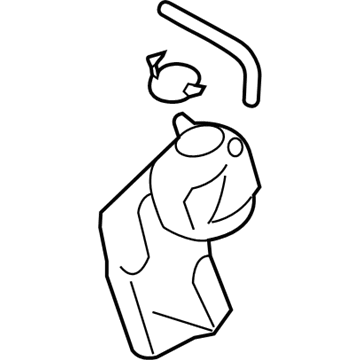
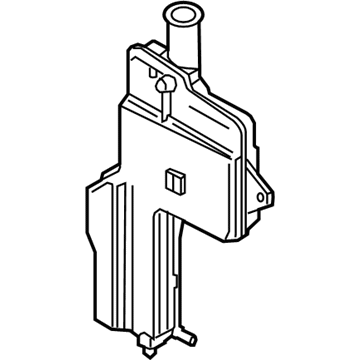
Scion Expansion Tank Part Number: SU003-01185
$43.52 MSRP: $56.34You Save: $12.82 (23%)Ships in 1-2 Business DaysProduct Specifications- Other Name: Tank Reserve; Engine Coolant Reservoir; Cooling Fan Assembly; Reservoir Assembly; Tank Assembly, Radiator Reserve; Coolant Reservoir
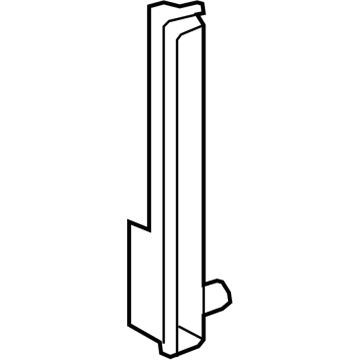
Scion Expansion Tank Part Number: 16480-WB001
$46.63 MSRP: $64.90You Save: $18.27 (29%)Ships in 1 Business DayProduct Specifications- Other Name: Reserve Tank Assembly, Radiator Reserve; Engine Coolant Reservoir; Reservoir Tank; Reserve Tank Assembly, Radiator W/O Cap; Coolant Reservoir
Scion Tank, Upper Part Number: 16441-28650
$118.49 MSRP: $167.74You Save: $49.25 (30%)Ships in 1-3 Business DaysProduct Specifications- Other Name: Tank, Upper; Radiator Inlet Tank, Upper; Coolant Reservoir
- Position: Upper
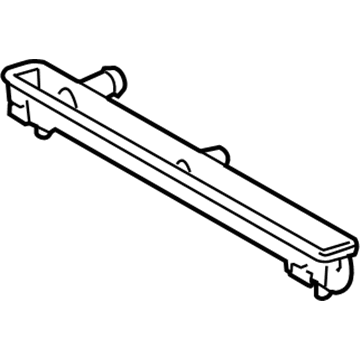
Scion Transmission Cooler Part Number: 16461-21300
$126.82 MSRP: $179.52You Save: $52.70 (30%)Ships in 1-3 Business DaysProduct Specifications- Other Name: Tank; Automatic Transmission Oil Cooler
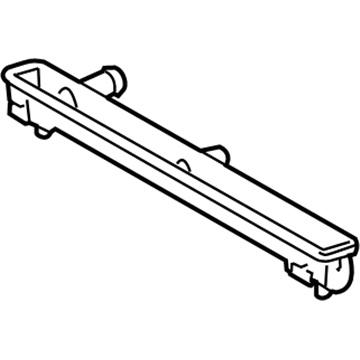
Scion Tank Part Number: 16461-21270
$126.82 MSRP: $179.52You Save: $52.70 (30%)Ships in 1-3 Business DaysProduct Specifications- Other Name: Radiator Outlet Tank, Lower; Radiator Inlet Tank, Lower; Coolant Reservoir
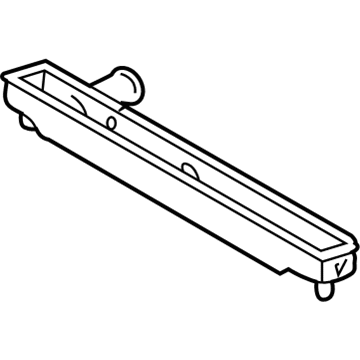
Scion Tank, Lower Part Number: 16461-21070
$126.82 MSRP: $179.52You Save: $52.70 (30%)Ships in 1-3 Business DaysProduct Specifications- Other Name: Tank, Lower; Radiator Outlet Tank, Lower; Radiator Inlet Tank, Lower; Coolant Reservoir
- Position: Lower
Scion Tank, Lower Part Number: 16461-21060
$126.82 MSRP: $179.52You Save: $52.70 (30%)Ships in 1-3 Business DaysProduct Specifications- Other Name: Tank, Lower; Radiator Outlet Tank, Lower; Radiator Inlet Tank, Lower; Coolant Reservoir
- Position: Lower
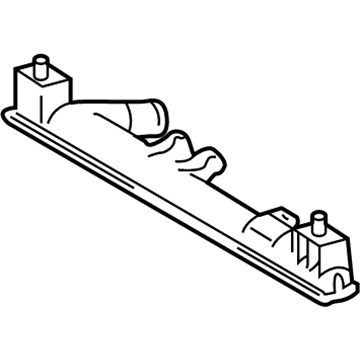
Scion Tank, Upper Part Number: 16441-21070
$142.06 MSRP: $201.10You Save: $59.04 (30%)Ships in 1-3 Business DaysProduct Specifications- Other Name: Tank, Upper; Radiator Outlet Tank, Upper; Radiator Inlet Tank, Upper; Coolant Reservoir
- Position: Upper
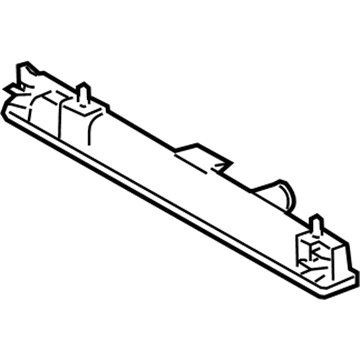
Scion Tank Part Number: 16441-23170
$142.67 MSRP: $201.96You Save: $59.29 (30%)Ships in 1-3 Business DaysProduct Specifications- Other Name: Radiator Outlet Tank, Upper; Radiator Inlet Tank, Upper; Coolant Reservoir
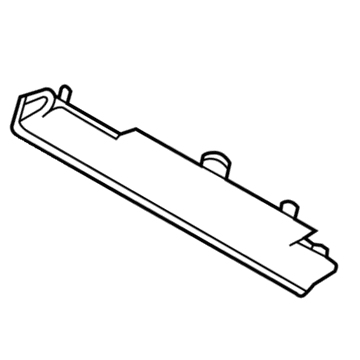
Scion Tank, Lower Part Number: 16461-28660
$146.64 MSRP: $207.59You Save: $60.95 (30%)Ships in 1-3 Business DaysProduct Specifications- Other Name: Tank, Lower; Radiator Outlet/Inlet Tank; Coolant Reservoir
- Position: Lower
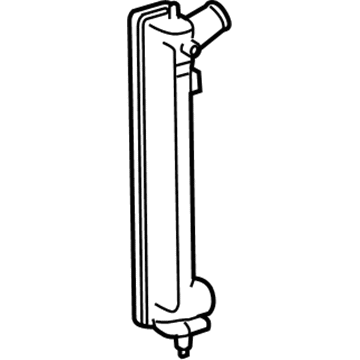
Scion Tank, Upper Part Number: 16441-22140
$154.00 MSRP: $217.99You Save: $63.99 (30%)Ships in 1-3 Business DaysProduct Specifications- Other Name: Tank, Upper; Radiator Inlet Tank, Upper; Coolant Reservoir
- Position: Upper
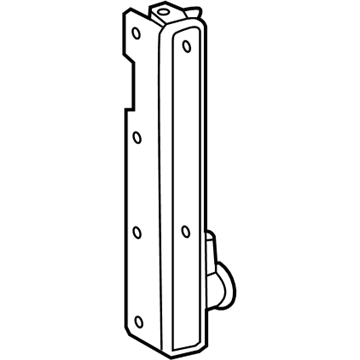
Scion Tank, Upper Part Number: 16441-36190
$164.02 MSRP: $232.19You Save: $68.17 (30%)Ships in 1-3 Business DaysProduct Specifications- Other Name: Tank, Upper; Radiator Outlet Tank, Upper; Radiator Inlet Tank, Upper; Coolant Reservoir
- Position: Upper
Scion Tank, Upper Part Number: 16441-36180
$164.02 MSRP: $232.19You Save: $68.17 (30%)Ships in 1-3 Business DaysProduct Specifications- Other Name: Tank, Upper; Radiator Outlet Tank, Upper; Radiator Inlet Tank, Upper; Coolant Reservoir
- Position: Upper
Scion Tank, Upper Part Number: 16441-28660
$164.02 MSRP: $232.19You Save: $68.17 (30%)Ships in 1-3 Business DaysProduct Specifications- Other Name: Tank, Upper; Radiator Inlet Tank, Upper; Coolant Reservoir
- Position: Upper
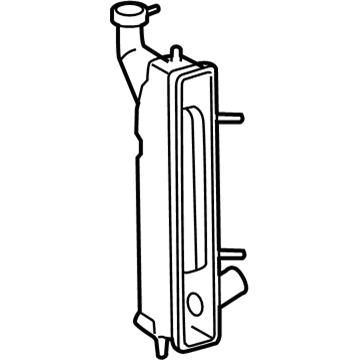
Scion Tank, Lower Part Number: 16461-28350
$166.76 MSRP: $236.06You Save: $69.30 (30%)Ships in 1-3 Business DaysProduct Specifications- Other Name: Tank, Lower; Radiator Outlet Tank, Lower; Coolant Reservoir
- Position: Lower
Scion Tank Part Number: 16460-22170
$194.36 MSRP: $277.50You Save: $83.14 (30%)Ships in 1-3 Business DaysProduct Specifications- Other Name: Tank Assembly; Radiator Outlet Tank, Lower; Coolant Reservoir
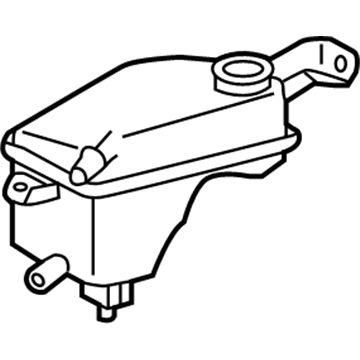
Scion Expansion Tank Part Number: 16480-22080
$208.06 MSRP: $297.06You Save: $89.00 (30%)Ships in 1-3 Business DaysProduct Specifications- Other Name: Reserve Tank Assembly, Radiator Reserve; Engine Coolant Reservoir; Reservoir Tank; Reservoir; Reserve Tank Assembly, Radiator W/O Cap; Tank Assembly, Radiator Reserve; Coolant Reservoir
Scion Coolant Reservoir
OEM parts deliver unmatched quality you can rely on. They pass extensive quality control inspections. Scion produces them to the official factory specifications. This process helps prevent defects and imperfections. So you can get exceptional lifespan and a flawless fit. Need new OEM Scion Coolant Reservoir? You'll love our wide selection of genuine options. Shop in minutes and skip the hunt. Our prices are unbeatable, you'll save time and money. It's easy to shop and find the right piece. Our committed customer service team gives professional help from start to finish. Every part includes a manufacturer's warranty. We ship quickly, your parts will arrive fast at your door.
The Scion Coolant Reservoir maintains the temperatures of the engines in control by storing the additional coolant and supplying it back to the engine as the engine cools. Scion vehicles received a fan club of colorful Release Series, straightforward prices, and a lighthearted atmosphere that welcomed young buyers to customize any vehicle. Scion, born in 2003, experimented with radical concepts such as online city and made more than a million cars sales before 2016 demonstrating that new thinking could win first time buyers. Small size, easy handling, and proven components allow a Scion to run far without much trouble thus today when a Scion owner gets in the car, they still uses the same spirit when they are going to work or school. Both models had aggressive styling, spacious interiors and a factory stereo that impressed competitors, but prices remained low. Online construction games meant purchase was a spectacle rather than purchasing and the fans owned the narrative. The Coolant Reservoir itself is also a tough plastic tank attached to the radiator where it balances pressure, overheating is avoided, and easy level checks are achieved. To replace a Coolant Reservoir, one simply needs to park the car on a flat surface, apply the brake and allow the engine to cool down. Ease the radiator cap by loosening it, disconnect the level sensor and draw out the hoses. Loosen the old tank and remove it, including fittings. Install the new Coolant Reservoir, mount it in place, reconnect hoses and wiring and refill with the appropriate coolant. Flick, squeeze the upper hose to clear air and leakage and complete with a brief test drive to ensure the temperature is stable.