×
ToyotaParts- Hello
- Login or Register
- Quick Links
- Live Chat
- Track Order
- Parts Availability
- RMA
- Help Center
- Contact Us
- Shop for
- Toyota Parts
- Scion Parts
My Garage
My Account
Cart
OEM Scion Transmission Oil Cooler
Trans Oil Cooler- Select Vehicle by Model
- Select Vehicle by VIN
Select Vehicle by Model
orMake
Model
Year
Select Vehicle by VIN
For the most accurate results, select vehicle by your VIN (Vehicle Identification Number).
7 Transmission Oil Coolers found
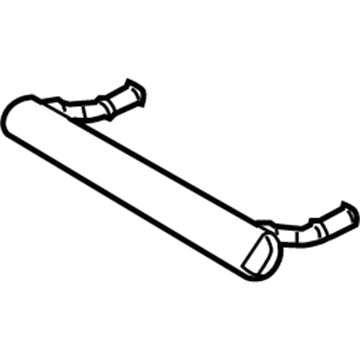
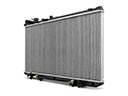
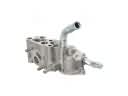
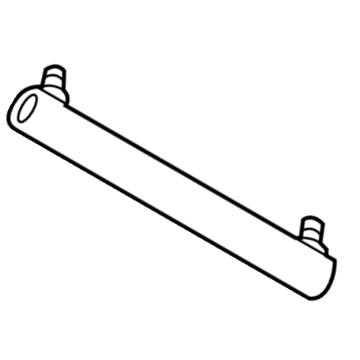
Scion Transmission Cooler Part Number: 16491-21300
$353.37 MSRP: $517.87You Save: $164.50 (32%)Ships in 1-3 Business DaysProduct Specifications- Other Name: Cooler; Automatic Transmission Oil Cooler
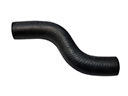
Scion Transmission Cooler Part Number: 16491-36190
$391.67 MSRP: $573.99You Save: $182.32 (32%)Ships in 1-3 Business DaysProduct Specifications- Other Name: Cooler, Oil; Automatic Transmission Oil Cooler; Oil Cooler
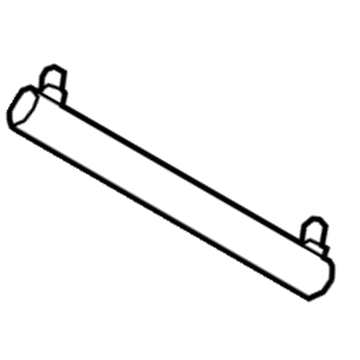
Scion Transmission Cooler Part Number: 16491-28660
$391.67 MSRP: $573.99You Save: $182.32 (32%)Ships in 1-3 Business DaysProduct Specifications- Other Name: Cooler, Oil; Automatic Transmission Oil Cooler
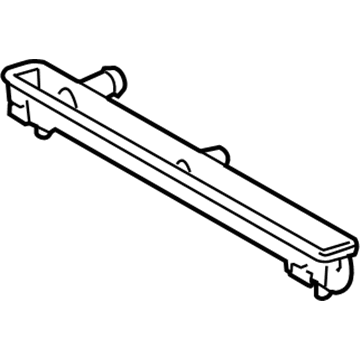
Scion Transmission Cooler Part Number: 16461-21300
$126.82 MSRP: $179.52You Save: $52.70 (30%)Ships in 1-3 Business DaysProduct Specifications- Other Name: Tank; Automatic Transmission Oil Cooler
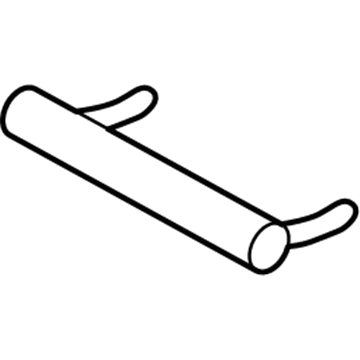
Scion Transmission Cooler Part Number: 16491-23090
$228.41 MSRP: $326.11You Save: $97.70 (30%)Ships in 1-3 Business DaysProduct Specifications- Other Name: Cooler, Oil; Automatic Transmission Oil Cooler
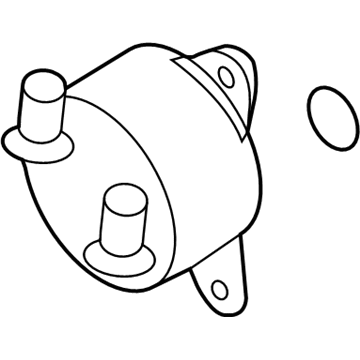
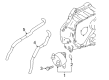
Scion Transmission Cooler Part Number: 33493-WB001
$250.43 MSRP: $357.56You Save: $107.13 (30%)Ships in 1-3 Business DaysProduct Specifications- Other Name: Automatic Transmission Oil Cooler; Oil Cooler; Cooler, Transmission Oil(ATF Warmer)

Scion Oil Cooler Part Number: 33493-12020
$266.07 MSRP: $379.89You Save: $113.82 (30%)Ships in 1-3 Business DaysProduct Specifications- Other Name: Cooler, Transmission; Cooler, Transmission Oil
Scion Transmission Oil Cooler
OEM parts deliver unmatched quality you can rely on. They pass extensive quality control inspections. Scion produces them to the official factory specifications. This process helps prevent defects and imperfections. So you can get exceptional lifespan and a flawless fit. Need new OEM Scion Transmission Oil Cooler? You'll love our wide selection of genuine options. Shop in minutes and skip the hunt. Our prices are unbeatable, you'll save time and money. It's easy to shop and find the right piece. Our committed customer service team gives professional help from start to finish. Every part includes a manufacturer's warranty. We ship quickly, your parts will arrive fast at your door.
The Scion Transmission Oil Cooler is a small auxiliary heat exchanger that ensures that automatic transmission fluid is cooler to protect gears, improve shifts, and extend drivetrain life. Born in 2003, Scion appealed to the youth with bright paint, limited release series drops, and a one-price policy that killed haggling and expedited showroom exits. For budget-minded tuners, a Scion has a light chassis, generous hatch space, and a parts bin, so it won't break the bank to maintain. Upgrades bolt right in, and durability values are certainly solid. Each Scion employs simple mechanical layouts, which means that owners can replace wheels, stereos, or suspension components using simple tools, not laptops. Even after 2016, the badge still attracts the eye because the cars provide daily duty reliability but beg for weekend canyon runs, made safer by an appropriately sized Transmission Oil Cooler. The brand was also a test bed for gadget-packed head units. Installing a Transmission Oil Cooler on your Scion requires simple hand tools. Park level, set the brake, and disconnect the battery. Choose a good spot in front of the radiator with good airflow and sufficient clearance, and then bolt the cooler in place firmly using the brackets supplied. Cut the rubber return line cleanly and run both ends to the new Transmission Oil Cooler, and secure them tightly with barbed fittings and stainless clamps. Be sure hoses are clear of belts, add ATF, start the engine, and check for leaks. After a bit of a drive on the road, retest fluid and retighten clamps.