×
ToyotaParts- Hello
- Login or Register
- Quick Links
- Live Chat
- Track Order
- Parts Availability
- RMA
- Help Center
- Contact Us
- Shop for
- Toyota Parts
- Scion Parts
My Garage
My Account
Cart
OEM Toyota Highlander Control Arm
Suspension Arm- Select Vehicle by Model
- Select Vehicle by VIN
Select Vehicle by Model
orMake
Model
Year
Select Vehicle by VIN
For the most accurate results, select vehicle by your VIN (Vehicle Identification Number).
12 Control Arms found
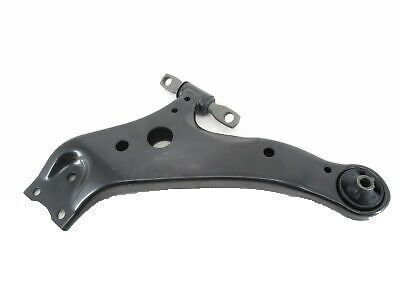
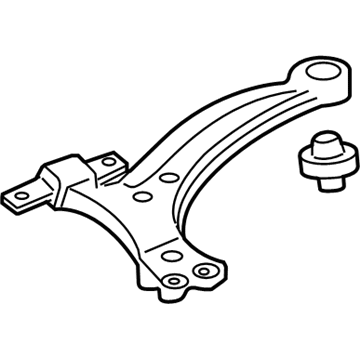
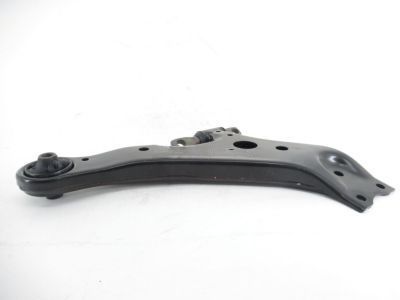
Toyota Highlander Arm Sub-Assembly, Front Suspension, Lower Driver Side Part Number: 48069-0E050
$159.79 MSRP: $226.20You Save: $66.41 (30%)Ships in 1-2 Business Days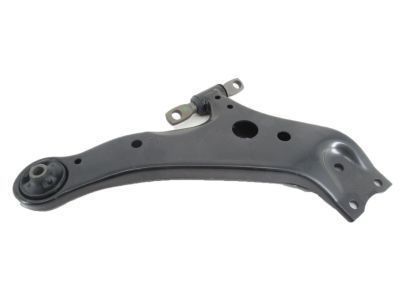
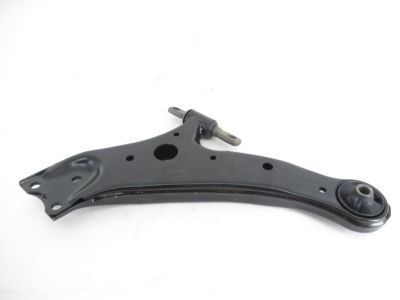
Toyota Highlander Control Arm, Passenger Side Part Number: 48068-0E050
$159.79 MSRP: $226.20You Save: $66.41 (30%)Ships in 1-2 Business Days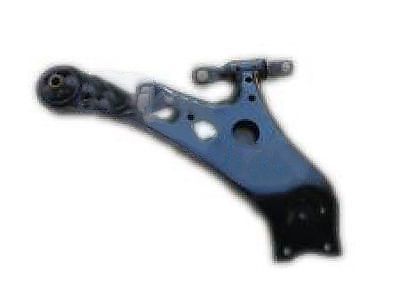
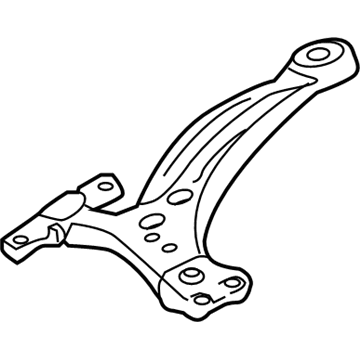
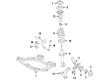
Toyota Highlander Lower Control Arm, Passenger Side Part Number: 48068-0E060
$159.79 MSRP: $226.20You Save: $66.41 (30%)Ships in 1-3 Business Days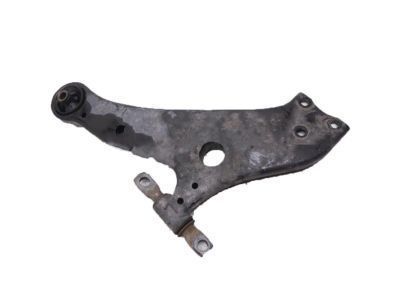
Toyota Highlander Lower Control Arm, Driver Side Part Number: 48069-0E060
$161.43 MSRP: $228.53You Save: $67.10 (30%)Ships in 1 Business Day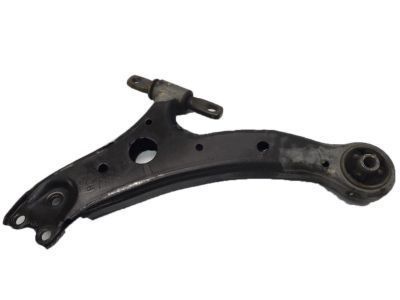
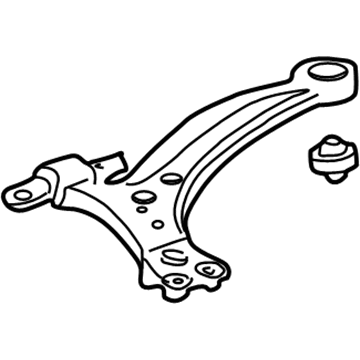
Toyota Highlander Control Arm, Passenger Side Part Number: 48068-06100
$161.79 MSRP: $229.03You Save: $67.24 (30%)Ships in 1 Business Day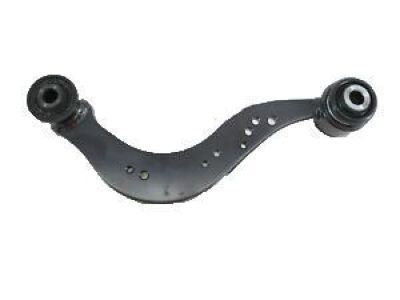
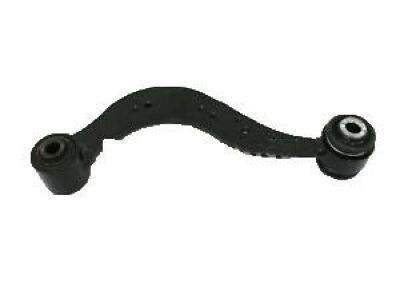
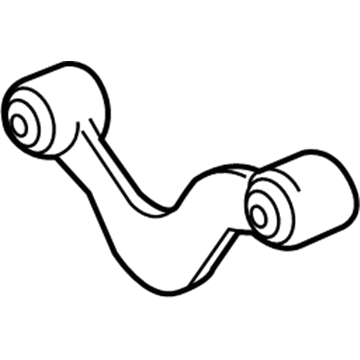
Toyota Highlander Arm Assembly, Upper Control, Rear Passenger Side Part Number: 48770-48010
$133.82 MSRP: $189.44You Save: $55.62 (30%)Ships in 1 Business Day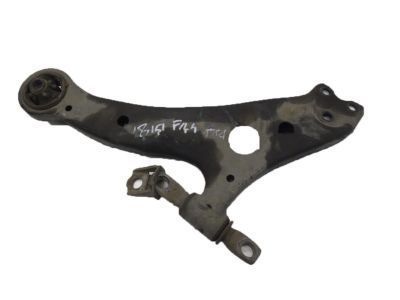
Toyota Highlander Control Arm, Lower Driver Side Part Number: 48069-06100
$174.59 MSRP: $247.16You Save: $72.57 (30%)Ships in 1 Business Day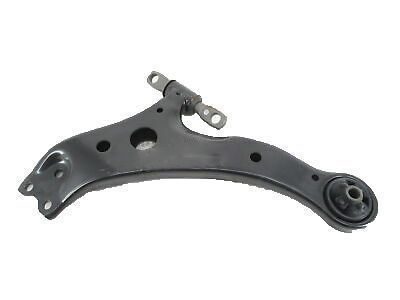
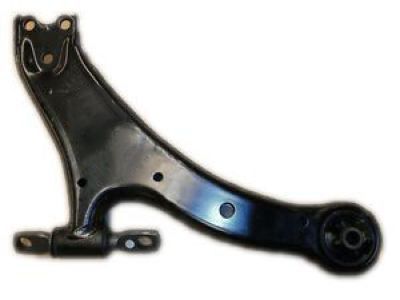
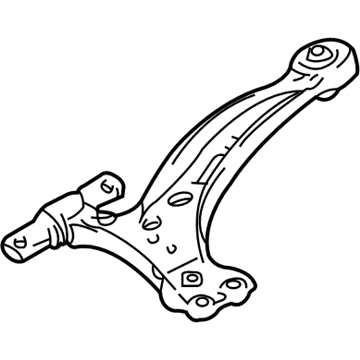
Toyota Highlander Arm Sub-Assembly, Suspension Part Number: 48069-0E010
$214.00 MSRP: $305.54You Save: $91.54 (30%)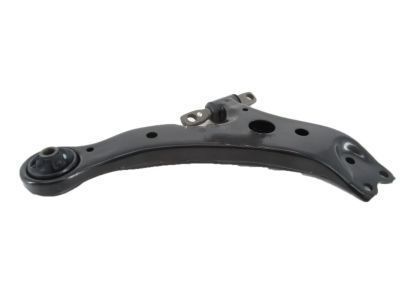
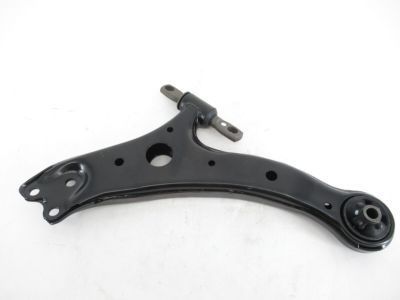
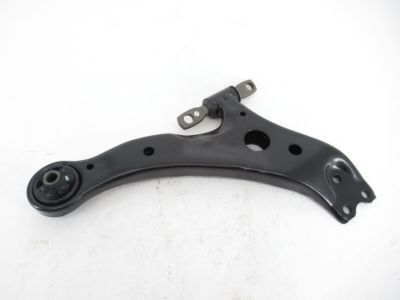
Toyota Highlander Control Arm, Passenger Side Part Number: 48068-0E010
$214.00 MSRP: $305.54You Save: $91.54 (30%)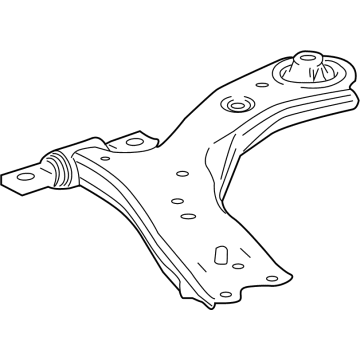
Toyota Highlander Lower Control Arm, Passenger Side Part Number: 48068-0E070
$167.31 MSRP: $236.85You Save: $69.54 (30%)Ships in 1-3 Business Days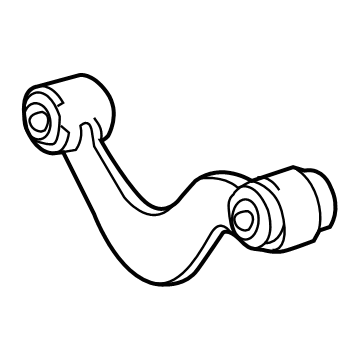
Toyota Highlander Upper Control Arm Part Number: 48770-48020
$165.55 MSRP: $234.35You Save: $68.80 (30%)Ships in 1-3 Business DaysToyota Highlander Lower Control Arm, Driver Side Part Number: 48069-0E070
$167.31 MSRP: $236.85You Save: $69.54 (30%)Ships in 1-3 Business Days
Toyota Highlander Control Arm
Choose genuine Control Arm that pass strict quality control tests. You can trust the top quality and lasting durability. Shopping for OEM Control Arm for your Toyota Highlander? Our website is your one-stop destination. We stock an extensive selection of genuine Toyota Highlander parts. The price is affordable so you can save more. It only takes minutes to browse and find the exact fit. Easily add to cart and check out fast. Our hassle-free return policy will keep you stress-free. We process orders quickly for swift delivery. Your parts will arrive faster, so you can get back on the road sooner.
Toyota Highlander Control Arm Parts and Q&A
- Q:How to install the rear Control Arms on Toyota Highlander?A:The installation of rear suspension arms requires attaching the rear No. 1 suspension arm assembly to the rear suspension member and rear axle carrier sub-assembly with bolts. The orientation must place the identification mark at the rear of the vehicle. Due to the stopper nut, temporarily tighten the bolts. Perform the same mounting and bolting operation on the rear No. 2 suspension arm assembly. The suspension needs stabilization through jack-up of the rear axle carrier with a wooden block positioned underneath to align the installed bolt of the rear No. 1 suspension arm with the rear axle hub center while avoiding high heights that could cause the vehicle to drop and maintaining the brake dust cover in its original unbent state. To achieve the desired results a person should sit on the rear seat for added load application purposes. The rear No. 1 suspension arm assembly bolt requires a torque of 89 Nm (904 kgf-cm, 65 ft-lbf) using Special Service Tool 09961-00950 with a socket wrench (19 mm) which should have a torque wrench fulcrum length of 425 mm (16.73 in.) while being applied under standard vehicle height conditions. The final torques should be calibrated under standard vehicle height conditions when fully tightening the rear No. 2 suspension arm assembly bolts at 120 Nm (1223 kgf-cm, 88 ft-lbf) for Bolt (A) and 112 Nm (1141 kgf-cm, 82 ft-lbf) for Bolt (B). Attach the rear stabilizer components on both sides including the links and bars and implement 39 Nm (400 kgf-cm, 29 ft-lbf) torque on the left link assembly by utilizing a 5 mm hexagon wrench in case the ball joint reveals movement with the nut. Proceed with installation of the rear wheel to 103 Nm (1050 kgf-cm, 76 ft-lbf) before moving to the spare wheel carrier lock cover followed by installation of the spare tire then the lower spare wheel carrier hinge cover, deck trim service hole cover, rear mat, tonneau cover assembly, No. 2 deck board sub-assembly, No. 3 deck board sub-assembly and deck board assembly. End your process by checking and correcting the back wheel position.
- Q:How to remove the front lower Control Arm on Toyota Highlander?A:There are two steps to remove the front lower suspension arm starting with engine assembly transaxle removal followed by the No.2 front stabilizer bracket in both directions. Users must first detach the No. 1 front stabilizer bracket LH before proceeding to remove the No. 1 front stabilizer bracket RH through the same procedure applied to the LH side. Follow this step by taking out the front stabilizer bar together with its front stabilizer link assembly and power steering link assembly. Engine hangers must be installed eventually along with the separation of the front frame assembly. Finish the suspension process by detaching the front lower suspension arm through bolt and nut removal to enable disconnection of the front lower arm bushing stopper from the front lower suspension arm.
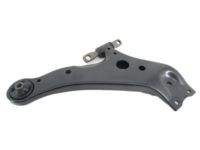
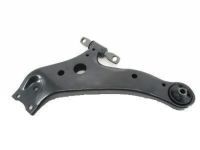
Related Toyota Highlander Parts
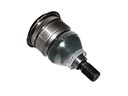 Toyota Highlander Ball Joint
 Toyota Highlander Bump Stop
 Toyota Highlander Lateral Link
 Toyota Highlander Rear Crossmember
 Toyota Highlander Shock and Strut Boot
 Toyota Highlander Steering Knuckle
 Toyota Highlander Strut Bearing
 Toyota Highlander Strut Mounts
 Toyota Highlander Suspension Strut Rod
 Toyota Highlander Sway Bar Bracket
 Toyota Highlander Trailing Arm
 Toyota Highlander Wheel Seal
Browse Toyota Highlander Control Arm by Years
2025 2024
2023
2022
2021
2020
2019
2018
2017
2016
2015
2014
2013
2012
2011
2010
2009
2008
2007
2006
2005
2004
2003
2002
2001