×
ToyotaParts- Hello
- Login or Register
- Quick Links
- Live Chat
- Track Order
- Parts Availability
- RMA
- Help Center
- Contact Us
- Shop for
- Toyota Parts
- Scion Parts
My Garage
My Account
Cart
OEM Toyota Celica Clutch Master Cylinder
- Select Vehicle by Model
- Select Vehicle by VIN
Select Vehicle by Model
orMake
Model
Year
Select Vehicle by VIN
For the most accurate results, select vehicle by your VIN (Vehicle Identification Number).
9 Clutch Master Cylinders found
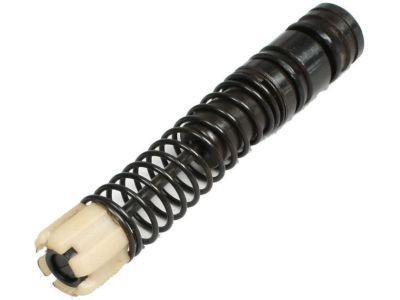
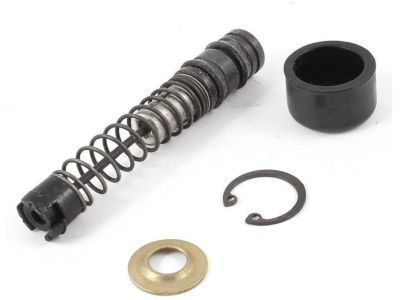
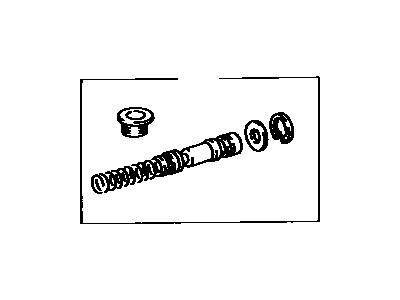
Toyota Celica Cylinder Kit, Clutch Master Part Number: 04311-12080
$48.74 MSRP: $67.85You Save: $19.11 (29%)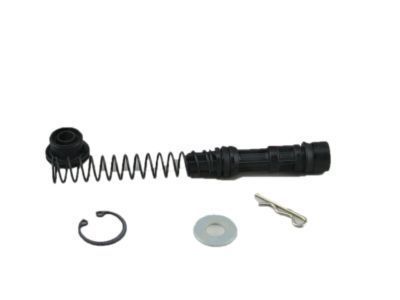
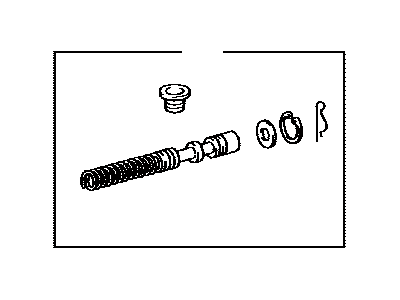
Toyota Celica Cylinder Kit, Clutch Master Part Number: 04311-12110
$42.65 MSRP: $59.36You Save: $16.71 (29%)Ships in 1-3 Business Days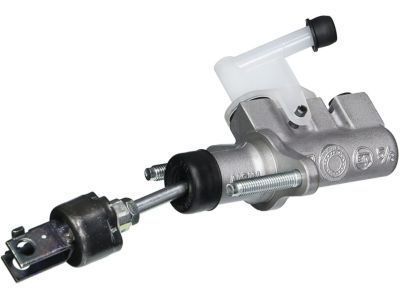
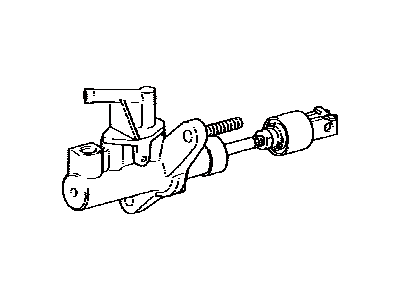
Toyota Celica Master Cylinder Part Number: 31420-20070
$141.34 MSRP: $200.08You Save: $58.74 (30%)Ships in 1-3 Business DaysToyota Celica Master Cylinder Repair Kit Part Number: 04311-12023
$54.48 MSRP: $75.83You Save: $21.35 (29%)Ships in 1-3 Business Days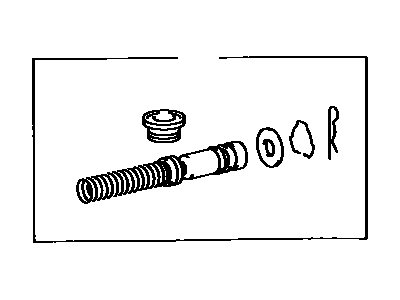
Toyota Celica Master Cylinder Repair Kit Part Number: 04311-32030
$52.93 MSRP: $73.67You Save: $20.74 (29%)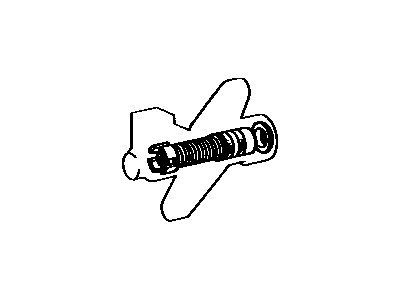
Toyota Celica Master Cylinder Repair Kit Part Number: 04311-14013
$64.22 MSRP: $90.14You Save: $25.92 (29%)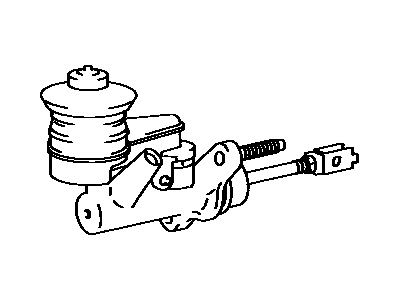
Toyota Celica Master Cylinder Part Number: 31410-20470
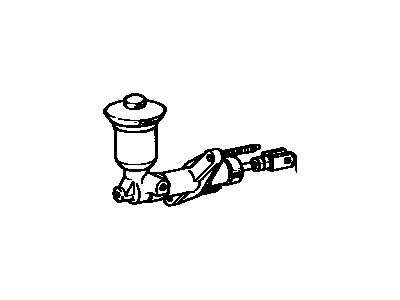
Toyota Celica Master Cylinder Part Number: 31410-20421
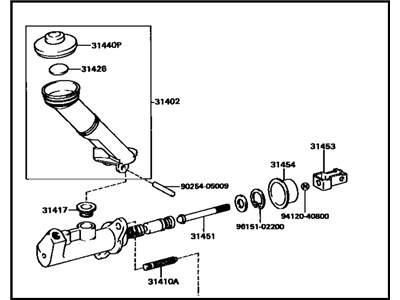
Toyota Celica Master Cylinder Part Number: 31410-20590
Toyota Celica Clutch Master Cylinder
Choose genuine Clutch Master Cylinder that pass strict quality control tests. You can trust the top quality and lasting durability. Shopping for OEM Clutch Master Cylinder for your Toyota Celica? Our website is your one-stop destination. We stock an extensive selection of genuine Toyota Celica parts. The price is affordable so you can save more. It only takes minutes to browse and find the exact fit. Easily add to cart and check out fast. Our hassle-free return policy will keep you stress-free. We process orders quickly for swift delivery. Your parts will arrive faster, so you can get back on the road sooner.
Toyota Celica Clutch Master Cylinder Parts and Q&A
- Q:How to service and repair the Clutch Master Cylinder on Toyota Celica?A:The repair of Clutch Master Cylinder starts with removing the Brake Booster before pliers disconnect the internal clip to remove the hose from the inlet union while collecting any fluid in a container. The clutch line should be disconnected with the use of Special Service Tool: 09023-00100 as you collect the fluid into a separate container. You need needle-nose pliers to remove the clip and pin before taking out the master cylinder by unfastening its two mounting nuts. The inlet union disassembly process requires drivers to remove the slotted spring pin through 3 mm pin punch and hammer application until the inlet union and grommet can be taken off. The lock nut provides clearance for clevis removal after which you can detach the boot covering the cylinder. The push rod requires a push and snap ring plier action for snap ring removal before extracting the push rod and washer. The last step involves removing both the piston together with its spring from inside the cylinder. The sequence for reassembly starts with applying lithium soap base glycol grease to parts before putting the piston with spring into the cylinder and inserting the push rod with washer that needs orientation towards the piston before securing it with the snap ring. The boot must be placed onto the cylinder first before installing a new lock nut and clevis so you can install the inlet union together with its fresh grommet by using a 3mm pin punch along with a hammer on the slotted spring pin. Secure the master cylinder using two mounting nuts that need a torque of 12 Nm (120 kgf-cm, 9 ft. lbs.) after which you should install the pin and clip. Use Service Tool 09023-00100 to install the clutch line while torquing it at 15 Nm (155 kgf-cm, 11 ft. lbs.). The reservoir hose must be connected to the inlet union with the yellow mark in an upper position and clamped into place. The work process includes putting back the brake booster followed by brake fluid addition to the reservoir and continuing with clutch system bleeding along with clutch pedal adjustment before leak inspection.
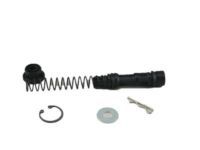
Related Toyota Celica Parts
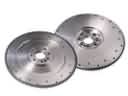 Toyota Celica Flywheel
 Toyota Celica Automatic Transmission Shift Levers
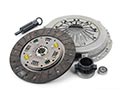 Toyota Celica Clutch Disc
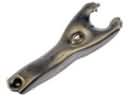 Toyota Celica Clutch Fork
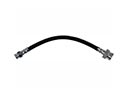 Toyota Celica Clutch Hose
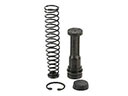 Toyota Celica Clutch Master Repair Kit
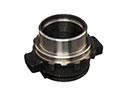 Toyota Celica Clutch Release Bearing
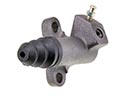 Toyota Celica Clutch Slave Cylinder
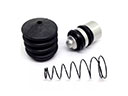 Toyota Celica Clutch Slave Repair Kit
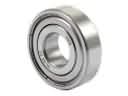 Toyota Celica Pilot Bearing
 Toyota Celica Pressure Plate
 Toyota Celica Transfer Case