×
ToyotaParts- Hello
- Login or Register
- Quick Links
- Live Chat
- Track Order
- Parts Availability
- RMA
- Help Center
- Contact Us
- Shop for
- Toyota Parts
- Scion Parts
My Garage
My Account
Cart
OEM Scion Washer Reservoir
Windshield Washer Reservoir- Select Vehicle by Model
- Select Vehicle by VIN
Select Vehicle by Model
orMake
Model
Year
Select Vehicle by VIN
For the most accurate results, select vehicle by your VIN (Vehicle Identification Number).
9 Washer Reservoirs found
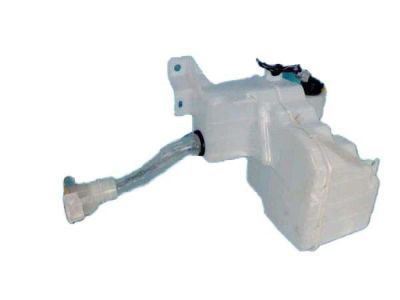
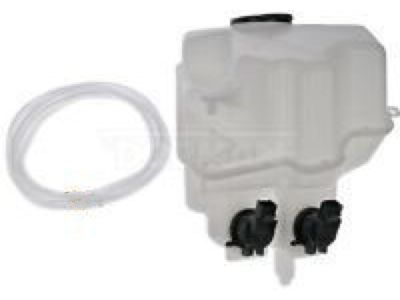
Scion Washer Reservoir
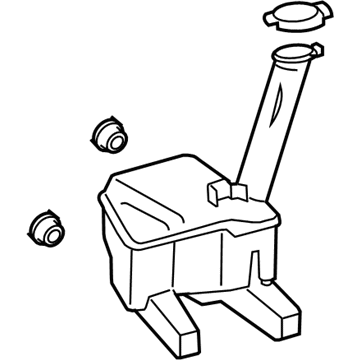
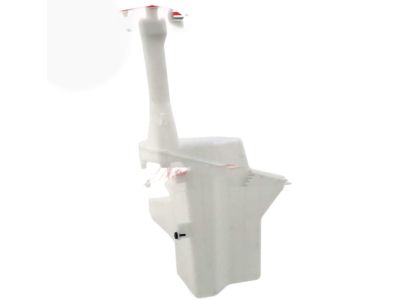
Part Number: SU003-02697$42.09 MSRP: $54.49You Save: $12.40 (23%)Ships in 1-3 Business DaysProduct Specifications- Other Name: Tank; Washer Fluid Reservoir; Windshield Washer Reservoir; Jar Assembly, Windshield Washer
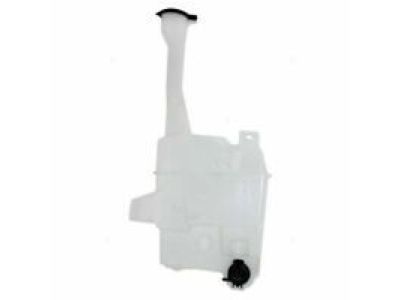
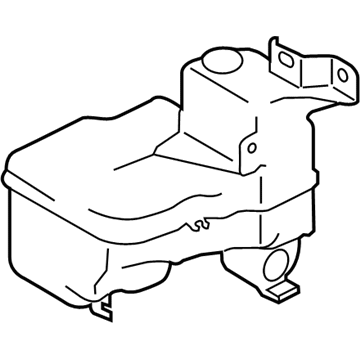
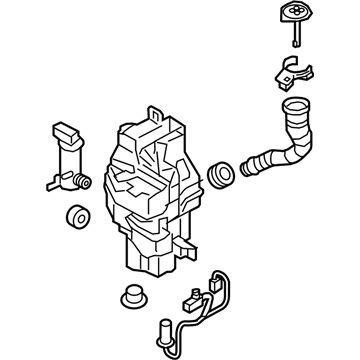
Scion Washer Reservoir
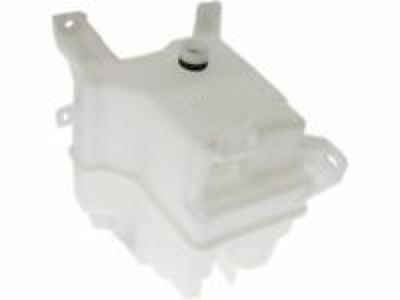
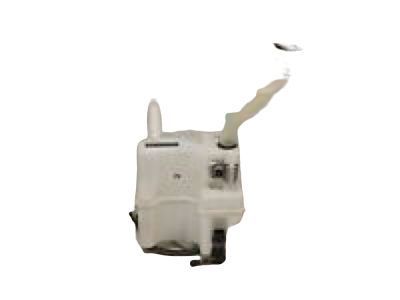
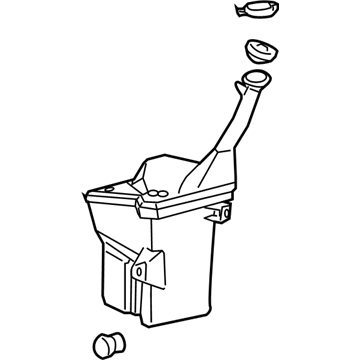
Part Number: 85315-52290$68.60 MSRP: $96.29You Save: $27.69 (29%)Ships in 1-2 Business DaysProduct Specifications- Other Name: Jar, Washer, A; Washer Fluid Reservoir; Windshield Washer Reservoir; Jar Assembly, Windshield Washer
Scion Washer Reservoir, Front
Part Number: 85310-WB003$59.02 MSRP: $82.15You Save: $23.13 (29%)Ships in 1-3 Business DaysProduct Specifications- Other Name: Jar&Pump Assembly, Front; Windshield Washer Reservoir; Jar & Pump Assembly, Washer
- Position: Front
- Replaces: 85310-WB002
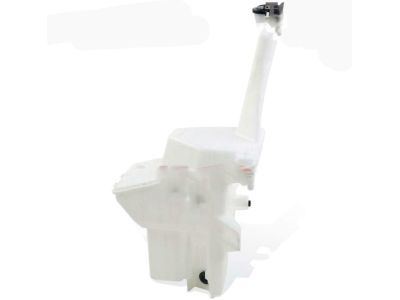
Scion Washer Reservoir
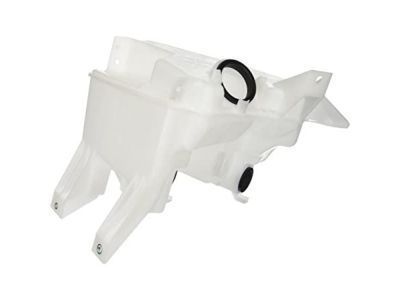
Part Number: 85315-52090$109.01 MSRP: $153.01You Save: $44.00 (29%)Ships in 1-2 Business DaysProduct Specifications- Other Name: Jar, Washer, A; Washer Fluid Reservoir; Windshield Washer Reservoir; Jar Assembly, Windshield Washer
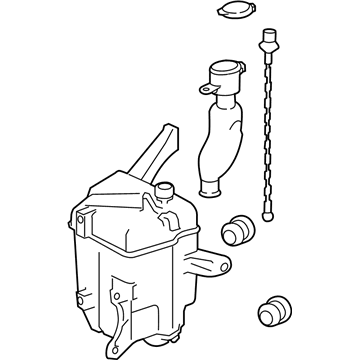
Scion Washer Reservoir
Part Number: 85315-21030$101.66 MSRP: $142.69You Save: $41.03 (29%)Ships in 1-3 Business DaysProduct Specifications- Other Name: Jar, Washer, A; Washer Fluid Reservoir; Windshield Washer Reservoir; Jar Assembly, Windshield Washer
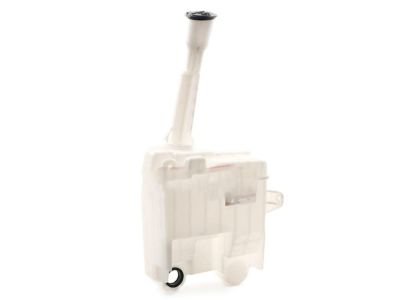
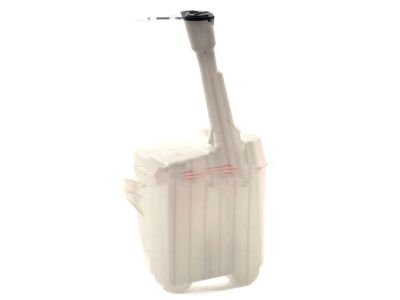
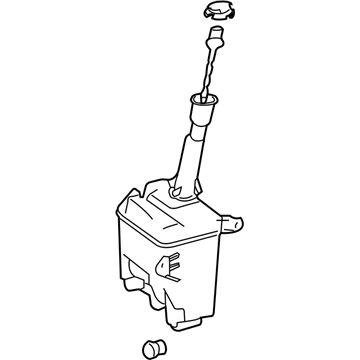
Scion Washer Reservoir
Part Number: 85315-21020$108.77 MSRP: $152.68You Save: $43.91 (29%)Ships in 1-3 Business DaysProduct Specifications- Other Name: Jar; Washer Fluid Reservoir; Windshield Washer Reservoir; Jar Assembly, Windshield Washer
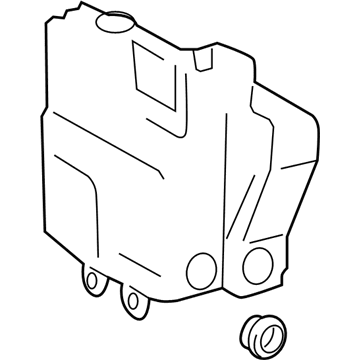
Scion Washer Reservoir
Part Number: 85315-74030$87.56 MSRP: $122.91You Save: $35.35 (29%)Ships in 1-3 Business DaysProduct Specifications- Other Name: Jar, Washer, A; Washer Fluid Reservoir; Windshield Washer Reservoir; Jar Assembly, Windshield Washer
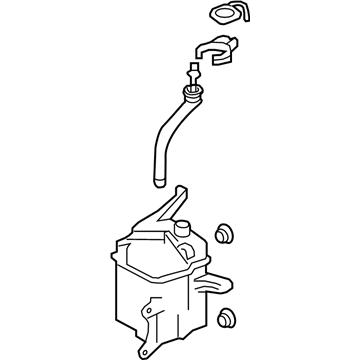
Scion Reservoir Assembly
Part Number: 85315-12630$101.31 MSRP: $142.21You Save: $40.90 (29%)Ships in 1-3 Business DaysProduct Specifications- Other Name: Jar, Washer, A; Washer Fluid Reservoir; Windshield Washer Reservoir; Jar Assembly, Windshield Washer
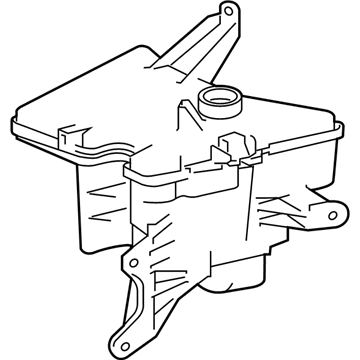
 Product Specifications
- Other Name: Jar, Washer, A; Washer Fluid Reservoir; Windshield Washer Reservoir; Jar Assembly, Windshield Washer
Scion Washer Reservoir
OEM parts deliver unmatched quality you can rely on. They pass extensive quality control inspections. Scion produces them to the official factory specifications. This process helps prevent defects and imperfections. So you can get exceptional lifespan and a flawless fit. Need new OEM Scion Washer Reservoir? You'll love our wide selection of genuine options. Shop in minutes and skip the hunt. Our prices are unbeatable, you'll save time and money. It's easy to shop and find the right piece. Our committed customer service team gives professional help from start to finish. Every part includes a manufacturer's warranty. We ship quickly, your parts will arrive fast at your door.
The Scion Washer Reservoir is a storage that stores the windshield fluid easily and this allows the driver to be able to remove grime with just a press of the stalk. In 2003, Scion came out in the streets in a blaze of colors, uncomplicated pricing and energetic marketing reminiscent of a virtual city and attracted youthful customers who loved customisation of small cars. Every Scion model was also available in limited Release Series trim that was exclusive and the brand promoted less inhibited expression with graphics placed by the dealer, wild interiors, smart audio tools and spoke directly to trendsetters. Shopping remained free of stress since all cars quoted pure price that attracted no negotiating and this strategy attracted first time shoppers who wanted to have fun without causing any commotion. As an experimental laboratory, Scion tried out new concepts with Toyota, sold over a million vehicles, and despite its closure in 2016 continues to influence compact car culture to this day through its bold nature. A Washer Reservoir is a hollow that is shaped like a tank made of plastic and feeds a small pump that keeps the windshield and in some cases headlamps clean and the Scion Washer Reservoir fits well under the hood and fits the original brackets. It does not take a lot of time to install a new Washer Reservoir, as it is necessary to park on a level surface, open the hood, and locate the old tank. Unplug the pump wire, sensor, hoses, drain the fluid, and then unscrew the bolts and place the reservoir up. Take the pump, cap, sensor to the other tank, position it, attach bolts, reconnect wiring, hoses, fill it up, spray a little, and examine it, looking at whether there is any leak.