×
ToyotaParts- Hello
- Login or Register
- Quick Links
- Live Chat
- Track Order
- Parts Availability
- RMA
- Help Center
- Contact Us
- Shop for
- Toyota Parts
- Scion Parts
My Garage
My Account
Cart
OEM Scion Exhaust Manifold Gasket
Manifold Gasket- Select Vehicle by Model
- Select Vehicle by VIN
Select Vehicle by Model
orMake
Model
Year
Select Vehicle by VIN
For the most accurate results, select vehicle by your VIN (Vehicle Identification Number).
7 Exhaust Manifold Gaskets found
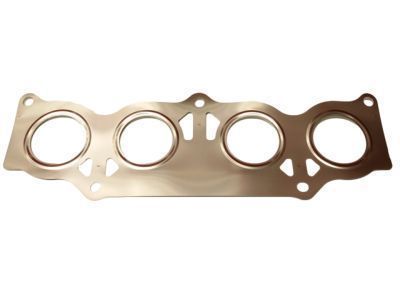
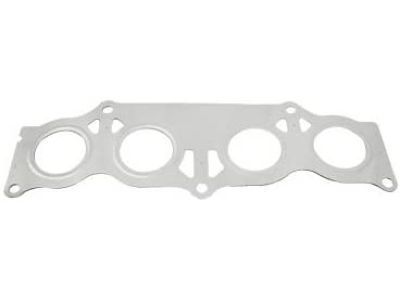
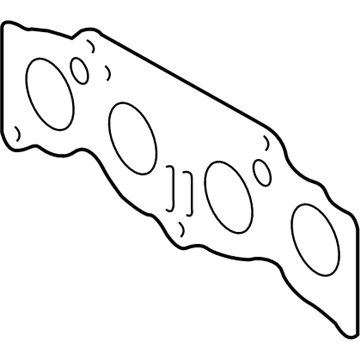
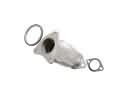
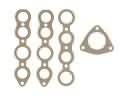
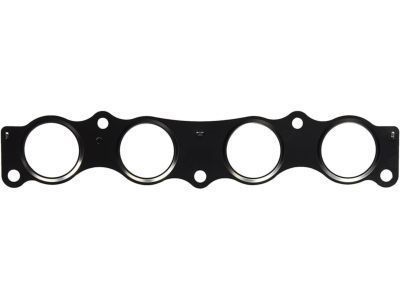
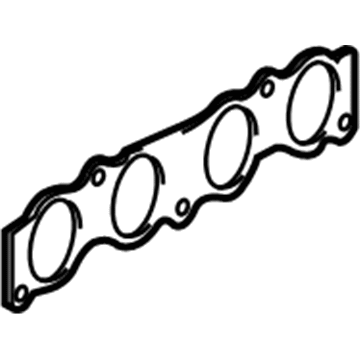
Scion Exhaust Manifold Gasket Part Number: 17173-28010
$28.19 MSRP: $39.24You Save: $11.05 (29%)Ships in 1-3 Business DaysProduct Specifications- Other Name: Gasket, Exhaust Manifold; Exhaust Manifold Gasket Set; Manifold Gasket; Gasket, Exhaust Manifold To Head
- Replaces: 17173-0H020, 17173-0H040
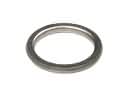
Scion Exhaust Manifold Gasket Part Number: 17173-37010
$21.38 MSRP: $29.76You Save: $8.38 (29%)Ships in 1-3 Business DaysProduct Specifications- Other Name: Gasket, Exhaust Manifold; Manifold Gasket; Gasket, Exhaust Manifold To Head
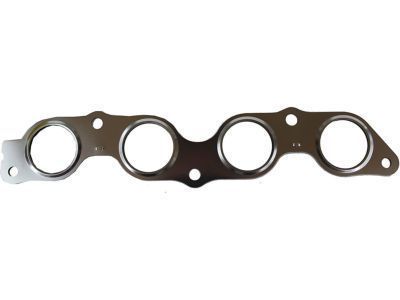
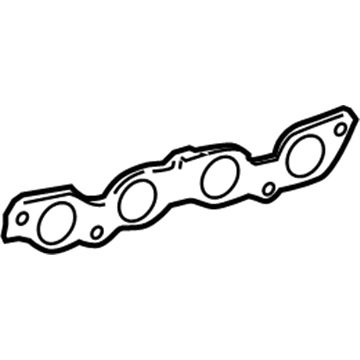
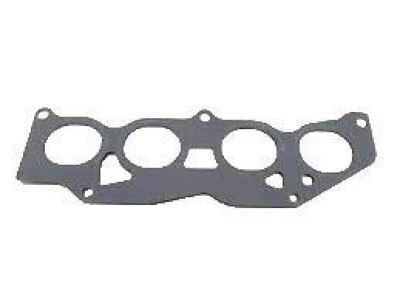
Scion Exhaust Manifold Gasket Part Number: 17173-21020
$21.02 MSRP: $29.26You Save: $8.24 (29%)Ships in 1-3 Business DaysProduct Specifications- Other Name: Gasket, Exhaust Manifold; Exhaust Manifold Gasket Set; Manifold Gasket; Gasket, Exhaust Manifold To Head
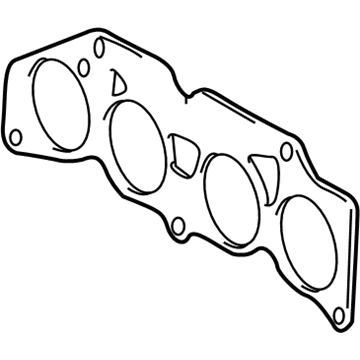
Scion Manifold Gasket Part Number: 17173-0V010
$42.53 MSRP: $59.20You Save: $16.67 (29%)Ships in 1-2 Business DaysProduct Specifications- Other Name: Gasket, Exhaust Manifold; Exhaust Manifold Gasket; Gasket, Exhaust Manifold To Head
- Replaces: 17173-36020
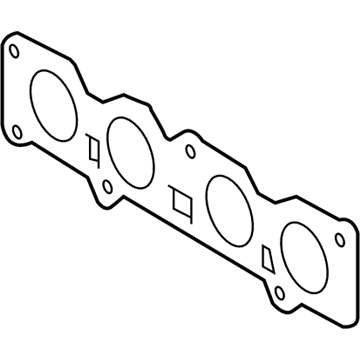
Scion Manifold Gasket Part Number: 17173-47021
$16.84 MSRP: $23.44You Save: $6.60 (29%)Ships in 1-3 Business DaysProduct Specifications- Other Name: Gasket, Exhaust Manifold; Exhaust Manifold Gasket
- Replaces: 17173-47020

Scion Manifold Gasket, Driver Side Part Number: SU003-10929
$4.94 MSRP: $6.87You Save: $1.93 (29%)Ships in 1-3 Business DaysProduct Specifications- Other Name: Gasket-Exhaust; Catalytic Converter Gasket; Preconverter Gasket; Gasket, Exhaust Manifold To Head, Driver Side; Gasket, Exhaust Manifold To Head
- Position: Driver Side
- Replaces: SU003-01111, SU003-07830
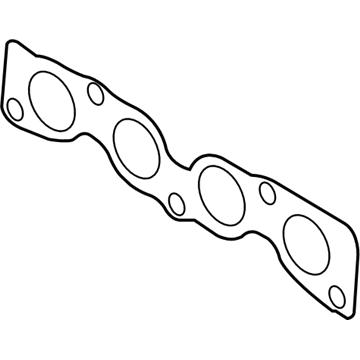
Scion Exhaust Manifold Gasket Part Number: 17173-WB001
$51.04 MSRP: $71.05You Save: $20.01 (29%)Ships in 1 Business DayProduct Specifications- Other Name: Gasket, Exhaust Manifold; Catalytic Converter Gasket; Manifold Gasket; Manifold W/Converter Gasket; Gasket, Exhaust Manifold To Head
Scion Exhaust Manifold Gasket
OEM parts deliver unmatched quality you can rely on. They pass extensive quality control inspections. Scion produces them to the official factory specifications. This process helps prevent defects and imperfections. So you can get exceptional lifespan and a flawless fit. Need new OEM Scion Exhaust Manifold Gasket? You'll love our wide selection of genuine options. Shop in minutes and skip the hunt. Our prices are unbeatable, you'll save time and money. It's easy to shop and find the right piece. Our committed customer service team gives professional help from start to finish. Every part includes a manufacturer's warranty. We ship quickly, your parts will arrive fast at your door.
The Scion Exhaust Manifold Gasket is applied to keep the hot exhaust gases contained in the area between the manifold and the engine allowing your small ride to remain quiet and efficient. In 2003, Scion exploded in the market focusing directly on the youthful drivers, who desired simple purchasing experience, daring paint, and special Release Series trims. Scion models also supported boldness, and becoming rolling laboratories to test new concepts, the strategy has been effective with over a million units sold and a surge of first-time Toyota purchasers. Although manufacturing ceased in 2016, Scion is still appreciated by small size that fits in urban roads, its fun-themed marketing such as Virtual Scion City and its affordability that never impaired character. The Scion Exhaust Manifold Gasket is a narrow heat resistant gasket between barrel head and heated valve housing seals the gases, maintains the backpressure constant, and protects other surrounding components. The procedure of installing a new Exhaust Manifold Gasket begins by letting the engine cool down to the end of the day unbolting shields and hardware in a crisscross pattern to ensure the loosening of the manifold evenly. Once the manifold has been raised, wipe both mating surfaces and inspect them against warping. Install the fresh Exhaust Manifold Gasket on the studs with the appropriate orientation, re-install the manifold, thread all the nuts by hand and tighten them in stages according to the given order to factory torque. Install shields back and reconnect sensors and pipes, then get the engine started and then look and listen carefully to confirm that the job is done.