×
ToyotaParts- Hello
- Login or Register
- Quick Links
- Live Chat
- Track Order
- Parts Availability
- RMA
- Help Center
- Contact Us
- Shop for
- Toyota Parts
- Scion Parts
My Garage
My Account
Cart
OEM Toyota RAV4 PCV Hose
PCV Valve Hose- Select Vehicle by Model
- Select Vehicle by VIN
Select Vehicle by Model
orMake
Model
Year
Select Vehicle by VIN
For the most accurate results, select vehicle by your VIN (Vehicle Identification Number).
6 PCV Hoses found
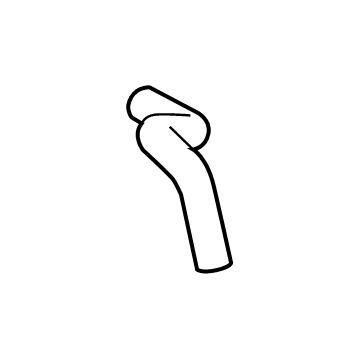
Toyota RAV4 Hose, Ventilation Part Number: 12262-25030
$29.27 MSRP: $40.74You Save: $11.47 (29%)Ships in 1-3 Business Days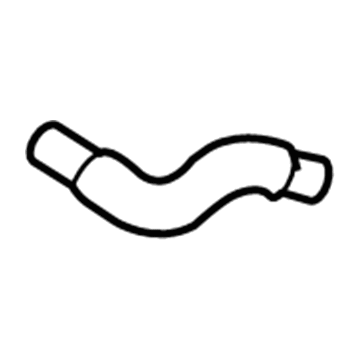
Toyota RAV4 Vent Hose Part Number: 12261-36020
$30.82 MSRP: $42.90You Save: $12.08 (29%)Ships in 1-3 Business Days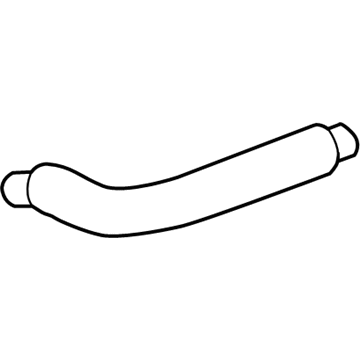
Toyota RAV4 Vent Hose Part Number: 12261-36050
$26.64 MSRP: $37.08You Save: $10.44 (29%)Ships in 1-3 Business Days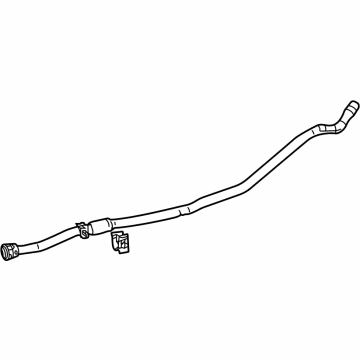
Toyota RAV4 Tube, Fuel Tank Breather Part Number: 77227-0R100
$28.67 MSRP: $39.90You Save: $11.23 (29%)Ships in 1-3 Business Days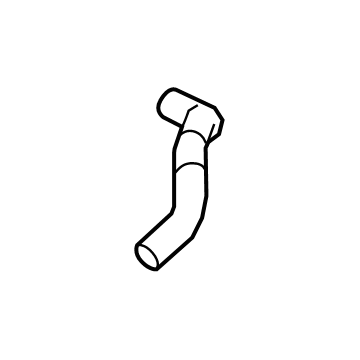
Toyota RAV4 Vent Tube Part Number: 12262-25080
$36.44 MSRP: $50.72You Save: $14.28 (29%)Ships in 1-3 Business Days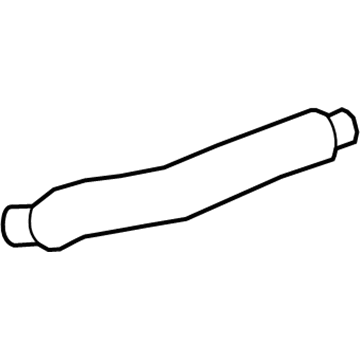
Toyota RAV4 Hose, Ventilation Part Number: 12261-36060
$25.56 MSRP: $35.58You Save: $10.02 (29%)
Toyota RAV4 PCV Hose
Choose genuine PCV Hose that pass strict quality control tests. You can trust the top quality and lasting durability. Shopping for OEM PCV Hose for your Toyota RAV4? Our website is your one-stop destination. We stock an extensive selection of genuine Toyota RAV4 parts. The price is affordable so you can save more. It only takes minutes to browse and find the exact fit. Easily add to cart and check out fast. Our hassle-free return policy will keep you stress-free. We process orders quickly for swift delivery. Your parts will arrive faster, so you can get back on the road sooner.
The Toyota RAV4 PCV Hose ensures the engine breathing is clean by directing blow-by gases back to the intake to be burned fully, yet the RAV4 has much more to admire due to being car-like in its comfort and an SUV in its versatility, with confident handling provided by its rigid TNGA-K platform and a lively yet efficient power output provided by its responsive inline four and optional hybrid power system, all of which is backed by standard safety technology like Vehicle Stability Control and active driver aids, which protect every journey. Drivers like the large cargo capacity, the intelligent all-wheel drive technology which helps in overcoming mud or snow, and the reputation of durability which has seen Toyota RAV4 get loyal since 1994. Commuting to the city is effortless due to the electric power steering, long trips remain cost-effective as the company has impressive fuel economy, and the long-term value remains strong because Toyota engineers make components that last. To back this durability, the PCV Hose is made of molded rubber specifically to fit the engine bay, it connects the crankcase to the intake via the PCV valve. The PCV Hose relieves pressure, removes moisture-laden fumes, and keeps the emissions in check, and when it breaks down, the owner feels it soon enough, as it leaves an oily residue. Installation of a new Toyota RAV4 PCV Hose is easy because, firstly, the engine must cool down, then find the previous hose, loosen clamps, replace with the same part and ensure that it fits properly, then tighten clamps and finally start the engine to ensure that the engine does not leak during idle.
Related Toyota RAV4 Parts
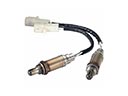 Toyota RAV4 Oxygen Sensor
 Toyota RAV4 Engine Control Module
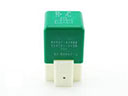 Toyota RAV4 Cooling Fan Relay
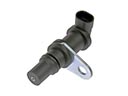 Toyota RAV4 Crankshaft Position Sensor
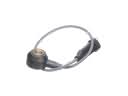 Toyota RAV4 Knock Sensor
 Toyota RAV4 Throttle Position Sensor
 Toyota RAV4 Spark Plug
 Toyota RAV4 Camshaft Position Sensor
 Toyota RAV4 Daytime Running Light Relay
 Toyota RAV4 Distributor Cap
 Toyota RAV4 Fuel Pump Relay
 Toyota RAV4 Overload Relay