×
ToyotaParts- Hello
- Login or Register
- Quick Links
- Live Chat
- Track Order
- Parts Availability
- RMA
- Help Center
- Contact Us
- Shop for
- Toyota Parts
- Scion Parts
My Garage
My Account
Cart
OEM Toyota RAV4 Overload Relay
Overcurrent Relay- Select Vehicle by Model
- Select Vehicle by VIN
Select Vehicle by Model
orMake
Model
Year
Select Vehicle by VIN
For the most accurate results, select vehicle by your VIN (Vehicle Identification Number).
2 Overload Relays found
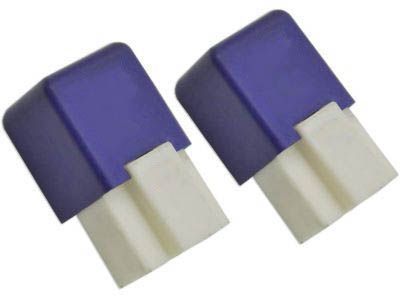
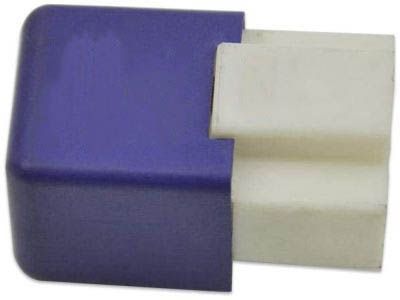
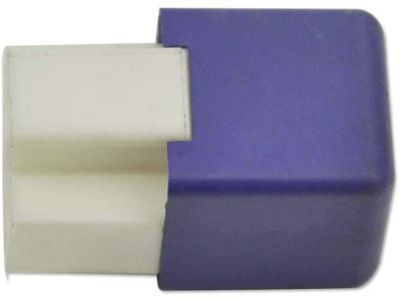
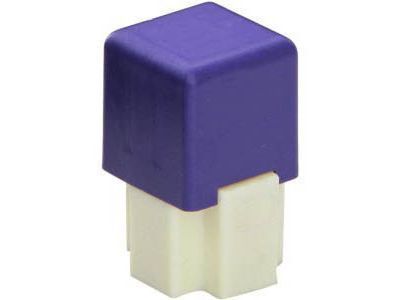
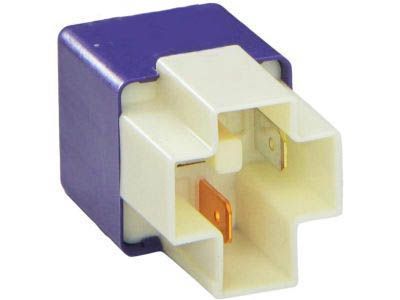
Toyota RAV4 Starter Relay Part Number: 28300-10020
$84.12 MSRP: $118.08You Save: $33.96 (29%)Ships in 1-2 Business Days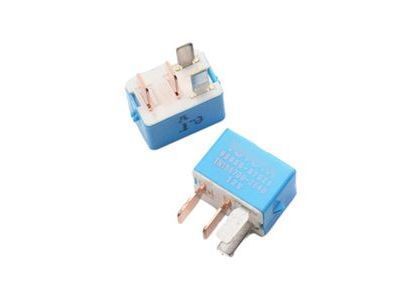

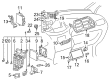
Toyota RAV4 Horn Relay Part Number: 90080-87026
$23.53 MSRP: $32.75You Save: $9.22 (29%)
Toyota RAV4 Overload Relay
Choose genuine Overload Relay that pass strict quality control tests. You can trust the top quality and lasting durability. Shopping for OEM Overload Relay for your Toyota RAV4? Our website is your one-stop destination. We stock an extensive selection of genuine Toyota RAV4 parts. The price is affordable so you can save more. It only takes minutes to browse and find the exact fit. Easily add to cart and check out fast. Our hassle-free return policy will keep you stress-free. We process orders quickly for swift delivery. Your parts will arrive faster, so you can get back on the road sooner.
The Toyota RAV4 Overload Relay prevents the crossover from getting overloaded with current on every start. Fortunately, the vehicle has much more going for it than that. The RAV4's interior benefits from Toyota's reputation for build quality with comfort, intelligent storage, and supportive seating. Efficient four-cylinder engines, an available hybrid system, and responsive electric steering give brisk acceleration and standout fuel economy. Toyota drivers consider the RAV4 to rank consistently among the top sellers due to standard safety tech such as vehicle stability control and advanced driver aids boosting confidence. The SUV's rugged suspension with optional all-wheel drive adequately handles city potholes and weekend trails. Also, the Overload Relay detects heat in the starter circuit. A bimetal strip flexes to shut the contacts if there is sustained overcurrent that endangers the windings. After some time, it resets. This allows the Toyota electrical network to avoid costly damage. Designed especially for the RAV4, the Overload Relay is mounted right next to the starter or contactor. With factory current ratings and trip class, the sealed housing also resists the vibrations that can plague market parts. The installation steps of the quick Overload Relay are very simple. First, disconnect the battery. After that, mount the relay beside the starter. Then, wire up the line terminals and load terminals. After that, determine and set the trip current. Once done, ensure all fasteners are tight before restoring power. Finally, run the test.
Related Toyota RAV4 Parts
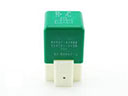 Toyota RAV4 Cooling Fan Relay
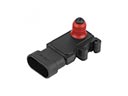 Toyota RAV4 MAP Sensor
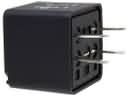 Toyota RAV4 Relay
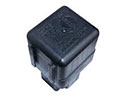 Toyota RAV4 Starter Relay
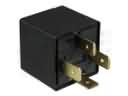 Toyota RAV4 Daytime Running Light Relay
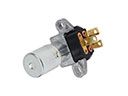 Toyota RAV4 Dimmer Switch
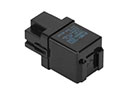 Toyota RAV4 Flasher Relay
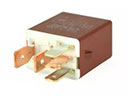 Toyota RAV4 Fuel Pump Relay
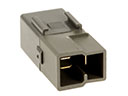 Toyota RAV4 Horn Relay
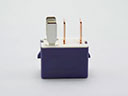 Toyota RAV4 Ignition Relay
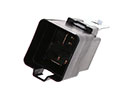 Toyota RAV4 Radiator Fan Relay
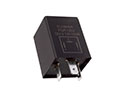 Toyota RAV4 Turn Signal Relay