×
ToyotaParts- Hello
- Login or Register
- Quick Links
- Live Chat
- Track Order
- Parts Availability
- RMA
- Help Center
- Contact Us
- Shop for
- Toyota Parts
- Scion Parts
My Garage
My Account
Cart
OEM Toyota Crankcase Breather Hose
Engine Crankcase Breather Hose- Select Vehicle by Model
- Select Vehicle by VIN
Select Vehicle by Model
orMake
Model
Year
Select Vehicle by VIN
For the most accurate results, select vehicle by your VIN (Vehicle Identification Number).
64 Crankcase Breather Hoses found
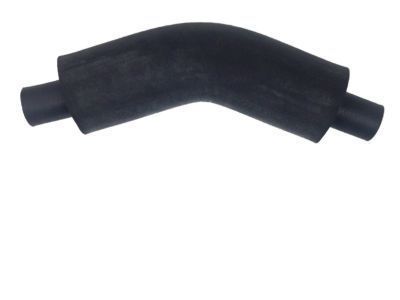

Toyota PCV Hose Part Number: 12261-20011
$13.97 MSRP: $19.44You Save: $5.47 (29%)Ships in 1-2 Business DaysProduct Specifications- Other Name: Hose, Ventilation; PCV Valve Hose; Engine Crankcase Breather Hose; Crankcase Breather Hose; Emission Hose; Vent Hose
- Manufacturer Note: TYPE A:REFER ILLUST.
- Replaces: 12261-20010, 12261-0A010
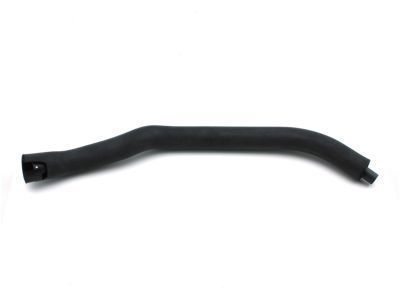
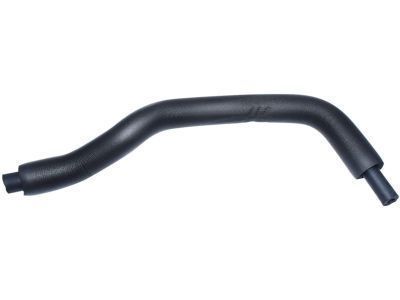
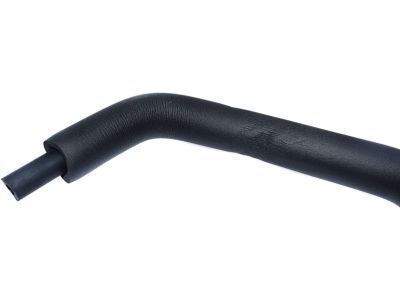
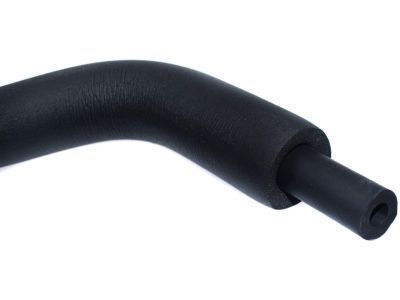
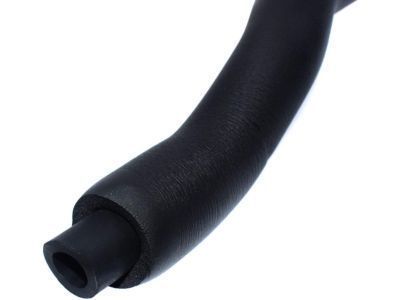
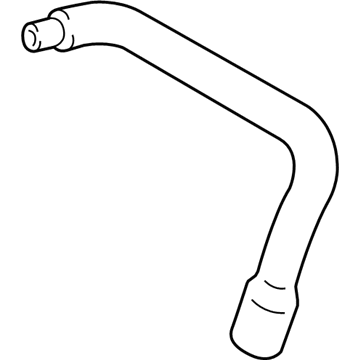
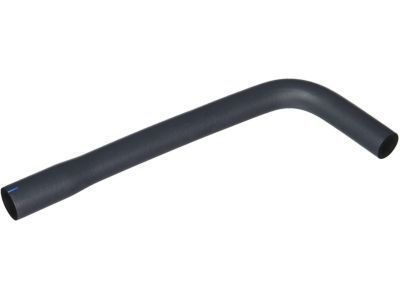
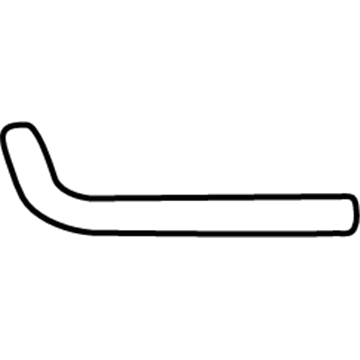
Toyota PCV Hose Part Number: 12262-22040
$30.46 MSRP: $42.40You Save: $11.94 (29%)Ships in 1-3 Business DaysProduct Specifications- Other Name: Hose, Ventilation; PCV Valve Hose; Engine Crankcase Breather Hose; Crankcase Breather Hose; Emission Hose
- Manufacturer Note: (J)
- Replaces: 12262-0D070, 12262-0D050
Toyota Vent Hose Part Number: 12262-20020
$21.14 MSRP: $29.42You Save: $8.28 (29%)Ships in 1-2 Business DaysProduct Specifications- Other Name: Hose, Ventilation; PCV Valve Hose; Crankcase Breather Hose; Upper Resonator
- Replaces: 12262-0A040
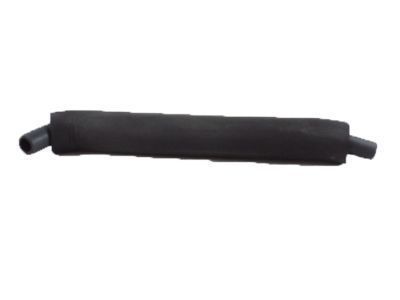
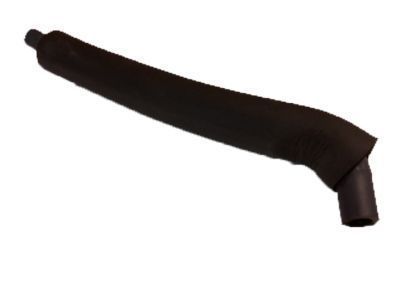
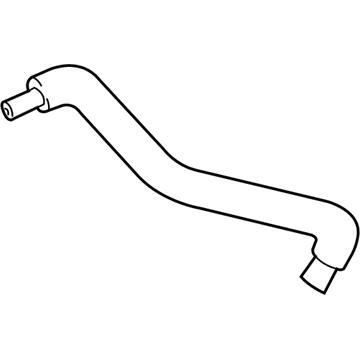
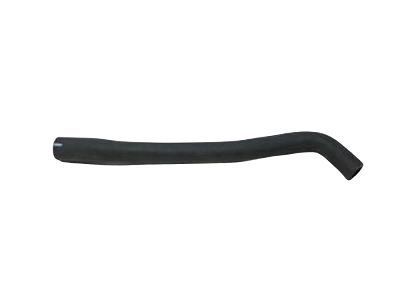
Toyota Vent Hose Part Number: 12262-0H010
$22.69 MSRP: $31.59You Save: $8.90 (29%)Product Specifications- Other Name: Hose, Ventilation; Emissions System Lines; Engine Crankcase Breather; PCV Valve Hose
- Replaces: 12262-28021, 12262-28020
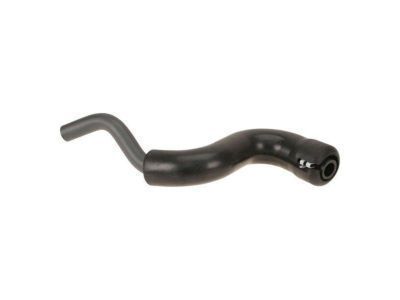
Toyota Vent Hose Part Number: 12261-20030
$30.46 MSRP: $42.40You Save: $11.94 (29%)Ships in 1-3 Business DaysProduct Specifications- Other Name: Hose, Ventilation; PCV Valve Hose; Crankcase Breather Hose
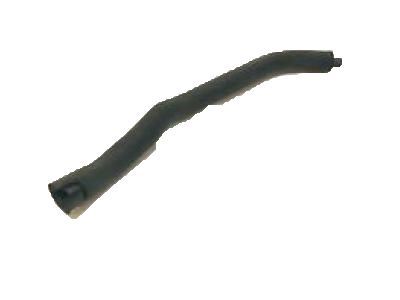
Toyota PCV Hose Part Number: 12262-22100
$65.76 MSRP: $92.30You Save: $26.54 (29%)Ships in 1-3 Business DaysProduct Specifications- Other Name: Hose, Ventilation; PCV Valve Hose; Crankcase Breather Hose
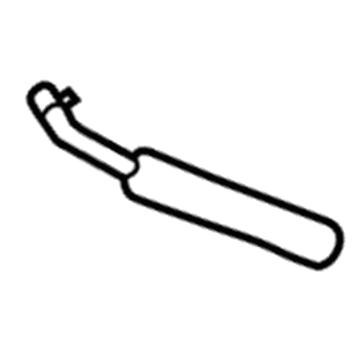
Toyota Vent Hose Part Number: 12261-0A020
$19.59 MSRP: $27.26You Save: $7.67 (29%)Ships in 1-3 Business DaysProduct Specifications- Other Name: Hose, Ventilation; PCV Valve Hose; Crankcase Breather Hose
- Replaces: 12261-20050
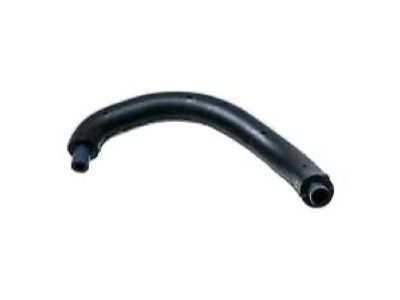
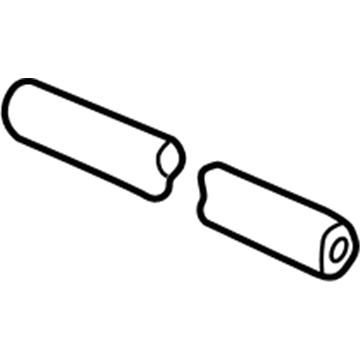
Toyota Vent Hose Part Number: 12261-74130
$15.76 MSRP: $21.94You Save: $6.18 (29%)Ships in 1-3 Business DaysProduct Specifications- Other Name: Hose, Ventilation; Crankcase Breather Hose
- Replaces: 12261-03040
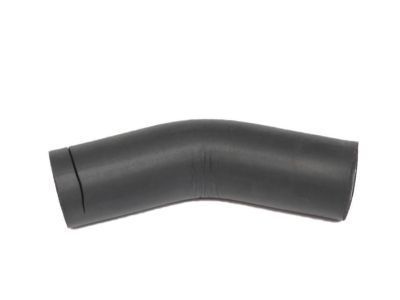
Toyota Vent Hose Part Number: 12261-20091
$15.76 MSRP: $21.94You Save: $6.18 (29%)Ships in 1-3 Business DaysProduct Specifications- Other Name: Hose, Ventilation; PCV Valve Hose; Crankcase Breather Hose
- Manufacturer Note: TYPE C:REFER ILLUST.
- Replaces: 12261-20090
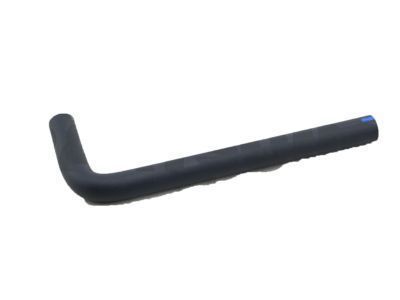
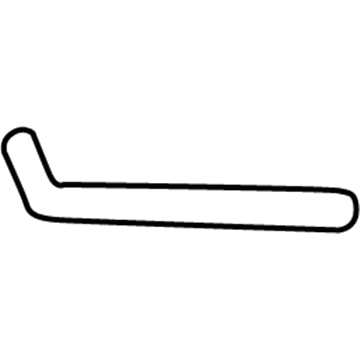
Toyota Hose, Ventilation Part Number: 12262-20010
$21.02 MSRP: $29.26You Save: $8.24 (29%)Ships in 1-2 Business DaysProduct Specifications- Other Name: Crankcase Breather Hose
- Replaces: 12262-0A010
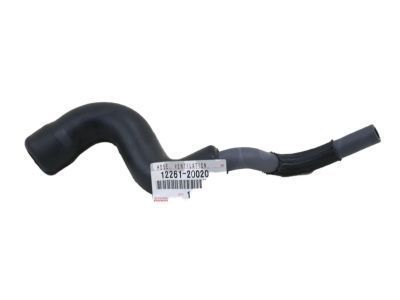

Toyota Hose, Ventilation Part Number: 12261-20020
$41.22 MSRP: $57.37You Save: $16.15 (29%)Ships in 1 Business DayProduct Specifications- Other Name: Crankcase Breather Hose
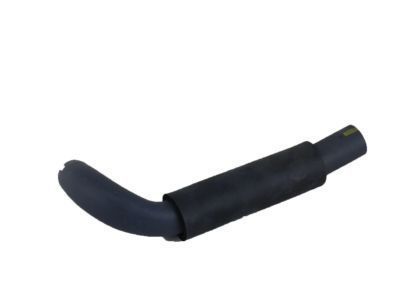
Toyota Vacuum Hose Part Number: 12261-31140
$21.98 MSRP: $30.59You Save: $8.61 (29%)Ships in 1-3 Business DaysProduct Specifications- Other Name: Hose, Ventilation
- Manufacturer Note: NO.1
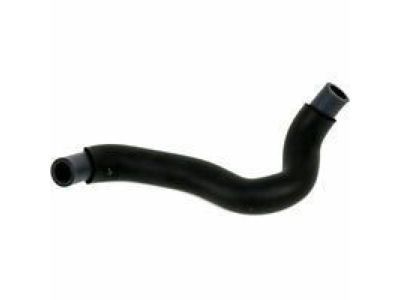
Toyota Vacuum Hose Part Number: 12261-31130
$15.05 MSRP: $20.94You Save: $5.89 (29%)Ships in 1-3 Business DaysProduct Specifications- Other Name: Hose, Ventilation
- Manufacturer Note: NO.2
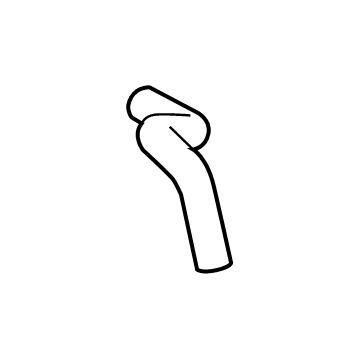
Toyota Hose, Ventilation Part Number: 12262-25030
$29.27 MSRP: $40.74You Save: $11.47 (29%)Ships in 1-3 Business DaysProduct Specifications- Other Name: Crankcase Breather Hose
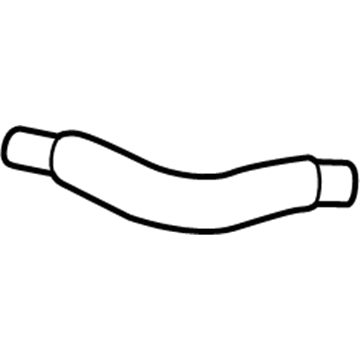
Toyota Vent Hose Part Number: 12260-0V050
$21.50 MSRP: $29.92You Save: $8.42 (29%)Ships in 1-3 Business DaysProduct Specifications- Other Name: Hose Assembly, Ventilation; PCV Valve Hose; Engine Crankcase Breather Hose; Crankcase Breather Hose
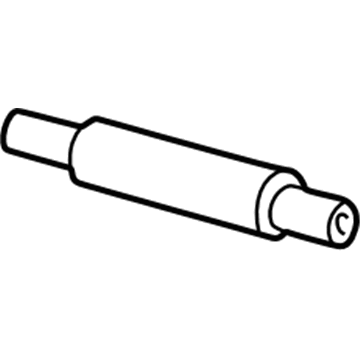
Toyota Vent Hose Part Number: 12260-74090
$19.59 MSRP: $27.26You Save: $7.67 (29%)Ships in 1-3 Business DaysProduct Specifications- Other Name: Hose Assembly, Ventilation; PCV Valve Hose; Crankcase Breather Hose; Hose, Ventilation
- Replaces: 12260-03030
Toyota Vent Hose Part Number: 12260-74070
$16.48 MSRP: $22.94You Save: $6.46 (29%)Ships in 1-3 Business DaysProduct Specifications- Other Name: Hose Assembly, Ventilation; PCV Valve Hose; Engine Crankcase Breather Hose; Crankcase Breather Hose; Hose, Ventilation
- Manufacturer Note: (J)
- Replaces: 12260-03020
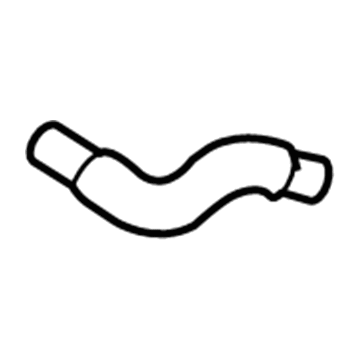
Toyota Vent Hose Part Number: 12261-36020
$30.82 MSRP: $42.90You Save: $12.08 (29%)Ships in 1-3 Business DaysProduct Specifications- Other Name: Hose, Ventilation; PCV Valve Hose; Crankcase Breather Hose
Toyota Vent Hose Part Number: 12262-0A020
$27.11 MSRP: $37.74You Save: $10.63 (29%)Ships in 1-3 Business DaysProduct Specifications- Other Name: Hose, Ventilation; PCV Valve Hose; Crankcase Breather Hose
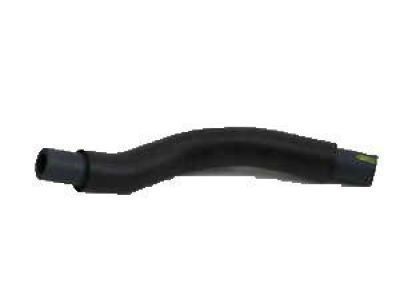
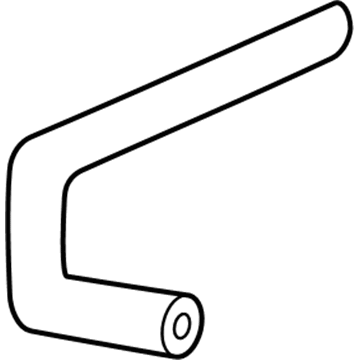
Toyota PCV Hose Part Number: 12262-22090
Product Specifications- Other Name: Hose, Ventilation; Crankcase Breather Hose; PCV Valve Hose
- Replaces: 12262-88602
| Page 1 of 4 |Next >
1-20 of 64 Results
Toyota Crankcase Breather Hose
OEM parts deliver unmatched quality you can rely on. They pass extensive quality control inspections. Toyota produces them to the official factory specifications. This process helps prevent defects and imperfections. So you can get exceptional lifespan and a flawless fit. Need new OEM Toyota Crankcase Breather Hose? You'll love our wide selection of genuine options. Shop in minutes and skip the hunt. Our prices are unbeatable, you'll save time and money. It's easy to shop and find the right piece. Our committed customer service team gives professional help from start to finish. Every part includes a manufacturer's warranty. We ship quickly, your parts will arrive fast at your door.
The Toyota Crankcase Breather Hose hoses back blow-by gases into the intake, maintaining pressure and reducing emissions. Trust in Toyota cars built since 1937 has been gained by producing cars that last long and its production system has eliminated waste, thus forcing workers to quickly fix and this enhances quality. New developments like the TNGA platform have provided the Toyota models with a firmer chassis, improved safety, and better handling as the sophisticated Hybrid Synergy Drive in the Prius and the 42-mile RAV4 Plug-in Hybrid demonstrate Toyota leadership on efficiency. These hybrids are offering high torque and reduced visits to the pump, which assert that Toyota still combines resilience with intelligent technology to provide drivers with their daily use. A Crankcase Breather Hose can be very small, but the functions of the hose in the recirculation of the vapor makes the hybrid engine or gasoline engine clean and within the emission regulations. At the moment of installing the new Crankcase Breather Hose, at first, you need to park and allow the engine to cool the battery down and disconnect it. Find the hose that connects the valve cover or the crankcase with the intake, observe the direction of the hose and loosen the clamps and withdraw the old line. Wipe the fittings to make sure the new Crankcase Breather Hose slides on without kinking and then fit it onto each barb, aligning it and clamping it into place and reconnecting any sensors or vacuum lines. Lastly, re-attach the battery, turn on the engine and check on leaks or wandering idle ensuring good performance.
Related Toyota Parts
 Toyota Ignition Coil
 Toyota Throttle Position Sensor
 Toyota Fuse Box
 Toyota Relay
 Toyota Horn
 Toyota Speedometer
 Toyota Body Control Module
 Toyota Distributor Cap
 Toyota Horn Relay
 Toyota Neutral Safety Switch
 Toyota Daytime Running Light Relay
 Toyota Cooling Fan Relay