×
ToyotaParts- Hello
- Login or Register
- Quick Links
- Live Chat
- Track Order
- Parts Availability
- RMA
- Help Center
- Contact Us
- Shop for
- Toyota Parts
- Scion Parts
My Garage
My Account
Cart
OEM Toyota Camry Suspension Strut Rod
- Select Vehicle by Model
- Select Vehicle by VIN
Select Vehicle by Model
orMake
Model
Year
Select Vehicle by VIN
For the most accurate results, select vehicle by your VIN (Vehicle Identification Number).
11 Suspension Strut Rods found
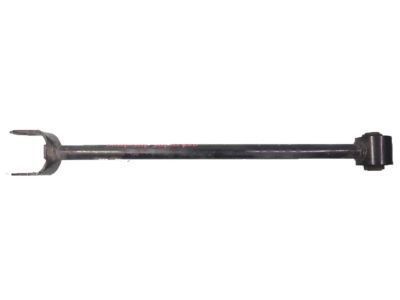
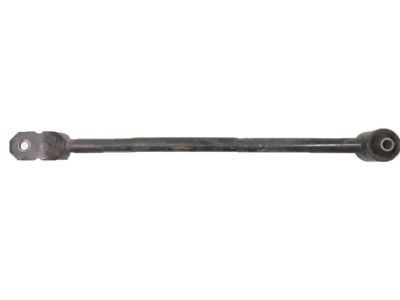
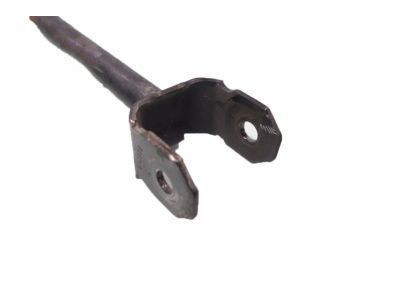
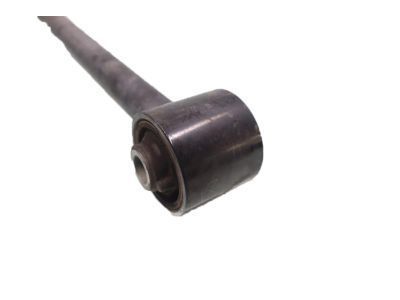
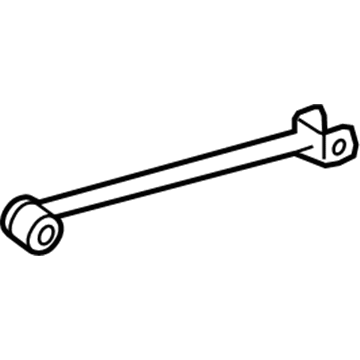
Toyota Camry Strut Rod, Rear Part Number: 48780-06030
$109.13 MSRP: $153.18You Save: $44.05 (29%)Ships in 1-3 Business Days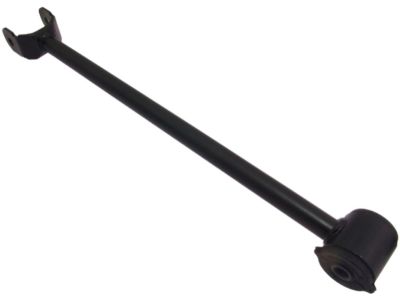
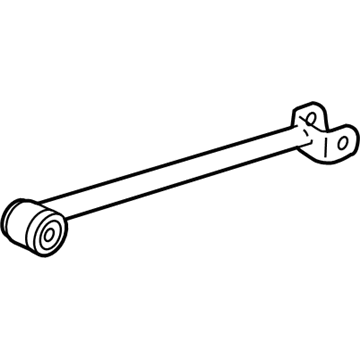
Toyota Camry Trailing Arm, Rear Part Number: 48780-07020
$128.77 MSRP: $182.29You Save: $53.52 (30%)Ships in 1-3 Business Days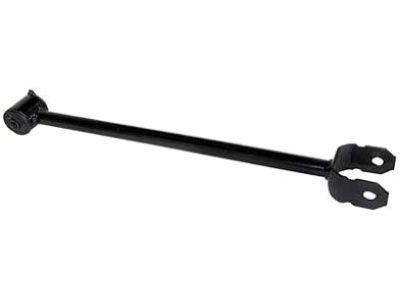
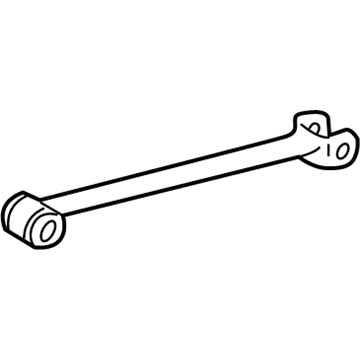
Toyota Camry Trailing Arm, Rear Part Number: 48780-33010
$138.52 MSRP: $196.09You Save: $57.57 (30%)Ships in 1-3 Business Days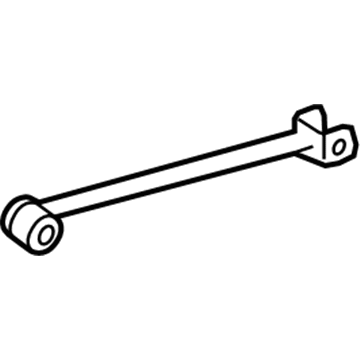
Toyota Camry Trailing Arm, Rear Passenger Side Part Number: 48780-06091
$134.06 MSRP: $189.77You Save: $55.71 (30%)Ships in 1-3 Business Days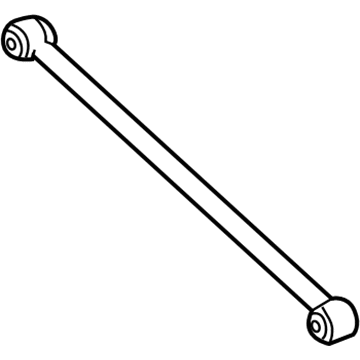
Toyota Camry Control Arm, Rear Part Number: 48710-33060
$131.95 MSRP: $186.80You Save: $54.85 (30%)Ships in 1-3 Business DaysToyota Camry Trailing Arm, Rear Driver Side Part Number: 487A0-06011
$137.23 MSRP: $194.26You Save: $57.03 (30%)Ships in 1-3 Business Days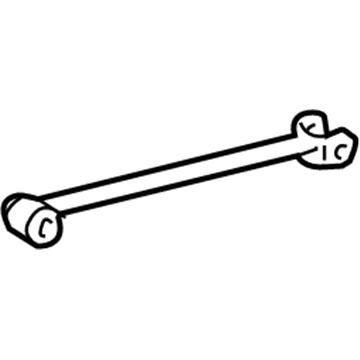
Toyota Camry Trailing Arm, Rear Part Number: 48780-48020
$138.52 MSRP: $196.09You Save: $57.57 (30%)Ships in 1-3 Business DaysToyota Camry Trailing Arm, Rear Part Number: 48780-33040
$109.36 MSRP: $153.51You Save: $44.15 (29%)Ships in 1-3 Business Days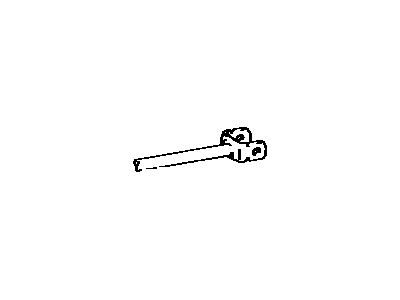
Toyota Camry Trailing Arm, Rear Part Number: 48780-20030
$128.52 MSRP: $181.93You Save: $53.41 (30%)Ships in 1-3 Business Days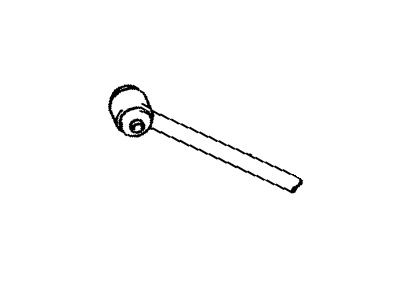
Toyota Camry Strut Rod, Rear Part Number: 48780-32010
Toyota Camry Strut Rod, Rear Part Number: 48780-32020
Toyota Camry Suspension Strut Rod
Choose genuine Suspension Strut Rod that pass strict quality control tests. You can trust the top quality and lasting durability. Shopping for OEM Suspension Strut Rod for your Toyota Camry? Our website is your one-stop destination. We stock an extensive selection of genuine Toyota Camry parts. The price is affordable so you can save more. It only takes minutes to browse and find the exact fit. Easily add to cart and check out fast. Our hassle-free return policy will keep you stress-free. We process orders quickly for swift delivery. Your parts will arrive faster, so you can get back on the road sooner.
Toyota Camry Suspension Strut Rod Parts and Q&A
- Q:How to install the rear Suspension Strut Rod and related components on Toyota Camry?A:Begin the rear strut rod installation by using the bolt and nut to make a temporary installation of the rear strut rod at the rear position but avoid rotating the nut. Secure the axle carrier at its rear side while attaching the inner strut rod to the bolt and nut through a temporary tightening procedure that avoids nut rotation. The installation requires the user to elevate the rear axle carrier using a wooden block while applying suspension strain until the rear suspension No. 1 arm inner bolt is perfectly aligned with the rear axle hub center. Squeeze both bolts until they reach a torsion value of 113 Nm (1,152 kgf-cm, 83 ft-lbf). The parking brake No. 3 cable assembly installation requires using its bolt followed by a 6.0 Nm bolt torque adjustment setting at 61 kgf-cm or 53 in-lbf. If you are installing the rear wheel you must secure it using a torque of 103 Nm (1,050 kgf-cm, 76 ft-lbf).
- Q:How to service and repair the rear Suspension Strut Rod on Toyota Camry?A:Start the servicing and repairs of the rear strut rod by taking off the rear wheel. Disassemble the parking brake No. 3 cable assembly by taking out its bolt and solving the connection. Position a jack beneath the rear axle carrier while removing the bolt followed by the nut to detach the strut rod from the front side but prevent the nut from turning. Proceed to remove all bolts and nut and the rear strut rod from the axle carrier while keeping the bolt stationary. When installing the strut rod to the rear side use the bolt and nut to loosely secure it while keeping the nut fixed in place. Keep the rear axle carrier supported when you connect its rear strut rod inner attachment using the bolt and nut. Apply the same precautionary measures. The rear axle suspension needs stabilization through a wooden block on the jack before applying downward pressure on the rear suspension No. 1 arm bolt to center it directly over the rear axle hub. Turn both bolts until they achieve 113 Nm of torque or 1,152 kgf-cm and 83 ft. lbs. Begin by reinstalling the parking brake No. 3 cable with its bolt then tighten it to 6.0 Nm (61 kgf-cm, 53 inch lbs.) and end with the rear wheel installation which needs tightening to 103 Nm (1,050 kgf-cm, 76 ft. lbs.).
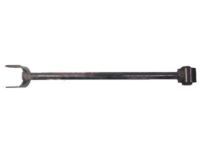
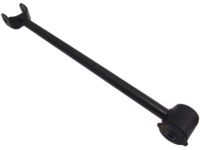
Related Toyota Camry Parts
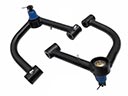 Toyota Camry Control Arm
 Toyota Camry Control Arm Bushing
 Toyota Camry Sway Bar Link
 Toyota Camry Rear Crossmember
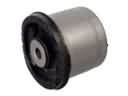 Toyota Camry Axle Beam Mount
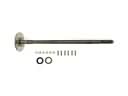 Toyota Camry Axle Shaft
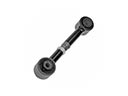 Toyota Camry Lateral Link
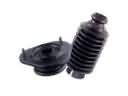 Toyota Camry Shock and Strut Boot
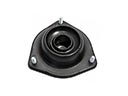 Toyota Camry Strut Mounts
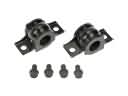 Toyota Camry Sway Bar Bracket
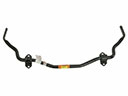 Toyota Camry Sway Bars
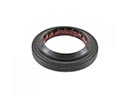 Toyota Camry Wheel Seal