×
ToyotaParts- Hello
- Login or Register
- Quick Links
- Live Chat
- Track Order
- Parts Availability
- RMA
- Help Center
- Contact Us
- Shop for
- Toyota Parts
- Scion Parts
My Garage
My Account
Cart
OEM 2009 Toyota Tacoma Axle Shaft
Car Axle Shaft- Select Vehicle by Model
- Select Vehicle by VIN
Select Vehicle by Model
orMake
Model
Year
Select Vehicle by VIN
For the most accurate results, select vehicle by your VIN (Vehicle Identification Number).
3 Axle Shafts found
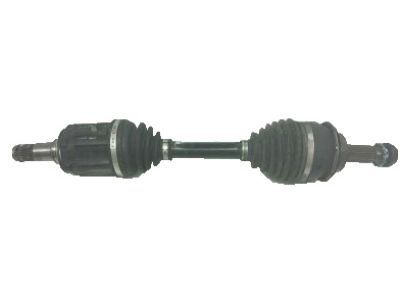
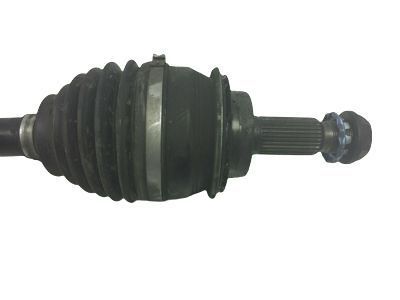
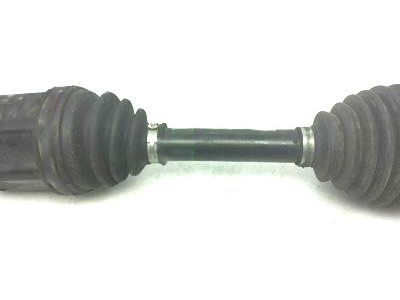
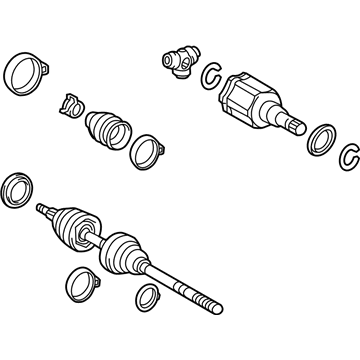
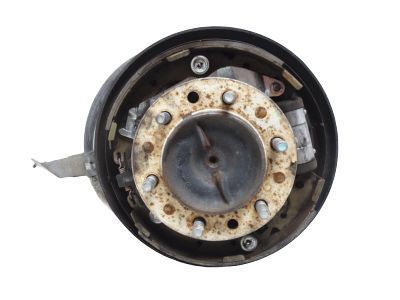
2009 Toyota Tacoma Axle Assembly, Front
Part Number: 43430-04071$329.10 MSRP: $469.88You Save: $140.78 (30%)Product Specifications- Other Name: Shaft Assembly, Front Drive; CV Axle Assembly, Front, Front Left, Front Right; GSP Cv Axle; Axle Shaft; Shaft Assembly, Front Drive, Passenger Side; Shaft Assembly, Front Drive, Driver Side; CV Axle Assembly
- Position: Front
- Replaces: 43430-04070
- Condition: New
- Fitment Type: Direct Replacement
- SKU: 43430-04071
- Warranty: This genuine part is guaranteed by Toyota's factory warranty.
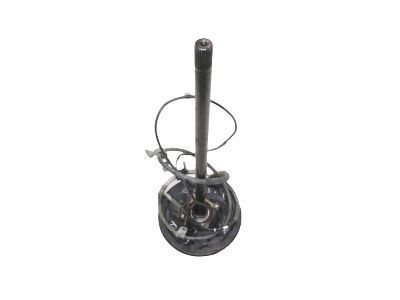
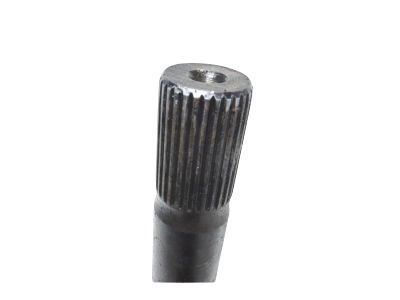
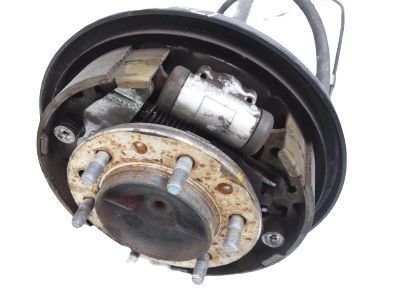
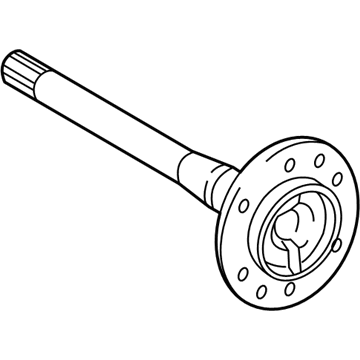
2009 Toyota Tacoma Axle Shaft, Rear
Part Number: 42311-04082$384.87 MSRP: $564.03You Save: $179.16 (32%)Product Specifications- Other Name: Shaft, Rear Axle; Drive Axle Shaft, Rear; Axle Shafts; Shaft, Rear Axle, Passenger Side; Shaft, Rear Axle, Driver Side
- Position: Rear
- Replaces: 42311-04080, 42311-04081
- Item Weight: 15.20 Pounds
- Item Dimensions: 40.3 x 6.2 x 6.1 inches
- Condition: New
- Fitment Type: Direct Replacement
- SKU: 42311-04082
- Warranty: This genuine part is guaranteed by Toyota's factory warranty.
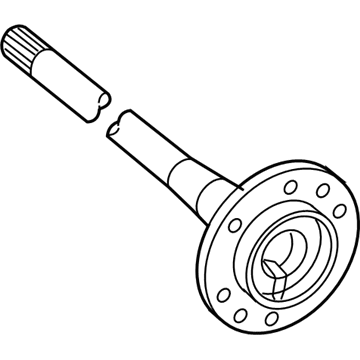
2009 Toyota Tacoma Axle Shaft, Rear
Part Number: 42311-04071$401.67 MSRP: $588.65You Save: $186.98 (32%)Product Specifications- Other Name: Shaft, Rear Axle; Drive Axle Shaft, Rear; Axle Shafts; Shaft, Rear Axle, Passenger Side; Shaft, Rear Axle, Driver Side
- Position: Rear
- Replaces: 42311-04070
- Item Weight: 16.10 Pounds
- Item Dimensions: 27.6 x 8.4 x 7.6 inches
- Condition: New
- Fitment Type: Direct Replacement
- SKU: 42311-04071
- Warranty: This genuine part is guaranteed by Toyota's factory warranty.
2009 Toyota Tacoma Axle Shaft
Looking for affordable OEM 2009 Toyota Tacoma Axle Shaft? Explore our comprehensive catalogue of genuine 2009 Toyota Tacoma Axle Shaft. All our parts are covered by the manufacturer's warranty. Plus, our straightforward return policy and speedy delivery service ensure an unparalleled shopping experience. We look forward to your visit!
2009 Toyota Tacoma Axle Shaft Parts Q&A
- Q: How to install the rear axle shaft and complete the brake system assembly on 2009 Toyota Tacoma?A: First install a new oil seal through the use of Special Service Tools: 09950-60020 09951-00770, supplementing the operation with a hammer. First install a new O-ring and place the rear axle shaft with backing plate into position while securing it with 4 nuts and torquing them to 36 Nm (367 kgf-cm, 27 ft-lbf). After the installation of the rear brake tube No. 8 using a union nut wrench to a torque of 15 Nm (155 kgf-cm, 11 ft-lbf), the parking brake cable assembly No. 3 gets installed using 2 bolts that need 8.0 Nm (82 kgf-cm, 71 in-lbf) torque. After applying high-temperature grease, the technician should install rear brake shoes with front brake shoes. Implement an inspection of the installed rear drum brakes followed by the sub-assembly and adjustment for rear drum brake shoe clearance. Fasten the rear wheel using 113 Nm torque along with connecting the cable to the negative battery terminal at 3.9 Nm. You should fill brake fluid into the reservoir which serves both the hydraulic and vacuum brake boosters before performing bleeding procedures from the master cylinder and brake lines of both systems. Both brake fluid reservoirs need inspection for suitable fluid levels before checking for any leaks in the systems. Perform a measurement of parking brake pedal distance on automatic systems and parking brake lever distance on manual systems while making required calibrations. Both hydraulic and vacuum brake boosters need their VSC sensor signal checked during the final inspection.
Related 2009 Toyota Tacoma Parts
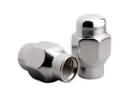 2009 Toyota Tacoma Lug Nuts
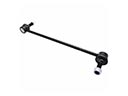 2009 Toyota Tacoma Sway Bar Link
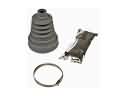 2009 Toyota Tacoma CV Boot
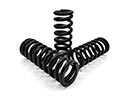 2009 Toyota Tacoma Coil Springs
 2009 Toyota Tacoma Spare Wheel
 2009 Toyota Tacoma Alignment Bolt
 2009 Toyota Tacoma Axle Beam Mount
 2009 Toyota Tacoma Differential Mount
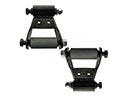 2009 Toyota Tacoma Leaf Spring Shackle
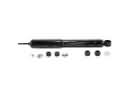 2009 Toyota Tacoma Shock Absorber
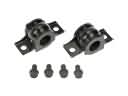 2009 Toyota Tacoma Sway Bar Bracket
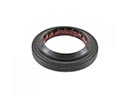 2009 Toyota Tacoma Wheel Seal