×
ToyotaParts- Hello
- Login or Register
- Quick Links
- Live Chat
- Track Order
- Parts Availability
- RMA
- Help Center
- Contact Us
- Shop for
- Toyota Parts
- Scion Parts
My Garage
My Account
Cart
OEM Toyota Tacoma Exhaust Flange Gasket
Exhaust Pipe Flange Gasket- Select Vehicle by Model
- Select Vehicle by VIN
Select Vehicle by Model
orMake
Model
Year
Select Vehicle by VIN
For the most accurate results, select vehicle by your VIN (Vehicle Identification Number).
14 Exhaust Flange Gaskets found
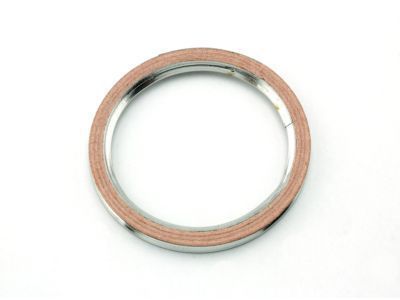

Toyota Tacoma Gasket Part Number: 90080-43036
$13.13 MSRP: $18.27You Save: $5.14 (29%)Ships in 1-3 Business Days
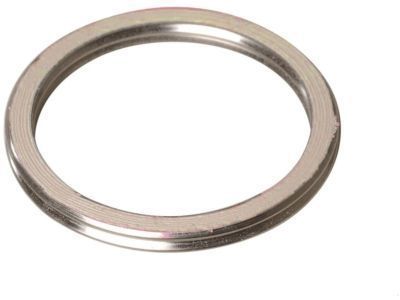
Toyota Tacoma Exhaust Pipe Gasket, Center Part Number: 90917-A6001
$13.13 MSRP: $18.27You Save: $5.14 (29%)Ships in 1-3 Business Days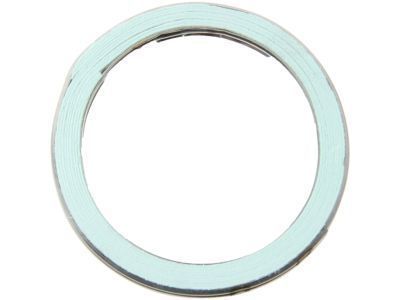
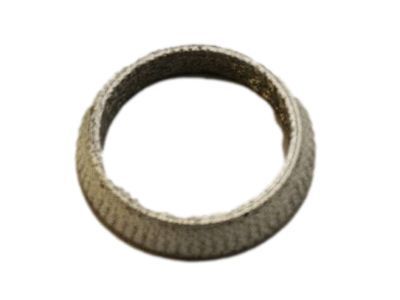
Toyota Tacoma Muffler Gasket Part Number: 90917-A6005
$13.49 MSRP: $18.78You Save: $5.29 (29%)Ships in 1-3 Business Days

Toyota Tacoma Exhaust Pipe Gasket, Center Part Number: 17451-0D020
$37.15 MSRP: $51.72You Save: $14.57 (29%)Ships in 1-3 Business Days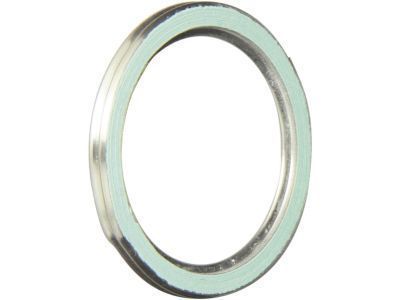
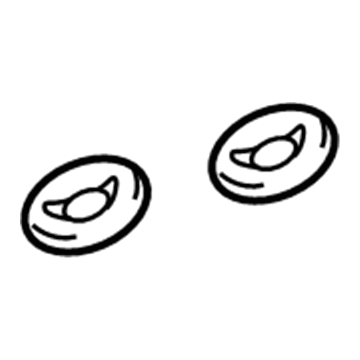
Toyota Tacoma Front Pipe Gasket Part Number: 90917-06061
$8.59 MSRP: $11.95You Save: $3.36 (29%)Ships in 1-3 Business Days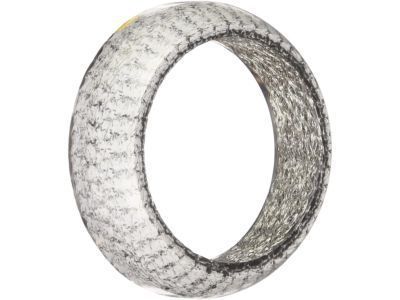
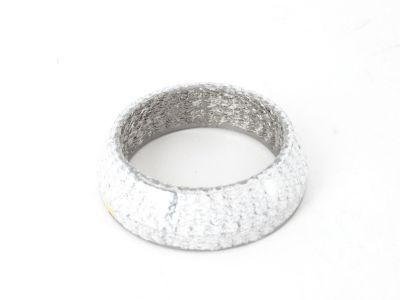
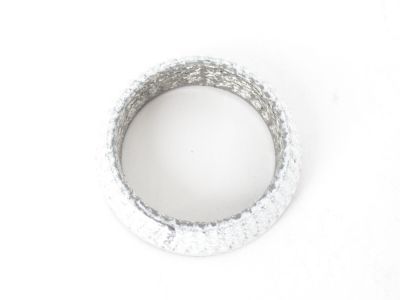
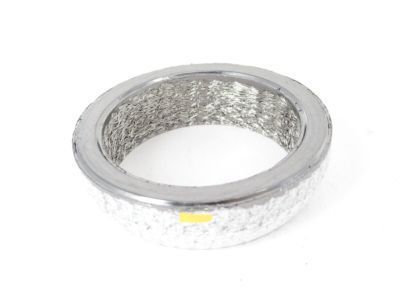
Toyota Tacoma Front Pipe Gasket, Passenger Side Part Number: 17451-0D060
$43.84 MSRP: $61.03You Save: $17.19 (29%)Ships in 1 Business Day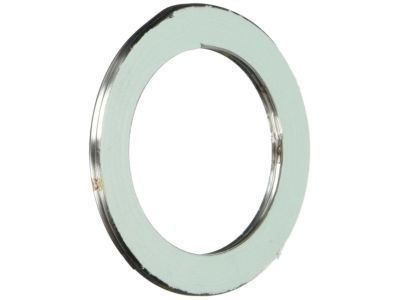
Toyota Tacoma Exhaust Pipe Gasket, Rear Part Number: 90917-06057
$8.59 MSRP: $11.96You Save: $3.37 (29%)Ships in 1-3 Business Days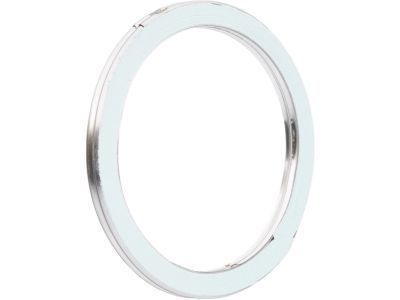
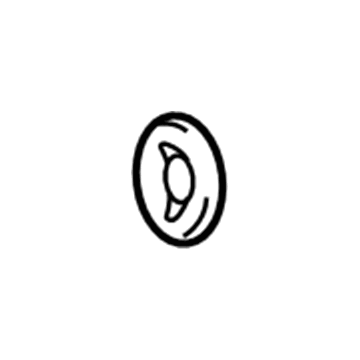
Toyota Tacoma Catalytic Converter Gasket, Front Part Number: 90917-06041
$11.82 MSRP: $16.45You Save: $4.63 (29%)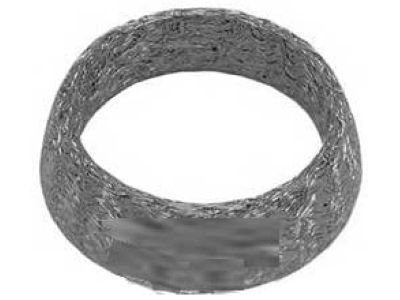
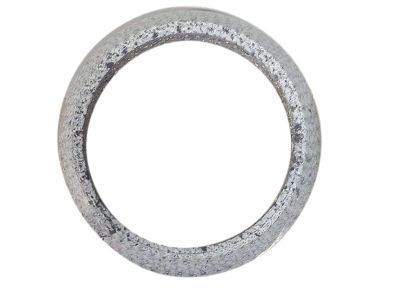
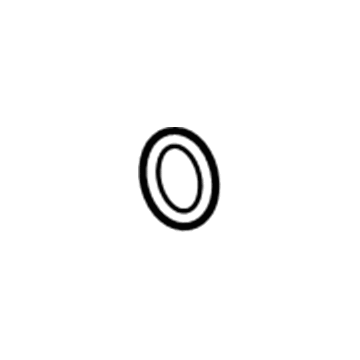
Toyota Tacoma Muffler & Pipe Gasket, Center Part Number: 17451-0A010
$23.89 MSRP: $33.25You Save: $9.36 (29%)Ships in 1-3 Business Days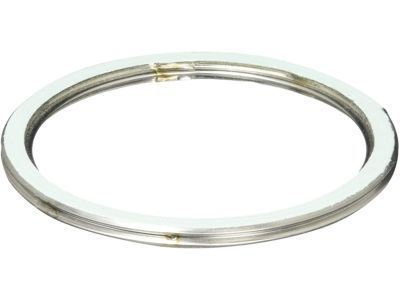
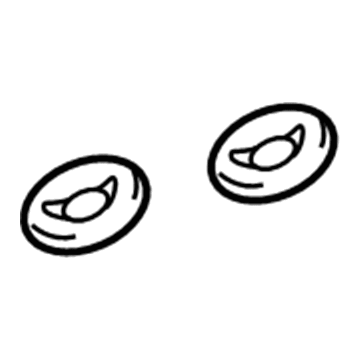
Toyota Tacoma Front Pipe Gasket Part Number: 90917-06086
$11.22 MSRP: $15.62You Save: $4.40 (29%)Ships in 1-2 Business Days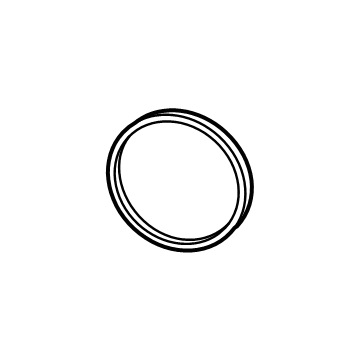
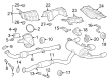
Toyota Tacoma Gasket, Turbine Outlet Elbow Part Number: 17279-0W010
$34.88 MSRP: $48.55You Save: $13.67 (29%)Ships in 1-3 Business Days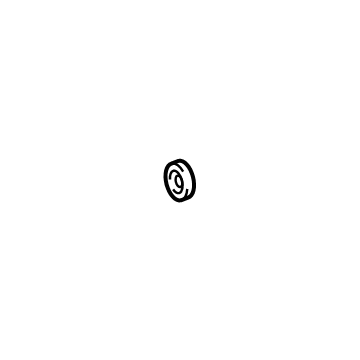
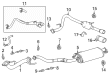
Toyota Tacoma Tailpipe Gasket Part Number: 17451-F4010
$10.62 MSRP: $14.79You Save: $4.17 (29%)Ships in 1-3 Business DaysToyota Tacoma Front Pipe Gasket Part Number: 90917-06067
$10.86 MSRP: $15.12You Save: $4.26 (29%)Ships in 1-3 Business Days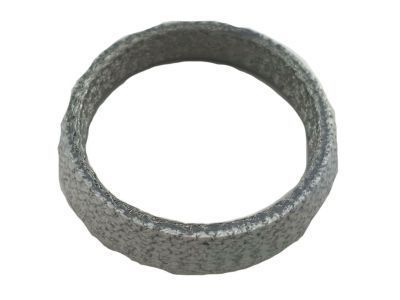
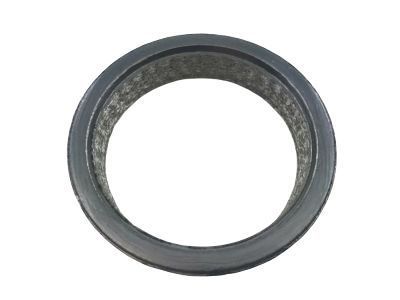
Toyota Tacoma Muffler & Pipe Gasket, Center Part Number: 17451-0D140
Toyota Tacoma Exhaust Flange Gasket
Choose genuine Exhaust Flange Gasket that pass strict quality control tests. You can trust the top quality and lasting durability. Shopping for OEM Exhaust Flange Gasket for your Toyota Tacoma? Our website is your one-stop destination. We stock an extensive selection of genuine Toyota Tacoma parts. The price is affordable so you can save more. It only takes minutes to browse and find the exact fit. Easily add to cart and check out fast. Our hassle-free return policy will keep you stress-free. We process orders quickly for swift delivery. Your parts will arrive faster, so you can get back on the road sooner.
Toyota Tacoma Exhaust Flange Gasket is important in ensuring that the favorite truck is closed and up to the task. The Toyota Tacoma has gained the reputation of being a reliable power source, great ground clearance, and strong frame that shakes off the rugged trails, but still has a quiet cabin, convenient infotainment, and sophisticated driver aids that make commuting to work an easy task. The Toyota Tacoma is a rugged and strong workhorse and an entertaining weekend vehicle with a selectable four wheel drive, a responsive V6, and an optional six foot composite bed that will not bend or rust, resale values and a part supply that is easily accessible at Toyota dealerships. Toyota Tacoma Exhaust Flange Gasket is a heat resistant gasket that is installed between the exhaust flanges immediately after the end of the manifold to prevent emission of harmful gases, maintain proper backpressure, reduce cabin noise, and enable the truck to pass through the emissions regulations. This Exhaust Flange Gasket is strong enough to withstand repeated heat cycles, corrosion resistant and tight enough it is important that the truck breathes well and the Tacoma is not involved in unlawful actions. Since the Exhaust Flange Gasket is cheap but essential, an engine user is expected to check it whenever changing the oil and change the Exhaust Flange Gasket when the hissing or soot appears. Installation requires cooling down the pipes, installing the system in place, unbolting the joint, attaching the new gasket, and evenly tightening bolts and then turning on the engine to ensure that there is no sound.
Related Toyota Tacoma Parts
 Toyota Tacoma Catalytic Converter
 Toyota Tacoma Exhaust Pipe
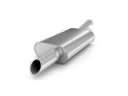 Toyota Tacoma Muffler
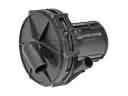 Toyota Tacoma Air Injection Pump
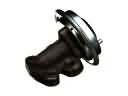 Toyota Tacoma EGR Valve
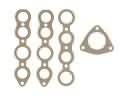 Toyota Tacoma Exhaust Manifold
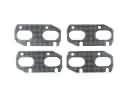 Toyota Tacoma Exhaust Manifold Gasket
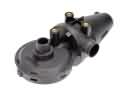 Toyota Tacoma PCV Valve
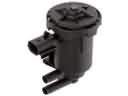 Toyota Tacoma Canister Purge Valve
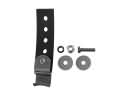 Toyota Tacoma Exhaust Hanger
 Toyota Tacoma Exhaust Heat Shield
 Toyota Tacoma Tail Pipe