×
ToyotaParts- Hello
- Login or Register
- Quick Links
- Live Chat
- Track Order
- Parts Availability
- RMA
- Help Center
- Contact Us
- Shop for
- Toyota Parts
- Scion Parts
My Garage
My Account
Cart
OEM Toyota Sienna Power Steering Reservoir
Power Steering Fluid Reservoir Tank- Select Vehicle by Model
- Select Vehicle by VIN
Select Vehicle by Model
orMake
Model
Year
Select Vehicle by VIN
For the most accurate results, select vehicle by your VIN (Vehicle Identification Number).
2 Power Steering Reservoirs found
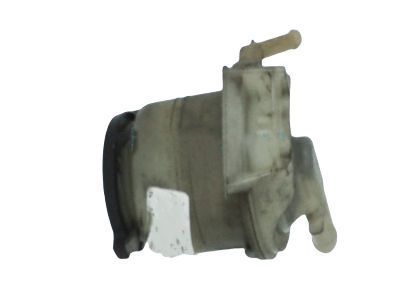
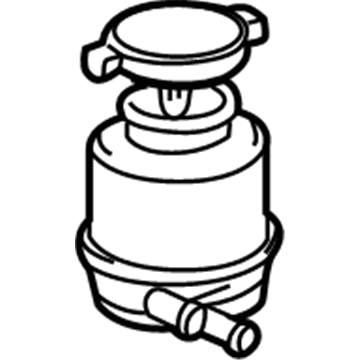
Toyota Sienna Power Steering Pump Reservoir Part Number: 44360-08020
$157.20 MSRP: $222.55You Save: $65.35 (30%)Ships in 1-3 Business Days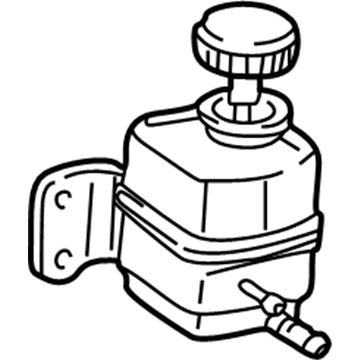
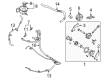
Toyota Sienna Reservoir Assembly Part Number: 44360-08010
$157.20 MSRP: $222.55You Save: $65.35 (30%)Ships in 1-3 Business Days
Toyota Sienna Power Steering Reservoir
Choose genuine Power Steering Reservoir that pass strict quality control tests. You can trust the top quality and lasting durability. Shopping for OEM Power Steering Reservoir for your Toyota Sienna? Our website is your one-stop destination. We stock an extensive selection of genuine Toyota Sienna parts. The price is affordable so you can save more. It only takes minutes to browse and find the exact fit. Easily add to cart and check out fast. Our hassle-free return policy will keep you stress-free. We process orders quickly for swift delivery. Your parts will arrive faster, so you can get back on the road sooner.
Toyota Sienna Power Steering Reservoir is a major ingredient to make the legendary Sienna agile and maneuverable. Toyota impresses families with its spacious interior, reliable construction, assured handling and ingenious conveniences that make everyday commuting easier. Its owners praise the Sienna with silent rides, adjustable seating, and reliable safety, all of which contribute to the formation of a comfortable and calming minivan that will be felt rather comfortable and safe during a long journey and a trip to the store. In such an amazing pack, there is the Sienna Power Steering Reservoir, which also operates behind the scenes, and contains hydraulic fluid that supplies the steering pump, filters dirt and debris as well as ensures the steering wheel remains light at parking lot speeds. The Power Steering Reservoir is a significant advancement as well as the easy to check model to enable the driver to see low fluid levels early enough before it influences the steering feel, a characteristic that is synonymous with the long life designs at Toyota engineering. The purpose of this Power Steering Reservoir is to withstand heat and vibration and assist the steering system in working longer and exhibiting smooth operation even in extreme seasons, which is specifically made to fit the car. The Toyota Sienna Power Steering Reservoir is very easy to install and can be done by first parking safely and relieving pressure, unscrewing hoses and fasteners, removing the old unit and then fitting the new one, securing fresh clamps, refilling approved fluid, and then turning the wheel side to side to bleed the air and ensure the leak is sealed.
Related Toyota Sienna Parts
 Toyota Sienna Rack And Pinion
 Toyota Sienna Steering Wheel
 Toyota Sienna Power Steering Hose
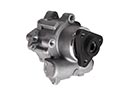 Toyota Sienna Power Steering Pump
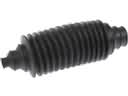 Toyota Sienna Rack and Pinion Boot
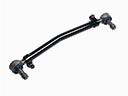 Toyota Sienna Drag Link
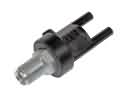 Toyota Sienna Power Steering Control Valve
 Toyota Sienna Power Steering Cooler
 Toyota Sienna Steering Column
 Toyota Sienna Steering Gear Box
 Toyota Sienna Steering Shaft
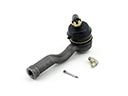 Toyota Sienna Tie Rod End