×
ToyotaParts- Hello
- Login or Register
- Quick Links
- Live Chat
- Track Order
- Parts Availability
- RMA
- Help Center
- Contact Us
- Shop for
- Toyota Parts
- Scion Parts
My Garage
My Account
Cart
OEM Toyota Fan Shroud
Radiator Fan Shroud- Select Vehicle by Model
- Select Vehicle by VIN
Select Vehicle by Model
orMake
Model
Year
Select Vehicle by VIN
For the most accurate results, select vehicle by your VIN (Vehicle Identification Number).
284 Fan Shrouds found
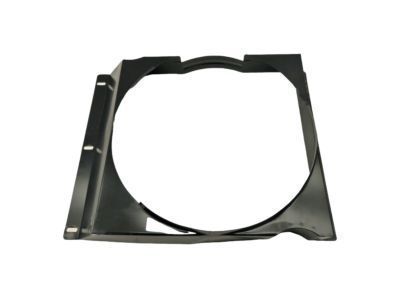
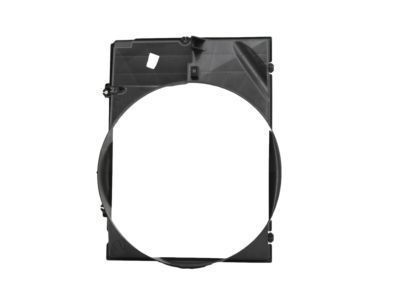
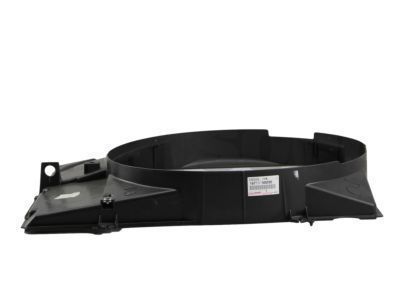
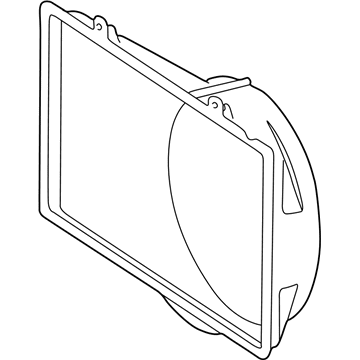
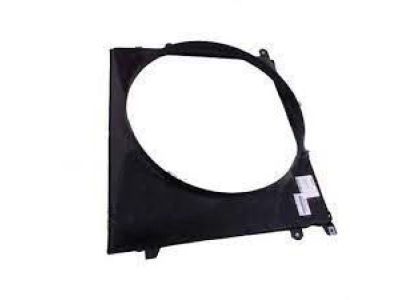
Toyota Shroud, Fan Part Number: 16711-50090
$134.17 MSRP: $189.94You Save: $55.77 (30%)Ships in 1-3 Business DaysProduct Specifications- Other Name: Fan Shroud
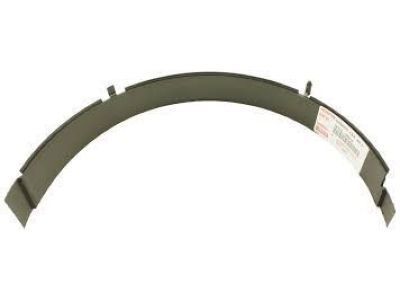
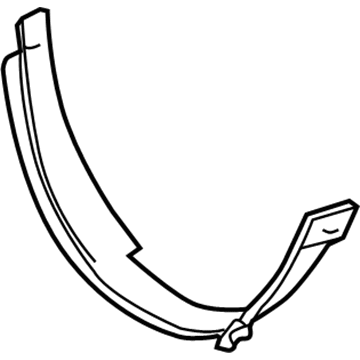
Toyota Lower Shroud, Front Inner Part Number: 16712-0C011
$33.69 MSRP: $46.89You Save: $13.20 (29%)Ships in 1-3 Business DaysProduct Specifications- Other Name: Shroud, Fan; Engine Cooling Fan Shroud, Front Inner; Engine Cooling Fan Shroud Seal; Shield; Fan Shroud
- Position: Front Inner
- Replaces: 16712-0C010
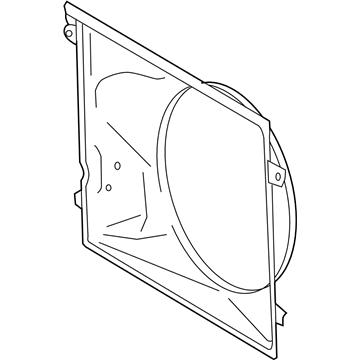
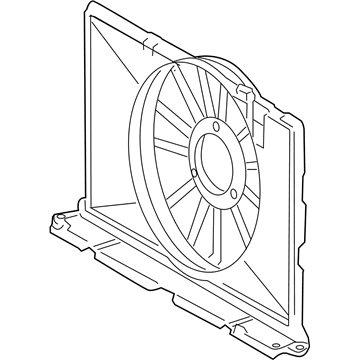
Toyota Fan Shroud Part Number: 16711-31510
$118.49 MSRP: $166.32You Save: $47.83 (29%)Ships in 1-3 Business DaysProduct Specifications- Other Name: Shroud, Fan; Engine Cooling Fan Shroud; Shroud
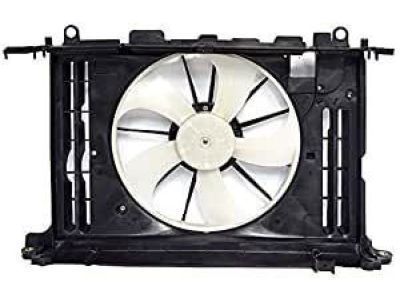
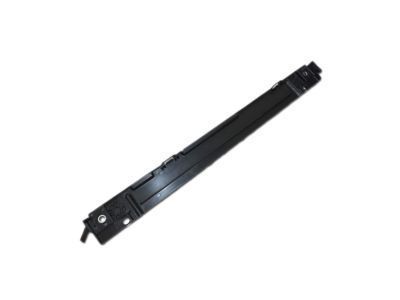
Toyota Fan Shroud, Lower Part Number: 16711-0T040
$102.25 MSRP: $143.53You Save: $41.28 (29%)Ships in 1-3 Business DaysProduct Specifications- Other Name: Shroud, Fan; Engine Cooling Fan Shroud, Lower; Cooling Fan Assembly
- Position: Lower
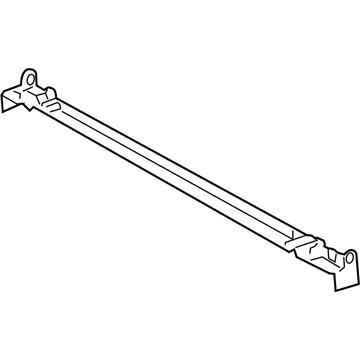
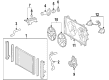
Toyota Fan Shroud, Upper Part Number: 16712-28050
$72.39 MSRP: $101.61You Save: $29.22 (29%)Ships in 1-3 Business DaysProduct Specifications- Other Name: Shroud, Fan; Engine Cooling Fan Shroud, Upper; Cooling Fan Assembly; Upper Shroud
- Position: Upper
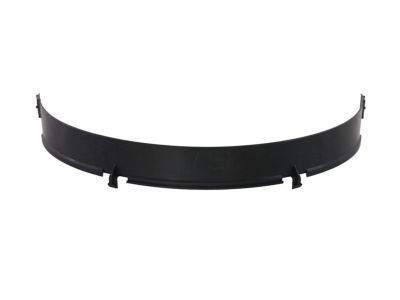
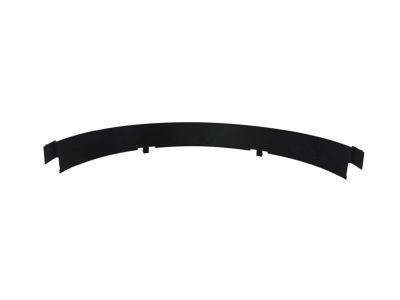
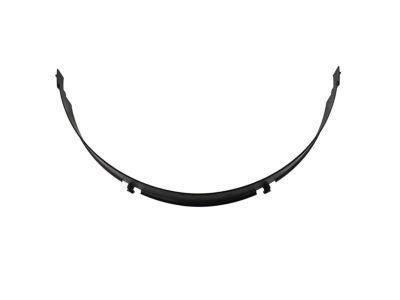
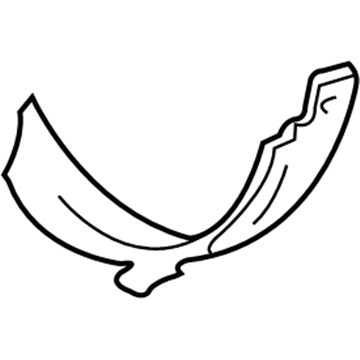
Toyota Lower Shroud, Front Part Number: 16712-07020
$27.00 MSRP: $37.58You Save: $10.58 (29%)Ships in 1-2 Business DaysProduct Specifications- Other Name: Shroud, Fan; Engine Cooling Fan Shroud, Front Lower; Shield; Fan Shroud
- Position: Front Lower
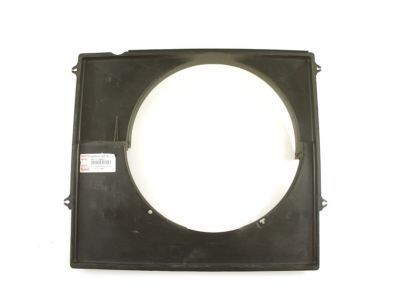
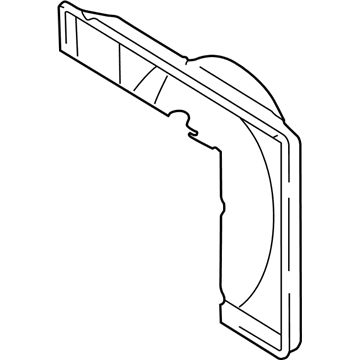
Toyota Shroud, Front Outer Part Number: 16711-0C031
$118.31 MSRP: $167.48You Save: $49.17 (30%)Ships in 1-3 Business DaysProduct Specifications- Other Name: Shroud, Fan; Engine Cooling Fan Shroud, Front Outer; Fan Shroud
- Position: Front Outer
- Replaces: 16711-0C030
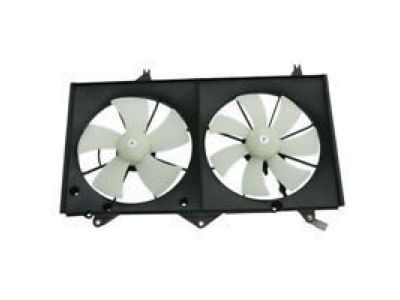
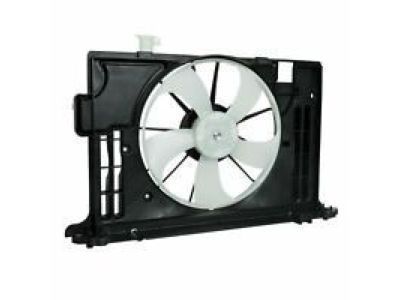
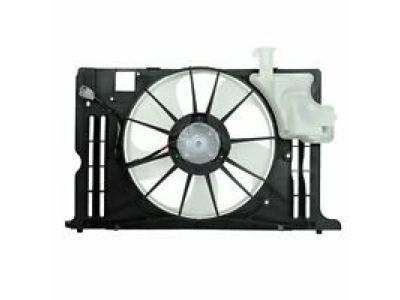
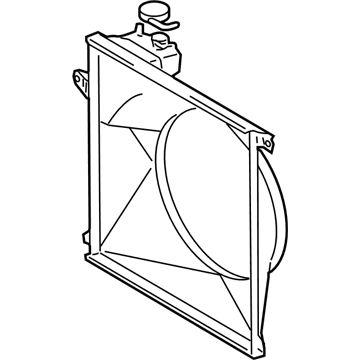
Toyota Fan Shroud Part Number: 16711-0P020
$135.70 MSRP: $192.11You Save: $56.41 (30%)Ships in 1-3 Business DaysProduct Specifications- Other Name: Shroud, Fan; Engine Cooling Fan Shroud; Shroud
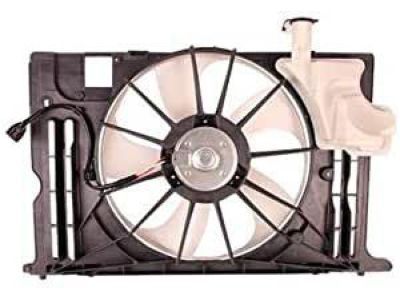
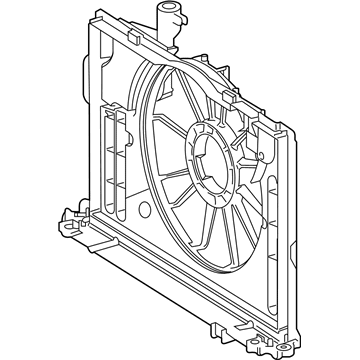
Toyota Fan Shroud, Front Part Number: 16711-0T131
$104.39 MSRP: $146.52You Save: $42.13 (29%)Ships in 1 Business DayProduct Specifications- Other Name: Shroud, Fan; Engine Cooling Fan Shroud, Front; Cooling Fan Assembly; Cooling Shroud
- Manufacturer Note: AIR CONDITIONER-MANUAL A/C
- Position: Front
- Replaces: 16711-0T130
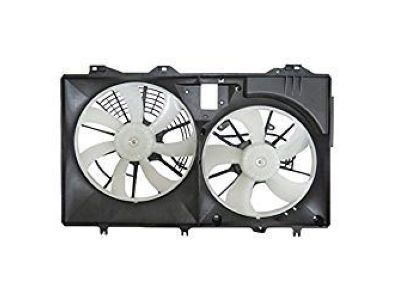
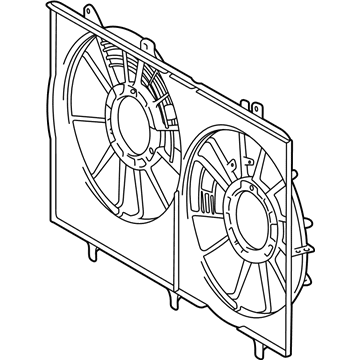
Toyota Fan Shroud, Front Part Number: 16711-0P400
$121.72 MSRP: $172.31You Save: $50.59 (30%)Ships in 1-2 Business DaysProduct Specifications- Other Name: Shroud, Fan; Engine Cooling Fan Shroud, Front; Cooling Fan Assembly; Shroud
- Position: Front
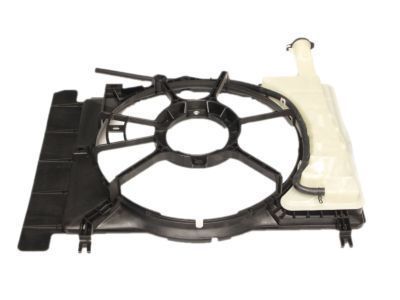
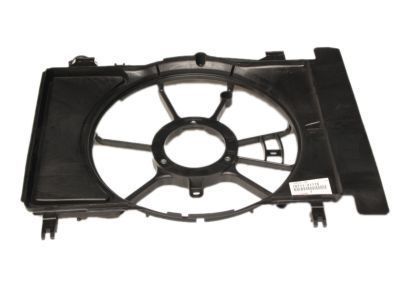
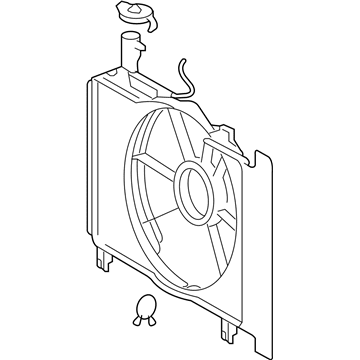
Toyota Fan Shroud Part Number: 16711-21110
$124.30 MSRP: $175.96You Save: $51.66 (30%)Ships in 1-3 Business DaysProduct Specifications- Other Name: Shroud, Fan; Engine Cooling Fan Shroud; Cooling Fan Assembly; Shroud
- Manufacturer Note: (J)
- Replaces: 16711-0M150
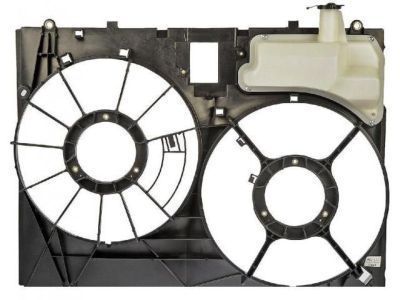
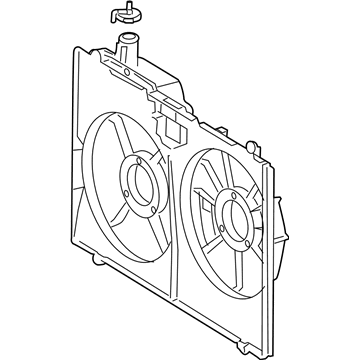
Toyota Shroud, Front Part Number: 16711-0P120
$133.70 MSRP: $189.27You Save: $55.57 (30%)Ships in 1-3 Business DaysProduct Specifications- Other Name: Shroud, Fan; Engine Cooling Fan Shroud, Front; Cooling Fan Assembly; Fan Shroud
- Position: Front
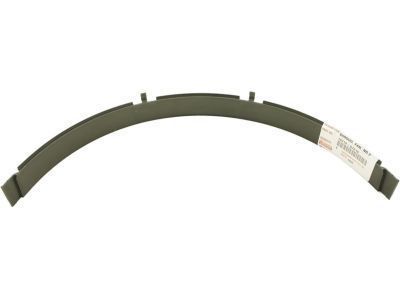
Toyota Shield Part Number: 16712-07010
$33.93 MSRP: $47.22You Save: $13.29 (29%)Ships in 1-2 Business DaysProduct Specifications- Other Name: Shroud, Fan; Engine Cooling Fan Shroud Seal; Shroud Sub-Assembly, Fan; Fan Shroud
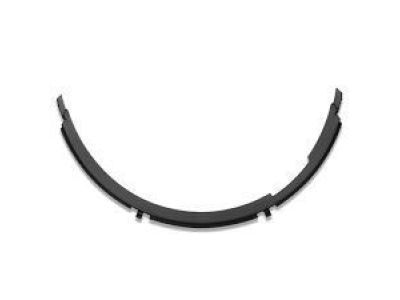

Toyota Shield, Front Lower Part Number: 16712-0F020
$81.16 MSRP: $113.92You Save: $32.76 (29%)Ships in 1-3 Business DaysProduct Specifications- Other Name: Shroud, Fan; Engine Cooling Fan Shroud, Front Lower; Fan Shroud
- Position: Front Lower
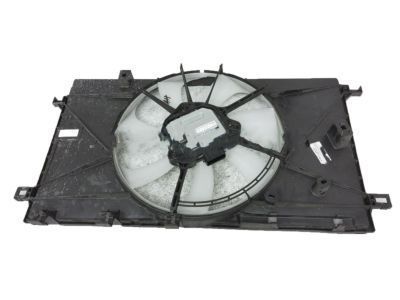
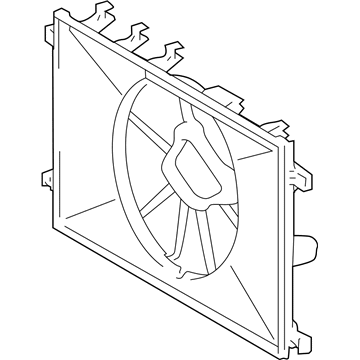
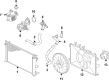
Toyota Fan Shroud, Front Part Number: 16711-F2010
$112.68 MSRP: $158.16You Save: $45.48 (29%)Ships in 1-3 Business DaysProduct Specifications- Other Name: Shroud, Fan; Engine Cooling Fan Shroud, Front; Cooling Fan Assembly
- Position: Front
- Replaces: 16711-24130
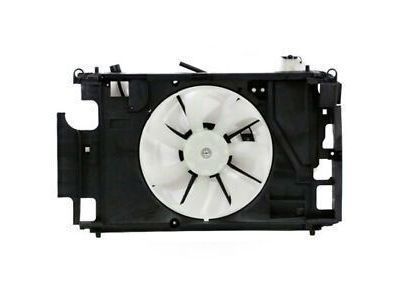
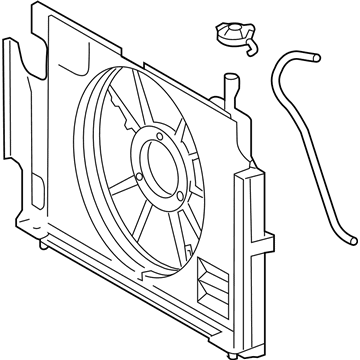
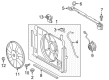
Toyota Fan Shroud, Front Part Number: 16711-21160
$118.08 MSRP: $167.15You Save: $49.07 (30%)Ships in 1-3 Business DaysProduct Specifications- Other Name: Shroud, Fan; Engine Cooling Fan Shroud, Front; Cooling Fan Assembly
- Position: Front
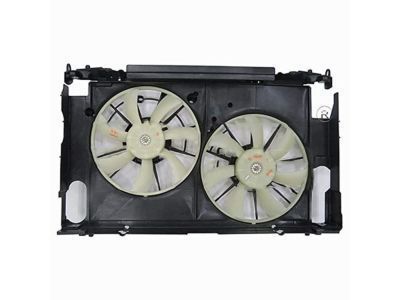
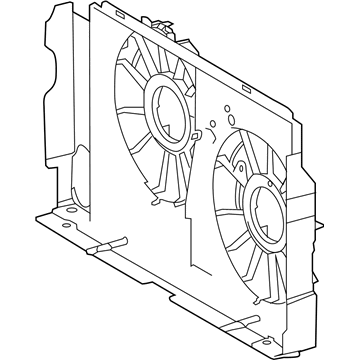
Toyota Fan Shroud, Lower Part Number: 16711-0V211
$121.72 MSRP: $172.31You Save: $50.59 (30%)Ships in 1-2 Business DaysProduct Specifications- Other Name: Shroud, Fan; Engine Cooling Fan Shroud, Lower; Cooling Fan Assembly; Cooling Shroud
- Position: Lower
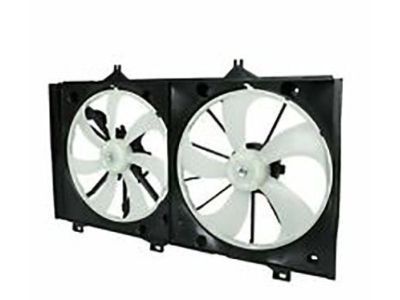
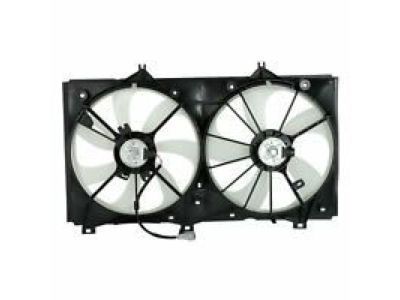
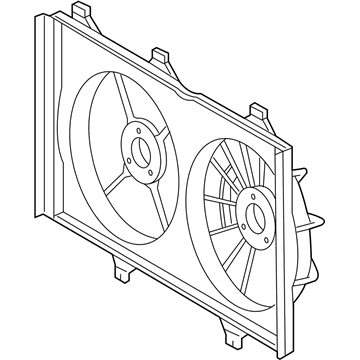
Toyota Fan Shroud Part Number: 16711-0P240
$121.72 MSRP: $172.31You Save: $50.59 (30%)Ships in 1-3 Business DaysProduct Specifications- Other Name: Shroud, Fan; Engine Cooling Fan Shroud; Cooling Fan Assembly
- Manufacturer Note: TOWING PACKAGE-5000LBS
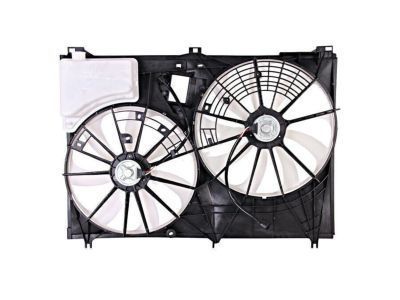
Toyota Fan Shroud Part Number: 16711-0P230
$121.72 MSRP: $172.31You Save: $50.59 (30%)Ships in 1-3 Business DaysProduct Specifications- Other Name: Shroud, Fan; Engine Cooling Fan Shroud; Cooling Fan Assembly
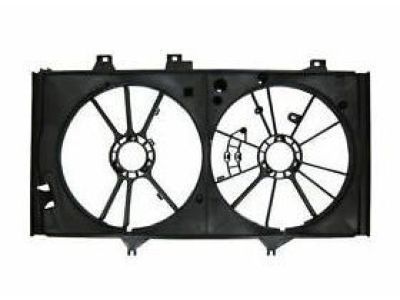
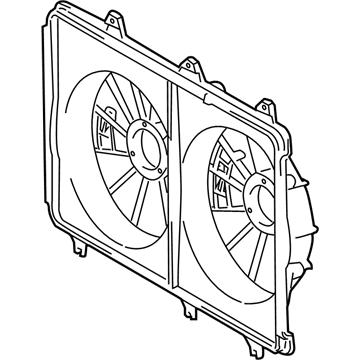
Toyota Fan Shroud Part Number: 16711-0V070
$121.95 MSRP: $172.64You Save: $50.69 (30%)Ships in 1-3 Business DaysProduct Specifications- Other Name: Shroud, Fan; Engine Cooling Fan Shroud; Shroud
- Manufacturer Note: TOWING PACKAGE-3500LBS
| Page 1 of 15 |Next >
1-20 of 284 Results
Toyota Fan Shroud
OEM parts deliver unmatched quality you can rely on. They pass extensive quality control inspections. Toyota produces them to the official factory specifications. This process helps prevent defects and imperfections. So you can get exceptional lifespan and a flawless fit. Need new OEM Toyota Fan Shroud? You'll love our wide selection of genuine options. Shop in minutes and skip the hunt. Our prices are unbeatable, you'll save time and money. It's easy to shop and find the right piece. Our committed customer service team gives professional help from start to finish. Every part includes a manufacturer's warranty. We ship quickly, your parts will arrive fast at your door.
Toyota Fan Shroud is applied to push fresh air past the radiator to ensure that the engine remains cool even when the vehicle snarls in the summer traffic. Toyota, based in Japan, was established in 1937 and has been able to attract a fraternity of fans with its ability to combine clever production that eliminates waste with continuous quality inspections, resulting in drivers with reliable cars that will not give up. The recent developments such as the TNGA platform enhance handling and crash protection and the new Hybrid Synergy Drive expands electric reach on vehicles such as the 2024 RAV4 Plug-in Hybrid which proves that the company still knows how to combine efficiency and fun in its models. Since such vehicles can cover a lot of miles, cooling components should work perfectly. The Toyota Fan Shroud is a kind of a molded shroud which fits around the fan opening forcing air to pass directly through the radiator to enhance a more intense heat exchange and a more consistent engine temperature. The project of installing a Toyota Fan Shroud requires minimum tools and about one hour at home. Turn off the engine, remove the negative battery cable, and pull aside guards or hoses. Unscrew bolts and clips, and pull the old shroud over the blades, and match it to the new one. Install lower replacement Toyota Fan Shroud, positioning tabs and fasteners. Install hoses, reconnect battery, rotate fan manually to confirm clearance, start engine and observe constant airflow without any rubbing.
Related Toyota Parts
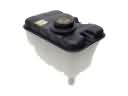 Toyota Coolant Reservoir
 Toyota Engine Oil Cooler
 Toyota Fan Clutch
 Toyota Fan Motor
 Toyota Radiator Hose
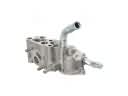 Toyota Thermostat Housing
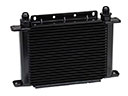 Toyota Transmission Oil Cooler
 Toyota Water Pump Pulley
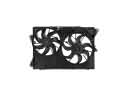 Toyota Cooling Fan Assembly
 Toyota Fan Blade
 Toyota Thermostat Gasket
 Toyota Water Hose
Browse Toyota Fan Shroud by Models
Tacoma 4Runner Camry Tundra Corolla RAV4 Highlander Prius Sienna Land Cruiser Pickup FJ Cruiser 86 Sequoia T100 Avalon Celica Supra Yaris Matrix MR2 Solara Venza GR86 Echo C-HR Cressida Paseo Previa Prius C Prius Prime Corolla Cross Corolla iM GR Corolla Mirai MR2 Spyder Prius V Starlet Tercel Van Yaris iA Prius Plug-In GR Supra Prius AWD-e