×
ToyotaParts- Hello
- Login or Register
- Quick Links
- Live Chat
- Track Order
- Parts Availability
- RMA
- Help Center
- Contact Us
- Shop for
- Toyota Parts
- Scion Parts
My Garage
My Account
Cart
OEM Toyota Tacoma Seat Cushion
Seat Pad Cushion- Select Vehicle by Model
- Select Vehicle by VIN
Select Vehicle by Model
orMake
Model
Year
Select Vehicle by VIN
For the most accurate results, select vehicle by your VIN (Vehicle Identification Number).
48 Seat Cushions found
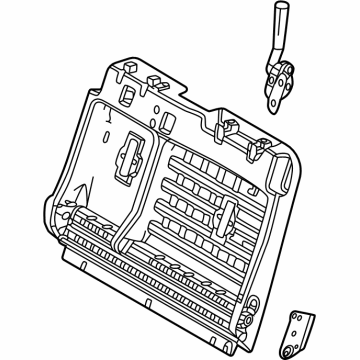
Toyota Tacoma Frame Assembly, Rear Side Seat, Driver Side Part Number: 71720-AK010
$392.47 MSRP: $575.17You Save: $182.70 (32%)Ships in 1-2 Business Days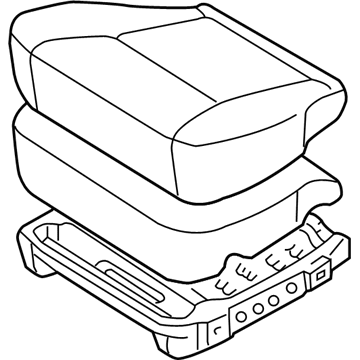
Toyota Tacoma Cushion Assembly, Passenger Side Part Number: 71410-0Y020-E0
$428.60 MSRP: $628.12You Save: $199.52 (32%)Ships in 1-3 Business Days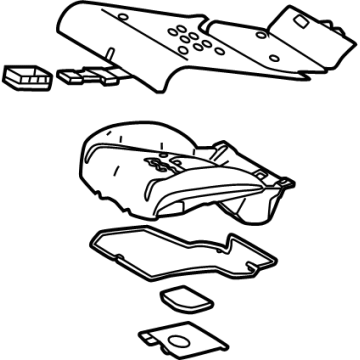
Toyota Tacoma Pad Sub-Assembly, Front Seat Cushion Part Number: 71502-AK030
$449.45 MSRP: $658.67You Save: $209.22 (32%)Ships in 1-2 Business Days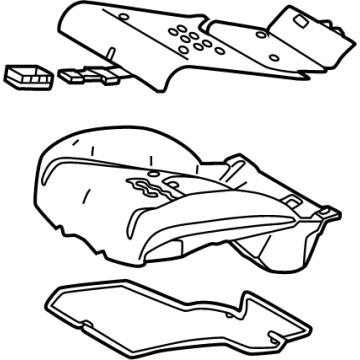
Toyota Tacoma Pad Sub-Assembly, Front Seat Cushion Part Number: 71501-AK030
$477.04 MSRP: $699.11You Save: $222.07 (32%)Ships in 1-2 Business Days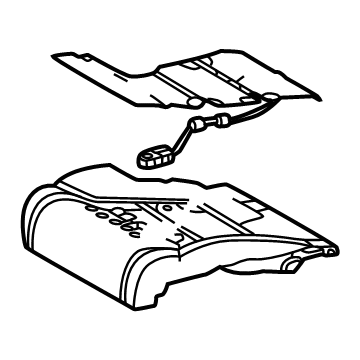
Toyota Tacoma Pad Sub-Assembly, Front Seat Cushion, Driver Side Part Number: 71502-AK010
$478.39 MSRP: $701.09You Save: $222.70 (32%)Ships in 1-2 Business Days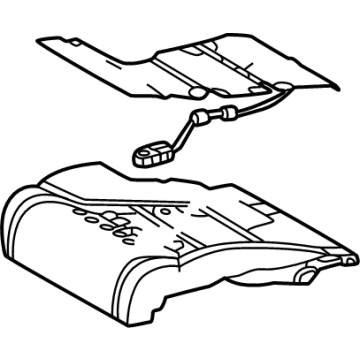
Toyota Tacoma Pad Sub-Assembly, Front Seat Cushion, Passenger Side Part Number: 71501-AK010
$478.39 MSRP: $701.09You Save: $222.70 (32%)Ships in 1-2 Business Days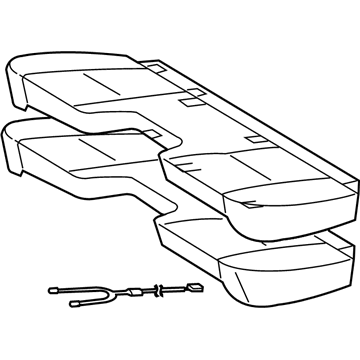
Toyota Tacoma Cushion Assembly, Front Part Number: 71002-04091-B0
$901.52 MSRP: $1321.19You Save: $419.67 (32%)Ships in 1-3 Business Days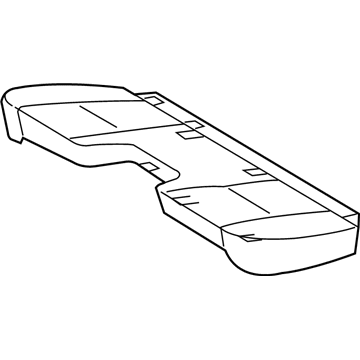
Toyota Tacoma Cushion Cover, Front Part Number: 71001-04692-B0
$980.52 MSRP: $1436.96You Save: $456.44 (32%)Ships in 1-3 Business Days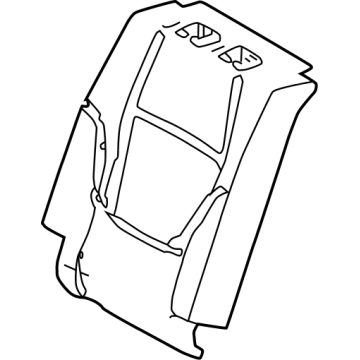
Toyota Tacoma Pad, Rear Seat Back, Passenger Side Part Number: 71651-AK010
$130.77 MSRP: $185.11You Save: $54.34 (30%)Ships in 1-2 Business Days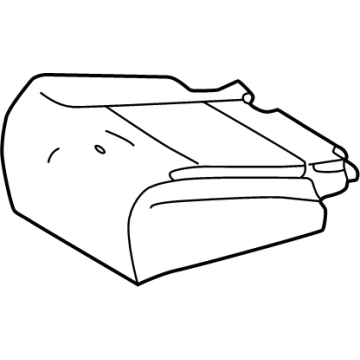
Toyota Tacoma Pad, Rear Seat Cushion Part Number: 71611-AK020
$138.40 MSRP: $195.93You Save: $57.53 (30%)Ships in 1-2 Business Days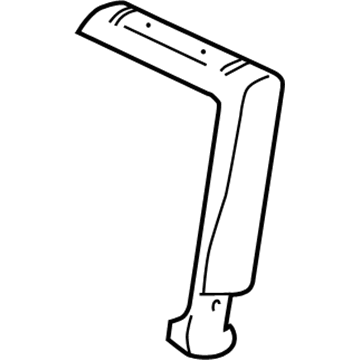
Toyota Tacoma Seat Cushion Pad, Driver Side Part Number: 71652-04010
$136.88 MSRP: $193.77You Save: $56.89 (30%)Ships in 1-3 Business DaysToyota Tacoma Pad, Rear Seat Cushion, Passenger Side Part Number: 71611-AK010
$156.50 MSRP: $221.54You Save: $65.04 (30%)Ships in 1-2 Business Days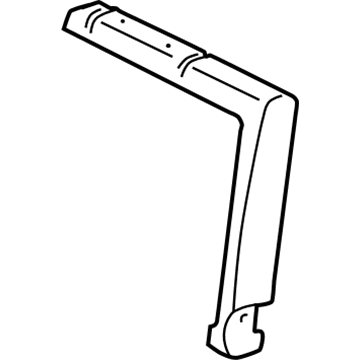
Toyota Tacoma Seat Cushion Pad, Passenger Side Part Number: 71651-04040
$154.72 MSRP: $219.03You Save: $64.31 (30%)Ships in 1-3 Business Days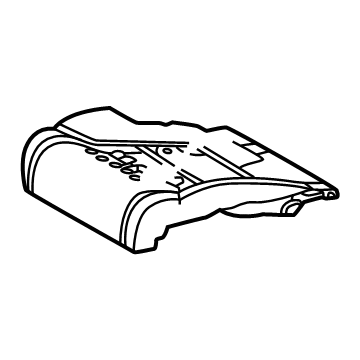
Toyota Tacoma Pad, Front Seat Cushion, Driver Side Part Number: 71512-AK050
$193.75 MSRP: $276.63You Save: $82.88 (30%)Ships in 1-2 Business Days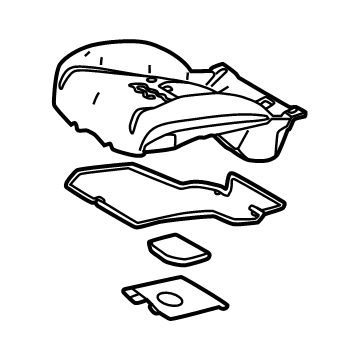
Toyota Tacoma Pad, Front Seat Cushion Part Number: 71512-AK040
$195.82 MSRP: $279.59You Save: $83.77 (30%)Ships in 1-2 Business DaysToyota Tacoma Pad, Front Seat Cushion, Driver Side Part Number: 71512-AK030
$195.82 MSRP: $279.59You Save: $83.77 (30%)Ships in 1-2 Business DaysToyota Tacoma Pad, Front Seat Cushion, Driver Side Part Number: 71512-AK010
$195.82 MSRP: $279.59You Save: $83.77 (30%)Ships in 1-2 Business Days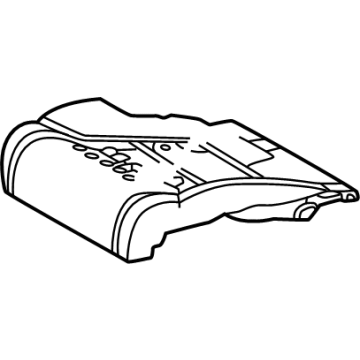
Toyota Tacoma Pad, Front Seat Cushion, Passenger Side Part Number: 71511-AK050
$195.82 MSRP: $279.59You Save: $83.77 (30%)Ships in 1-2 Business Days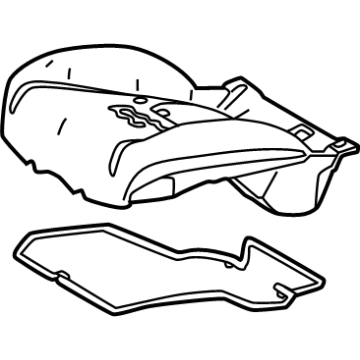
Toyota Tacoma Pad, Front Seat Cushion Part Number: 71511-AK040
$193.75 MSRP: $276.63You Save: $82.88 (30%)Ships in 1-2 Business Days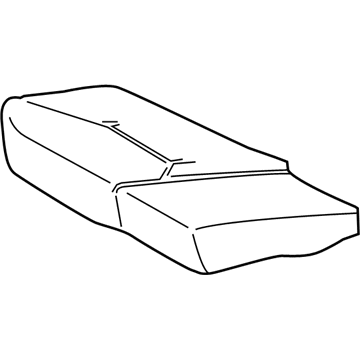
Toyota Tacoma Seat Cushion Pad, Driver Side Part Number: 71612-04060
$163.90 MSRP: $232.02You Save: $68.12 (30%)
| Page 1 of 3 |Next >
1-20 of 48 Results
Toyota Tacoma Seat Cushion
Choose genuine Seat Cushion that pass strict quality control tests. You can trust the top quality and lasting durability. Shopping for OEM Seat Cushion for your Toyota Tacoma? Our website is your one-stop destination. We stock an extensive selection of genuine Toyota Tacoma parts. The price is affordable so you can save more. It only takes minutes to browse and find the exact fit. Easily add to cart and check out fast. Our hassle-free return policy will keep you stress-free. We process orders quickly for swift delivery. Your parts will arrive faster, so you can get back on the road sooner.
The Toyota Tacoma Seat Cushion is an part that takes into account the comfort of driving in different models of Tacoma vehicles and which are considered very reliable and performing. This Seat Cushion is responsive to difficulties like lack of support and shoddiness while driving for hours and which may cause either backaches or tiredness. For the Tacoma Seat Cushion, Toyota has used fabrics whereby the beaded and sheepskin types have different characteristics. The Seat Cushion decorated with beads allows fresh air to flow freely and creates a shiatsu-stimulating effect to keep the driver in a state of comfort and coolness, on the other hand, sheepskin improves the temperature and moisture of various types of climate. The Toyota Tacoma is a pickup vehicle that has been on the road since 1995 and is compatible with multiple generations which means that the Seat Cushion becomes the perfect boost to give efficiency and safety. Hailed as a comfortable seat cushion, Tacoma Seat Cushion also enhances posture; thereby increasing safety among drivers. The Toyota Tacoma model has continually been recommended for many accolades such as Motor Trend's Truck of the Year and IIHS's Top Safety Pick to mention but a few affirming its place in the market. The Toyota Tacoma Seat Cushion can be acclaimed for its intelligently produced design and use, which render this particular part quite indispensable for any owner of Toyota Tacoma looking to increase the level of comfort while driving and better overall vehicle performance.
Toyota Tacoma Seat Cushion Parts and Q&A
- Q:What are the inspection and diagnostic procedures for the Front Seat Cushion Assembly and Occupant Classification System after a collision on Toyota Tacoma?A:A direct assessment must be conducted on the Front Seat Cushion Assembly (w/ Occupant Classification ECU, Occupant Classification Sensor). Check the diagnostic system of the Occupant Classification System when inspecting non-collison-involved vehicles with Bench Seat Type. The Occupant Classification System (for Bench Seat Type) requires diagnostic system checks in all vehicles that experienced a collision. Additionally, inspect the seat position sensor even if the Air Bags did not deploy. The replacement of the seat position sensor requires using a new unit when defects such as housing cracks and connector damage become present. Use proper removal and installation methods while working on this task.
- Q:How to service the front seat cushion assembly with the occupant classification ECU and sensor on Toyota Tacoma?A:The procedure to access the occupant classification ECU and sensor inside the front seat cushion starts with disconnecting the negative battery cable for ninety seconds to avoid triggering Air Bags. The service requires removal of front seat inner belt assemblies (LH and RH), front seat assembly, occupant classification ECU and front seat hinge covers (LH and RH), front seatback assembly, along with front seat track lower brackets (both front and rear, LH and RH). After disconnection of the front seat outer track assemblies (LH and RH), the front seat cushion spring assembly technicians must remove the occupant classification sensor by unplugging its connector then removing the wiring harness clamp and separating clamps from the seat cushion frame and lastly disengaging two clips. New replacement components from service kits should be utilized for installation while the seat occupant sensor needs to come from undamaged sources to prevent accidents. When issues exist with the sensor it needs to be replaced. Install the occupant classification sensor with the two clips, engage the clamps to the seat cushion frame, and secure the wiring harness clamp at marked portions A and B. Connect the sensor's connector, then install the front seat cushion spring assembly, outer track assemblies (LH and RH), lower rear brackets (LH and RH), lower front brackets (LH and RH), the occupant classification ECU, the front seatback assembly, hinge covers (LH and RH), the front seat assembly, and the front seat headrest assembly. Connect the negative battery cable before reinstalling the front seat inner belt assemblies (LH and RH) while torquing the connection to 3.9 N.m (40 kgf.cm, 35 in.lbf). Zero point calibration along with sensitivity checks needs to be performed while inspecting the SRS warning light.
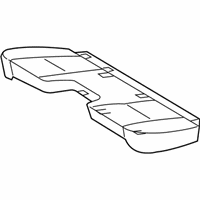
Related Toyota Tacoma Parts
 Toyota Tacoma Seat Covers
 Toyota Tacoma Hood
 Toyota Tacoma Cup Holder
 Toyota Tacoma Armrest
 Toyota Tacoma Door Latch Assembly
 Toyota Tacoma Instrument Cluster
 Toyota Tacoma Tailgate Handle
 Toyota Tacoma Seat Heater Switch
 Toyota Tacoma A/C Switch
 Toyota Tacoma Seat Heater
 Toyota Tacoma Seat Switch
 Toyota Tacoma Wheelhouse