×
ToyotaParts- Hello
- Login or Register
- Quick Links
- Live Chat
- Track Order
- Parts Availability
- RMA
- Help Center
- Contact Us
- Shop for
- Toyota Parts
- Scion Parts
My Garage
My Account
Cart
OEM Toyota Celica Power Steering Cooler
- Select Vehicle by Model
- Select Vehicle by VIN
Select Vehicle by Model
orMake
Model
Year
Select Vehicle by VIN
For the most accurate results, select vehicle by your VIN (Vehicle Identification Number).
6 Power Steering Coolers found
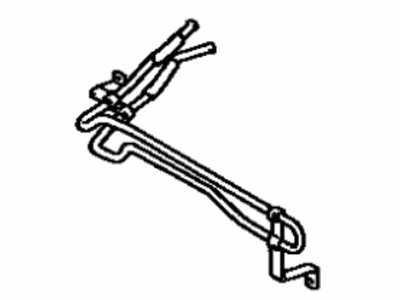
Toyota Celica Power Steering Cooler Part Number: 44402-20330
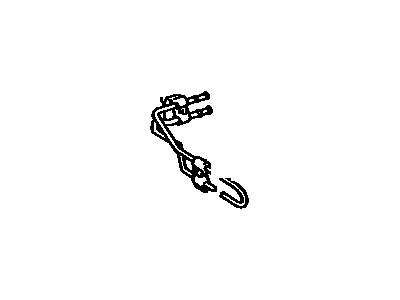
Toyota Celica Oil Cooler Part Number: 44402-20210
Toyota Celica Oil Cooler Part Number: 44402-20110
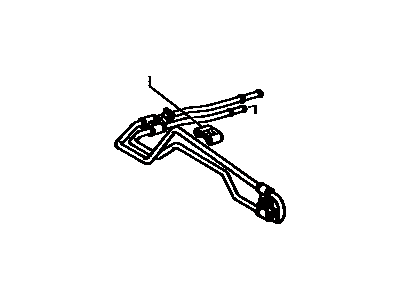
Toyota Celica Oil Cooler Part Number: 44402-14060
Toyota Celica Oil Cooler Part Number: 44402-20180
Toyota Celica Power Steering Cooler Part Number: 44402-20420
Toyota Celica Power Steering Cooler
Choose genuine Power Steering Cooler that pass strict quality control tests. You can trust the top quality and lasting durability. Shopping for OEM Power Steering Cooler for your Toyota Celica? Our website is your one-stop destination. We stock an extensive selection of genuine Toyota Celica parts. The price is affordable so you can save more. It only takes minutes to browse and find the exact fit. Easily add to cart and check out fast. Our hassle-free return policy will keep you stress-free. We process orders quickly for swift delivery. Your parts will arrive faster, so you can get back on the road sooner.
The Toyota Celica Power Steering Cooler helps reduce power steering fluid temperature for more consistent steering performance. This Power Steering Cooler has kept the Toyota Celica fun and affordable over the decades whether in early 1.6 liter originals or later 20R powered versions. The Celica was designed with stiffer suspensions on GTV trims and fortified safety bumpers after 1975. This indicated to interested buyers that it was possible for Toyota to package an everyday driver with a truckload of reliability and real excitement. That is to say, the Celica offered the driver sports car feel without compromising daily comfort and fuel consumption. In order to preserve the lively handling experience, the Power Steering Cooler found on several Celica models acts as a tiny heat exchanger. Its finned tubes sit at the front of the radiator, capturing ambient air to draw heat away from the hydraulic fluid before it returns to the pump. The Power Steering Cooler lowers temperatures to protect pumps, racks and seals from thermal stress, preventing fade and ensuring easy steering effort on long drives or spirited runs through the mountains. A simple construction means no moving parts, just durable aluminum passages that do their job quietly mile after mile, bolstering Toyota's durability reputation. Firstly, mount the cooler ahead of the radiator. Route the return hose to the power steering pump and clamp the hose tightly. Top off the fluid and bleed the system. Finally, check for leaks.
Related Toyota Celica Parts
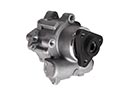 Toyota Celica Power Steering Pump
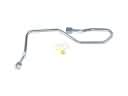 Toyota Celica Power Steering Hose
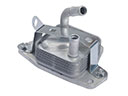 Toyota Celica Engine Oil Cooler
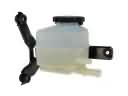 Toyota Celica Power Steering Reservoir
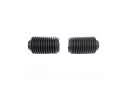 Toyota Celica Rack And Pinion
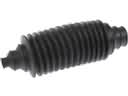 Toyota Celica Rack and Pinion Boot
 Toyota Celica Steering Column
 Toyota Celica Steering Gear Box
 Toyota Celica Steering Shaft
 Toyota Celica Tie Rod End
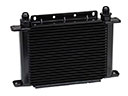 Toyota Celica Transmission Oil Cooler
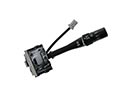 Toyota Celica Windshield Wiper Switch