×
ToyotaParts- Hello
- Login or Register
- Quick Links
- Live Chat
- Track Order
- Parts Availability
- RMA
- Help Center
- Contact Us
- Shop for
- Toyota Parts
- Scion Parts
My Garage
My Account
Cart
OEM Toyota 4Runner Catalytic Converter
Cat. Converter- Select Vehicle by Model
- Select Vehicle by VIN
Select Vehicle by Model
orMake
Model
Year
Select Vehicle by VIN
For the most accurate results, select vehicle by your VIN (Vehicle Identification Number).
30 Catalytic Converters found
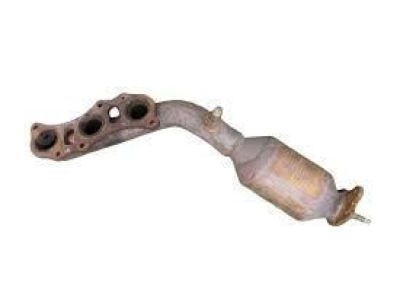
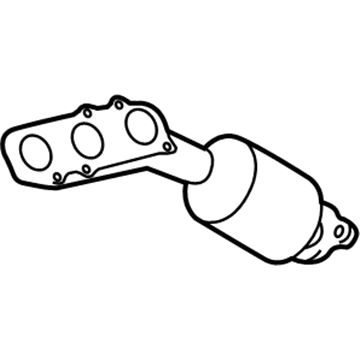
Toyota 4Runner Exhaust Manifold, Passenger Side Part Number: 17140-31250
$706.41 MSRP: $1035.26You Save: $328.85 (32%)Ships in 1-3 Business Days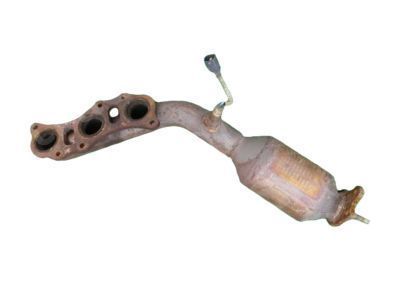
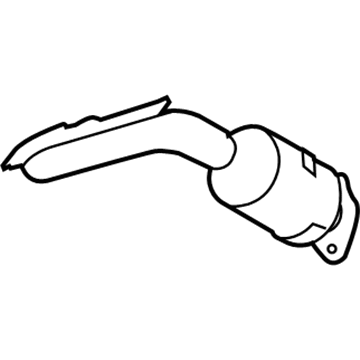
Toyota 4Runner Exhaust Manifold, Driver Side Part Number: 17150-31250
$650.57 MSRP: $953.42You Save: $302.85 (32%)Ships in 1-3 Business Days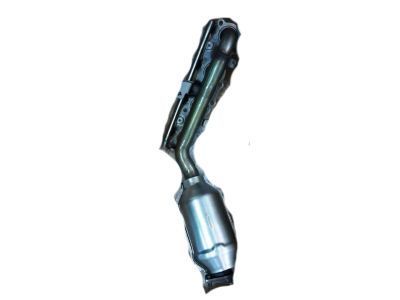
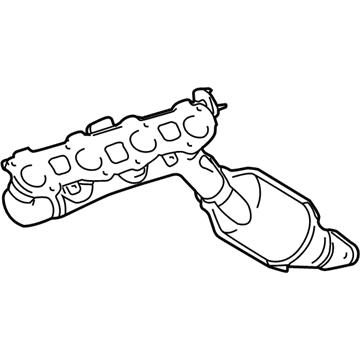
Toyota 4Runner Manifold, Exhaust, Driver Side Part Number: 17150-50050
$737.06 MSRP: $1080.17You Save: $343.11 (32%)Ships in 1-2 Business Days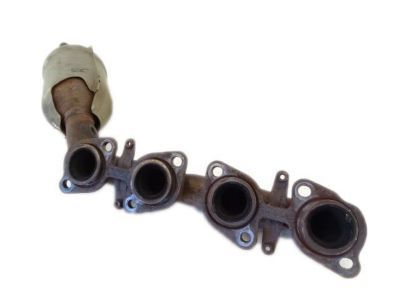
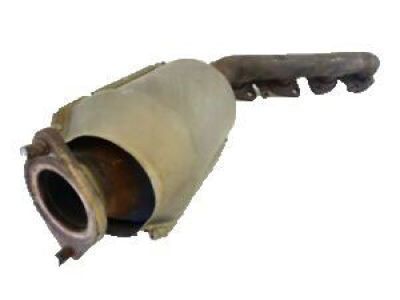
Toyota 4Runner Manifold Sub-Assembly, Exhaust, Passenger Side Part Number: 17104-50180
$652.50 MSRP: $956.25You Save: $303.75 (32%)Ships in 1-3 Business Days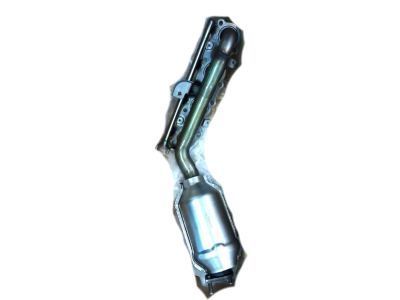
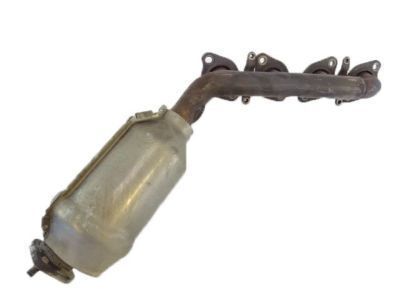
Toyota 4Runner Manifold Sub-Assembly, Exhaust, Passenger Side Part Number: 17140-50060
$797.55 MSRP: $1168.82You Save: $371.27 (32%)Ships in 1 Business Day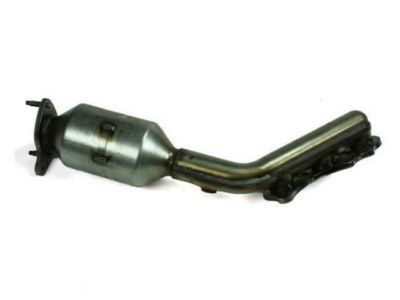
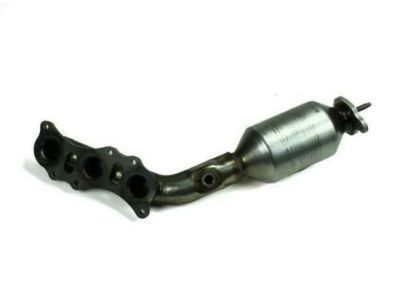
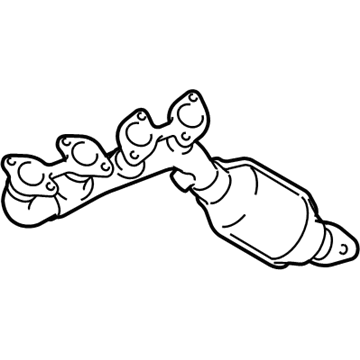
Toyota 4Runner Exhaust Manifold, Driver Side Part Number: 17150-31011
$629.91 MSRP: $923.15You Save: $293.24 (32%)Ships in 1-3 Business Days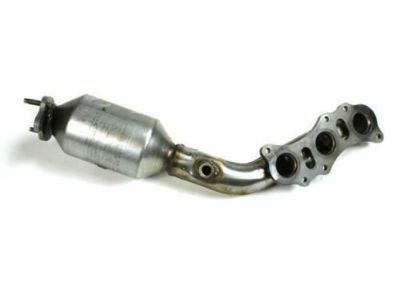
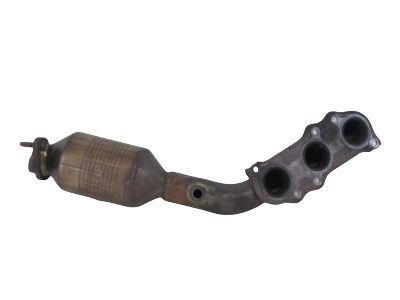
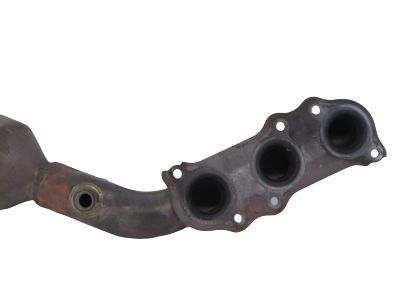
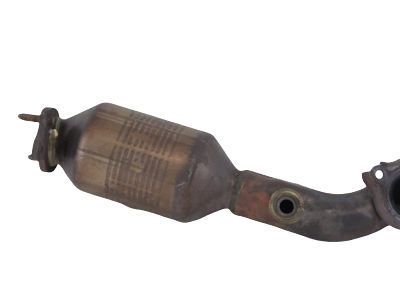
Toyota 4Runner Exhaust Manifold, Passenger Side Part Number: 17140-31011
$629.91 MSRP: $923.15You Save: $293.24 (32%)Ships in 1-2 Business Days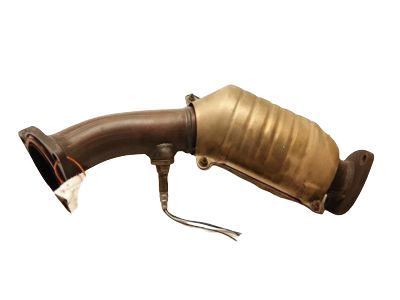
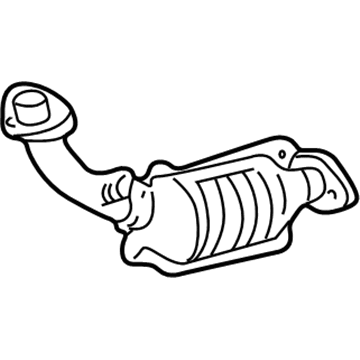
Toyota 4Runner Front Pipe Part Number: 17410-62130
$1228.51 MSRP: $1649.02You Save: $420.51 (26%)Ships in 1-3 Business Days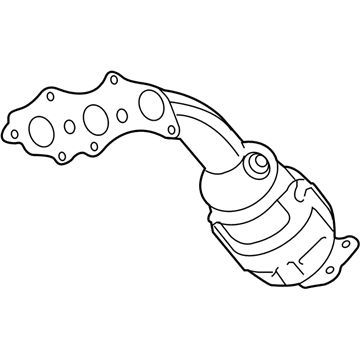
Toyota 4Runner Exhaust Manifold, Passenger Side Part Number: 17140-31D40
$478.96 MSRP: $701.92You Save: $222.96 (32%)Ships in 1-3 Business Days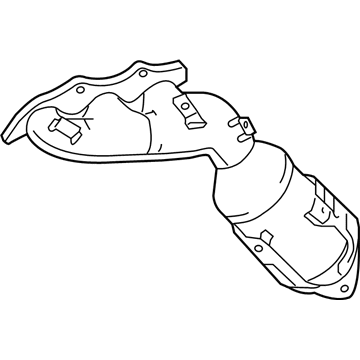
Toyota 4Runner Exhaust Manifold, Driver Side Part Number: 17150-31610
$536.62 MSRP: $786.42You Save: $249.80 (32%)Ships in 1-3 Business DaysToyota 4Runner Exhaust Manifold, Passenger Side Part Number: 17140-31610
$580.20 MSRP: $850.29You Save: $270.09 (32%)Ships in 1-3 Business Days
Toyota 4Runner Exhaust Manifold, Driver Side Part Number: 17150-31590
$632.41 MSRP: $926.81You Save: $294.40 (32%)Ships in 1-3 Business Days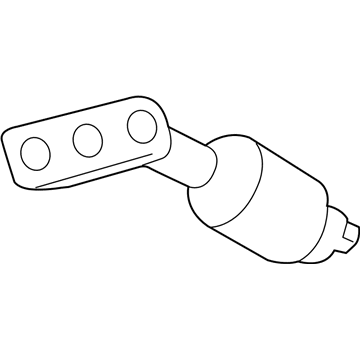
Toyota 4Runner Exhaust Manifold, Passenger Side Part Number: 17140-31590
$635.36 MSRP: $931.13You Save: $295.77 (32%)Ships in 1-3 Business DaysToyota 4Runner Exhaust Manifold, Driver Side Part Number: 17150-31D40
$809.92 MSRP: $1186.95You Save: $377.03 (32%)Ships in 1-3 Business Days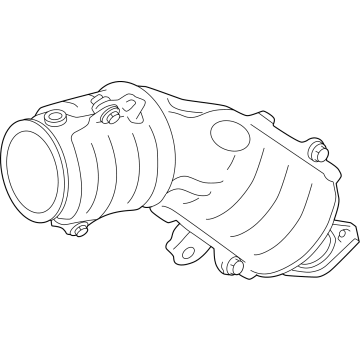
Toyota 4Runner Converter Assembly, W/Catalyst Part Number: 17400-F0040
$1824.05 MSRP: $2673.16You Save: $849.11 (32%)Ships in 1-2 Business Days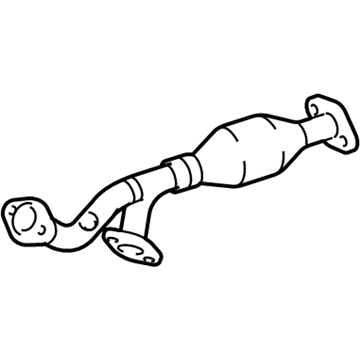
Toyota 4Runner Catalytic Converter, Front Part Number: 17410-50360
$1440.30 MSRP: $1933.31You Save: $493.01 (26%)Ships in 1-3 Business Days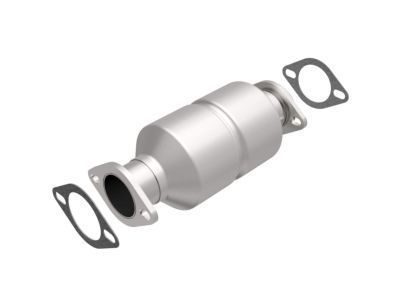
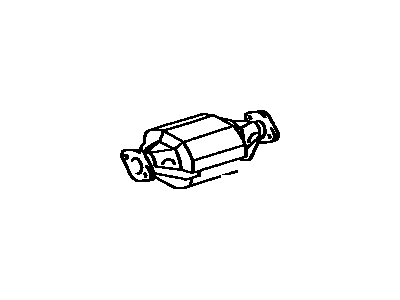
Toyota 4Runner Catalytic Converter Part Number: 18450-76060
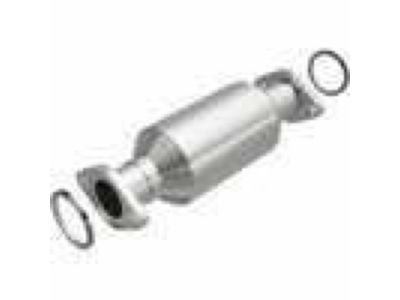
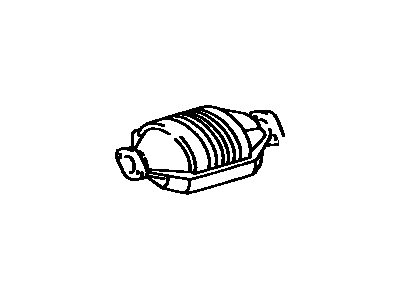
Toyota 4Runner Catalytic Converter Part Number: 18450-35130
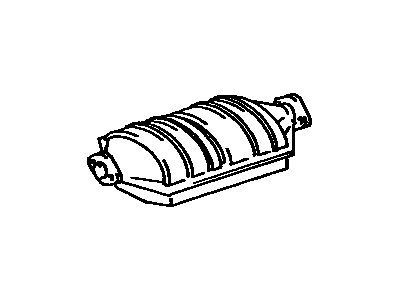
Toyota 4Runner Catalytic Converter Part Number: 18450-35160
Toyota 4Runner Catalytic Converter Part Number: 17400-38070
| Page 1 of 2 |Next >
1-20 of 30 Results
Toyota 4Runner Catalytic Converter
Choose genuine Catalytic Converter that pass strict quality control tests. You can trust the top quality and lasting durability. Shopping for OEM Catalytic Converter for your Toyota 4Runner? Our website is your one-stop destination. We stock an extensive selection of genuine Toyota 4Runner parts. The price is affordable so you can save more. It only takes minutes to browse and find the exact fit. Easily add to cart and check out fast. Our hassle-free return policy will keep you stress-free. We process orders quickly for swift delivery. Your parts will arrive faster, so you can get back on the road sooner.
Toyota 4Runner Catalytic Converter is in the core of one of the most famous SUVs with its rough reliable character and trail ready attitude. The 4Runner has body on frame strength, large ground clearance and part time four wheel drive system that allows the driver to navigate around sand, snow and steep rocks. Spacious seats, power rear window, and generous cargo area help in making the daily life simple, whereas the Toyota safety technology pack offers the added comfort. The fact that the Toyota is able to retain its value and its V6 engine offers a smooth and yet not thirsty performance even in long trips also pleases its owners. The 4Runner has a well-designed Catalytic Converter that ensures that those strengths are clean and legal on the road. The Catalytic Converter has a platinum, palladium and rhodium coating that accelerates chemical reactions that convert carbon monoxide, unburned fuel and nitrogen oxides into carbon dioxide, water vapor and nitrogen which are harmless. This procedure reduces tailpipe emissions, assists the 4Runner in passing through the emissions legislation, and eliminates the creation of engine alerts. A healthy Catalytic Converter also ensures equilibrium in the flow of exhaust to allow the engine to breathe and to be economical in the use of fuel. Changing the unit requires only simple tools, allowing the exhaust to cool, and disconnecting the battery, putting the 4Runner on stable rests, dismounting the oxygen sensors and bolts, sliding in the new converter with new gaskets, and tightening everything, reconnecting the sensors, and finally lowering the Toyota and checking it for leaks.
Related Toyota 4Runner Parts
 Toyota 4Runner Exhaust Manifold
 Toyota 4Runner Muffler
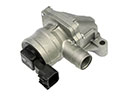 Toyota 4Runner Air Pump Check Valve
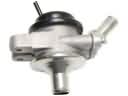 Toyota 4Runner Diverter Valve
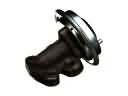 Toyota 4Runner EGR Valve
 Toyota 4Runner EGR Valve Gasket
 Toyota 4Runner Exhaust Flange Gasket
 Toyota 4Runner Exhaust Hanger
 Toyota 4Runner Exhaust Heat Shield
 Toyota 4Runner Exhaust Manifold Gasket
 Toyota 4Runner Exhaust Pipe
 Toyota 4Runner Tail Pipe