×
ToyotaParts- Hello
- Login or Register
- Quick Links
- Live Chat
- Track Order
- Parts Availability
- RMA
- Help Center
- Contact Us
- Shop for
- Toyota Parts
- Scion Parts
My Garage
My Account
Cart
OEM Toyota 4Runner Air Intake Hose
Engine Air Intake Hoses- Select Vehicle by Model
- Select Vehicle by VIN
Select Vehicle by Model
orMake
Model
Year
Select Vehicle by VIN
For the most accurate results, select vehicle by your VIN (Vehicle Identification Number).
12 Air Intake Hoses found
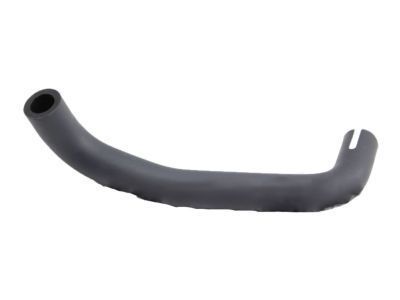
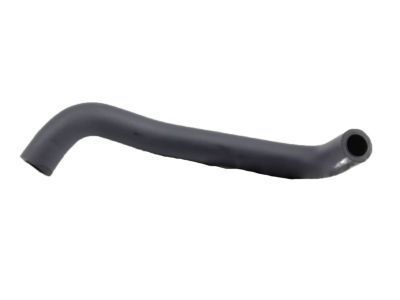
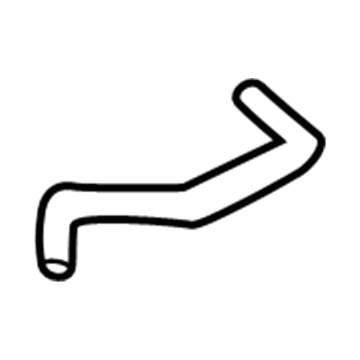
Toyota 4Runner Air Hose Part Number: 17343-75010
$34.64 MSRP: $48.22You Save: $13.58 (29%)Ships in 1-2 Business Days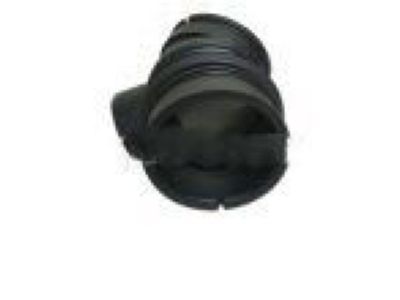
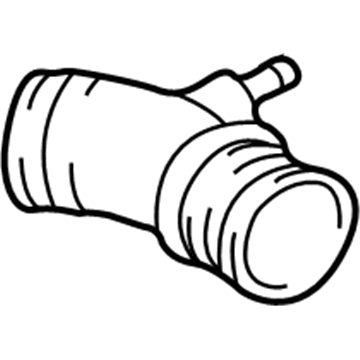
Toyota 4Runner Air Hose Part Number: 17882-62020
$73.46 MSRP: $103.11You Save: $29.65 (29%)Ships in 1-3 Business Days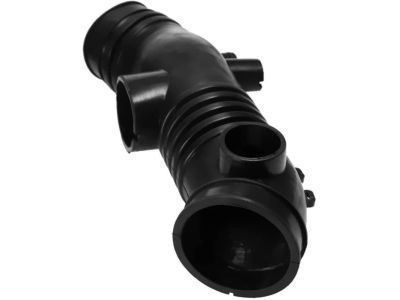
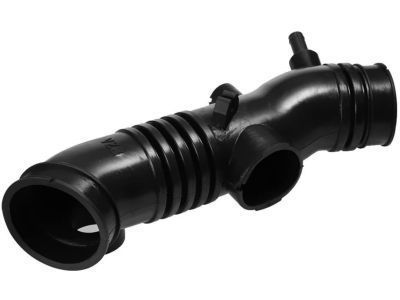
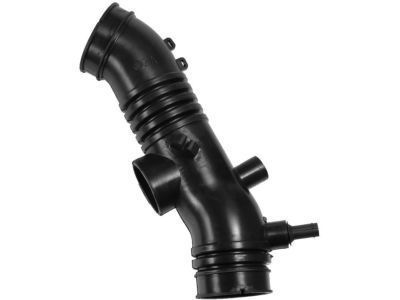
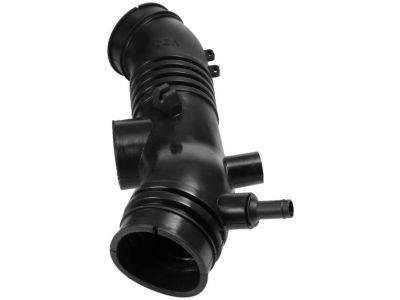
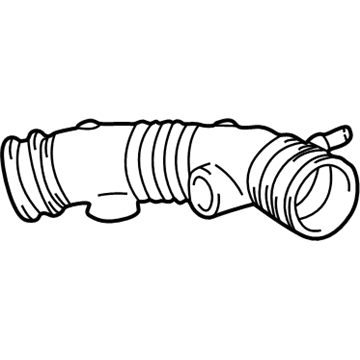
Toyota 4Runner Air Hose Part Number: 17881-62091
$176.24 MSRP: $249.49You Save: $73.25 (30%)Ships in 1-2 Business Days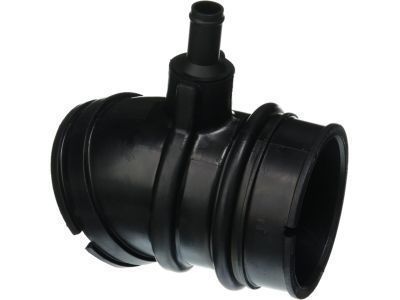
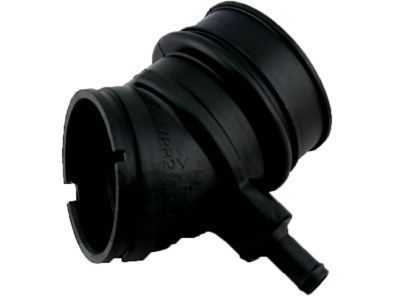
Toyota 4Runner Air Hose Part Number: 17882-62010
$75.83 MSRP: $106.44You Save: $30.61 (29%)Ships in 1-3 Business Days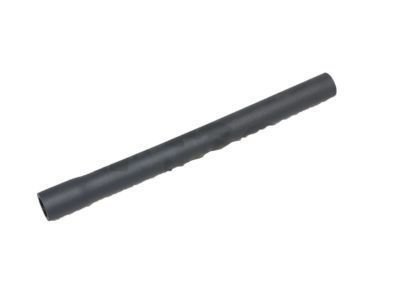
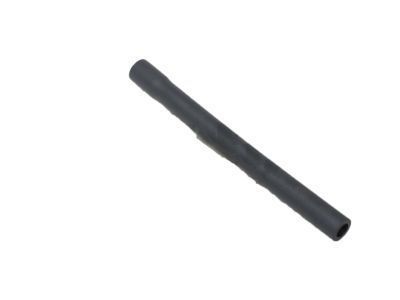
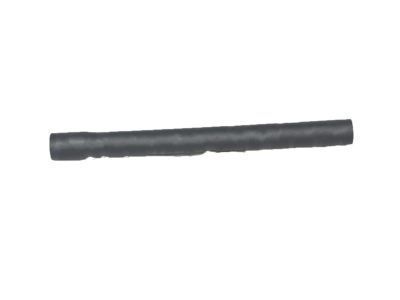
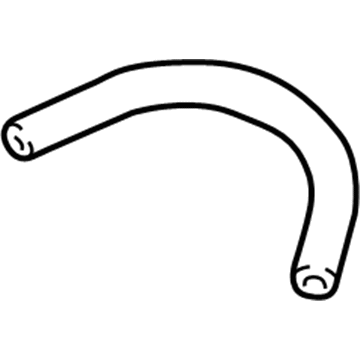
Toyota 4Runner Air Hose Part Number: 12261-62050
$20.78 MSRP: $28.93You Save: $8.15 (29%)Ships in 1-2 Business Days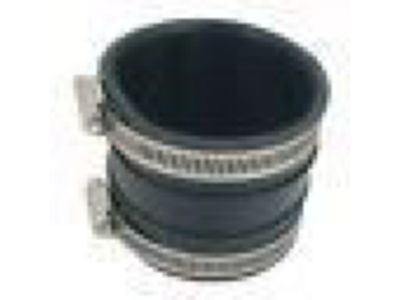
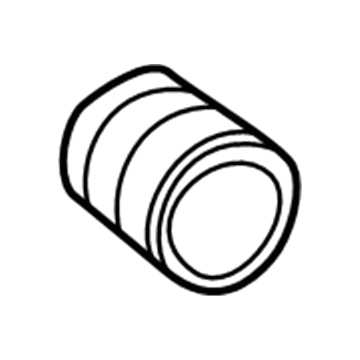
Toyota 4Runner Connector Hose Part Number: 17882-75040
$39.42 MSRP: $54.87You Save: $15.45 (29%)Ships in 1-3 Business Days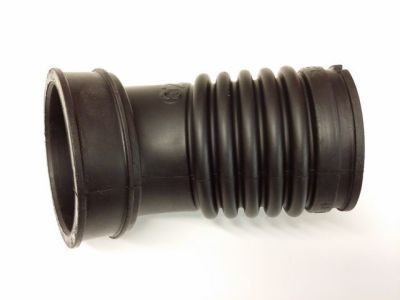
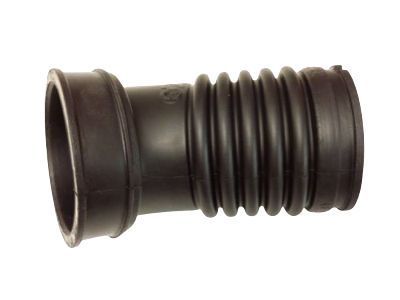
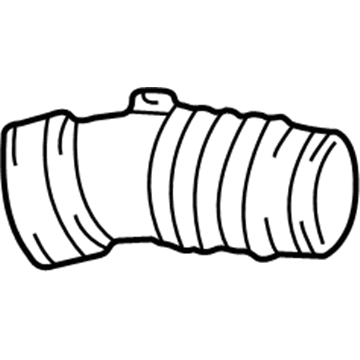
Toyota 4Runner Air Hose Part Number: 17881-62150
$86.49 MSRP: $121.41You Save: $34.92 (29%)Ships in 1-3 Business Days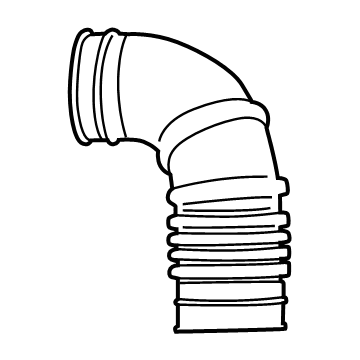
Toyota 4Runner Hose, Air Cleaner Part Number: 17881-25090
$98.34 MSRP: $138.04You Save: $39.70 (29%)Ships in 1-2 Business Days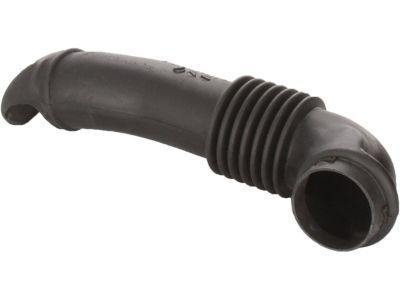
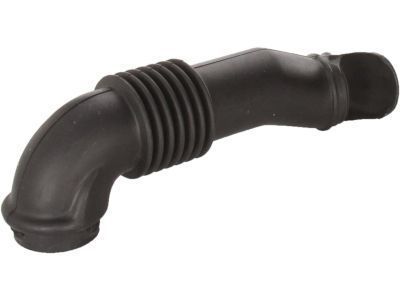
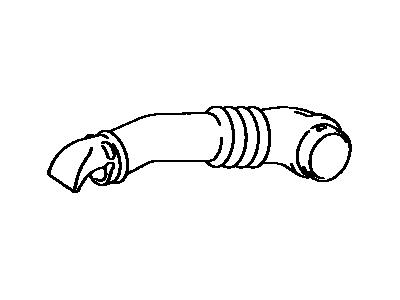
Toyota 4Runner Air Inlet Hose Part Number: 17882-89107
$62.44 MSRP: $87.64You Save: $25.20 (29%)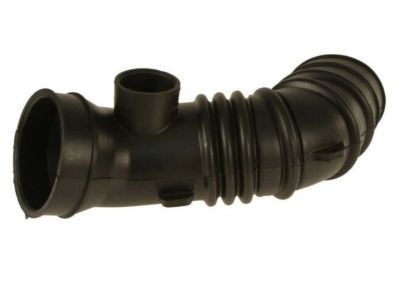
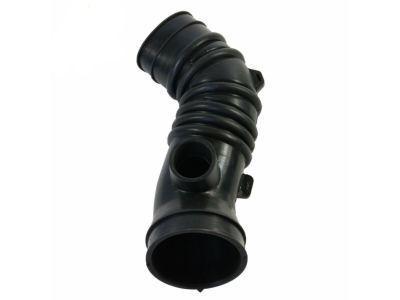
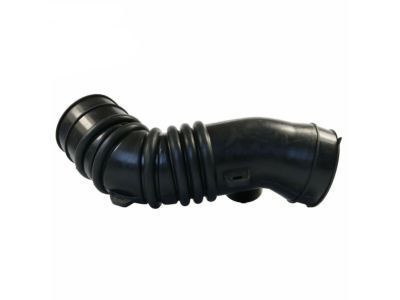
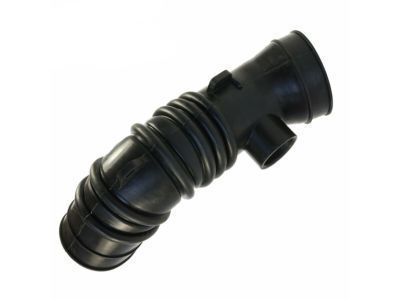
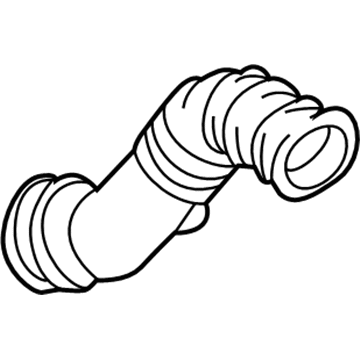
Toyota 4Runner Air Hose Part Number: 17881-0C010
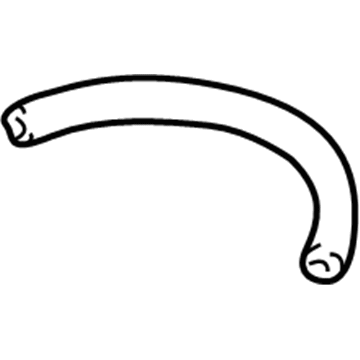
Toyota 4Runner Air Hose Part Number: 90445-18148
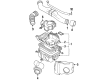
Toyota 4Runner Air Inlet Hose Part Number: 17882-89116
Toyota 4Runner Air Intake Hose
Choose genuine Air Intake Hose that pass strict quality control tests. You can trust the top quality and lasting durability. Shopping for OEM Air Intake Hose for your Toyota 4Runner? Our website is your one-stop destination. We stock an extensive selection of genuine Toyota 4Runner parts. The price is affordable so you can save more. It only takes minutes to browse and find the exact fit. Easily add to cart and check out fast. Our hassle-free return policy will keep you stress-free. We process orders quickly for swift delivery. Your parts will arrive faster, so you can get back on the road sooner.
The Toyota 4Runner Air Intake Hose is found in a rugged SUV that drivers choose for its body-on-frame strength, generous ground clearance, and reliable V6 power. All of these features let the Toyota 4Runner climb rocky trails and cruise comfortably on the highway. The 4Runner has gained a longer wheelbase for better passenger room, modular headlamps for easier repair, and less noise from its chain-driven transfer case that supports confident off-road traction. People who own a 4Runner appreciate how its build quality from the factory, its consistent assembly at the Tahara plant, and parts from the factory enable this SUV to run for hundreds of thousands of miles. At the heart of its dependability, the Air Intake Hose connects the airbox to the throttle body, sealing cool filtered air so the engine receives accurate oxygen and delivers smooth torque. Constructed from a flexible heat-resistant rubber, the Air Intake Hose prevents dilution of density due to hot under-hood air. When in good shape, it protects the sensors from dirt that could otherwise negatively affect fuel mapping, reduce mileage, and raise emissions. If an unmetered amount of air enters due to a crack in the hose, a rough idle or hesitation can be caused. Hence, having your 4Runner inspected regularly will protect the driving experience. By opting for a factory Toyota Air Intake Hose, you are assured of a perfect fit and the Toyota legend will live on. Install the new hose by loosening the clamps and taking off the sensors. Place the new hose in the location of the old one. Make sure the port openings are aligned. After that, evenly tighten the clamps. Finally, double-check the unit for leaks.
Related Toyota 4Runner Parts
 Toyota 4Runner Air Filter
 Toyota 4Runner Fuel Pump
 Toyota 4Runner Fuel Filter
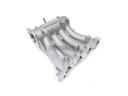 Toyota 4Runner Intake Manifold
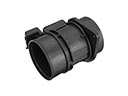 Toyota 4Runner Mass Air Flow Sensor
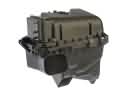 Toyota 4Runner Air Filter Box
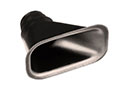 Toyota 4Runner Air Duct
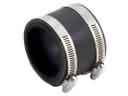 Toyota 4Runner Air Intake Coupling
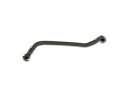 Toyota 4Runner Crankcase Breather Hose
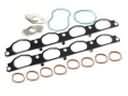 Toyota 4Runner Intake Manifold Gasket
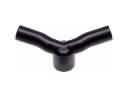 Toyota 4Runner PCV Hose
 Toyota 4Runner Throttle Body Gasket