×
ToyotaParts- Hello
- Login or Register
- Quick Links
- Live Chat
- Track Order
- Parts Availability
- RMA
- Help Center
- Contact Us
- Shop for
- Toyota Parts
- Scion Parts
My Garage
My Account
Cart
OEM Toyota 4Runner Air Filter Box
Air Filter Housing- Select Vehicle by Model
- Select Vehicle by VIN
Select Vehicle by Model
orMake
Model
Year
Select Vehicle by VIN
For the most accurate results, select vehicle by your VIN (Vehicle Identification Number).
29 Air Filter Boxs found
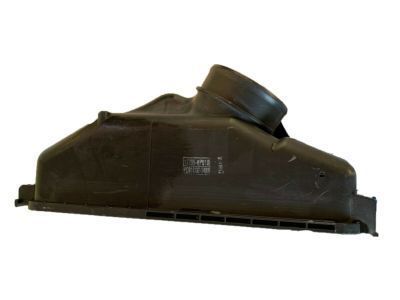
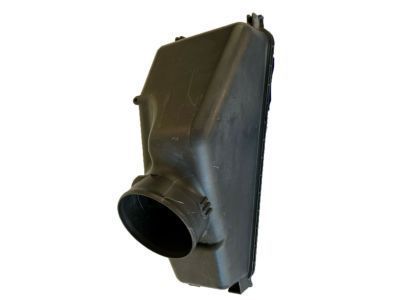
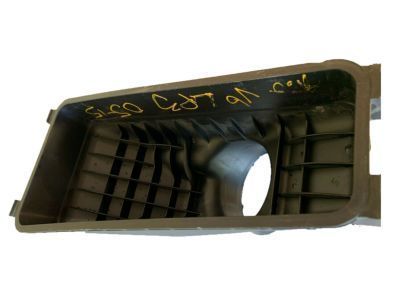
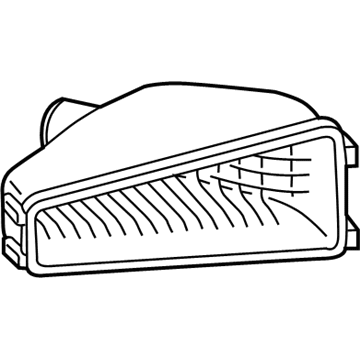
Toyota 4Runner Cover Part Number: 17705-0P010
$74.88 MSRP: $105.11You Save: $30.23 (29%)Ships in 1-3 Business Days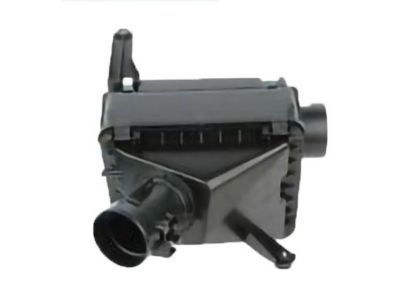
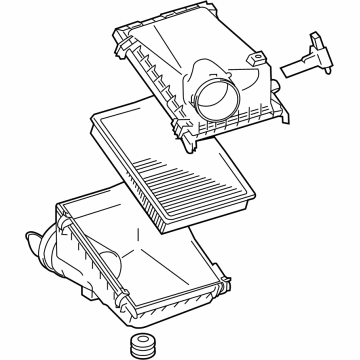
Toyota 4Runner Air Cleaner Assembly Part Number: 17700-31861
$596.54 MSRP: $874.24You Save: $277.70 (32%)Ships in 1-3 Business Days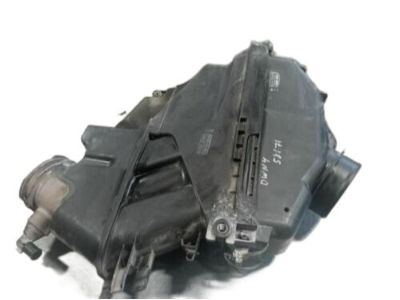
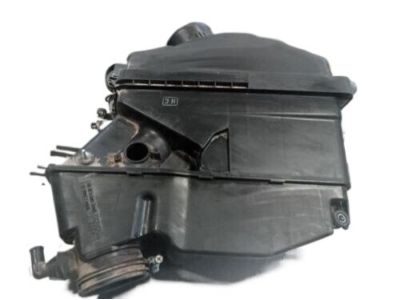
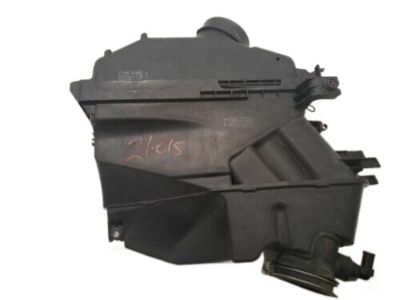
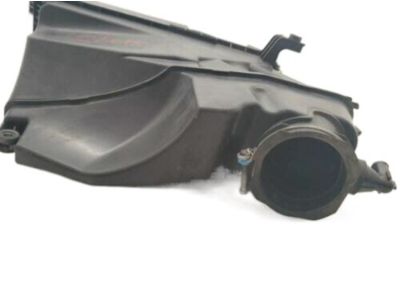
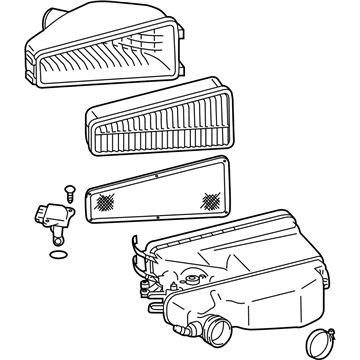
Toyota 4Runner Air Cleaner Assembly Part Number: 17700-0P013
$613.23 MSRP: $898.69You Save: $285.46 (32%)Ships in 1-3 Business Days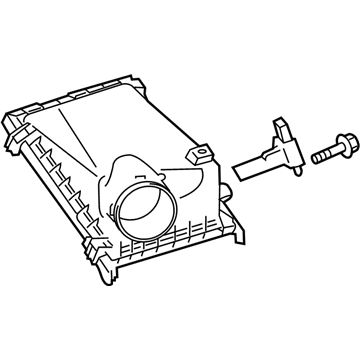
Toyota 4Runner Upper Cover Part Number: 17705-31381
$364.66 MSRP: $534.42You Save: $169.76 (32%)Ships in 1-3 Business Days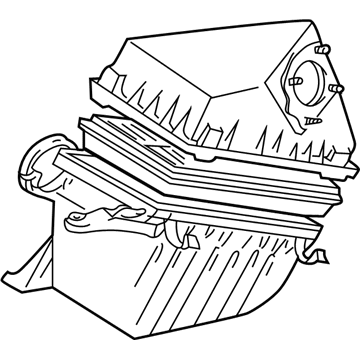
Toyota 4Runner Air Cleaner Assembly Part Number: 17700-0C010
$361.62 MSRP: $529.97You Save: $168.35 (32%)Ships in 1-3 Business Days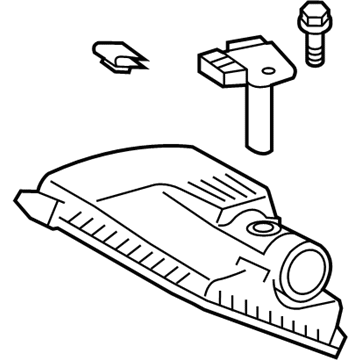
Toyota 4Runner Upper Cover Part Number: 17705-75340
$372.04 MSRP: $545.22You Save: $173.18 (32%)Ships in 1-3 Business Days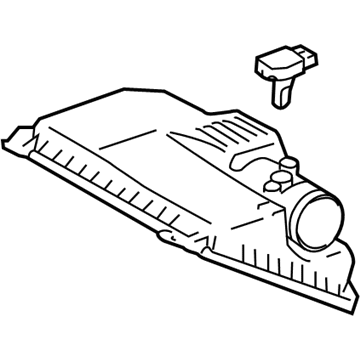
Toyota 4Runner Upper Cover Part Number: 17705-50160
$422.96 MSRP: $619.84You Save: $196.88 (32%)Ships in 1-3 Business Days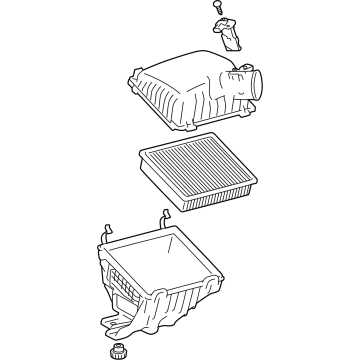
Toyota 4Runner Cleaner Assembly, Air W Part Number: 17700-25260
$473.40 MSRP: $693.77You Save: $220.37 (32%)Ships in 1-2 Business Days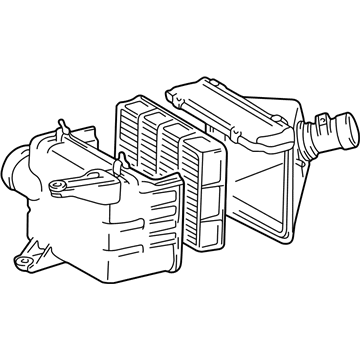
Toyota 4Runner Air Cleaner Assembly Part Number: 17700-62100
$481.12 MSRP: $705.08You Save: $223.96 (32%)Ships in 1-3 Business Days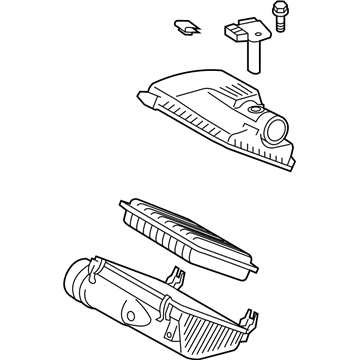
Toyota 4Runner Air Cleaner Assembly Part Number: 17700-75540
$540.21 MSRP: $791.69You Save: $251.48 (32%)Ships in 1-3 Business Days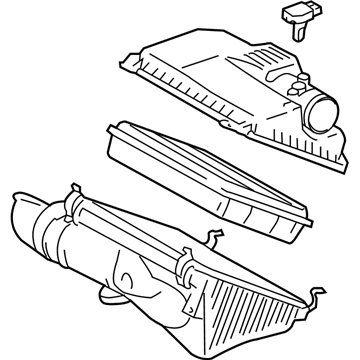
Toyota 4Runner Cleaner Assembly, Air Part Number: 17700-50251
$568.62 MSRP: $833.32You Save: $264.70 (32%)Ships in 1-3 Business DaysToyota 4Runner Air Cleaner Assembly Part Number: 17700-50250
$575.77 MSRP: $843.80You Save: $268.03 (32%)Ships in 1-3 Business DaysToyota 4Runner Air Cleaner Assembly Part Number: 17700-31862
$588.49 MSRP: $862.43You Save: $273.94 (32%)Ships in 1-2 Business Days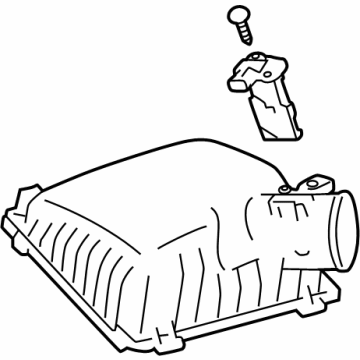
Toyota 4Runner Cap Sub-Assembly, Air Cleaner Part Number: 17705-25120
$123.95 MSRP: $175.47You Save: $51.52 (30%)Ships in 1-2 Business Days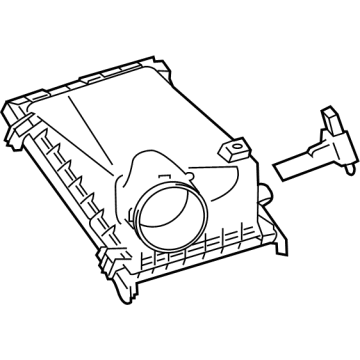
Toyota 4Runner Upper Cover Part Number: 17705-31371
$347.97 MSRP: $496.83You Save: $148.86 (30%)Ships in 1-2 Business Days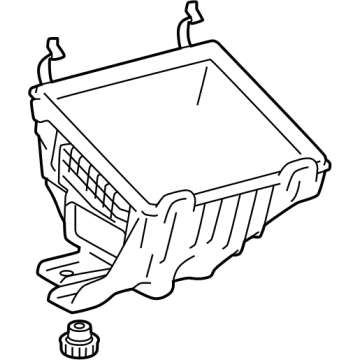
Toyota 4Runner Case Sub-Assembly, Air Cleaner Part Number: 17701-25140
$114.46 MSRP: $160.66You Save: $46.20 (29%)Ships in 1-2 Business Days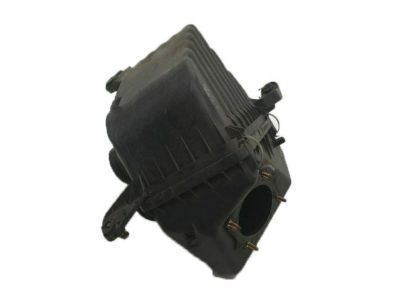
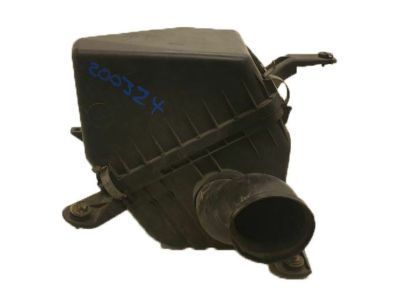
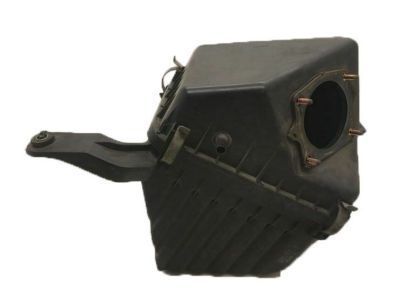
Toyota 4Runner Air Cleaner Assembly Part Number: 17700-0C020
$421.98 MSRP: $618.42You Save: $196.44 (32%)Toyota 4Runner Upper Cover Part Number: 17705-50161
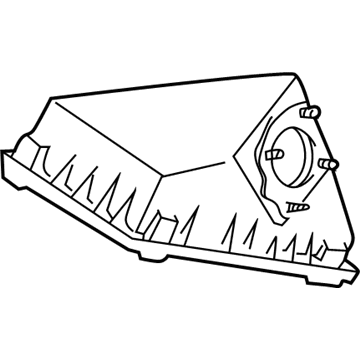
Toyota 4Runner Cover Part Number: 17705-0C010
$74.38 MSRP: $104.41You Save: $30.03 (29%)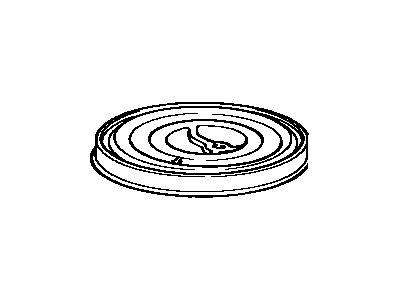
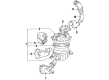
Toyota 4Runner Cover Part Number: 17705-65010
| Page 1 of 2 |Next >
1-20 of 29 Results
Toyota 4Runner Air Filter Box
Choose genuine Air Filter Box that pass strict quality control tests. You can trust the top quality and lasting durability. Shopping for OEM Air Filter Box for your Toyota 4Runner? Our website is your one-stop destination. We stock an extensive selection of genuine Toyota 4Runner parts. The price is affordable so you can save more. It only takes minutes to browse and find the exact fit. Easily add to cart and check out fast. Our hassle-free return policy will keep you stress-free. We process orders quickly for swift delivery. Your parts will arrive faster, so you can get back on the road sooner.
Toyota 4Runner Air Filter Box is critical as it covers the engine intake to allow only clean air to pass to the cylinders to safeguard power and fuel economy. The Toyota 4Runner is popular among owners due to its body-on-frame power, spacious interior, and reliable V6 power that beats the highway and demonstrates its dominance on the trail. The Toyota SUV has retained a solid rear axle, a low range transfer case, and thick skid plates since 1984, which allow beginner drivers to climb up rocky mountains with confidence. The larger wheelbases over the years increased the comfort of the ride, headlamps were made modular, and the switch to Tacoma-sourced engines increased horsepower without compromising reliability. All vehicles are shipped out of the Tahara plant with strict quality control, meaning that a 4Runner can easily travel over 300,000 miles when regular servicing is maintained on time. Authentic Toyota components perfectly fit, maintain the warranty, and boost long-term value since customers are assured of quality factory parts. The Air Filter Box is installed before the throttle body, sealing out dust and water and forcing a stream of oxygen-rich air which is directed straight to the throttle body, and the hard plastic shell can withstand years of vibration. Since the 4Runner tends to cross creeks or penetrate desert sand, the engineers made the Air Filter Box with tight gaskets and deep snorkel-style inlets to ensure that contaminants do not come into contact with delicate sensors. Installing, parking, turning off the engine, popping the hood, unclamping ducts, removing the old Air Filter Box, dropping the new one over its grommets, reconnecting hoses, screwing fasteners, and then starting the motor and listening to see whether it leaks.
Related Toyota 4Runner Parts
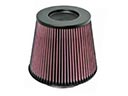 Toyota 4Runner Air Filter
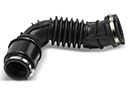 Toyota 4Runner Air Intake Hose
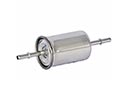 Toyota 4Runner Fuel Filter
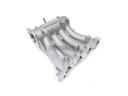 Toyota 4Runner Intake Manifold
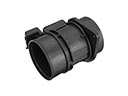 Toyota 4Runner Mass Air Flow Sensor
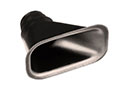 Toyota 4Runner Air Duct
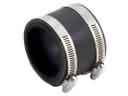 Toyota 4Runner Air Intake Coupling
 Toyota 4Runner Crankcase Breather Hose
 Toyota 4Runner Fuel Filler Neck
 Toyota 4Runner Intake Manifold Gasket
 Toyota 4Runner PCV Hose
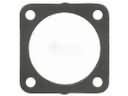 Toyota 4Runner Throttle Body Gasket