×
ToyotaParts- Hello
- Login or Register
- Quick Links
- Live Chat
- Track Order
- Parts Availability
- RMA
- Help Center
- Contact Us
- Shop for
- Toyota Parts
- Scion Parts
My Garage
My Account
Cart
OEM Toyota RAV4 Coolant Reservoir
Coolant Tank Reservoir- Select Vehicle by Model
- Select Vehicle by VIN
Select Vehicle by Model
orMake
Model
Year
Select Vehicle by VIN
For the most accurate results, select vehicle by your VIN (Vehicle Identification Number).
4 Coolant Reservoirs found
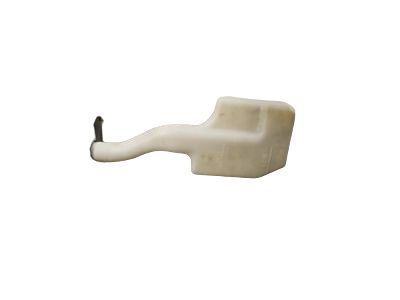
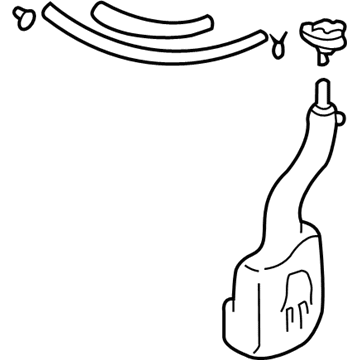
Toyota RAV4 Reservoir Part Number: 16470-28050
$90.40 MSRP: $126.90You Save: $36.50 (29%)Ships in 1-2 Business Days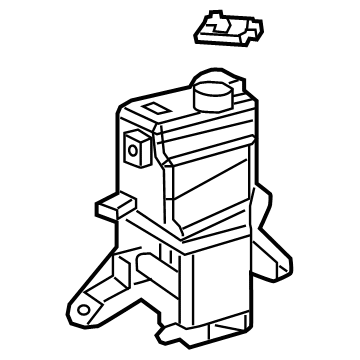
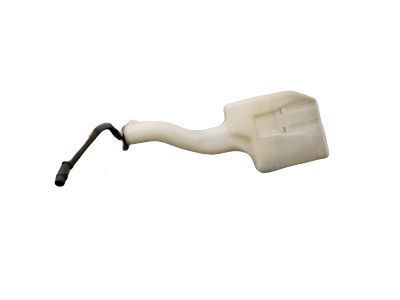
Toyota RAV4 Tank Assembly, Radiator Reserve Part Number: 16470-F0020
$83.53 MSRP: $117.25You Save: $33.72 (29%)Ships in 1-2 Business Days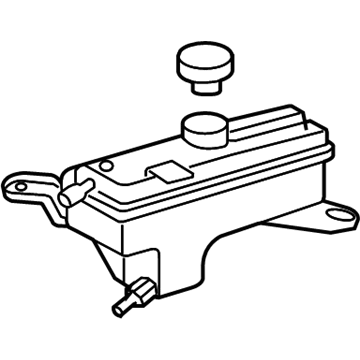
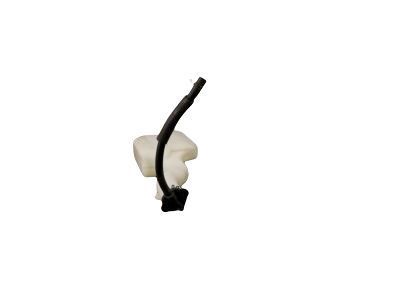
Toyota RAV4 Expansion Tank Part Number: 16470-0V010
$207.24 MSRP: $295.89You Save: $88.65 (30%)Ships in 1-3 Business Days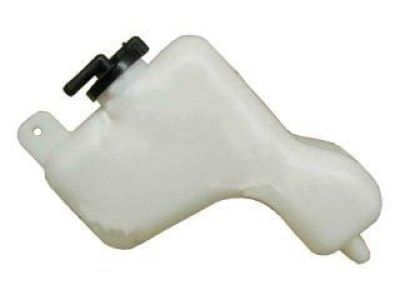
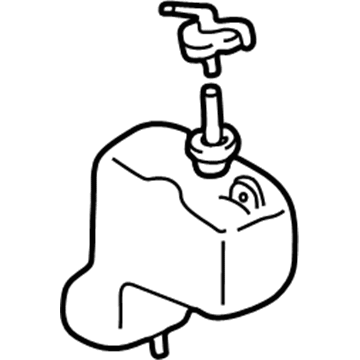
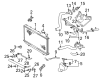
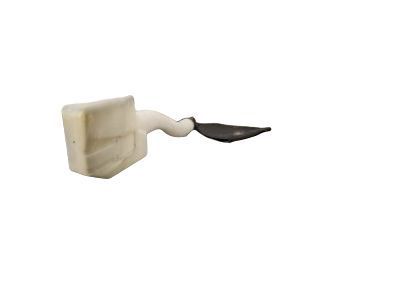
Toyota RAV4 Reservoir Part Number: 16470-74281
Toyota RAV4 Coolant Reservoir
Choose genuine Coolant Reservoir that pass strict quality control tests. You can trust the top quality and lasting durability. Shopping for OEM Coolant Reservoir for your Toyota RAV4? Our website is your one-stop destination. We stock an extensive selection of genuine Toyota RAV4 parts. The price is affordable so you can save more. It only takes minutes to browse and find the exact fit. Easily add to cart and check out fast. Our hassle-free return policy will keep you stress-free. We process orders quickly for swift delivery. Your parts will arrive faster, so you can get back on the road sooner.
Toyota RAV4 Coolant Reservoir is placed beneath the hood of the small yet practical SUV that the majority of drivers rely on during their morning journeys and weekend adventures. The Toyota RAV4 combines a spirited four cylinder and can be hybrid efficient, has a sure all wheel drive, spacious cabin and safety sense, which adds lane keeping aid and adaptive cruise control. Good chassis rigidity not only ensures it is sharp in handling but also has a comfortable ride and considerate features such as split folding rear seats and large cargo space ensure that every journey is more bearable. The families like the reliability demonstrated and the adventurers like the ground clearance and the ability to switch to snow or dirt or urban roads. In the same way that the vehicle provides a proper balance between comfort and strength, the Toyota RAV4 Coolant Reservoir provides an engine temperature balance. This closed-cell plastic tank is known as Coolant Reservoir and it holds expanding coolant, re-distributes it when temperatures decrease, prevents entry of air and allows owners to check levels in a few seconds without handling a hot radiator. A well maintained Coolant Reservoir prevents the overheating of the gaskets, preserves the long term value which the vehicles are renowned, and protects the gaskets. Changing the Toyota RAV4 Coolant Reservoir is not a complicated task, pull up on a flat surface, allow the engine to cool, depressurize, unscrew the existing one, replace the sensor and install the new component, snap the hose back in, refill it with the appropriate coolant, bleed the air, and ensure that there is no leakage.
Related Toyota RAV4 Parts
 Toyota RAV4 Radiator Cap
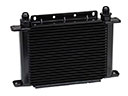 Toyota RAV4 Transmission Oil Cooler
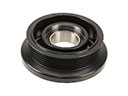 Toyota RAV4 A/C Idler Pulley
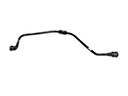 Toyota RAV4 Coolant Reservoir Hose
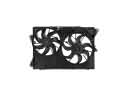 Toyota RAV4 Cooling Fan Assembly
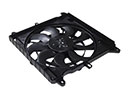 Toyota RAV4 Cooling Fan Module
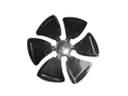 Toyota RAV4 Fan Blade
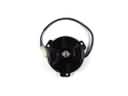 Toyota RAV4 Fan Motor
 Toyota RAV4 Thermostat Gasket
 Toyota RAV4 Water Hose
 Toyota RAV4 Water Pump Gasket
 Toyota RAV4 Water Pump Pulley