×
ToyotaParts- Hello
- Login or Register
- Quick Links
- Live Chat
- Track Order
- Parts Availability
- RMA
- Help Center
- Contact Us
- Shop for
- Toyota Parts
- Scion Parts
My Garage
My Account
Cart
OEM Toyota Paseo Air Intake Hose
Engine Air Intake Hoses- Select Vehicle by Model
- Select Vehicle by VIN
Select Vehicle by Model
orMake
Model
Year
Select Vehicle by VIN
For the most accurate results, select vehicle by your VIN (Vehicle Identification Number).
3 Air Intake Hoses found
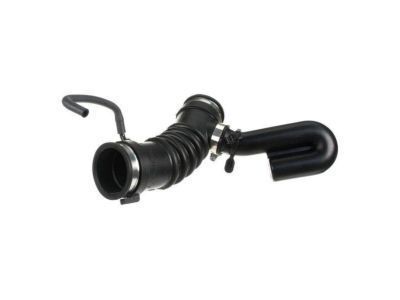
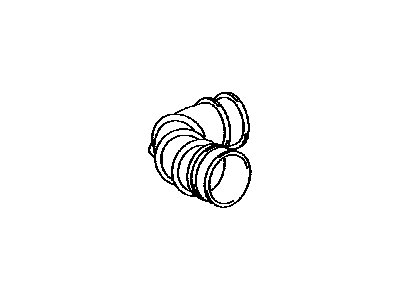
Toyota Paseo Air Hose Part Number: 17880-11140
Toyota Paseo Air Hose Part Number: 17880-11240
Toyota Paseo Air Hose Part Number: 17880-11130
Toyota Paseo Air Intake Hose
Choose genuine Air Intake Hose that pass strict quality control tests. You can trust the top quality and lasting durability. Shopping for OEM Air Intake Hose for your Toyota Paseo? Our website is your one-stop destination. We stock an extensive selection of genuine Toyota Paseo parts. The price is affordable so you can save more. It only takes minutes to browse and find the exact fit. Easily add to cart and check out fast. Our hassle-free return policy will keep you stress-free. We process orders quickly for swift delivery. Your parts will arrive faster, so you can get back on the road sooner.
The Toyota Paseo Air Intake Hose supplies a sealed channel that feeds cool filtered air to the throttle body. However, the real star is the nimble Toyota Paseo. It is lightweight which comes fitted with a highly-responsive 1.5 liter engine. In addition, it has dimensions that are easy to park making city driving fun. Yet, it offers sufficient horsepower for weekend cruising. It sports a suspension tuning, there is a front wheel drive layout and you can opt for a slick shifting five speed manual which allows the Toyota Paseo to hug corners confidently. Plus, with tried and tested Toyota engineering behind every gasket and bolt, owners can keep their daily commutes hassle free for years. Within its interior, the straightforward ergonomic controls and lowered seating give the driver of a Paseo a connected, hatchback-like feel that many newer cars lack. The Air Intake Hose connects the air box to the throttle plate. Its purpose is to isolate the airflow from the heat of the engine bay so that drivers don't draw in that hot air and dust. This ensures proper air fuel balance on a Toyota Paseo. Due to the Air Intake Hose's flexing molded rubber construction, cracks or loose clamps can lead to a rough idle or increased fuel consumption, therefore a regular inspection of this Air Intake Hose protects performance and emissions. To install the Air Intake Hose, just loosen some clamps, disconnect sensors and vacuum lines, pull the old hose off, fit the new one, tighten the clamps, and start the engine to check for leaks.
Related Toyota Paseo Parts
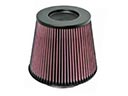 Toyota Paseo Air Filter
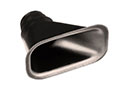 Toyota Paseo Air Duct
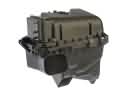 Toyota Paseo Air Filter Box
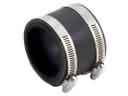 Toyota Paseo Air Intake Coupling
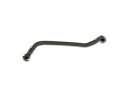 Toyota Paseo Crankcase Breather Hose
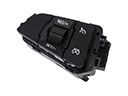 Toyota Paseo Cruise Control Switch
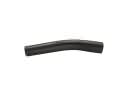 Toyota Paseo Fuel Filler Hose
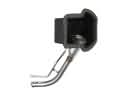 Toyota Paseo Fuel Filler Neck
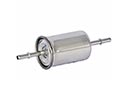 Toyota Paseo Fuel Filter
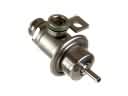 Toyota Paseo Fuel Pressure Regulator
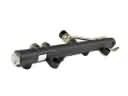 Toyota Paseo Fuel Rail
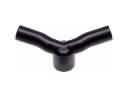 Toyota Paseo PCV Hose