×
ToyotaParts- Hello
- Login or Register
- Quick Links
- Live Chat
- Track Order
- Parts Availability
- RMA
- Help Center
- Contact Us
- Shop for
- Toyota Parts
- Scion Parts
My Garage
My Account
Cart
OEM Toyota Land Cruiser Transfer Case
Speed Transfer Case- Select Vehicle by Model
- Select Vehicle by VIN
Select Vehicle by Model
orMake
Model
Year
Select Vehicle by VIN
For the most accurate results, select vehicle by your VIN (Vehicle Identification Number).
14 Transfer Cases found

Toyota Land Cruiser Transfer Assembly Part Number: 36100-35A30
$2307.78 MSRP: $2876.29You Save: $568.51 (20%)Ships in 1-2 Business Days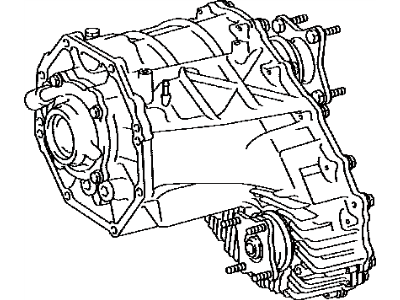
Toyota Land Cruiser Transfer Assembly Part Number: 36100-60B01
$2607.91 MSRP: $3250.35You Save: $642.44 (20%)Ships in 1-3 Business DaysToyota Land Cruiser Transfer Assembly Part Number: 36100-60B20
$2868.13 MSRP: $3574.68You Save: $706.55 (20%)Ships in 1-3 Business Days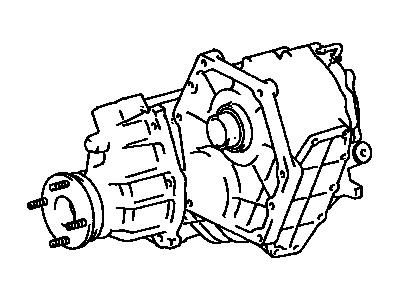
Toyota Land Cruiser Transfer Assembly Part Number: 36130-6A221
$3682.50 MSRP: $4589.65You Save: $907.15 (20%)Ships in 1-3 Business DaysToyota Land Cruiser Transfer Assembly Part Number: 36100-60B02
$2911.15 MSRP: $3628.29You Save: $717.14 (20%)Toyota Land Cruiser Transfer Assembly Part Number: 36130-6A470
$3652.99 MSRP: $4552.88You Save: $899.89 (20%)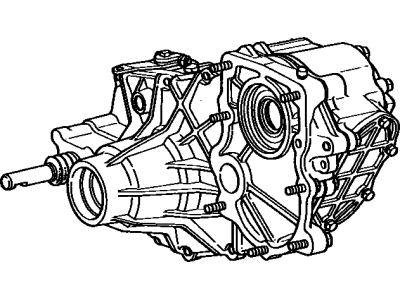
Toyota Land Cruiser Transfer Case Part Number: 36110-6A790
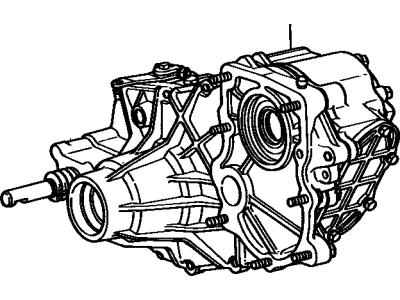
Toyota Land Cruiser Transfer Case Part Number: 36110-6A740
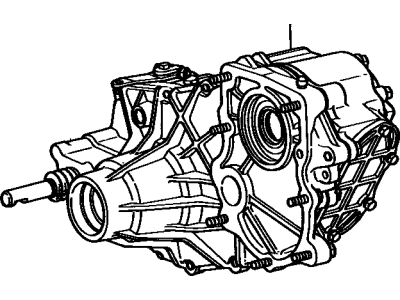
Toyota Land Cruiser Transfer Case Part Number: 36110-60162
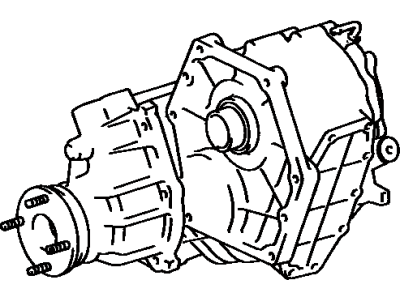
Toyota Land Cruiser Transfer Case Part Number: 36130-60451
Toyota Land Cruiser Transfer Case Part Number: 36130-60790
Toyota Land Cruiser Transfer Case Part Number: 36130-60661
Toyota Land Cruiser Transfer Assembly Part Number: 36130-6A490
Toyota Land Cruiser Transfer Case Part Number: 36130-60461
Toyota Land Cruiser Transfer Case
Choose genuine Transfer Case that pass strict quality control tests. You can trust the top quality and lasting durability. Shopping for OEM Transfer Case for your Toyota Land Cruiser? Our website is your one-stop destination. We stock an extensive selection of genuine Toyota Land Cruiser parts. The price is affordable so you can save more. It only takes minutes to browse and find the exact fit. Easily add to cart and check out fast. Our hassle-free return policy will keep you stress-free. We process orders quickly for swift delivery. Your parts will arrive faster, so you can get back on the road sooner.
Toyota Land Cruiser Transfer Case is in the core of a 4x4 legend that was crafted to go to deserts and snowfields with just as much assurance as going to metropolitan streets. The Toyota Land Cruiser compensates espousers with a ladder frame which shakes off punishment, an engine that is torque filled which responds at low revs and seats that are spacious and this makes the extended journeys to be enjoyable. The SUV has been hailed as reliable enough to travel long distances without the need to visit service centers, is an excellent tuner over rough roads, and its image commands a high resale price amongst its owners. It is in this rugged platform that the Toyota Land Cruiser Transfer Case divides the power such that all four wheels get engaged in case traction is lost, allows the Land Cruiser to alternate between high and low gears, and collaborates with the gearbox to provide controlled crawling over rocks or sand. Transfer Case channel sealed gears are applied to transmit engine torque to the front and rear axes, and tough bearings can handle the constant load, thus making the Toyota Land Cruiser keep rolling where other weakly built SUVs stall. Regular maintenance involves fluid monitoring and changing deteriorated seals to prevent expensive maintenance. To clean install, support the driveline, slide the new Transfer Case onto the adapter, and evenly tighten the bolts, reattach the shafts and linkage, top off the oil, and check for smooth engagement, check the Transfer Case leaks, etc., and then follow the Toyota service manual on the torque specs.
Related Toyota Land Cruiser Parts
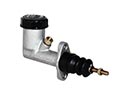 Toyota Land Cruiser Clutch Master Cylinder
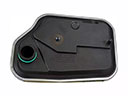 Toyota Land Cruiser Automatic Transmission Filter
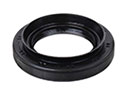 Toyota Land Cruiser Automatic Transmission Output Shaft Seal
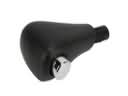 Toyota Land Cruiser Automatic Transmission Shift Levers
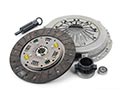 Toyota Land Cruiser Clutch Disc
 Toyota Land Cruiser Clutch Hose
 Toyota Land Cruiser Clutch Release Bearing
 Toyota Land Cruiser Pressure Plate
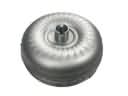 Toyota Land Cruiser Torque Converter
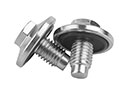 Toyota Land Cruiser Transmission Drain Plug
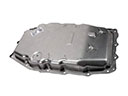 Toyota Land Cruiser Transmission Pan
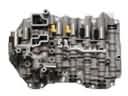 Toyota Land Cruiser Valve Body