×
ToyotaParts- Hello
- Login or Register
- Quick Links
- Live Chat
- Track Order
- Parts Availability
- RMA
- Help Center
- Contact Us
- Shop for
- Toyota Parts
- Scion Parts
My Garage
My Account
Cart
OEM Toyota Echo Oxygen Sensor
Oxygen O2 Sensor- Select Vehicle by Model
- Select Vehicle by VIN
Select Vehicle by Model
orMake
Model
Year
Select Vehicle by VIN
For the most accurate results, select vehicle by your VIN (Vehicle Identification Number).
6 Oxygen Sensors found
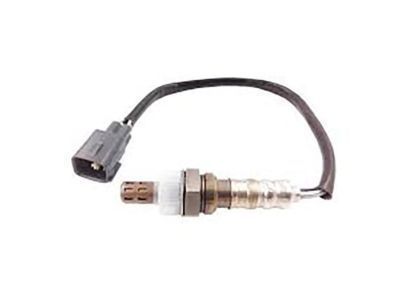
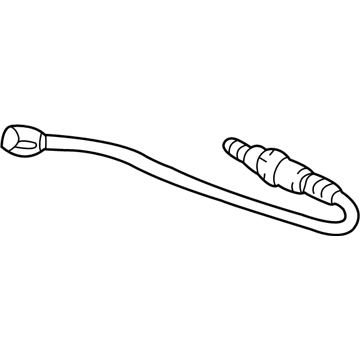
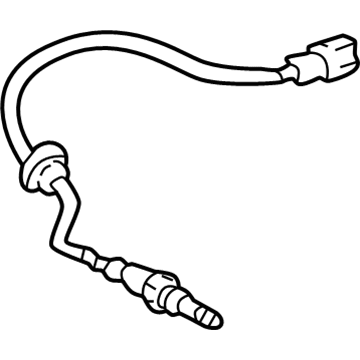
Toyota Echo Oxygen Sensor, Front Part Number: 89465-52190
$124.54 MSRP: $176.30You Save: $51.76 (30%)Ships in 1 Business Day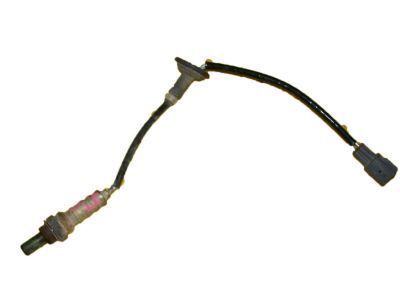
Toyota Echo Oxygen Sensor, Rear Part Number: 89465-52200
$130.77 MSRP: $185.11You Save: $54.34 (30%)Ships in 1 Business Day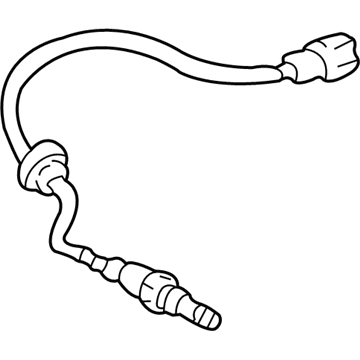
Toyota Echo Oxygen Sensor, Rear Part Number: 89465-52120
$139.46 MSRP: $197.43You Save: $57.97 (30%)Ships in 1-3 Business DaysToyota Echo Oxygen Sensor Part Number: 89465-52280
$116.36 MSRP: $163.32You Save: $46.96 (29%)Ships in 1-3 Business Days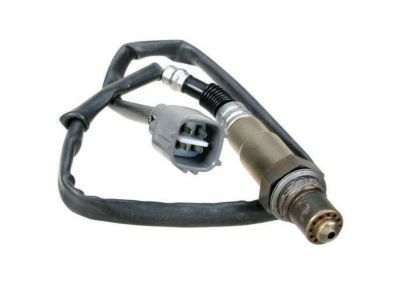
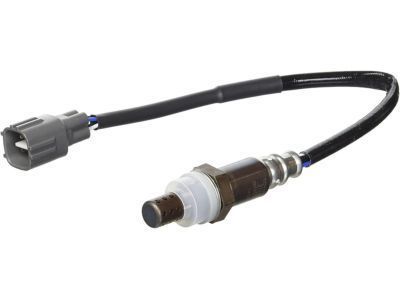
Toyota Echo Oxygen Sensor, Front Part Number: 89465-52050
$127.01 MSRP: $179.79You Save: $52.78 (30%)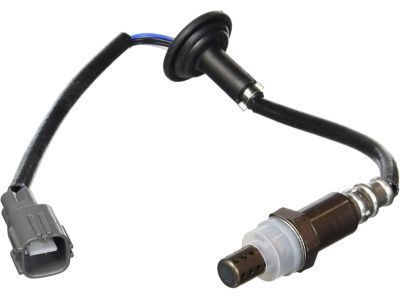
Toyota Echo Oxygen Sensor, Rear Part Number: 89465-52060
$139.46 MSRP: $197.43You Save: $57.97 (30%)
Toyota Echo Oxygen Sensor
Choose genuine Oxygen Sensor that pass strict quality control tests. You can trust the top quality and lasting durability. Shopping for OEM Oxygen Sensor for your Toyota Echo? Our website is your one-stop destination. We stock an extensive selection of genuine Toyota Echo parts. The price is affordable so you can save more. It only takes minutes to browse and find the exact fit. Easily add to cart and check out fast. Our hassle-free return policy will keep you stress-free. We process orders quickly for swift delivery. Your parts will arrive faster, so you can get back on the road sooner.
Toyota Echo Oxygen Sensor is the center of the agile Toyota Echo, a mini car that endears itself to the drivers through light handling, small size and a cabin that seems spacious and flexible. The car provides acceleration with a powerful four-cylinder which is very efficient and the driver would have the choice to select either a manual or automatic gearbox depending on their style of driving. Marvellous suspension tuning allows the Echo to pass through urban streets and the high quality of the building is indicative of the Toyota promise of durability. It also boasts of low operating expenses and spacious seating that makes the daily commuting an easy ride which is highly commended by the owners who testify that Echo punches above its small size. Within this vibrant pack, the Oxygen Sensor measures the remaining oxygen in the exhaust stream and delivers the high-speed signals to the engine computer to adjust the air-fuel ratio. The healthy Toyota Echo Oxygen Sensor makes the combustion clean, improves the fuel economy and reduces the harmful emissions besides making the engine feel smooth as it accelerates. In the case of the failure of the Oxygen Sensor, the check engine is a warning signal to the driver thus repairing it should not be delayed. Since Oxygen Sensor is subjected to heat and contamination, which leads to its deterioration during the lifespan, smart maintenance ensures that it does not reduce performance and the environment. The process is very easy since one can install a new unit, park up, allowing the exhaust to cool down, undo the connector, spin out the old sensor using a Toyota approved socket, and then insert the new part, tighten it, insert the plug again, and start the engine to verify that no leakage takes place.
Related Toyota Echo Parts
 Toyota Echo Fuse Box
 Toyota Echo ABS Relay
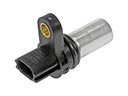 Toyota Echo Camshaft Position Sensor
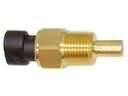 Toyota Echo Coolant Temperature Sensor
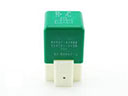 Toyota Echo Cooling Fan Relay
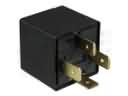 Toyota Echo Daytime Running Light Relay
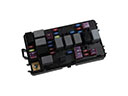 Toyota Echo Fuse
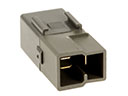 Toyota Echo Horn Relay
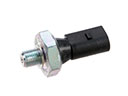 Toyota Echo Oil Pressure Switch
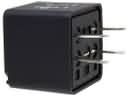 Toyota Echo Relay
 Toyota Echo Spark Plug
 Toyota Echo Starter Relay