×
ToyotaParts- Hello
- Login or Register
- Quick Links
- Live Chat
- Track Order
- Parts Availability
- RMA
- Help Center
- Contact Us
- Shop for
- Toyota Parts
- Scion Parts
My Garage
My Account
Cart
OEM Toyota Corolla Cooling Fan Relay
Engine Cooling Fan Relay- Select Vehicle by Model
- Select Vehicle by VIN
Select Vehicle by Model
orMake
Model
Year
Select Vehicle by VIN
For the most accurate results, select vehicle by your VIN (Vehicle Identification Number).
4 Cooling Fan Relays found
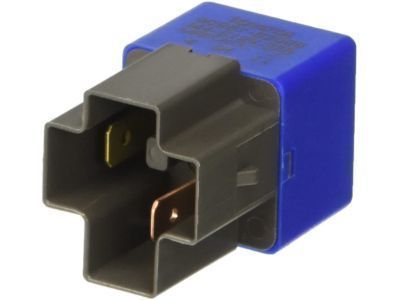
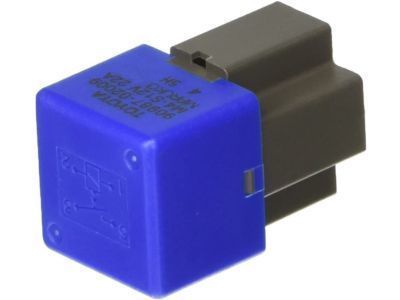
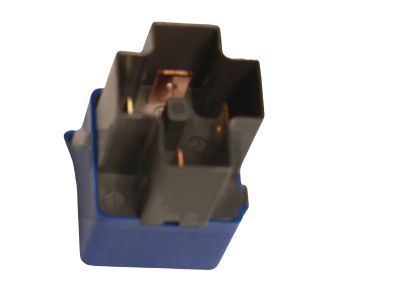
Toyota Corolla Window Relay Part Number: 90987-02009
$50.18 MSRP: $69.84You Save: $19.66 (29%)Ships in 1-3 Business Days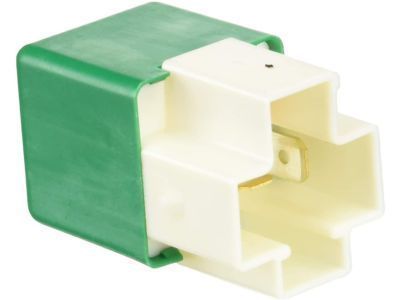
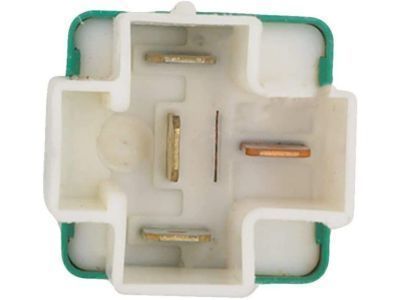
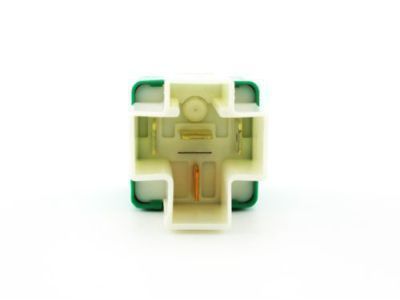
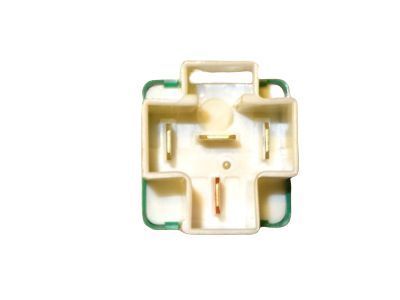
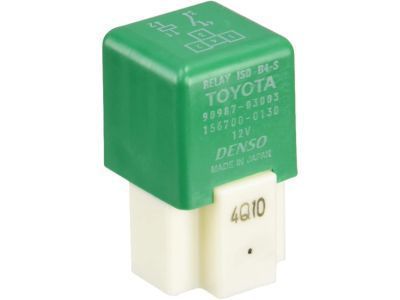

Toyota Corolla Relay, Glass Hatch Junction Part Number: 90987-03003
$37.03 MSRP: $51.55You Save: $14.52 (29%)Ships in 1 Business Day
Toyota Corolla Fan Relay, Driver Side Part Number: 90987-03001-83
$26.64 MSRP: $37.08You Save: $10.44 (29%)Ships in 1-3 Business Days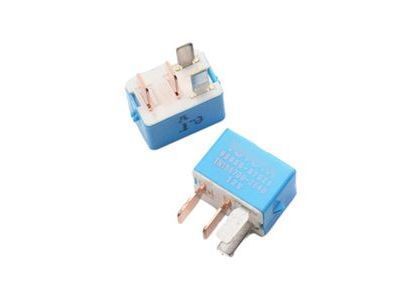
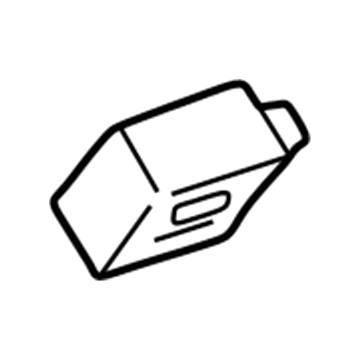
Toyota Corolla Horn Relay Part Number: 90080-87026
$23.53 MSRP: $32.75You Save: $9.22 (29%)
Toyota Corolla Cooling Fan Relay
Choose genuine Cooling Fan Relay that pass strict quality control tests. You can trust the top quality and lasting durability. Shopping for OEM Cooling Fan Relay for your Toyota Corolla? Our website is your one-stop destination. We stock an extensive selection of genuine Toyota Corolla parts. The price is affordable so you can save more. It only takes minutes to browse and find the exact fit. Easily add to cart and check out fast. Our hassle-free return policy will keep you stress-free. We process orders quickly for swift delivery. Your parts will arrive faster, so you can get back on the road sooner.
The Cooling Fan Relay for Toyota Corolla is located under the hood of a vehicle renowned for its practical design, fuel-economy and reliability. The Corolla's chassis was engineered by Toyota engineers for nimbleness in city streets. The vehicles are fitted with engines that are efficient and will last hundreds of thousands of miles if services on time. The interior is smartly designed, with clear-dial gauges and intuitive controls. Available safety tech like stability control and multiple airbags helps instill confidence on busy roads. The owners of the Toyota Corolla trust the brand quality check. Thus, it often tops surveys for low-cost repair and value. Basically, it is a nice long-term partner for commuters, as well as small families. The reliable reputation of this company is earned by the proper functioning of the Cooling Fan Relay. The Toyota Corolla Cooling Fan Relay receives signals from either the temperature sensor or air conditioning request. It then closes its contacts to close and send high currents to the radiator fan. This forces cool air across the radiator's fins during heavy traffic or extended idle periods. The Corolla Cooling Fan Relay closes when the temperature falls to avoid wastage of electricity and this safeguards all the wiring, switches and parts of the engine by protecting the engine bay which is usually very tight and the part has a robust contact, and heat resistant housing, which allows it to take repeated cycles without breaking its operating temperatures and without disturbing the cabin. Installation process starts with the first step of disconnecting the battery, changing the relay in the fuse box, checking whether the socket is damaged, reconnecting the power, starting the engine and checking that the fan works.
Related Toyota Corolla Parts
 Toyota Corolla Starter Relay
 Toyota Corolla Flasher Relay
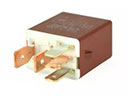 Toyota Corolla Fuel Pump Relay
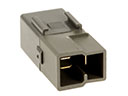 Toyota Corolla Horn Relay
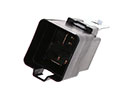 Toyota Corolla Radiator Fan Relay
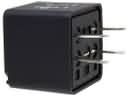 Toyota Corolla Relay
 Toyota Corolla Antenna Mast
 Toyota Corolla Door Lock Actuator Motor
 Toyota Corolla HVAC Relay
 Toyota Corolla Ignition Relay
 Toyota Corolla Overload Relay
 Toyota Corolla Turn Signal Relay