×
ToyotaParts- Hello
- Login or Register
- Quick Links
- Live Chat
- Track Order
- Parts Availability
- RMA
- Help Center
- Contact Us
- Shop for
- Toyota Parts
- Scion Parts
My Garage
My Account
Cart
OEM Toyota Celica Door Handle
Inside Door Handle- Select Vehicle by Model
- Select Vehicle by VIN
Select Vehicle by Model
orMake
Model
Year
Select Vehicle by VIN
For the most accurate results, select vehicle by your VIN (Vehicle Identification Number).
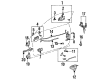
30 Door Handles found
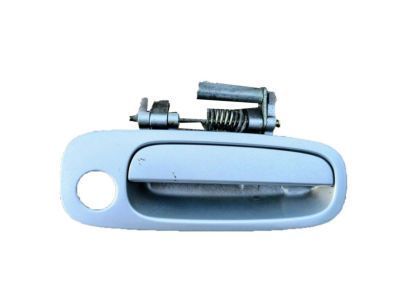
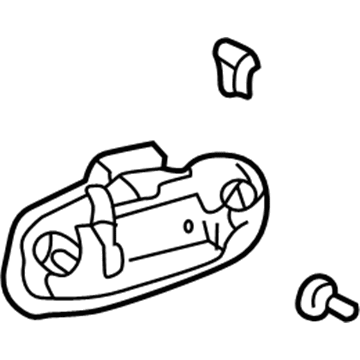
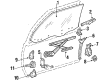
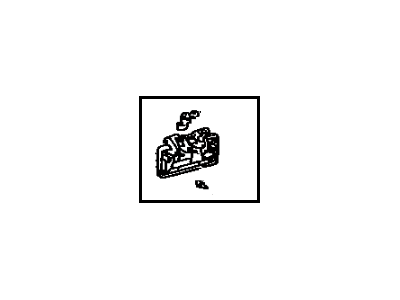
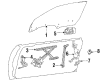
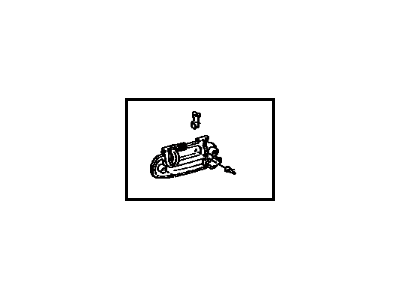
| Page 1 of 2 |Next >
1-20 of 30 Results
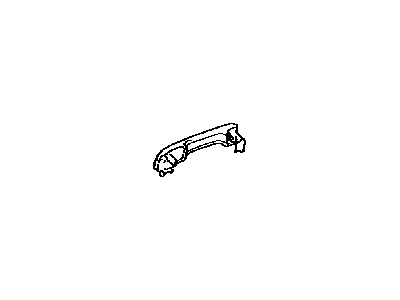
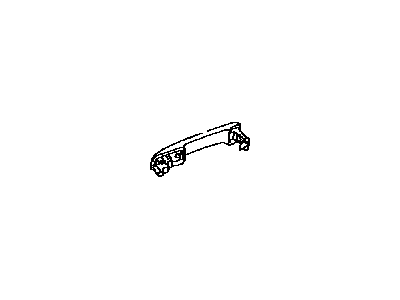
Toyota Celica Door Handle
Choose genuine Door Handle that pass strict quality control tests. You can trust the top quality and lasting durability. Shopping for OEM Door Handle for your Toyota Celica? Our website is your one-stop destination. We stock an extensive selection of genuine Toyota Celica parts. The price is affordable so you can save more. It only takes minutes to browse and find the exact fit. Easily add to cart and check out fast. Our hassle-free return policy will keep you stress-free. We process orders quickly for swift delivery. Your parts will arrive faster, so you can get back on the road sooner.
Toyota Celica Door Handle is mounted on a car that gained recognition as one that combined aggressive style with practicality. Toyota Celica was introduced in 1973, and its lightweight body and spirited 1.6 liter 2T engine made the drives to be fun and fuel-saving. Recent models acquired a more powerful 2.2 litre 20R, heavier bumpers which passed the safety regulations and a tuned suspension, which kept the car flat in corners. Due to the fact that Toyota invests keen quality control on all the Celica parts, the owners are enjoying the benefit of durability that is equal to the dynamic nature of the car. Within, the agile steering and hassle-free shifting demonstrate that Toyota has made the Celica to appear sporty and friendly at the same time. One of the most important elements of such experience, the Door Handle is characterized by durable construction, an accurate latching link, and lock cylinders allowing drivers to enter their cars fast, and keeping their coupes safe. Every Toyota Celica Door Handle has been formed to match the door skin to ensure that wind noise is kept to a minimum and that the grip is natural. The Door Handle is also resistant to scratches and fading and its connecting rods convey movement without distorting to the latch, which sends the fulfilling click, which means freedom to go. There is a spare Door Handle which can be positioned in the trunk in case of an emergency. Installation of one will require battery disconnection, removing the panel, loosening linkages, changing seals, bolting the new part, reconnecting wiring, and testing action.
Related Toyota Celica Parts
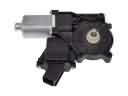 Toyota Celica Window Motor
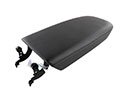 Toyota Celica Armrest
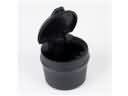 Toyota Celica Ashtray
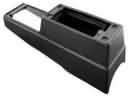 Toyota Celica Center Console Base
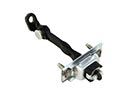 Toyota Celica Door Check
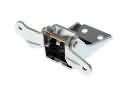 Toyota Celica Door Hinge
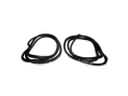 Toyota Celica Door Seal
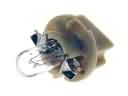 Toyota Celica Instrument Panel Light Bulb
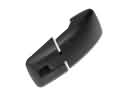 Toyota Celica Liftgate Hinge
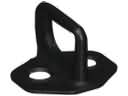 Toyota Celica Rear Door Striker
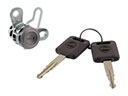 Toyota Celica Tailgate Lock
 Toyota Celica Washer Reservoir