×
ToyotaParts- Hello
- Login or Register
- Quick Links
- Live Chat
- Track Order
- Parts Availability
- RMA
- Help Center
- Contact Us
- Shop for
- Toyota Parts
- Scion Parts
My Garage
My Account
Cart
OEM Toyota Camry Overload Relay
Overcurrent Relay- Select Vehicle by Model
- Select Vehicle by VIN
Select Vehicle by Model
orMake
Model
Year
Select Vehicle by VIN
For the most accurate results, select vehicle by your VIN (Vehicle Identification Number).
4 Overload Relays found
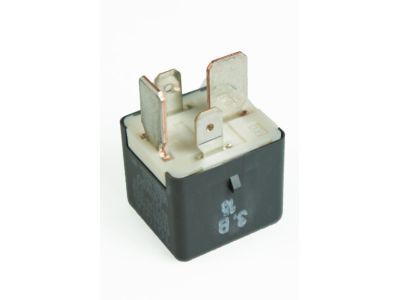

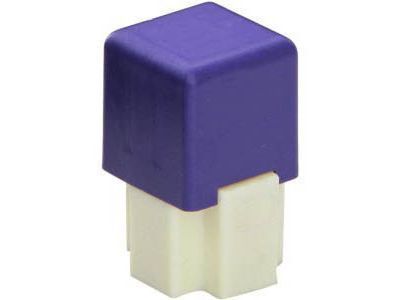
Toyota Camry Fan Relay Part Number: 90080-87024
$69.90 MSRP: $98.12You Save: $28.22 (29%)Ships in 1-3 Business Days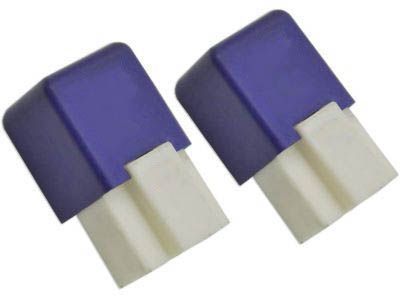
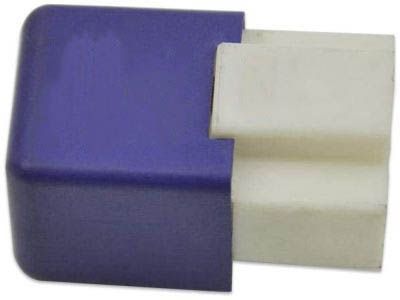
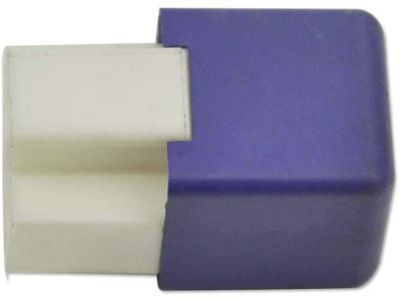
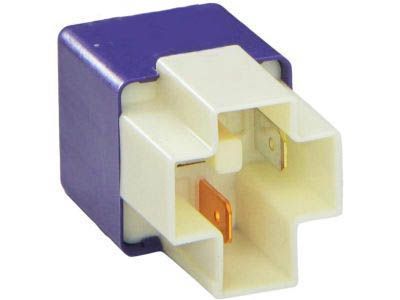
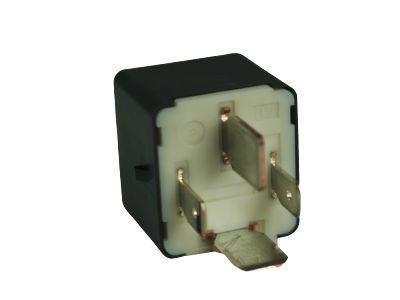
Toyota Camry Starter Relay Part Number: 28300-10020
$84.12 MSRP: $118.08You Save: $33.96 (29%)Ships in 1-2 Business Days
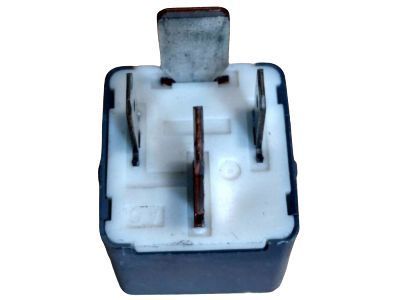
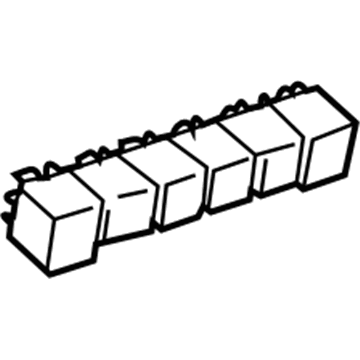
Toyota Camry ECM Relay Part Number: 90987-04002-83
$27.59 MSRP: $38.41You Save: $10.82 (29%)Ships in 1-3 Business Days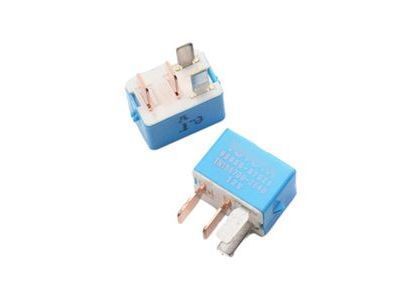

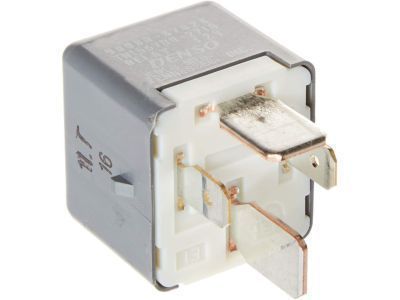
Toyota Camry Horn Relay Part Number: 90080-87026
$23.53 MSRP: $32.75You Save: $9.22 (29%)
Toyota Camry Overload Relay
Choose genuine Overload Relay that pass strict quality control tests. You can trust the top quality and lasting durability. Shopping for OEM Overload Relay for your Toyota Camry? Our website is your one-stop destination. We stock an extensive selection of genuine Toyota Camry parts. The price is affordable so you can save more. It only takes minutes to browse and find the exact fit. Easily add to cart and check out fast. Our hassle-free return policy will keep you stress-free. We process orders quickly for swift delivery. Your parts will arrive faster, so you can get back on the road sooner.
Toyota Camry Overload Relay is located within a sedan that is known to be a combination of comfort, efficiency and optimal protection. Since 1982, the Toyota Camry has developed to have more powerful but fuel-efficient engines, smoother automatic gears, spacious cabins, responsive suspension and disc brakes that enhance the confidence of the driver. Owners hail the Toyota sedan as having low running expenses, long life parts and the manner in which a Camry retains value despite years of daily city drives. Thoughtful material selection, meticulous crafting and accurate safety engineering allow the sedan to take the family on a trip or drive across the highway every day with a relaxed and non-hurried attitude, which demonstrates the brand-level dedication to quality that is not easily broken. The Overload Relay is applied to protect essential electric circuits within this trusted platform. Toyota Camry Overload Relay detects increasing current and heat then trips before the starter, wiring or control modules can be damaged. An electronic sensor or bimetal strip reacts fast and the device resets when the temperatures drop, and therefore, it operates repeatedly without the driver having to press any button. Its shell is made of plastic which is vibration resistant and the troubleshooting is made easy by clearly marked terminals. Frequent observation of corrosion, cracks or rattles makes the Overload Relay prepared to handle heavy current surges as the engine is cranked and in stop-and-go traffic. Installation requires battery power to be disconnected, the relay should be mounted next to the starter, terminals tightened, power restored and functionality checked.
Related Toyota Camry Parts
 Toyota Camry Starter Relay
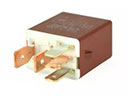 Toyota Camry Fuel Pump Relay
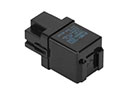 Toyota Camry Flasher Relay
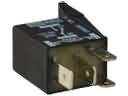 Toyota Camry Headlight Relay
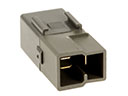 Toyota Camry Horn Relay
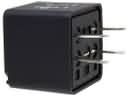 Toyota Camry Relay
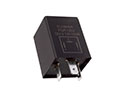 Toyota Camry Turn Signal Relay
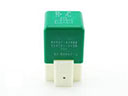 Toyota Camry Cooling Fan Relay
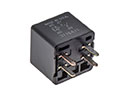 Toyota Camry HVAC Relay
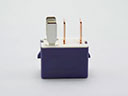 Toyota Camry Ignition Relay
 Toyota Camry Oil Pressure Gauge
 Toyota Camry Radiator Fan Relay