×
ToyotaParts- Hello
- Login or Register
- Quick Links
- Live Chat
- Track Order
- Parts Availability
- RMA
- Help Center
- Contact Us
- Shop for
- Toyota Parts
- Scion Parts
My Garage
My Account
Cart
OEM Toyota Tercel Fuel Pump
Gas Pump- Select Vehicle by Model
- Select Vehicle by VIN
Select Vehicle by Model
orMake
Model
Year
Select Vehicle by VIN
For the most accurate results, select vehicle by your VIN (Vehicle Identification Number).
5 Fuel Pumps found
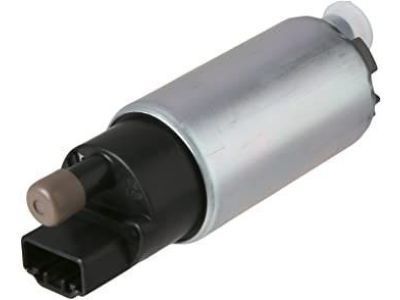

Toyota Tercel Fuel Pump Part Number: 23221-46010
$274.81 MSRP: $392.37You Save: $117.56 (30%)Ships in 1-3 Business Days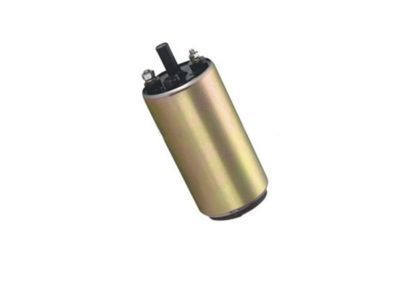
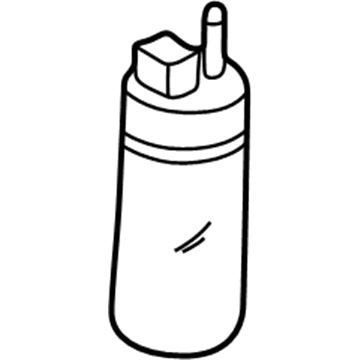
Toyota Tercel Pump Assembly, Fuel Part Number: 23220-43070
$383.05 MSRP: $561.37You Save: $178.32 (32%)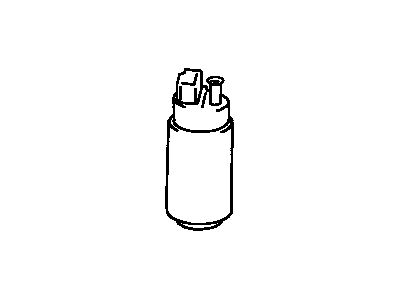
Toyota Tercel Fuel Pump Part Number: 23221-11070
$352.52 MSRP: $516.62You Save: $164.10 (32%)Ships in 1-3 Business Days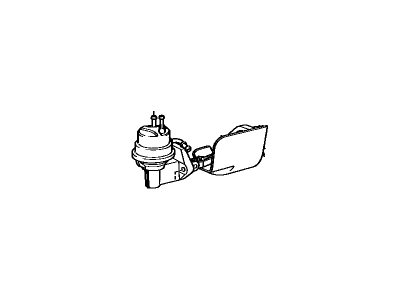
Toyota Tercel Fuel Pump Part Number: 23100-19165
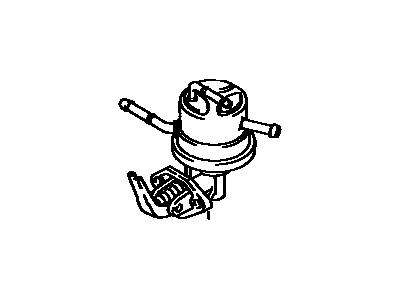
Toyota Tercel Fuel Pump Part Number: 23100-11061
Toyota Tercel Fuel Pump
Choose genuine Fuel Pump that pass strict quality control tests. You can trust the top quality and lasting durability. Shopping for OEM Fuel Pump for your Toyota Tercel? Our website is your one-stop destination. We stock an extensive selection of genuine Toyota Tercel parts. The price is affordable so you can save more. It only takes minutes to browse and find the exact fit. Easily add to cart and check out fast. Our hassle-free return policy will keep you stress-free. We process orders quickly for swift delivery. Your parts will arrive faster, so you can get back on the road sooner.
The reliability of the Toyota Tercel Fuel Pump starts with the car, which is a subcompact in Toyota, and was launched in the year 1978 and was promptly applauded to possess lively handling, clever cabin space and extraordinary gas mileage. The Tercel sedan or hatchback remained light but strong allowing the drivers to navigate the urban streets with engines that were thrifty and fast at the same time. The Toyota engineers continued to perfect brakes, suspension and clear lens lighting, thus each Tercel became modern, economical and simple to maintain long after the production run. Even nowadays many fans use to rely on true Toyota parts to maintain that simple beauty. The Toyota Tercel Fuel Pump is the central element of this system which draws the gasoline in the tank pushing it through injectors at the correct pressure to ensure fast starts and easy power. Normal Fuel Pump maintains the even combustion, preserves the mileage and avoids sputters on climbs or long drives. Improved seals and electric drive enables the Fuel Pump to handle the modern fuels without any hassle and fits to the original mounting ring without any problem. Having a backup Fuel Pump in the trunk with the happy Tercel engine running, it gives a sense of security during long trips and how easy it is to maintain this old time car. The installation is fast with do it yourselfers, and requires disconnection of the battery, release of pressure, unclipping of lines, changing the module, tightening, priming and finding out whether there are any leaks.
Related Toyota Tercel Parts
 Toyota Tercel Accelerator Cable
 Toyota Tercel Air Filter
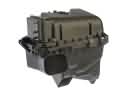 Toyota Tercel Air Filter Box
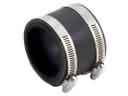 Toyota Tercel Air Intake Coupling
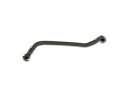 Toyota Tercel Crankcase Breather Hose
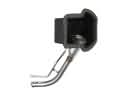 Toyota Tercel Fuel Filler Neck
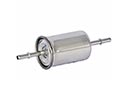 Toyota Tercel Fuel Filter
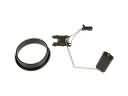 Toyota Tercel Fuel Level Sensor
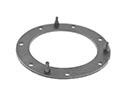 Toyota Tercel Fuel Pump Gasket
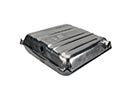 Toyota Tercel Fuel Tank
 Toyota Tercel PCV Hose
 Toyota Tercel Throttle Cable