×
ToyotaParts- Hello
- Login or Register
- Quick Links
- Live Chat
- Track Order
- Parts Availability
- RMA
- Help Center
- Contact Us
- Shop for
- Toyota Parts
- Scion Parts
My Garage
My Account
Cart
OEM Toyota T100 Air Intake Hose
Engine Air Intake Hoses- Select Vehicle by Model
- Select Vehicle by VIN
Select Vehicle by Model
orMake
Model
Year
Select Vehicle by VIN
For the most accurate results, select vehicle by your VIN (Vehicle Identification Number).
8 Air Intake Hoses found
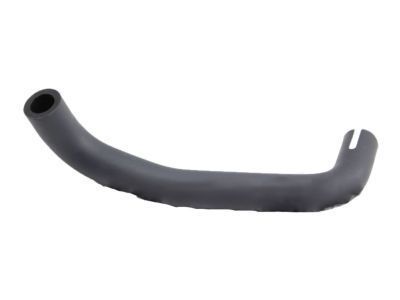
Toyota T100 Air Hose Part Number: 17343-75010
$34.64 MSRP: $48.22You Save: $13.58 (29%)Ships in 1-2 Business Days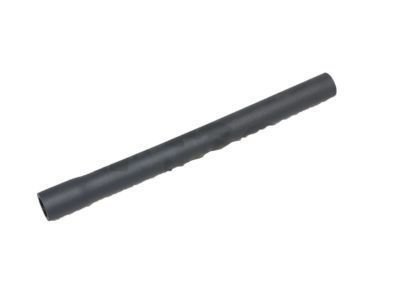
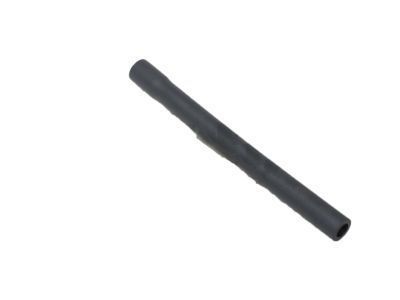
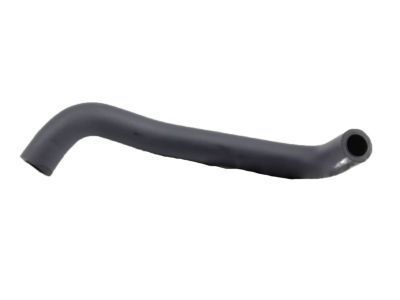
Toyota T100 Air Hose Part Number: 12261-62050
$20.78 MSRP: $28.93You Save: $8.15 (29%)Ships in 1-2 Business Days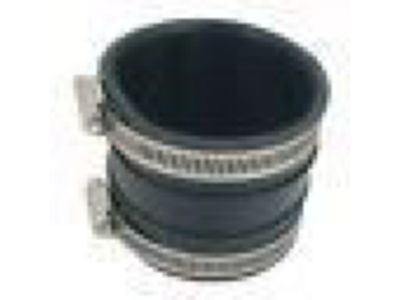
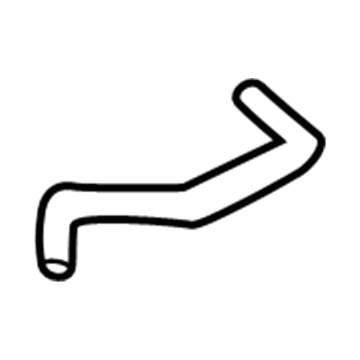
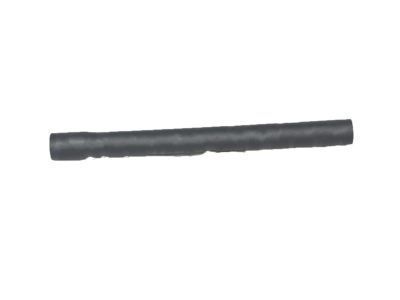
Toyota T100 Connector Hose Part Number: 17882-75040
$39.42 MSRP: $54.87You Save: $15.45 (29%)Ships in 1-3 Business Days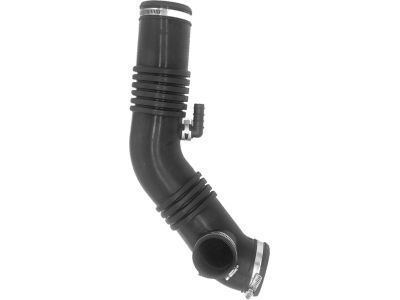
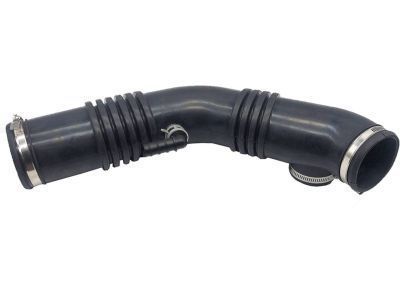
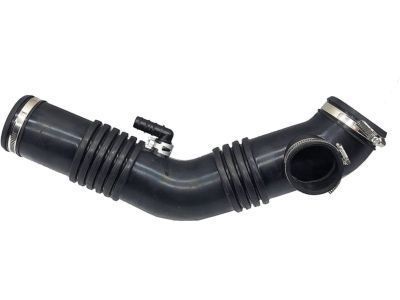
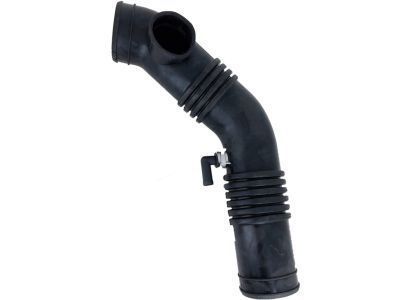
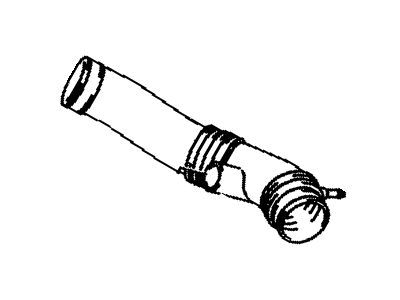
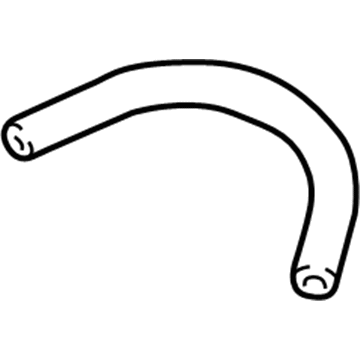
Toyota T100 Air Inlet Hose Part Number: 17881-65030
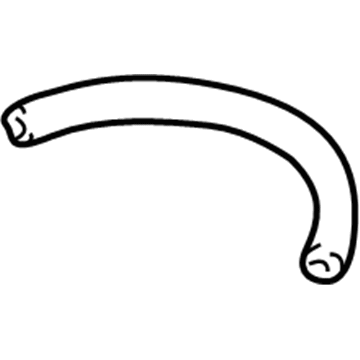
Toyota T100 Air Hose Part Number: 90445-18148
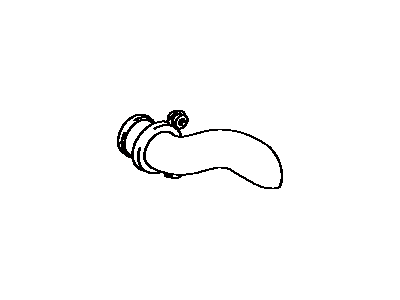
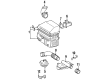
Toyota T100 Air Inlet Hose Part Number: 17880-65070
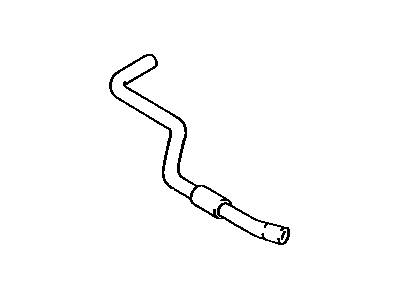
Toyota T100 Air Hose Part Number: 17342-65020
Toyota T100 Air Inlet Hose Part Number: 17881-75030
Toyota T100 Air Intake Hose
Choose genuine Air Intake Hose that pass strict quality control tests. You can trust the top quality and lasting durability. Shopping for OEM Air Intake Hose for your Toyota T100? Our website is your one-stop destination. We stock an extensive selection of genuine Toyota T100 parts. The price is affordable so you can save more. It only takes minutes to browse and find the exact fit. Easily add to cart and check out fast. Our hassle-free return policy will keep you stress-free. We process orders quickly for swift delivery. Your parts will arrive faster, so you can get back on the road sooner.
The Toyota T100 Air Intake Hose attaches the airbox to the throttle body. It is easy to overlook that crucial part. However, before the focus on it, let's remember why the Toyota T100 is so loved. This mid-size pickup truck boasts a sturdy ladder frame and optional four-wheel drive. Its 3.4-liter V6 tows more than two tons. Its long 121.8-inch wheelbase provides steady highway manners. However, it still easily fits into city parking spots. Thus, the Toyota T100 offers a good balance of work and everyday comfort. Dependable factory components provide the performance. Plus, the ownership experience is backed by the brand's reputation for longevity. The second benefit is ease of service because most of the routine parts are simply located in the open engine-bay spaces, so DIY owners can take care of maintenance quickly. Thus, making the Toyota T100 a rather friendly first truck for inexperienced drivers. The Air Intake Hose is the flexible duct supplying cool filtered air to the throttle plate. In doing so, it seals off the intake path and protects the sensors from dust. Moreover, it helps to keep a balanced mixture for combustion. Thus, a cracked Air Intake Hose can lead to rough idle and excess fuel use. Having fresh rubber restores power and keeps the idle stable. Further, fresh rubber also protects the mass airflow meter. As such, the Air Intake Hose check will save money during every oil change. To install, loosen the clamps, unplug the sensors, remove the old tube, fit the new hose squarely, tighten the clamps, start the engine, and check for leaks.
Related Toyota T100 Parts
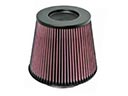 Toyota T100 Air Filter
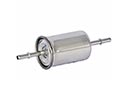 Toyota T100 Fuel Filter
 Toyota T100 Mass Air Flow Sensor
 Toyota T100 Accelerator Cable
 Toyota T100 Air Duct
 Toyota T100 Air Filter Box
 Toyota T100 Air Intake Coupling
 Toyota T100 Crankcase Breather Hose
 Toyota T100 Cruise Control Switch
 Toyota T100 Gas Cap
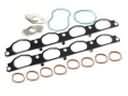 Toyota T100 Intake Manifold Gasket
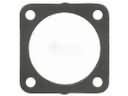 Toyota T100 Throttle Body Gasket