×
ToyotaParts- Hello
- Login or Register
- Quick Links
- Live Chat
- Track Order
- Parts Availability
- RMA
- Help Center
- Contact Us
- Shop for
- Toyota Parts
- Scion Parts
My Garage
My Account
Cart
OEM Toyota Supra Air Intake Hose
Engine Air Intake Hoses- Select Vehicle by Model
- Select Vehicle by VIN
Select Vehicle by Model
orMake
Model
Year
Select Vehicle by VIN
For the most accurate results, select vehicle by your VIN (Vehicle Identification Number).
11 Air Intake Hoses found
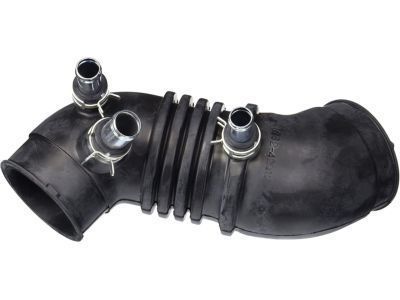
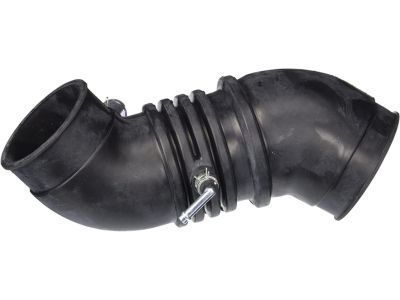
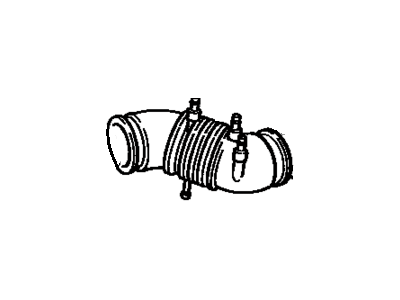
Toyota Supra Air Inlet Hose Part Number: 17882-42012
$77.01 MSRP: $108.10You Save: $31.09 (29%)Ships in 1-2 Business Days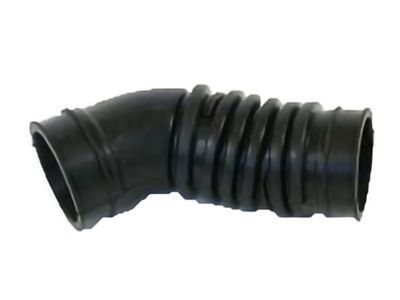
Toyota Supra Air Inlet Hose Part Number: 22231-43010
Toyota Supra Air Inlet Hose Part Number: 17344-42020
Toyota Supra Air Inlet Hose Part Number: 17343-42020
Toyota Supra Air Inlet Hose Part Number: 17343-42010
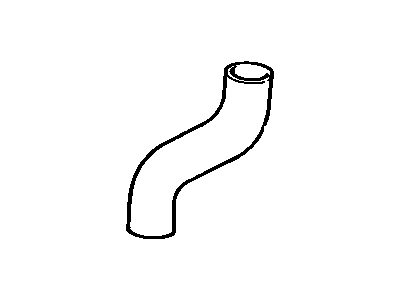
Toyota Supra Air Inlet Hose Part Number: 17341-42020
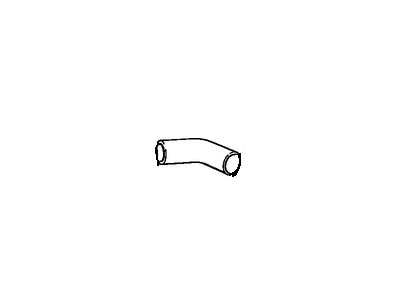
Toyota Supra Air Inlet Hose Part Number: 17346-42020

Toyota Supra Air Inlet Hose Part Number: 17345-42020
Toyota Supra Air Inlet Hose Part Number: 17882-42H00
Toyota Supra Air Inlet Hose Part Number: 17341-42060
Toyota Supra Air Inlet Hose Part Number: 17342-42020
Toyota Supra Air Intake Hose
Choose genuine Air Intake Hose that pass strict quality control tests. You can trust the top quality and lasting durability. Shopping for OEM Air Intake Hose for your Toyota Supra? Our website is your one-stop destination. We stock an extensive selection of genuine Toyota Supra parts. The price is affordable so you can save more. It only takes minutes to browse and find the exact fit. Easily add to cart and check out fast. Our hassle-free return policy will keep you stress-free. We process orders quickly for swift delivery. Your parts will arrive faster, so you can get back on the road sooner.
The Toyota Supra Air Intake Hose is situated in the correct position of an automobile that is well-known for its sharp steering, balanced weight distribution, and a turbocharged inline six that propels the Toyota Supra from idle to redline with thrilling urgency. Meanwhile, the stiff chassis, rear wheel drive, and accurate manual or quick shifting automatic transmissions allow drivers to take advantage of every curve. This is Toyota after all, as the Japanese automaker takes its performance and reliability credentials seriously. Drivers compliment its comfortable seats, easy-read gauges, and the market friendliness that really opens up infinite tuning creativity. The Air Intake Hose is the flexible sealed duct that connects the airbox to the throttle body. The smooth interior contains constant pulses of cool filtered air to the engine. The Supra Air Intake Hose prevents dirt and dust from entering the engine. It aids in a responsive feeling throttle and accurate sensor readings. Overall, it performs a vital function for an already well-tuned car, the Toyota Supra. A healthy Air Intake Hose prevents leaks that would otherwise disrupt airflow and impede the turbo from spooling cleanly. In addition, replacing a cracked Air Intake Hose prevents it from ingesting debris and damaging the engine. It also helps to smooth out the idle. Importantly, it keeps emissions low and delivers power high on every car. Loosen the clamps. Unplug the sensors. Remove the hose. Slide the new one in. Align the ports. Tighten the clamps. Reconnect the lines. Check for leaks.
Related Toyota Supra Parts
 Toyota Supra Air Filter
 Toyota Supra Throttle Body
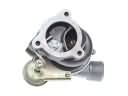 Toyota Supra Turbocharger
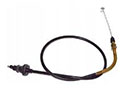 Toyota Supra Accelerator Cable
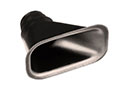 Toyota Supra Air Duct
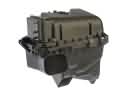 Toyota Supra Air Filter Box
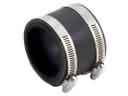 Toyota Supra Air Intake Coupling
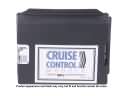 Toyota Supra Cruise Control Module
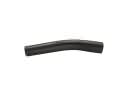 Toyota Supra Fuel Filler Hose
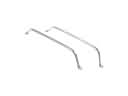 Toyota Supra Fuel Tank Strap
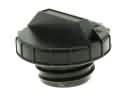 Toyota Supra Gas Cap
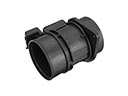 Toyota Supra Mass Air Flow Sensor