×
ToyotaParts- Hello
- Login or Register
- Quick Links
- Live Chat
- Track Order
- Parts Availability
- RMA
- Help Center
- Contact Us
- Shop for
- Toyota Parts
- Scion Parts
My Garage
My Account
Cart
OEM Toyota Previa Fuel Pump
Gas Pump- Select Vehicle by Model
- Select Vehicle by VIN
Select Vehicle by Model
orMake
Model
Year
Select Vehicle by VIN
For the most accurate results, select vehicle by your VIN (Vehicle Identification Number).
3 Fuel Pumps found
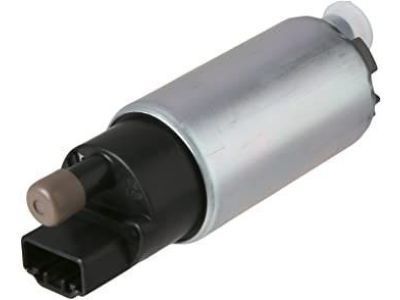

Toyota Previa Fuel Pump Part Number: 23221-46010
$274.81 MSRP: $392.37You Save: $117.56 (30%)Ships in 1-3 Business Days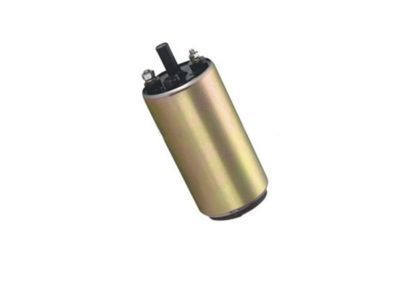
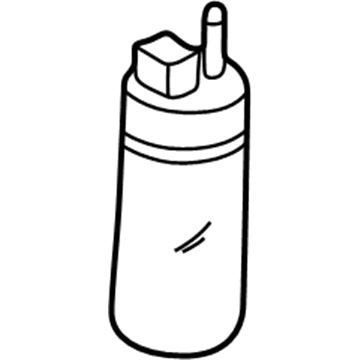
Toyota Previa Pump Assembly, Fuel Part Number: 23220-43070
$383.05 MSRP: $561.37You Save: $178.32 (32%)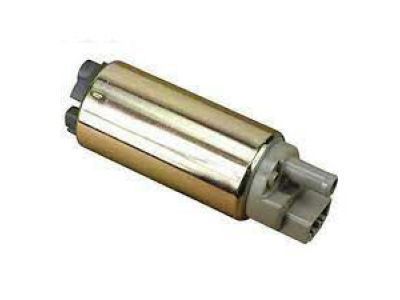

Toyota Previa Fuel Pump Part Number: 23221-32020
$314.31 MSRP: $448.76You Save: $134.45 (30%)Ships in 1-3 Business Days
Toyota Previa Fuel Pump
Choose genuine Fuel Pump that pass strict quality control tests. You can trust the top quality and lasting durability. Shopping for OEM Fuel Pump for your Toyota Previa? Our website is your one-stop destination. We stock an extensive selection of genuine Toyota Previa parts. The price is affordable so you can save more. It only takes minutes to browse and find the exact fit. Easily add to cart and check out fast. Our hassle-free return policy will keep you stress-free. We process orders quickly for swift delivery. Your parts will arrive faster, so you can get back on the road sooner.
The Toyota Previa Fuel Pump makes the van keen on starting and pulling off easily by pumping the fuel at the necessary pressure. The Toyota Previa has been receiving commendation by the families due to the panoramic visibility, mid-engine balance and cabin space making road trip relaxing. Engineered low and central in the first generation Previa, the Toyota engineers produced the confidence in handling hardly seen with minivans, and the subsequent models transitioned to front drive, but retained the famous reliability and sliding doors gliding easily. The Previa has flexible seating, intelligent storage trays and spacious legroom in the interior, and Toyota is well aware of what everyday life entails. In keeping with all that utility, the proactive Fuel Pump is placed close to the tank, designed to provide steady flow, such that the four-cylinder or the hybrid engine does not have to choke continuously. The Toyota prelude Fuel Pump features a pressure regulator and strainer unlike the generic units, protecting the injectors against debris and ensuring that combustion remains clean, as this helps in improving mileage and reducing emissions. The Fuel Pump motor starts fast, i.e., the van starts up even on cold mornings and its silence does not disturb the relaxing atmosphere in the cabin that passengers adore. To replace a worn Fuel Pump, it is important to unbolt and defuel the battery, lift or tilt the tank, disconnect the wiring, unclip the fuel lines, swap the seal, install the new pump, and reattach everything and look after leaks.
Related Toyota Previa Parts
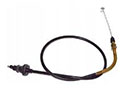 Toyota Previa Accelerator Cable
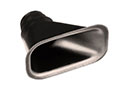 Toyota Previa Air Duct
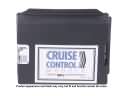 Toyota Previa Cruise Control Module
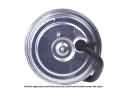 Toyota Previa Cruise Control Servo
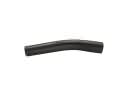 Toyota Previa Fuel Filler Hose
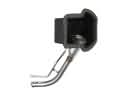 Toyota Previa Fuel Filler Neck
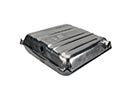 Toyota Previa Fuel Tank
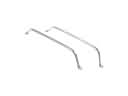 Toyota Previa Fuel Tank Strap
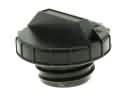 Toyota Previa Gas Cap
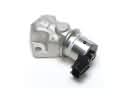 Toyota Previa Idle Control Valve
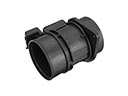 Toyota Previa Mass Air Flow Sensor
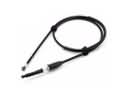 Toyota Previa Throttle Cable